

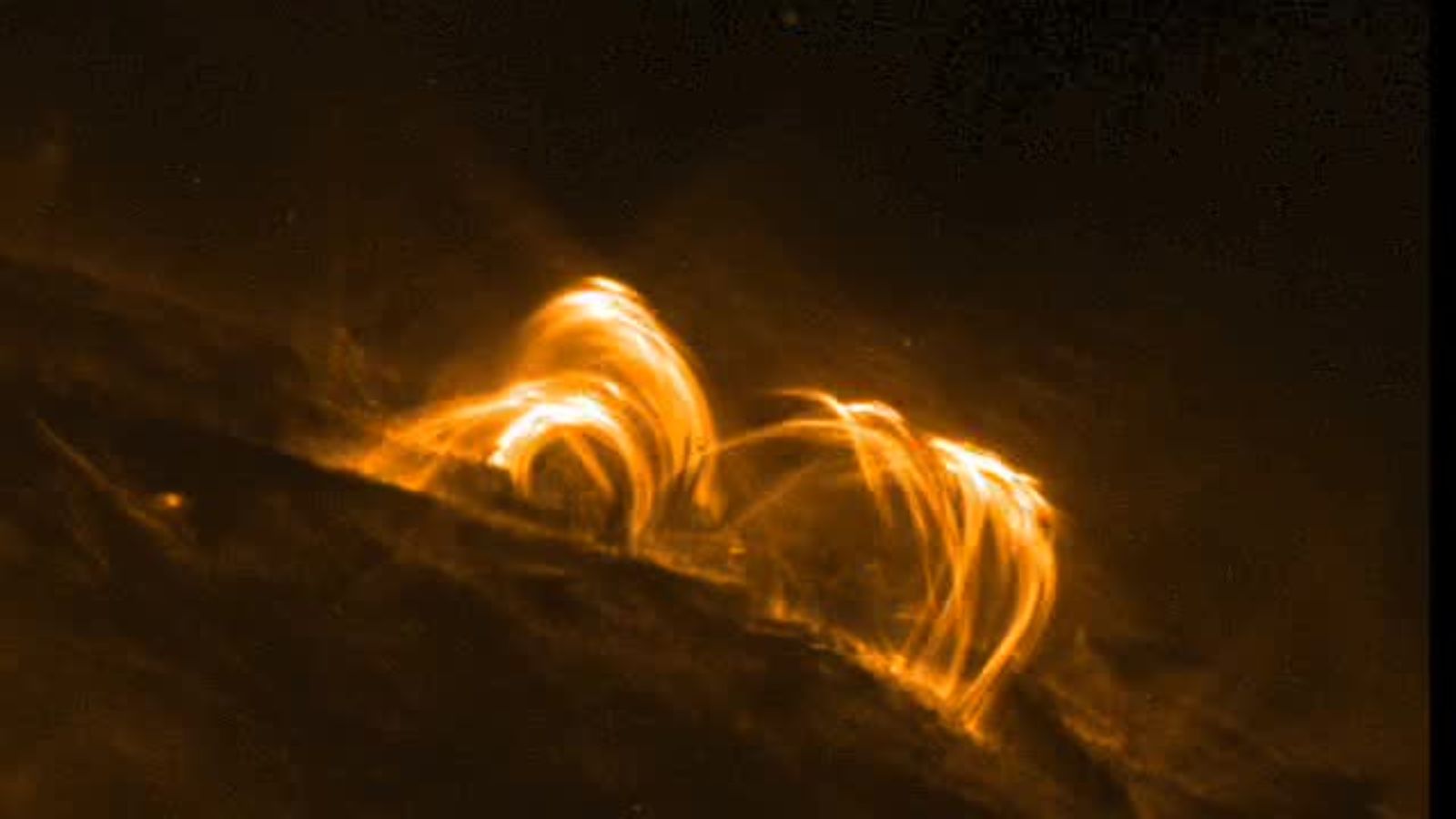
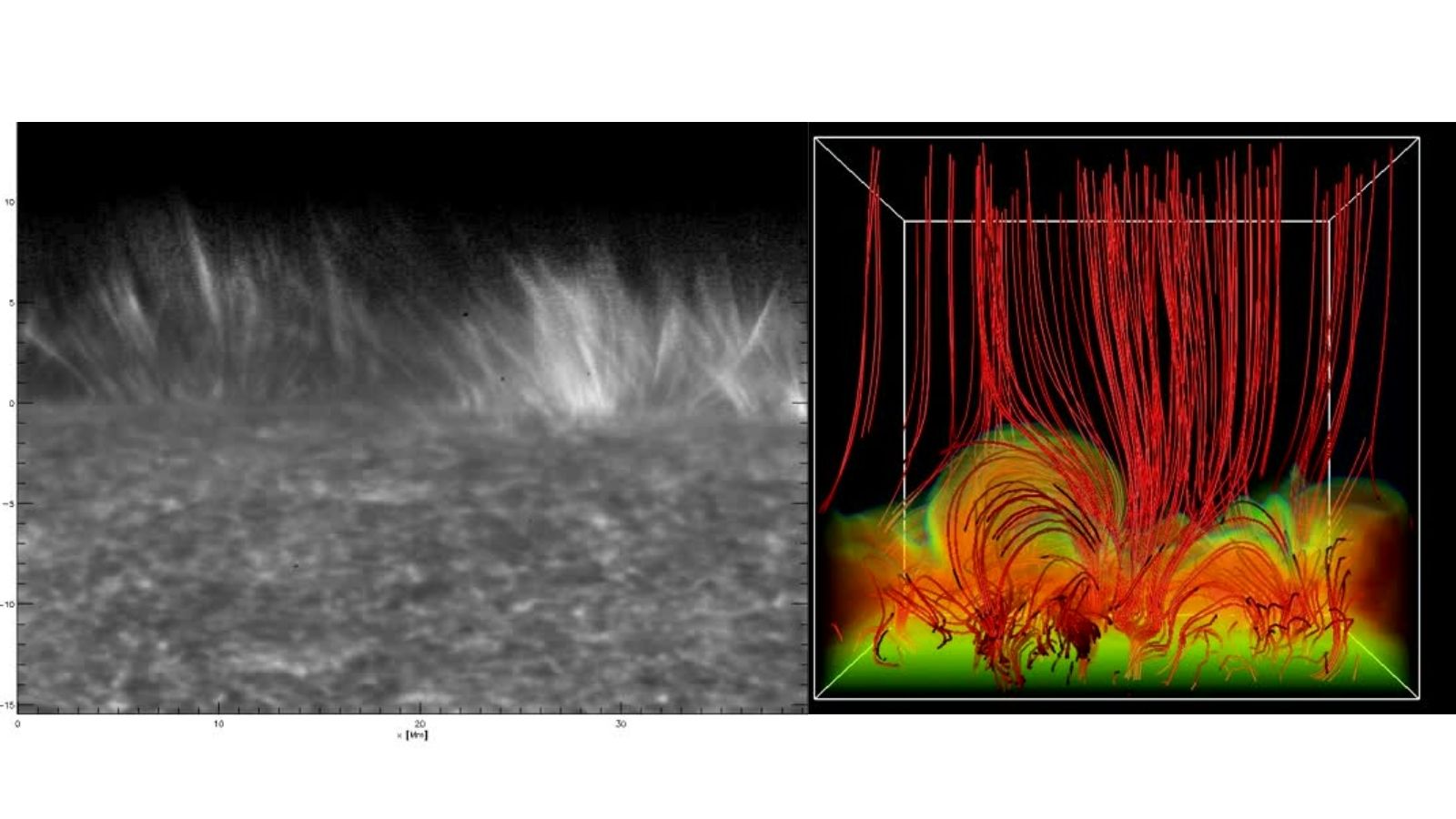
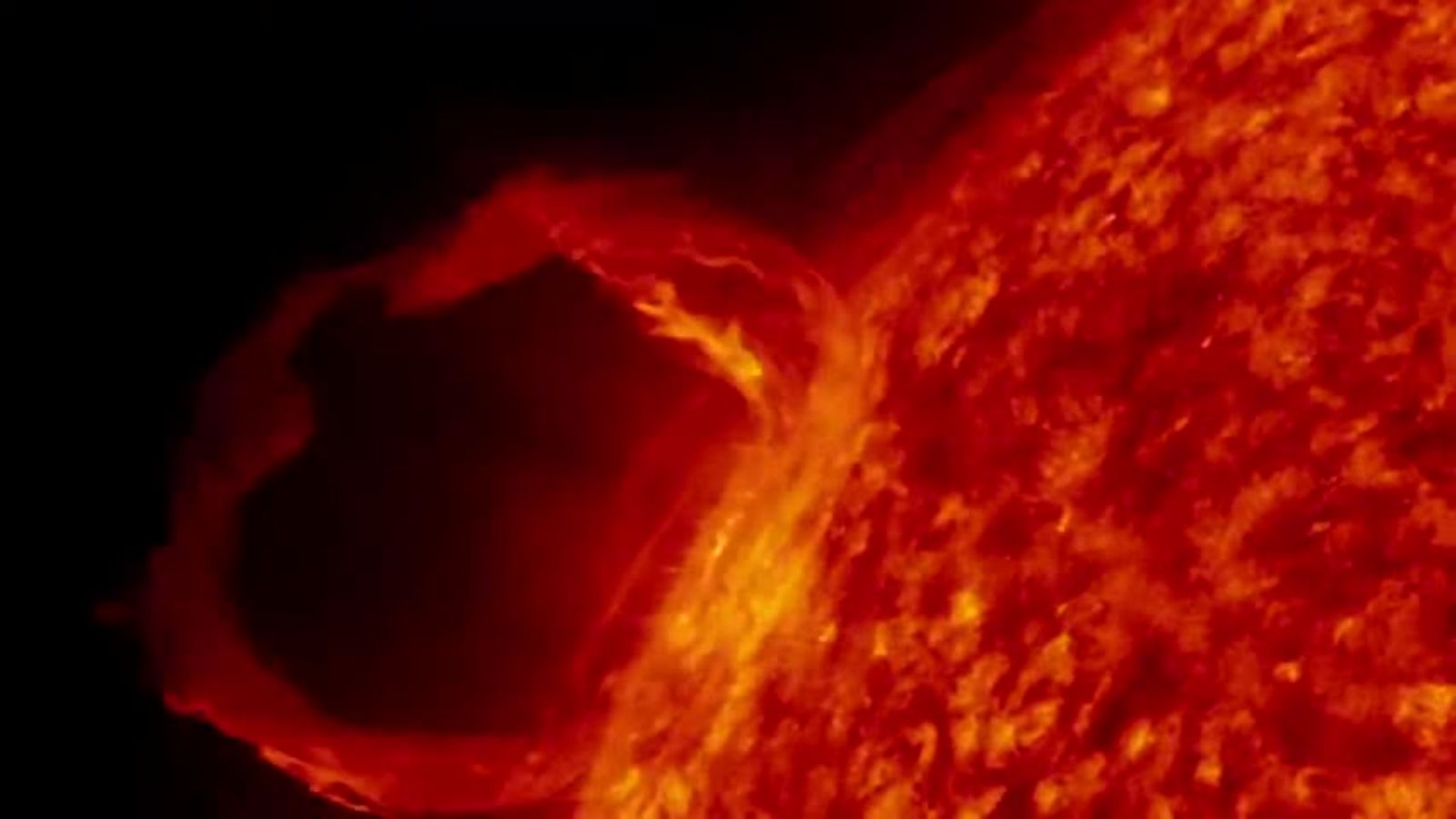
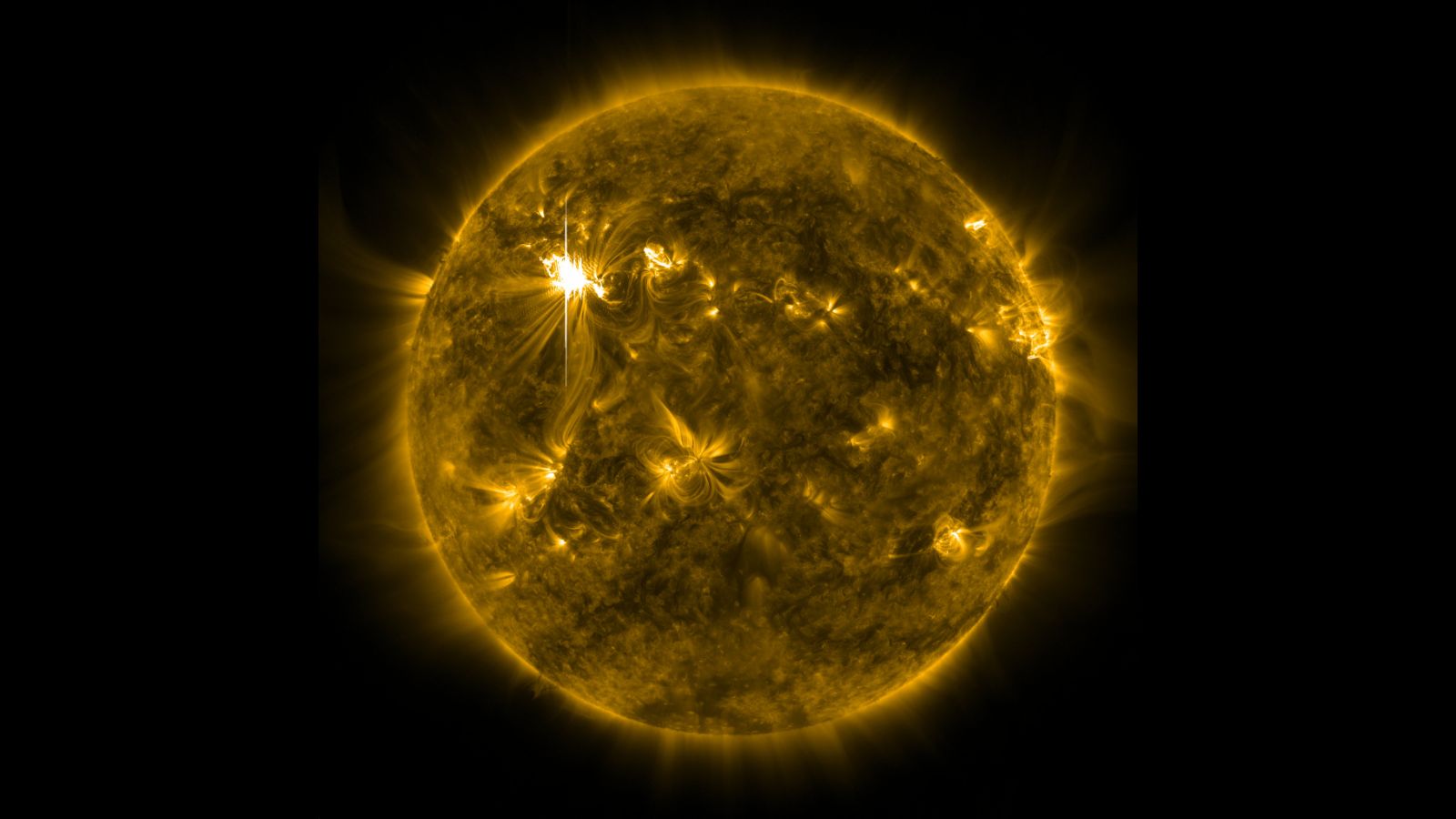
The Sun represents a unique laboratory for studying a wide range of physical processes occurring in its atmosphere. Although modern space-based and ground-based telescopes offer exceptional observational capabilities, questions regarding the origin, release, and transport of energy in the solar atmosphere—especially during solar flares—remain open. These phenomena can significantly influence so-called space weather and affect the near-Earth environment, including its magnetosphere and biosphere. This growing impact has led to increased interest in a deeper understanding of how the Sun operates.
One of the most intensively studied yet still not fully understood processes is the release of energy during solar flares, the acceleration of charged particles, and the heating of the solar corona. As part of the international bilateral project “Sub-THz Band: A New Approach to Studying the Origins of Solar and Stellar Flares Using Observations and Numerical Simulations”, which was evaluated as “excellent” by the GAČR Presidium upon its completion, we studied these phenomena using a combination of advanced numerical magnetohydrodynamic (MHD) simulations, kinetic models, and radiation transfer simulations. These calculations were compared with observations in the sub-terahertz (sub-THz) band—a spectral region emerging as a new opportunity for exploring solar and stellar flares.
The sub-THz band represents a new “window” into the study of the aforementioned phenomena. In this relatively unexplored part of the electromagnetic spectrum, there is potential for groundbreaking discoveries related to high-energy processes—such as the acceleration of electrons to relativistic speeds or the formation of dense plasma structures during flares. Using modern numerical codes, we conducted a detailed comparative analysis of sub-THz emissions generated during the heating of flare plasma (including the corona, chromosphere, and transition region) by accelerated electrons. This enabled not only a new perspective on the origin of these emissions but also a deeper understanding of the energy release mechanism itself during solar flares.
A. K. Srivastava, S. K. Mishra, P. Jelínek; The Astrophysical Journal, 920, 18, 2021, DOI: 10.3847/1538-4357/ac1519
Smirnova, Victoria; Tsap, Yuriy; Jelínek, Petr; Karlický, Marian, Advances in Space Research, Volume 70, Issue 10, p. 3257-3262. DOI: 10.1016/j.asr.2022.08.064
Jelínek, Petr; Belov, Sofya; Karlický, Marian, The Astrophysical Journal, Volume 941, Issue 2, id.124, 8 pp. DOI:10.3847/1538-4357/aca40d
S. K. Mishra, K. Sangal, P. Kayshap, P. Jelínek, A. K. Srivastava, S. P. Rajaguru: The Astrophysical Journal 945, 2, 2023. DOI 10.3847/1538-4357/acb058
Contact: doc. RNDr. Petr Jelínek, Ph.D. (


