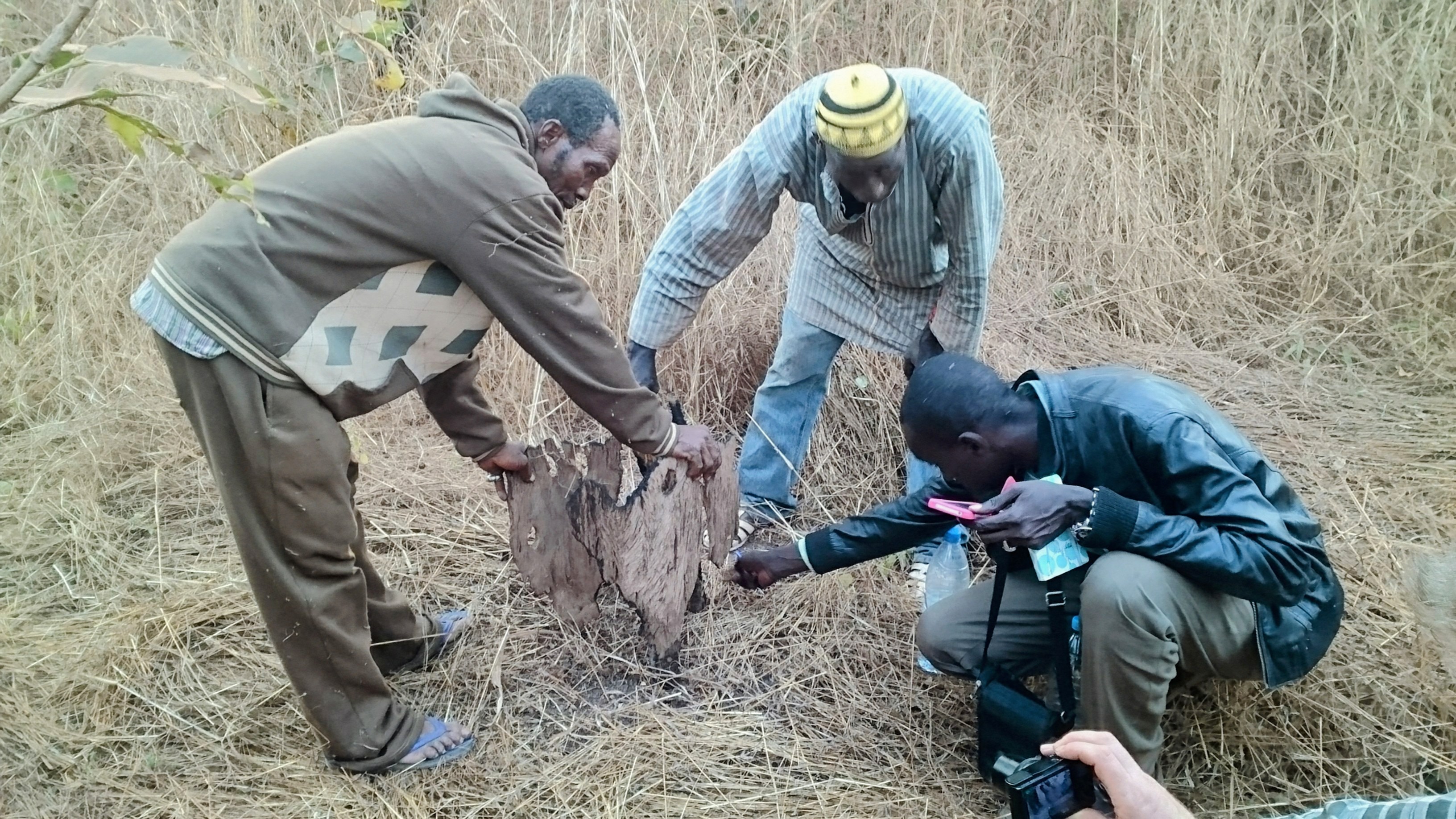
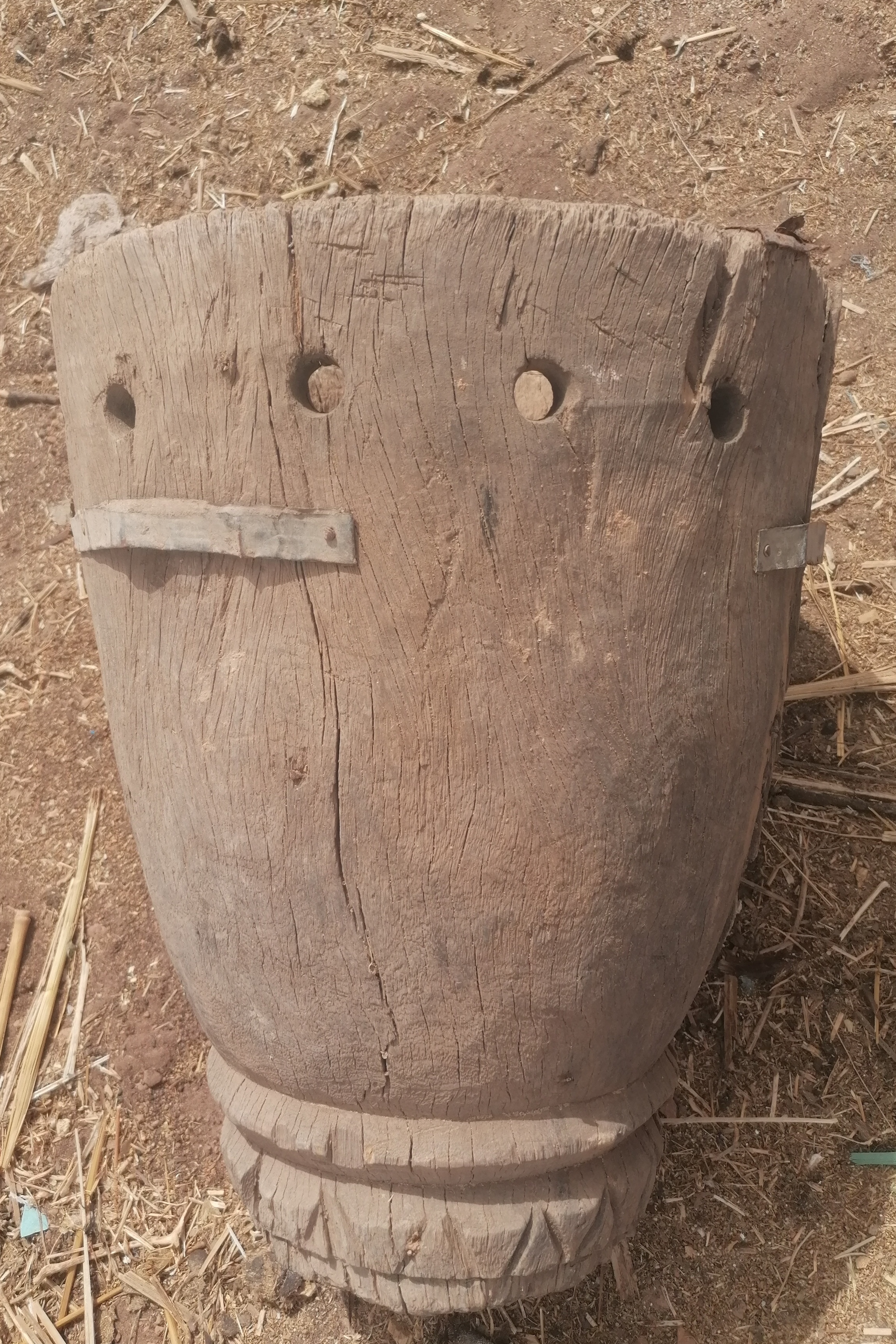
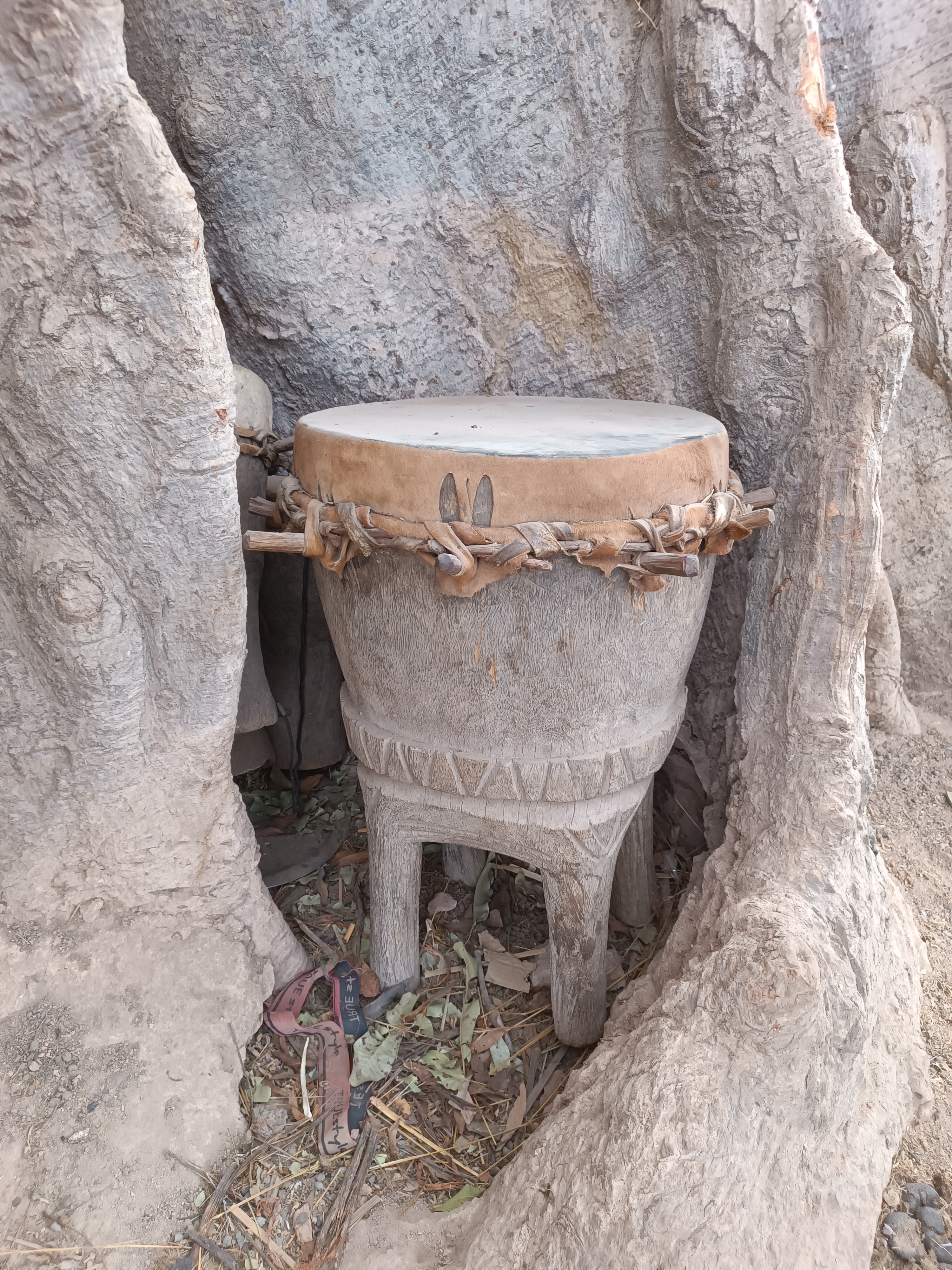
When we first arrived at the abandoned villages of Niokolo-Koba National Park in southeastern Senegal in 2018, we had only a vague idea of what to expect during our research. We were surprised at how well preserved the remains of the displaced villages in the tropical forest on the edge of the savanna were. Wells, remains of houses, ceramics and metal utensils from the 1950s-1960s, and even the occasional remnants of wooden benches, mapped out the exploration and mapping routes of our activities. In addition to armed rangers, we were accompanied by two men, Bourama and Waly, who, like me, were in their sixties. Both remembered details of the abandoned village of Sibi Kili. We were pushing through the dense vegetation at the edge of the residential area when both men bent down and pointed to the torso of a wooden object. It was a fragment of a drum, a musical instrument that plays an important role among the Mandinka ethnic group (and not only among them).
Together with doctoral students Tereza Majerovičová (LAPE and Faculty of Arts, USB) and Idrissa Manka (Cheikh Anta Diop University, Dakar, Senegal), we did not hesitate. It was an archaeologically and, as we later discovered, botanically exceptional situation. We documented the object and the site quickly, but in accordance with the principles of field research. Since I have been analysing wooden archaeological objects my entire research career, I asked both men for permission to take a small fragment of the drum in an archaeological bag for later analysis. They agreed, but on condition that I place an offering in the spot of the fragment, such as a piece of paper with a wish. I did so. What I wrote to the spirits on that piece of paper, I will keep to myself.
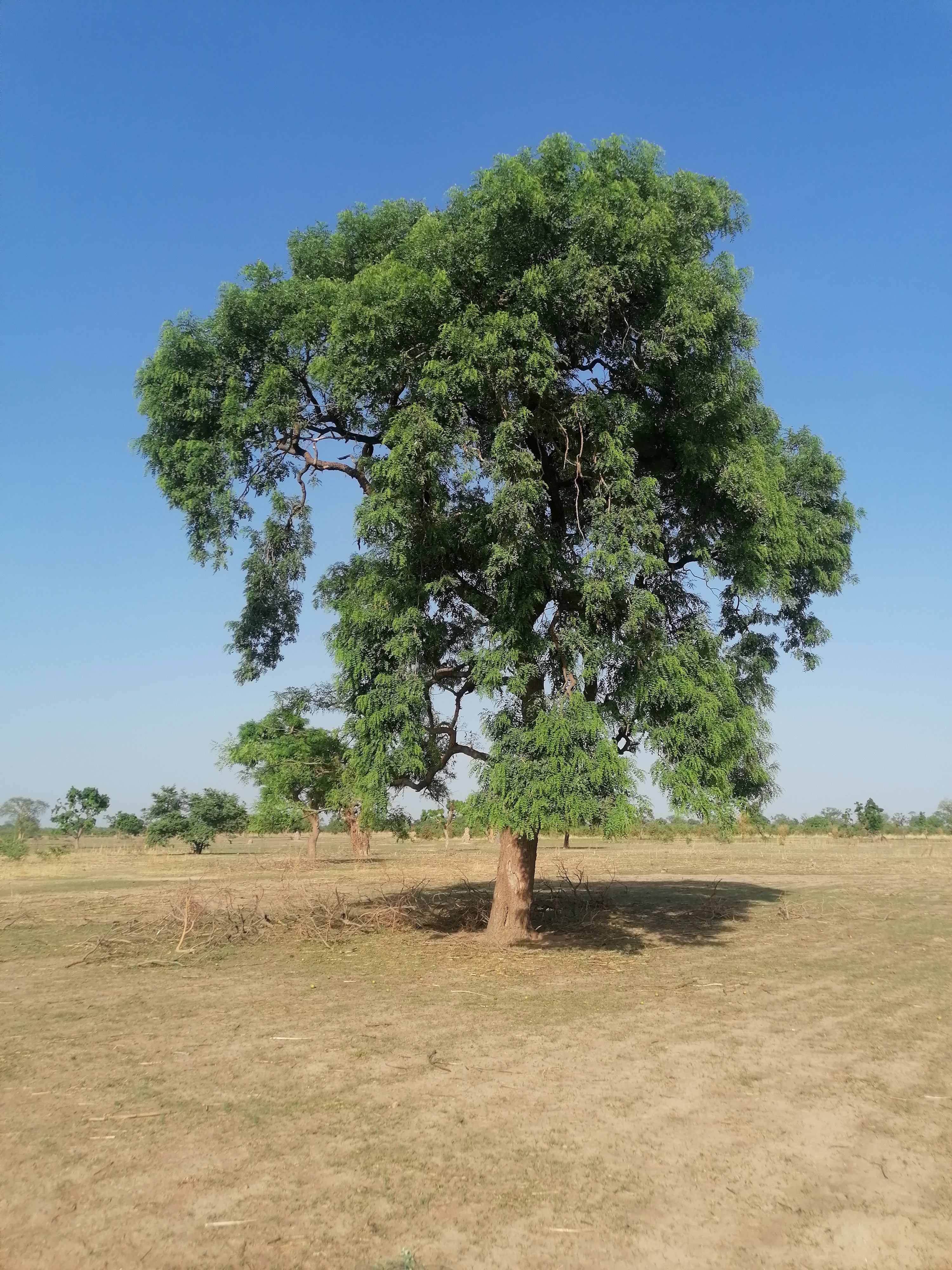
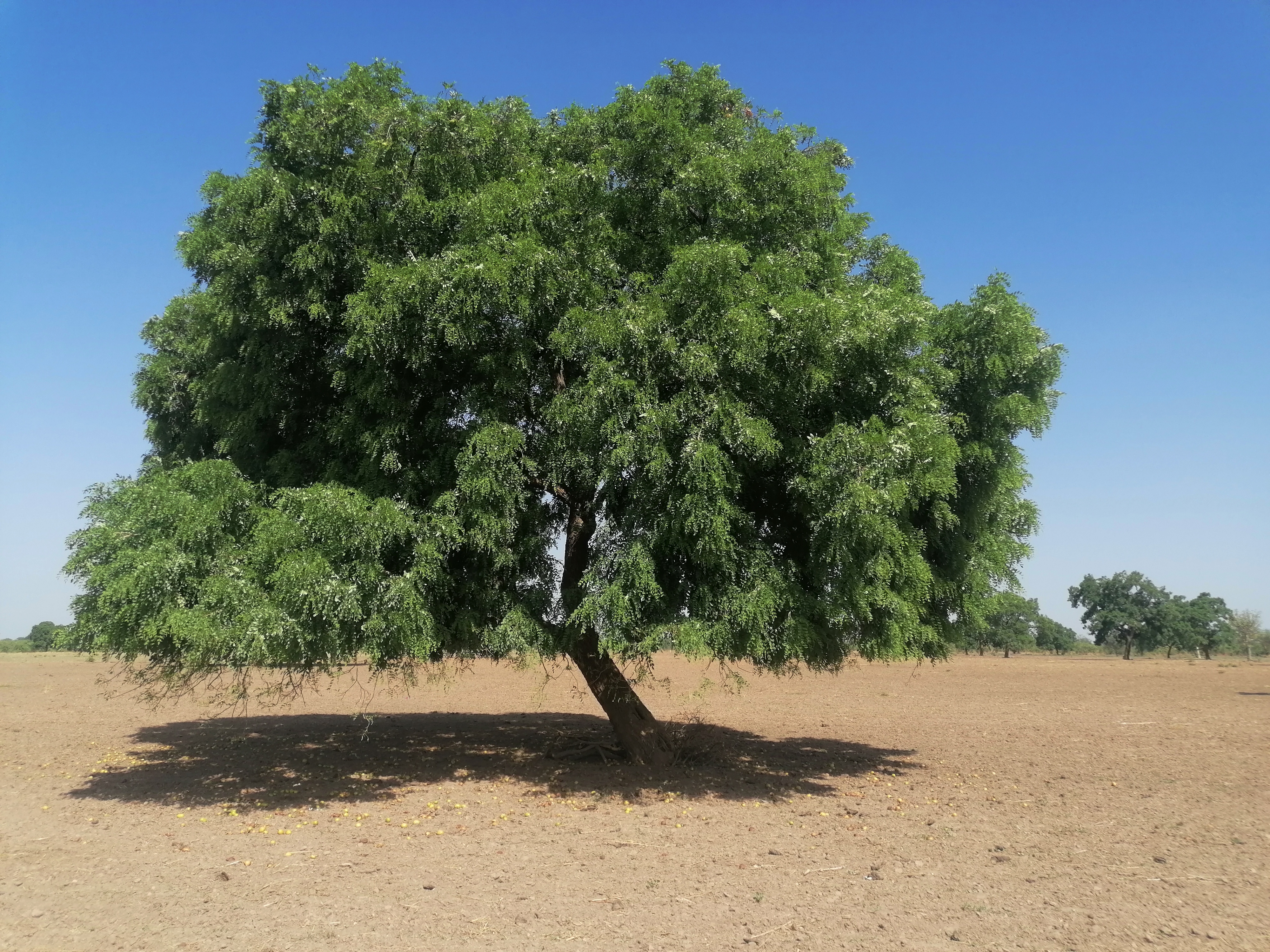
Many years passed, and the topic of the drum matured. Tereza and Idrissa became respected researchers in the field of ethnobotany and ethnoarchaeology. Together, we presented a professional study to the expert and ultimately also the public, in which we mapped the drum as a phenomenon of West African society. It was made from the Cordyla pinnata tree, which is characterised by high-quality wood and sound, but also a number of other useful properties. Together with Idrissa, a member of the Mandinka ethnic group, and Tereza, we present a study in which you will learn everything you need to know about the drum. And not only about it. It is mainly about the culture and nature of the country with which we have already formed a deep relationship.
Jaromír Beneš
The article is part of the specialiIssue of The International Workgroup for African Archaeobotany, Paris 2023, IANSA 2025.2 https://www.iansa.eu/
Photogallery