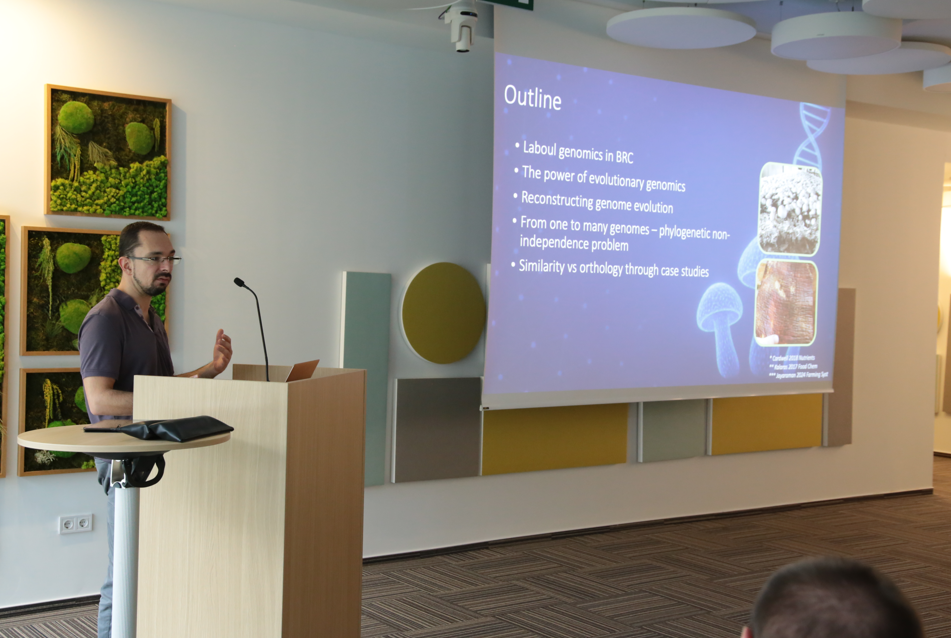
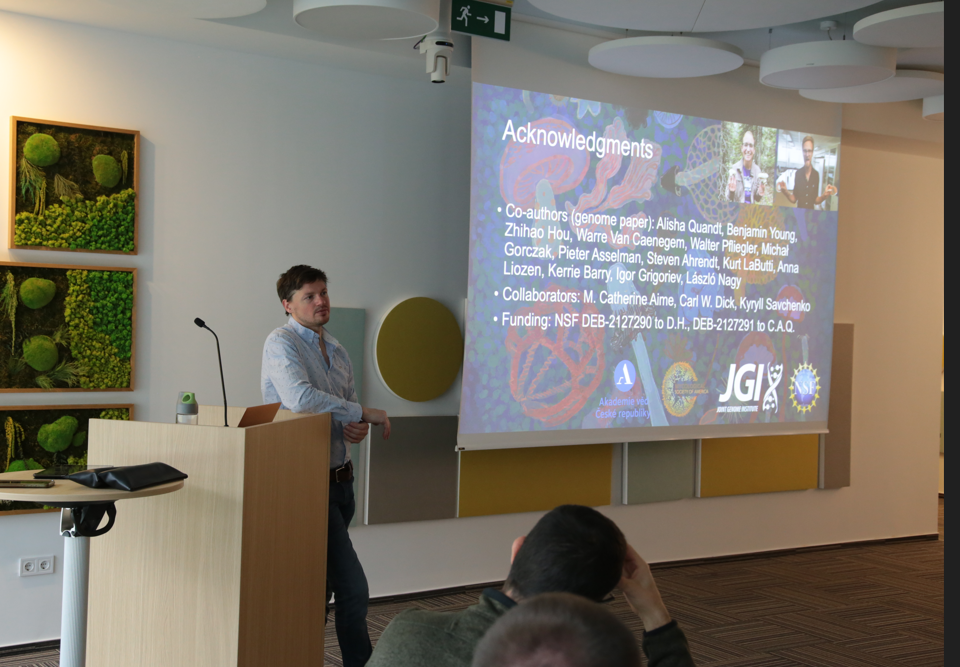
From 16 to 20 February 2026, the HUN‑REN Biological Research Centre in Szeged hosted the final workshop of the C4inV4 initiative, an intensive event dedicated to comparative genomics that strengthened collaboration among Visegrad countries and advanced research on cryptic fungi. The programme combined open lectures with hands‑on bioinformatics training, allowing participants to explore the fundamentals of comparative genomics, evolutionary biology and phylogenomics while gaining practical experience with state‑of‑the‑art tools for detecting gene duplications and losses in fungal genomes. The workshop opened with a symposium on recent breakthroughs in Laboulbeniomycetes genomics, offering insights into the latest phylogenetic results, unique genomic traits of Laboulbeniales and approaches to reconstructing gene family evolution. This was followed by lectures covering key comparative genomics methods applied in fungi, including the convergent evolution of proteins involved in fruiting‑body formation, the evolutionary dynamics of transcription factors and regulatory networks, and the genomics of secondary metabolism.
Over three days of interactive training, participants worked in groups on whole‑genome analyses, focusing on the detection and interpretation of gene duplications and losses, and presented their findings during a final discussion session centred on open questions related to the Laboulbeniales project.
The workshop concluded with an open lecture by Attila Sándor from the Szeged Fungus Association (https://en.szegedigombasz.hu/), who introduced the history and current activities of the local mushroom association, creating a meaningful link between international students and regional citizen‑science initiatives.
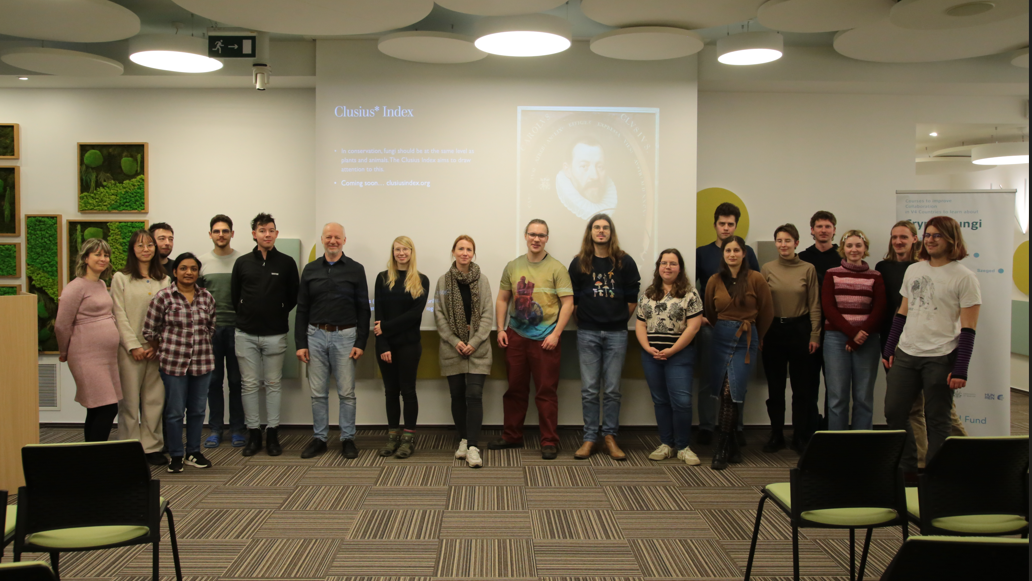
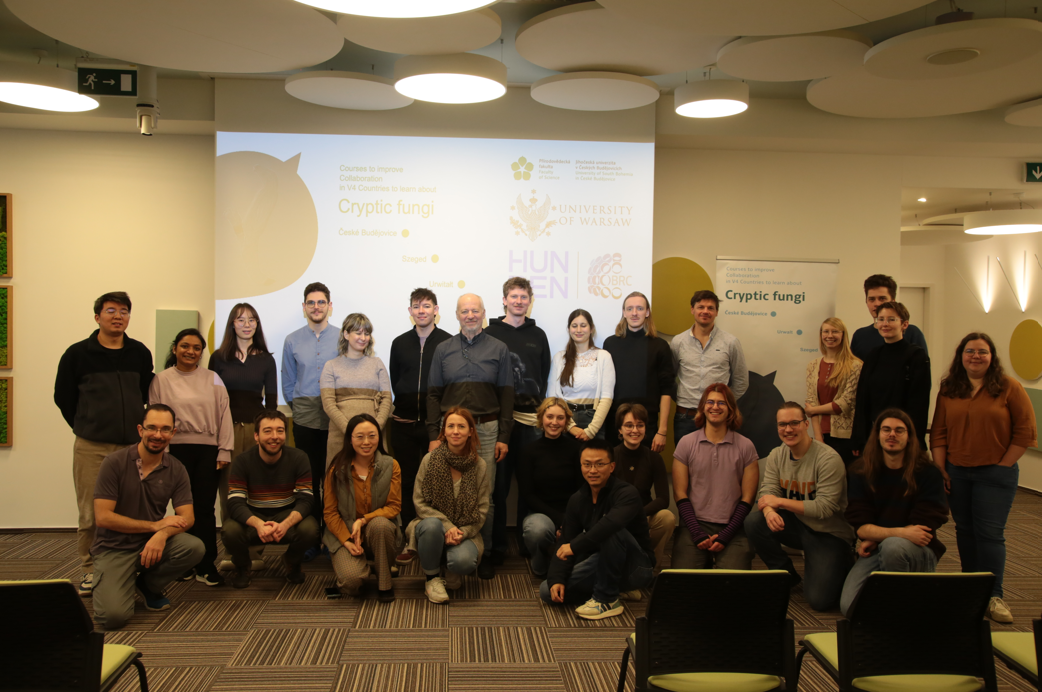
Our comparative genomics workshop brought together 33 researchers from across Europe and beyond, an incredible turnout for an inspiring week of science.
As this was the last workshop of the series, we want to express our sincere thanks to everyone who participated, shared their enthusiasm and curiosity, and to all colleagues who helped prepare and run the event, your effort made the workshop truly exceptional! We also gratefully acknowledge the support of the Visegrad Fund, thanks to which our project and this entire workshop series could take place. And of course, we are already looking forward to future events, collaborations and new adventures in fungal genomics, because good science never really stops it just evolves, preferably with good company!