
For most visitors, the Mediterranean is a symbol of summer and sun-scorched landscapes. In reality, however, it harbors one of the world’s greatest natural treasures. It is home to tens of thousands of plant and animal species, many of which occur nowhere else on Earth. And although it is often believed that the original Mediterranean landscape was covered with dense forests, a new, exceptionally large-scale study by entomologists from the Biology Centre of the Czech Academy of Sciences (BC CAS) and the University of South Bohemia (USB) shows the opposite: the true Mediterranean jewels are found in open, mosaic-like landscapes shaped for millennia by both people and animals. If these places become overgrown by new forests or occupied by buildings, hundreds of unique species will disappear with them.
The Mediterranean belongs among the global biodiversity hotspots - it hosts about 30,000 species of vascular plants, including 13,000 so-called endemics that are found nowhere else in the world (for comparison, the Czech Republic hosts about 3,000 vascular plants, 50 of them endemic). The Mediterranean Basin also represents a craddle of human civilisation, affected by humans since ancient times. It is still disputed, how would the Mediterranean habitats would look without human influence, and how to efficiently conserve them.
“Originally, the habitats of Mediterranean endemics had not been maintained by ancient farmers, but by large herbivorous mammals, as elsewhere in the world,” says Martin Konvička from the Institute of Entomology, BC CAS, and the Faculty of Science, USB. “Shortly after their extripation, Mediterranean habitats – essentially open savannas – were maintained by pastoralists and farmers, and this continued until the modern era,” he explains.
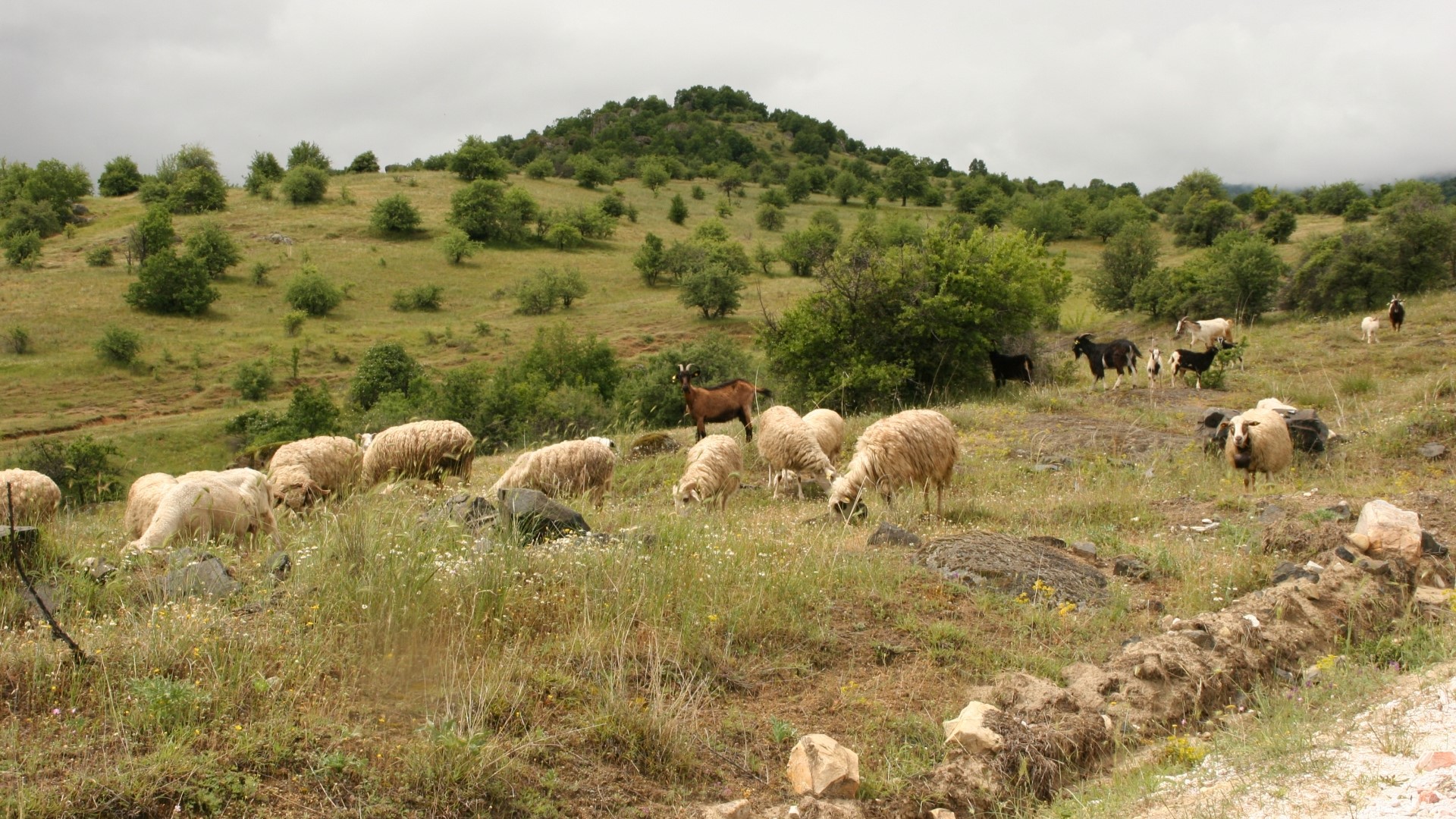
The question of the original Mediterranean landscape already intrigued the ancient Greek philosopher Plato, who believed that the pristine state of the region was covered with woodlands – an assumption that has persisted to this day. It continues to affect environmental policy, protected areas design, and even placements of new major investments, including renewable energy projects. However, naturalists often disagree, arguing that unique Mediterranean flora, as well as birds, reptiles, small mammals or butterflies mainly depend on open, non-forested habitats. These are now disappearing in alarming rate as local people move to cities, traditional land use declines, and the landscape becomes overgrown with new woodland.
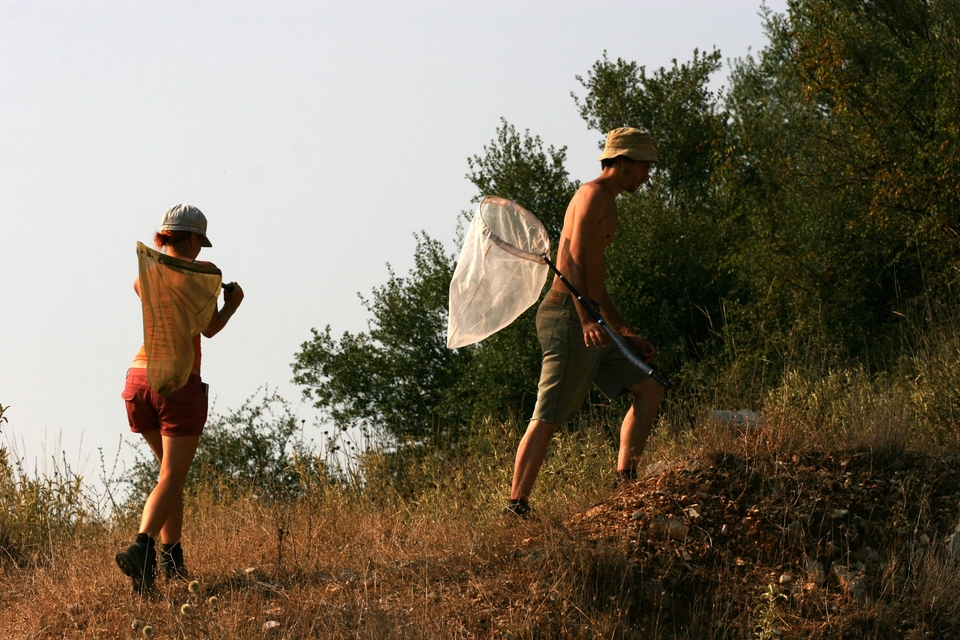
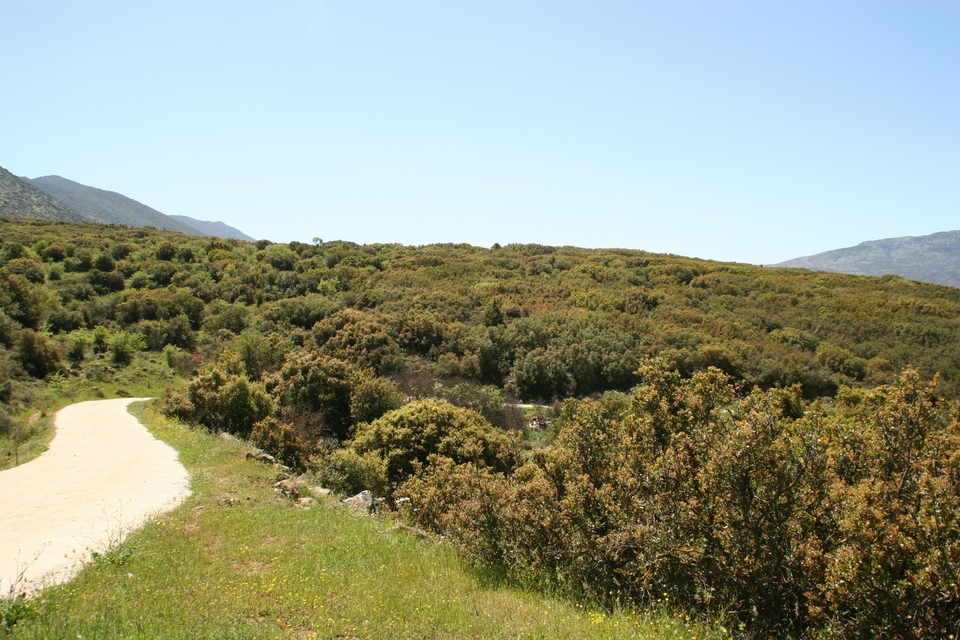
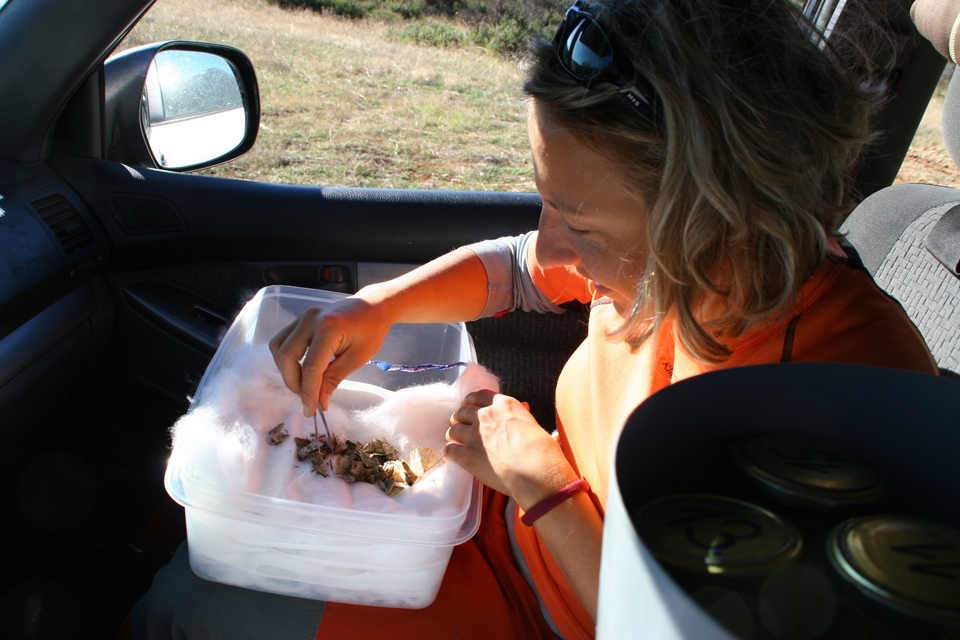
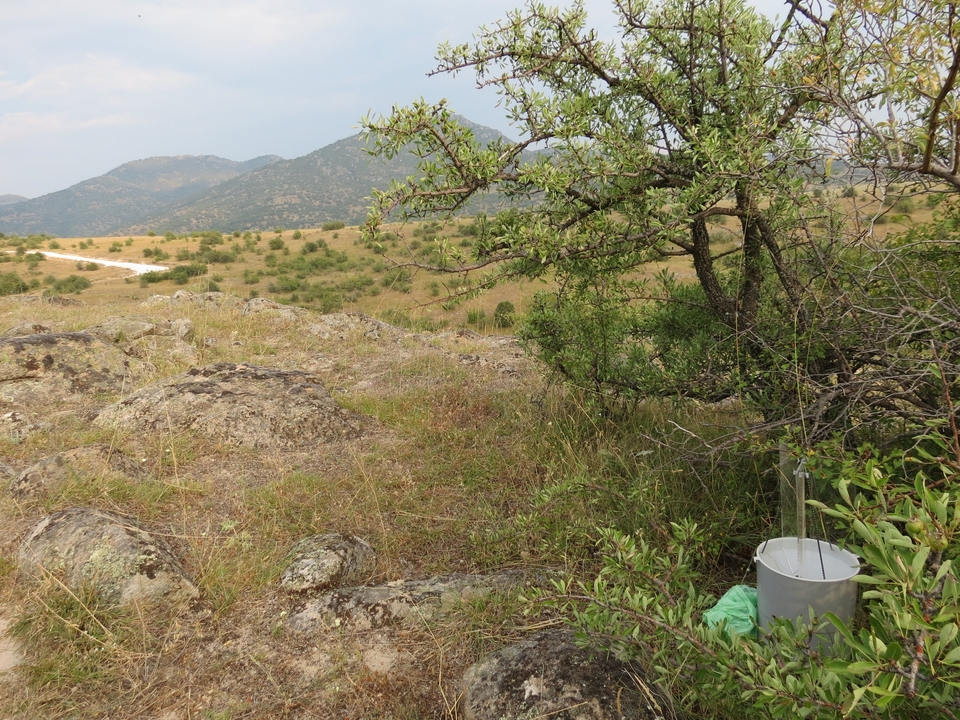
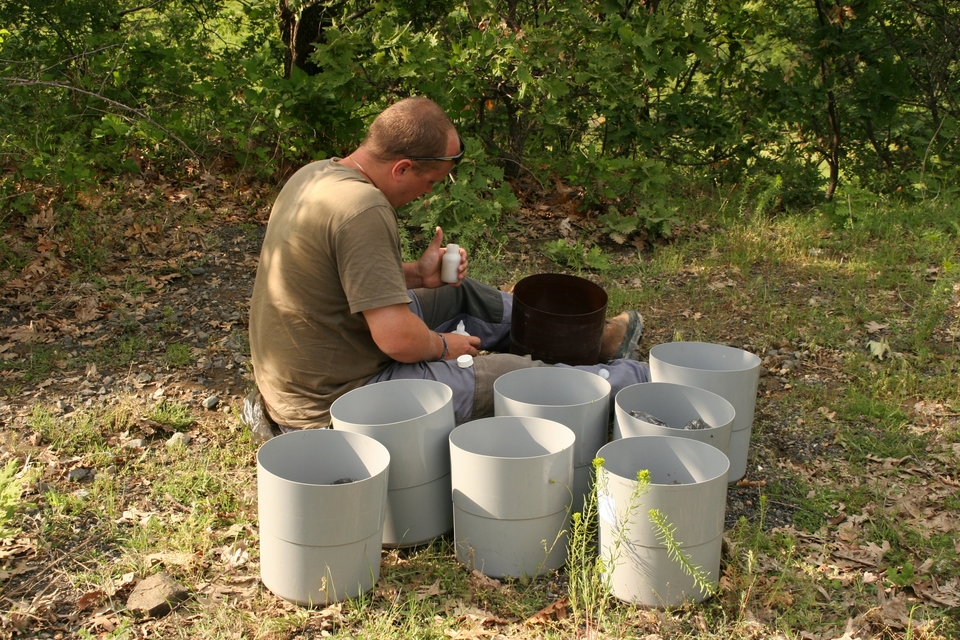
A team of scientists and students from the Institute of Entomology, BC CAS, and the Faculty of Science, USB, led by Martin Konvička and Jana Šlancarová Lipárová, sought to answer this long-standing question. In their extraordinarily extensive research, recently published in the journal Biological Conservation, they focused on a remarkably diverse group of macro-moths – a group seven times richer in species than butterflies in Europe. The research was conducted in an area between southernmost tip of mainland Greece, Bulgaria, and North Macedonia, covering 150 sites that differed in the degree of forest encroachment: grazed grasslands, sparse shrublands, and dense forests. Over two years, the researchers visited each site five times, collecting exactly 42,136 individual moths belonging to 641 species. The first author of the study, Michal Zapletal, spent almost six years processing this material.
The study revealed that all three landscape types – grazed grasslands, sparse shrublands, and closed forests – hosted a similar number of species, but their composition differed significantly. “Moths inhabiting small Mediterranean ranges prevail at the sparse shrublands and grasslands, while closed forests were inhabited mainly by species characteristic for Central Europe, whose ranges extend far to the north and east,” says Jana Šlancarová Lipárová. She adds that moths typical of the Mediterranean Basin depend on open habitats, maintained for millennia through traditional land use practices.
“The current southern Europe is undergoing climatic cooling, as it is succumbing to woodlands and the unique southern species are being replaced by widely distributed species from more northern latitudes,“ emphasizes Martin Konvička. Well-intended environmental policies are not helping, either. „All across southern Europe, we are witnessing a boom of solar and wind power plants, often located to the most valuable open sites,“ notes Alena Bartoňová, another co-author of the study. To preserve the unique biodiversity of the Mediterranean, it is essential to protect and maintain traditionally managed open landscapes – grazed grasslands and sparse shrublands – which have, for thousands of years, created and supported the life of this extraordinary region.
Foto (archiv of Jana Lipárová, BC AV ČR)
Kontakt:
Doc. Mgr. Martin Konvička, Ph.D., Head of the Temperate Biodiversity Laboratory, tel. 775 131 354, e-mail:
Mgr. Daniela Procházková, PR Manager, Biology Centre CAS, tel. 387 775 064, 778 468 552, e-mail:


