
Teaching in the heart of the rainforest: Students discovered the secrets of tropical ecology in Papua New Guinea
Ten students from our faculty woke up in mid-August in the middle of a rainforest, surrounded by the singing of birds of paradise and facing a day full of battling with vines. And that was one of the more ordinary days you can experience on the Tropical Ecology Course in Papua New Guinea...
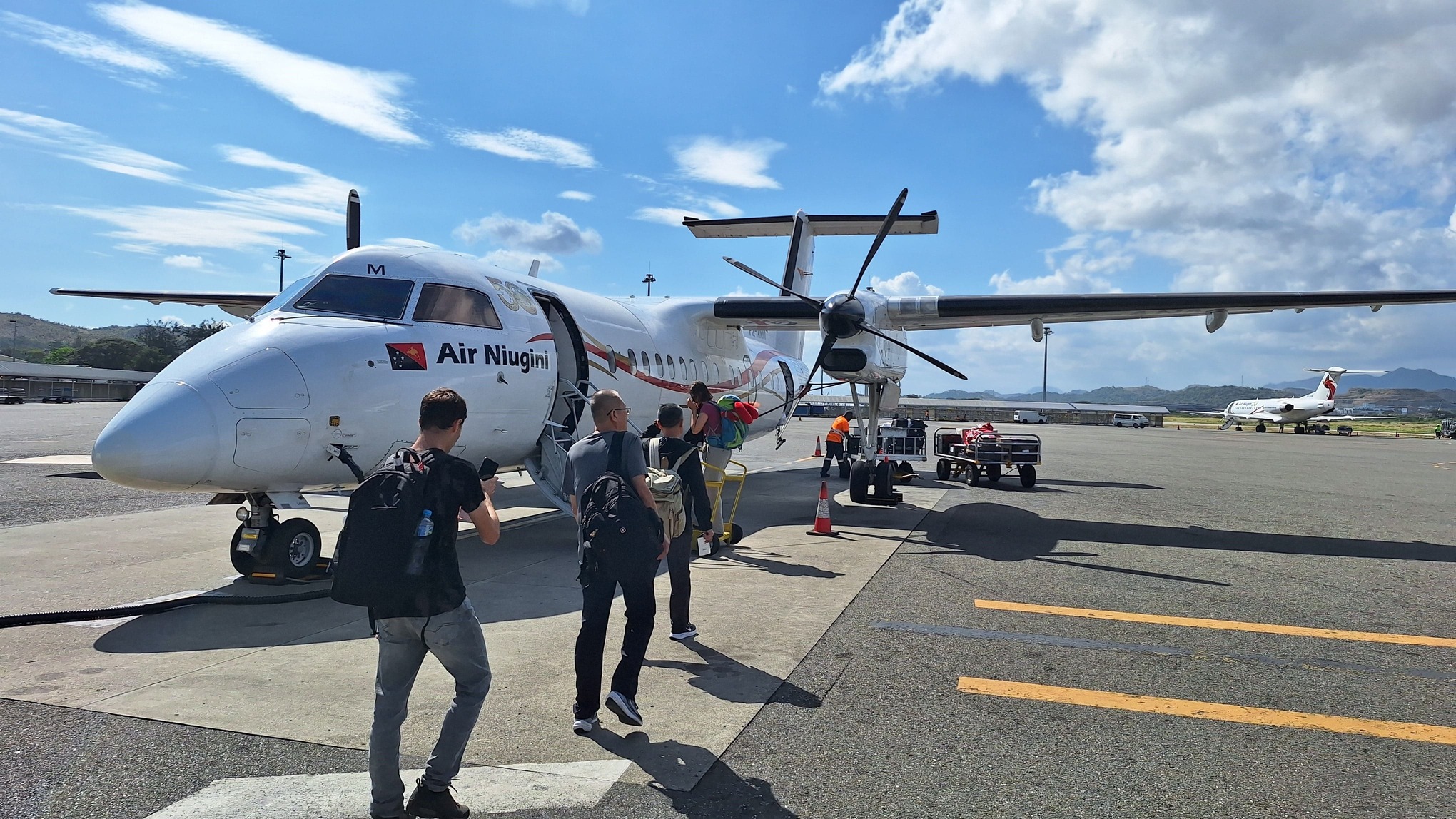
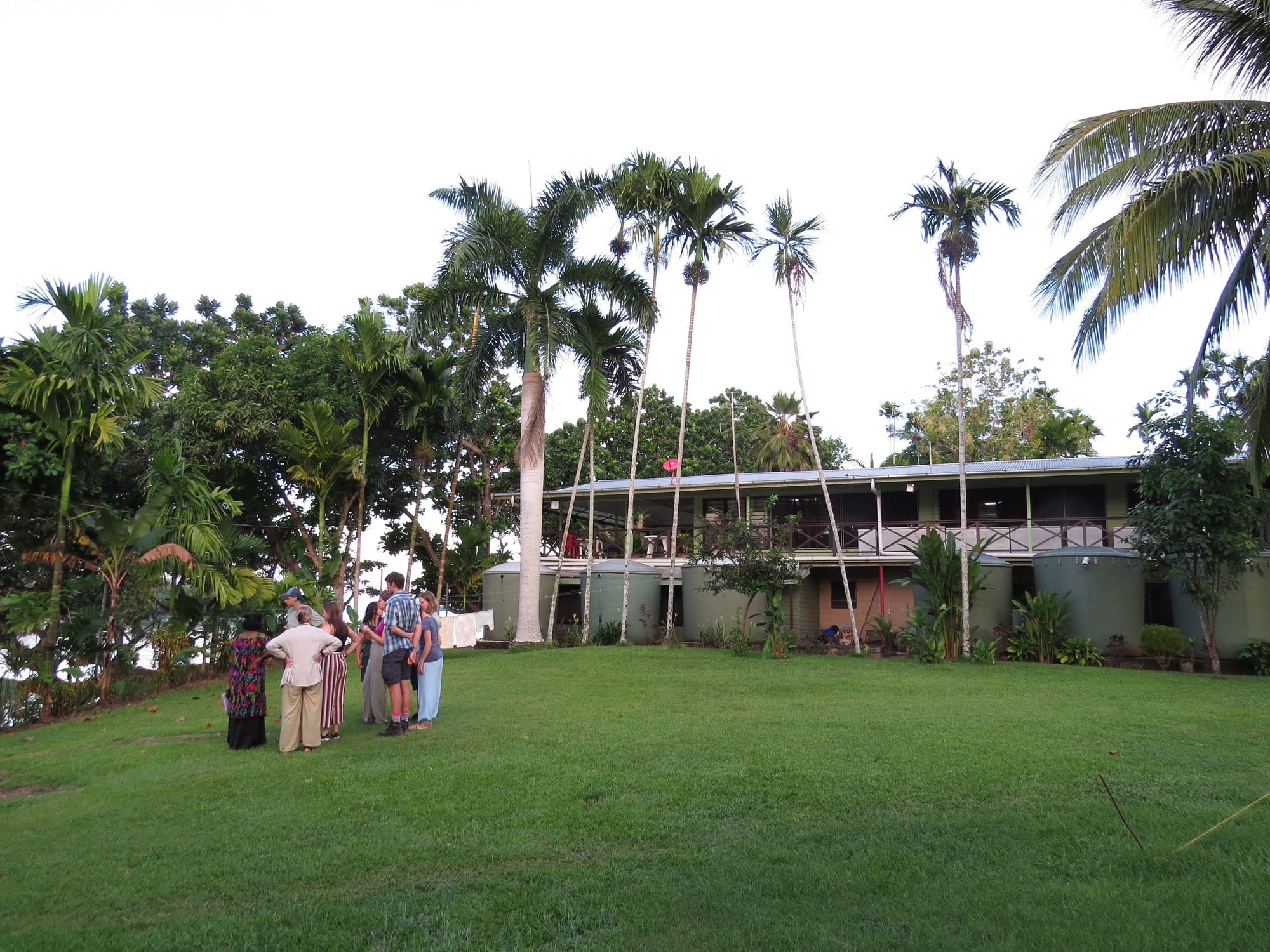
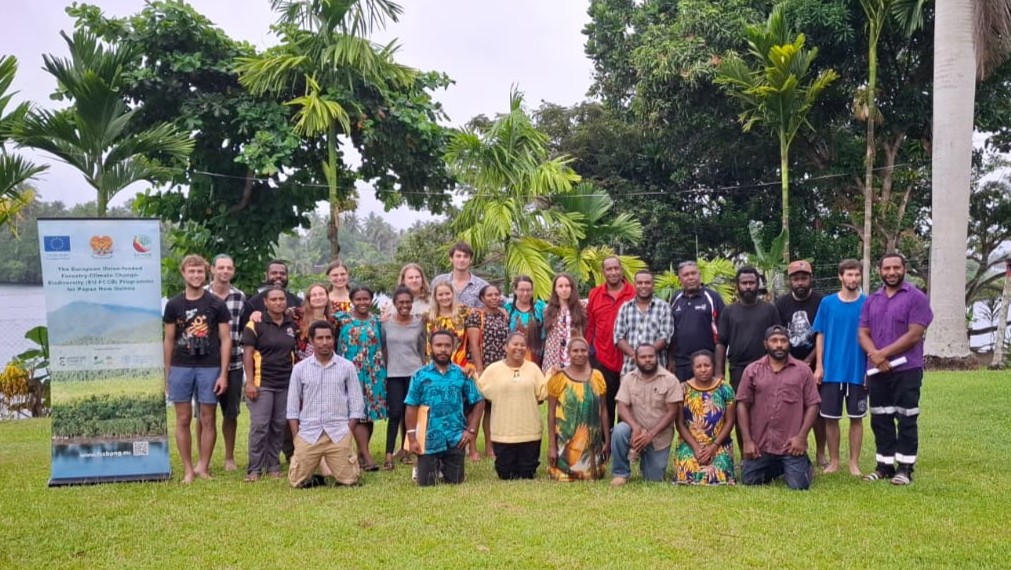
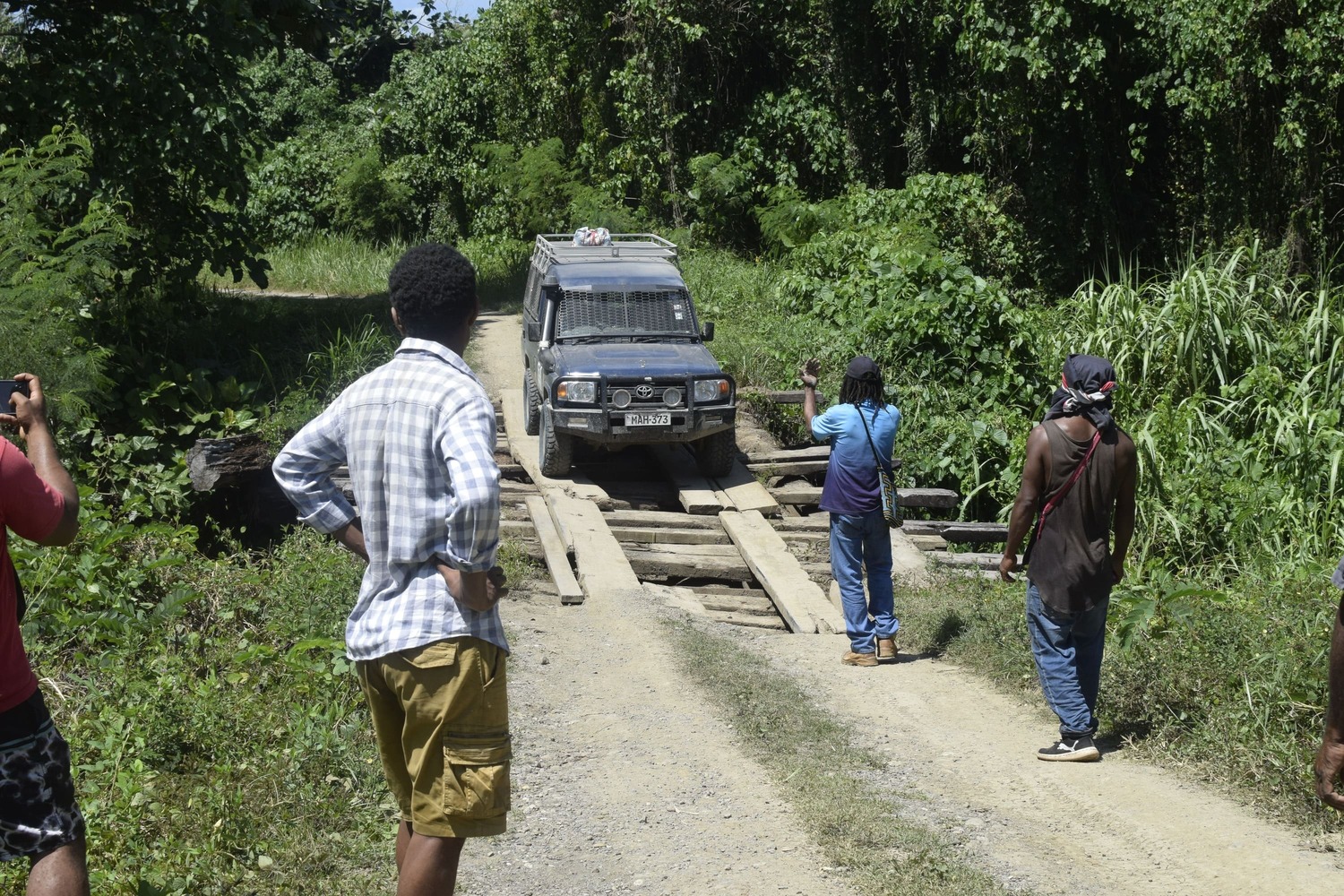
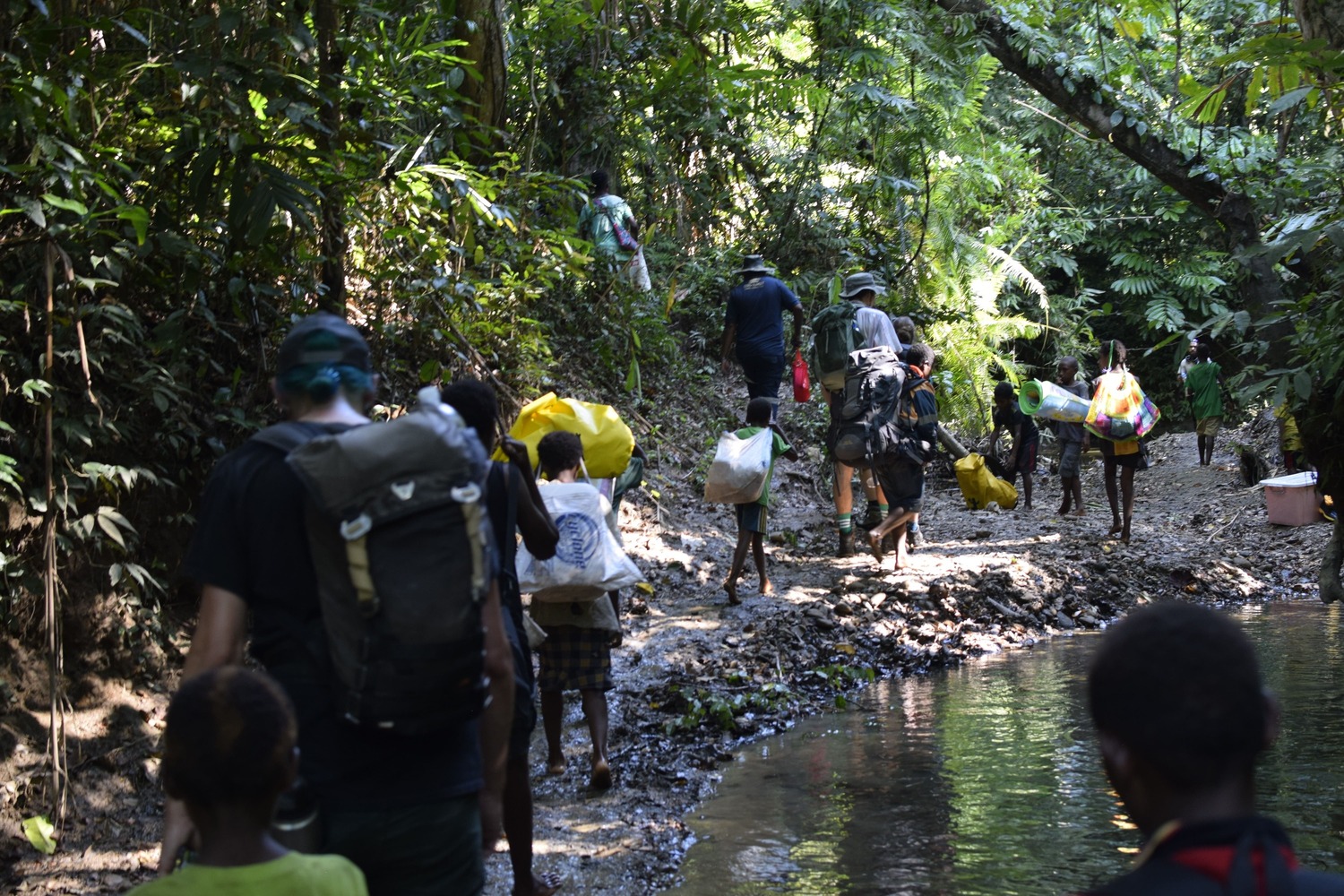
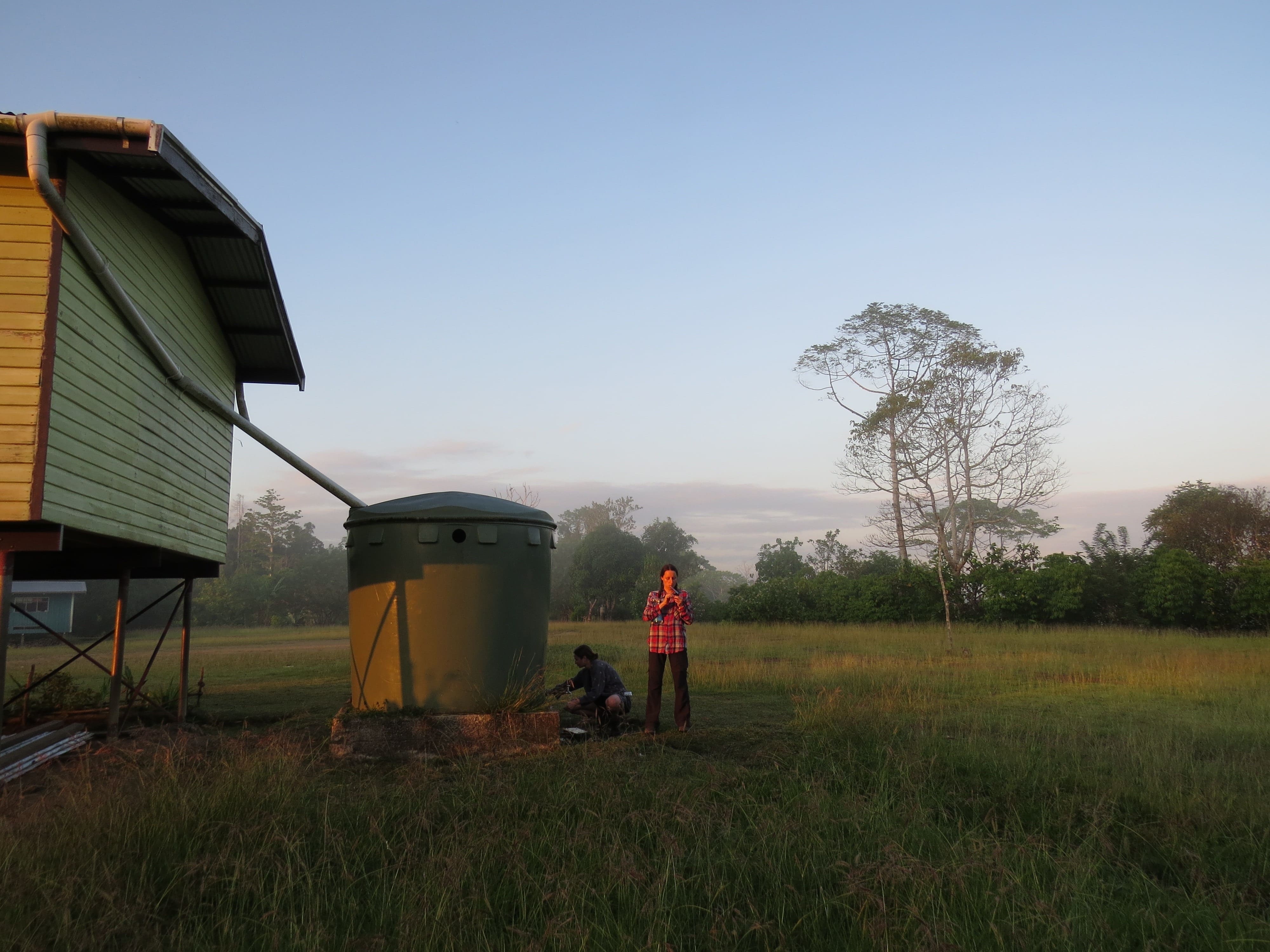
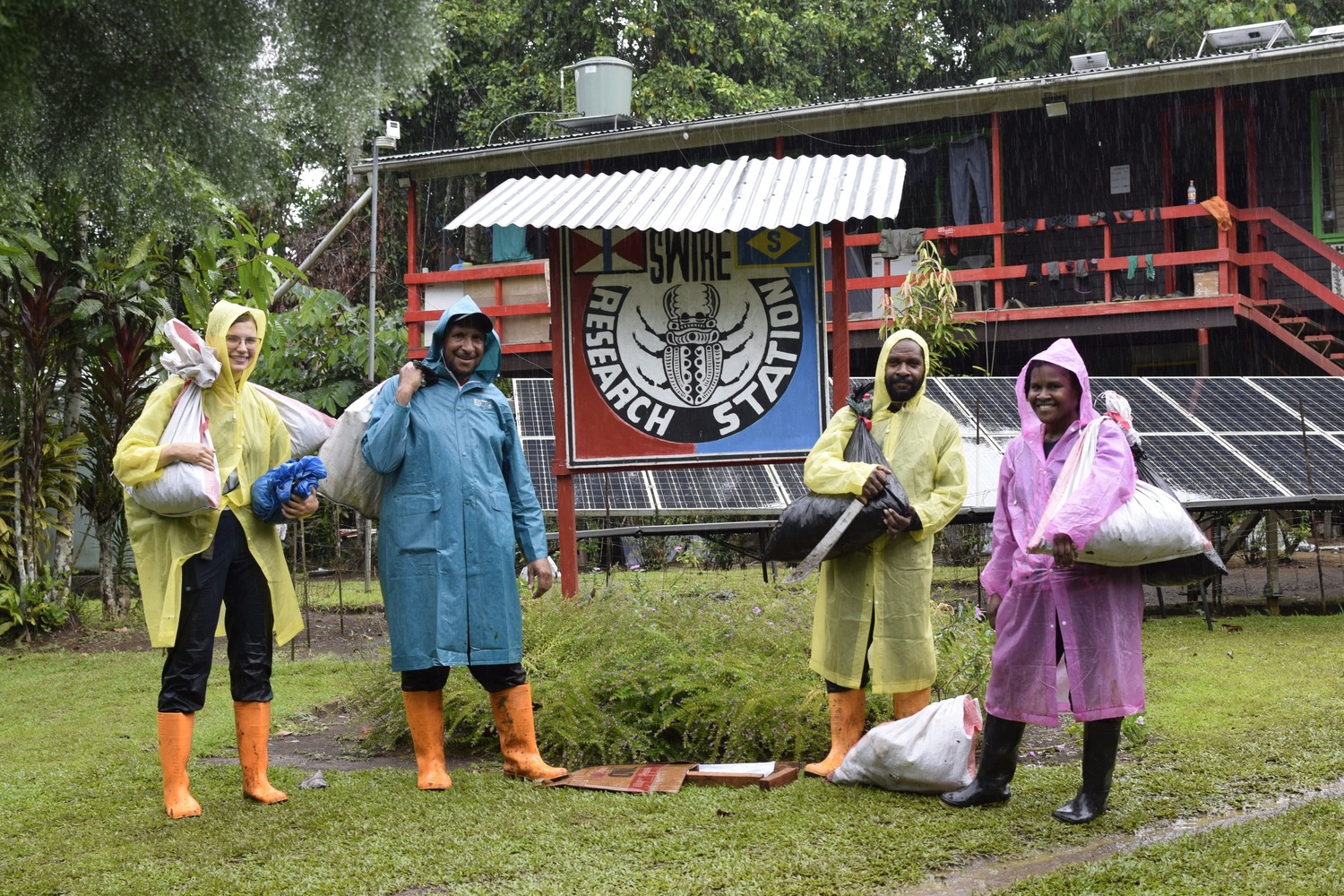
The journey to Papua began with a two-day flight across eight time zones. The last domestic flight (Fig. 1) took us to Madang, the capital of the province where we spent the entire course from July 31 to August 28, 2025. Not far from the city lies the Binatang Research Centre (BRC) (Fig. 2), where we met the Papua-New Guinean students with whom we shared the course (Fig. 3). After acclimatizing to the local time and climate, all twenty-eight students, ten Czech and eighteen PNG, set off for the rainforest, where the main part of the course was to take place. The Swire Research Station is located near the village of Wanang, and at this point, the village cannot be approached by car (Fig. 4). We therefore had to walk a considerable part of the route, but fortunately, carriers from nearby villages helped us carry our heavy field equipment, luggage, and supplies (Fig. 5). We spent the night in Wanang at the local school, where we filled our bottles with rainwater at dawn (Fig. 6) and continued our way. In the sweltering heat, we reached Swire Station and settled in – two weeks of fieldwork awaited us (Fig. 7).
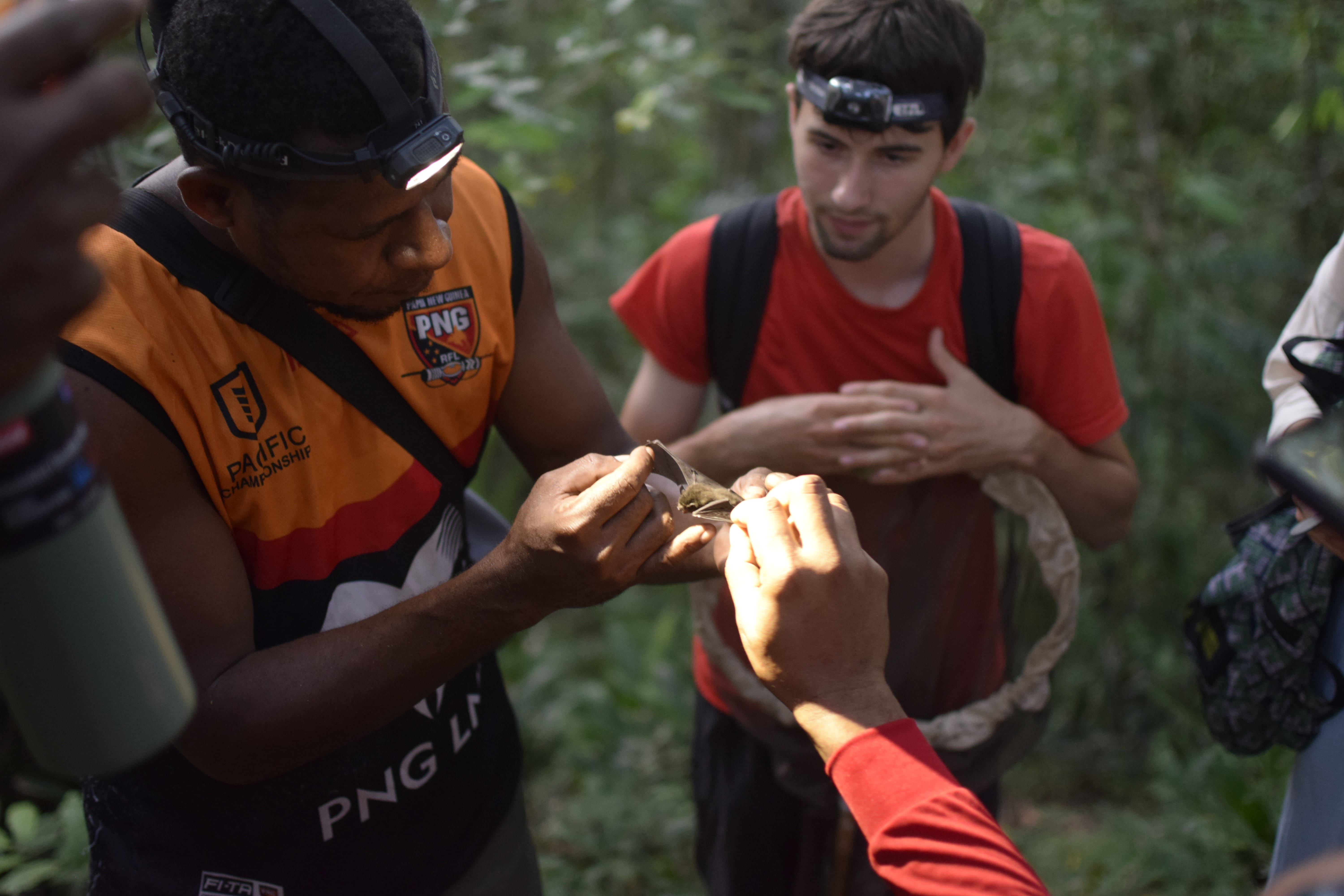
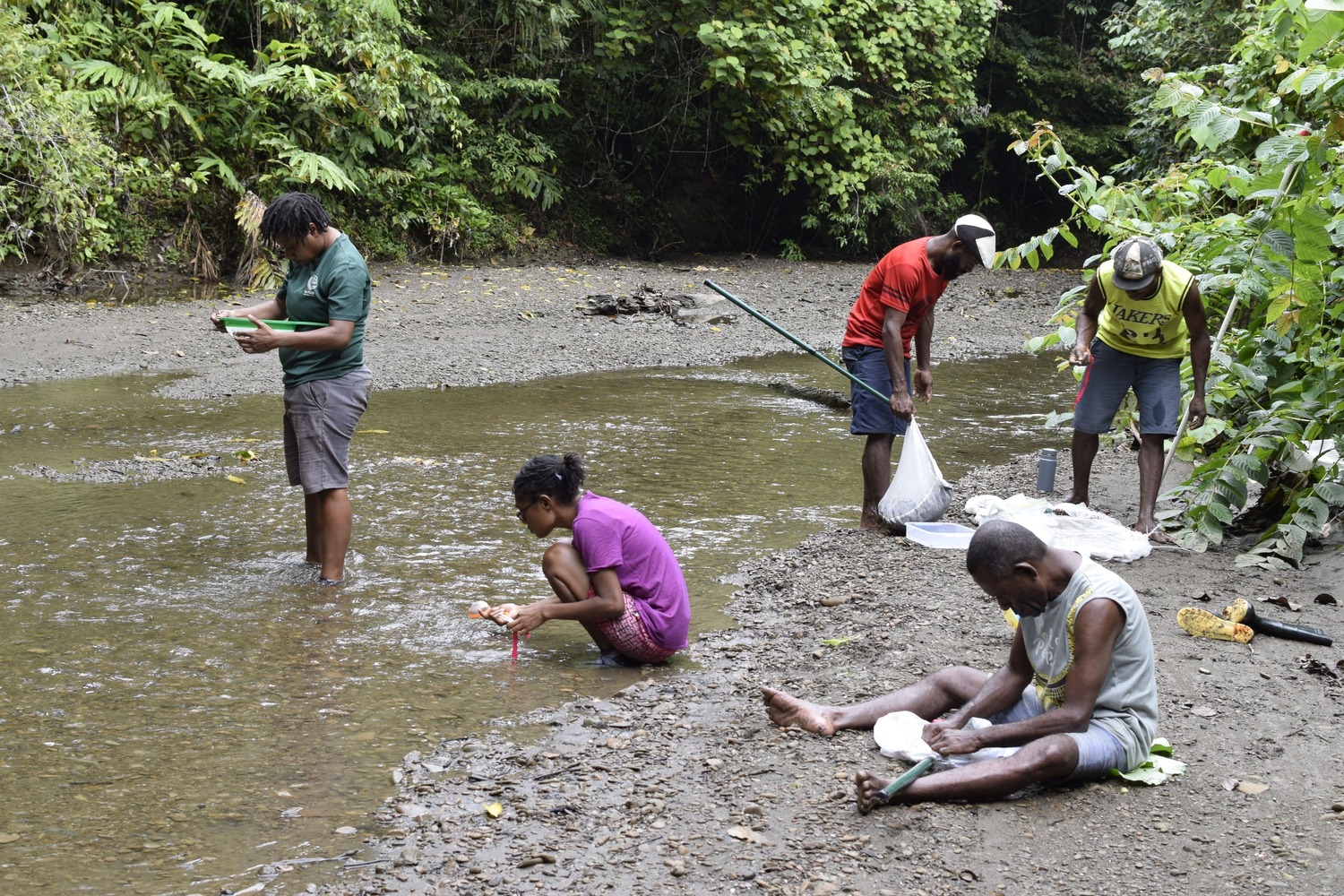
The course involves developing our own projects in groups composed of Czech and local students. This year's edition had eight groups, each studying different organisms. Most of the projects – ornithological, herpetological, hydrobiological, and two entomological (beetles and butterflies) – focused on comparing biodiversity between different habitats. One group monitored the occurrence of termites, and the remaining two focused on succession and relationships between ants. The groups were assisted by local experts, without whom the projects would have been difficult to carry out, whether it was species identification or hard fieldwork (Fig. 8). We experienced what it is like to work in tropical conditions (Fig. 9) and discovered the incredible biodiversity of Papua-New Guinea.
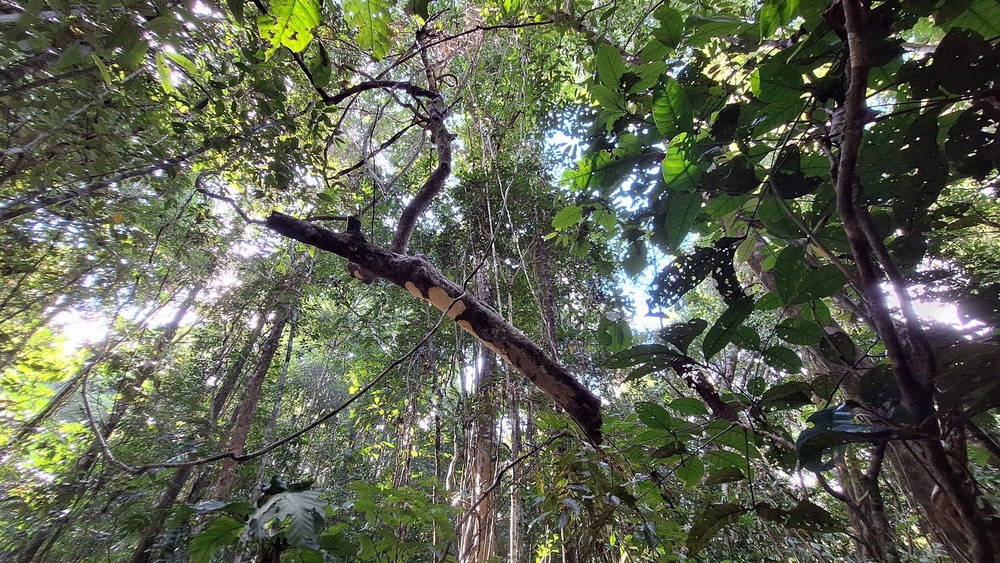
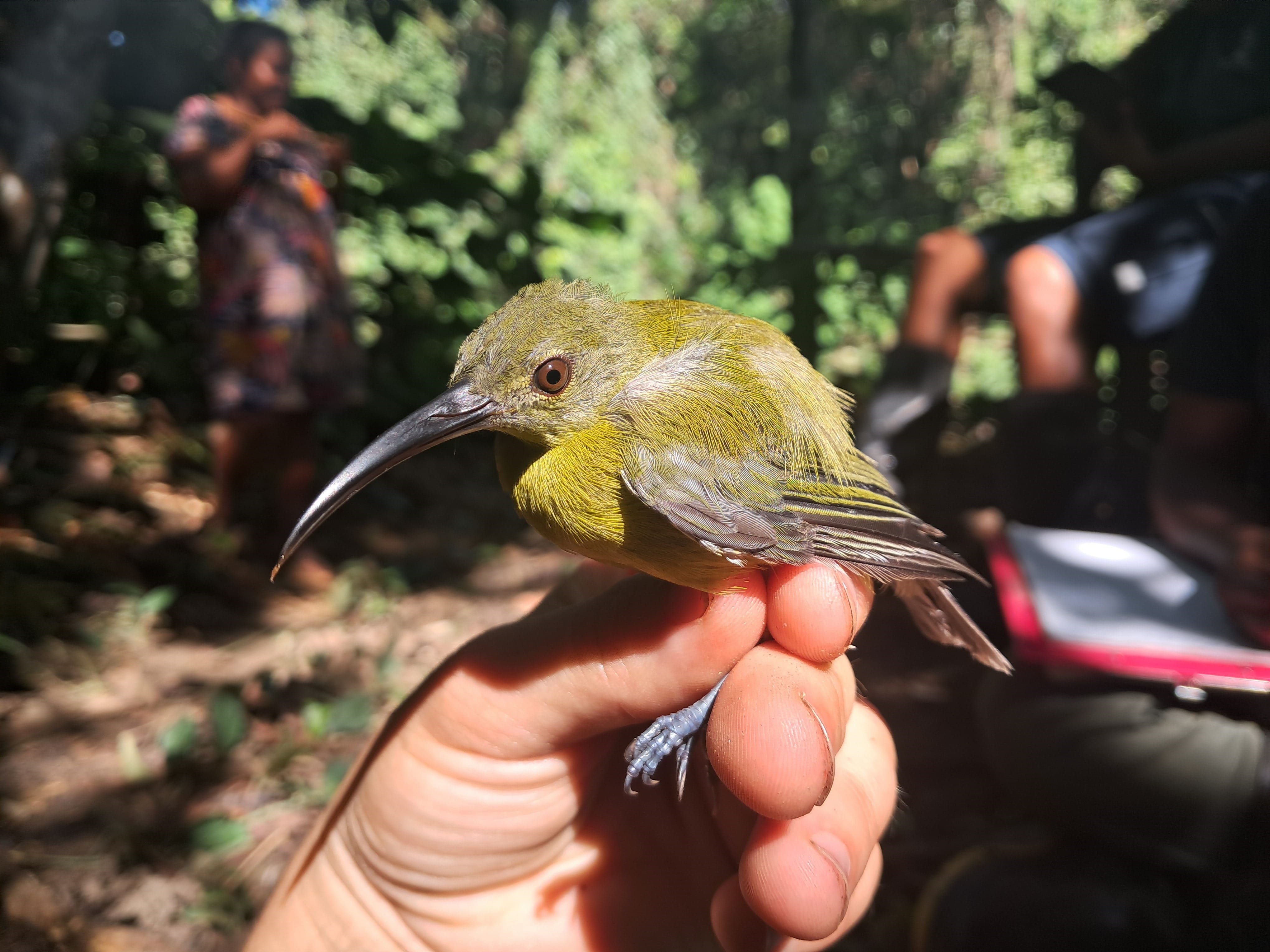
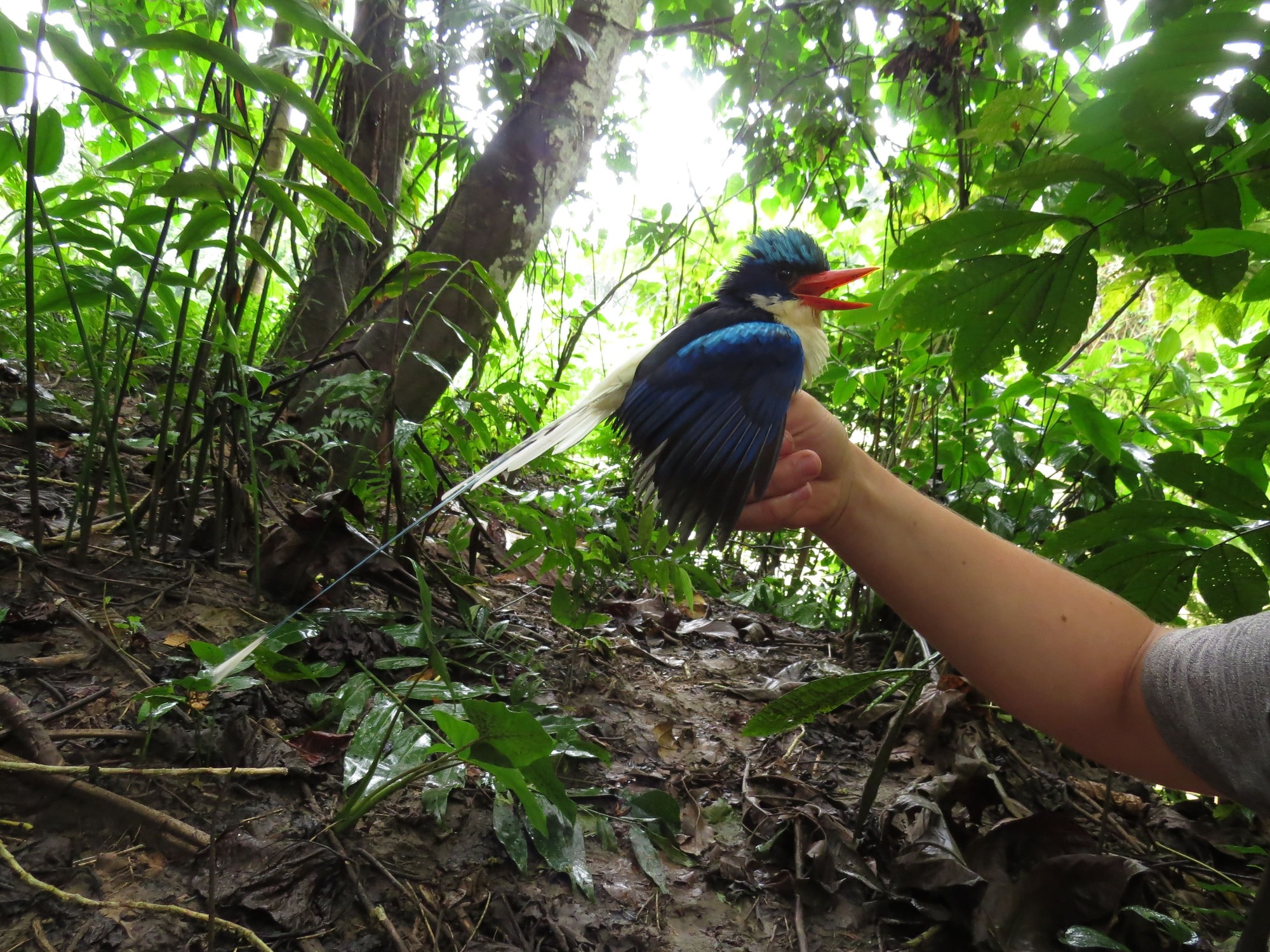
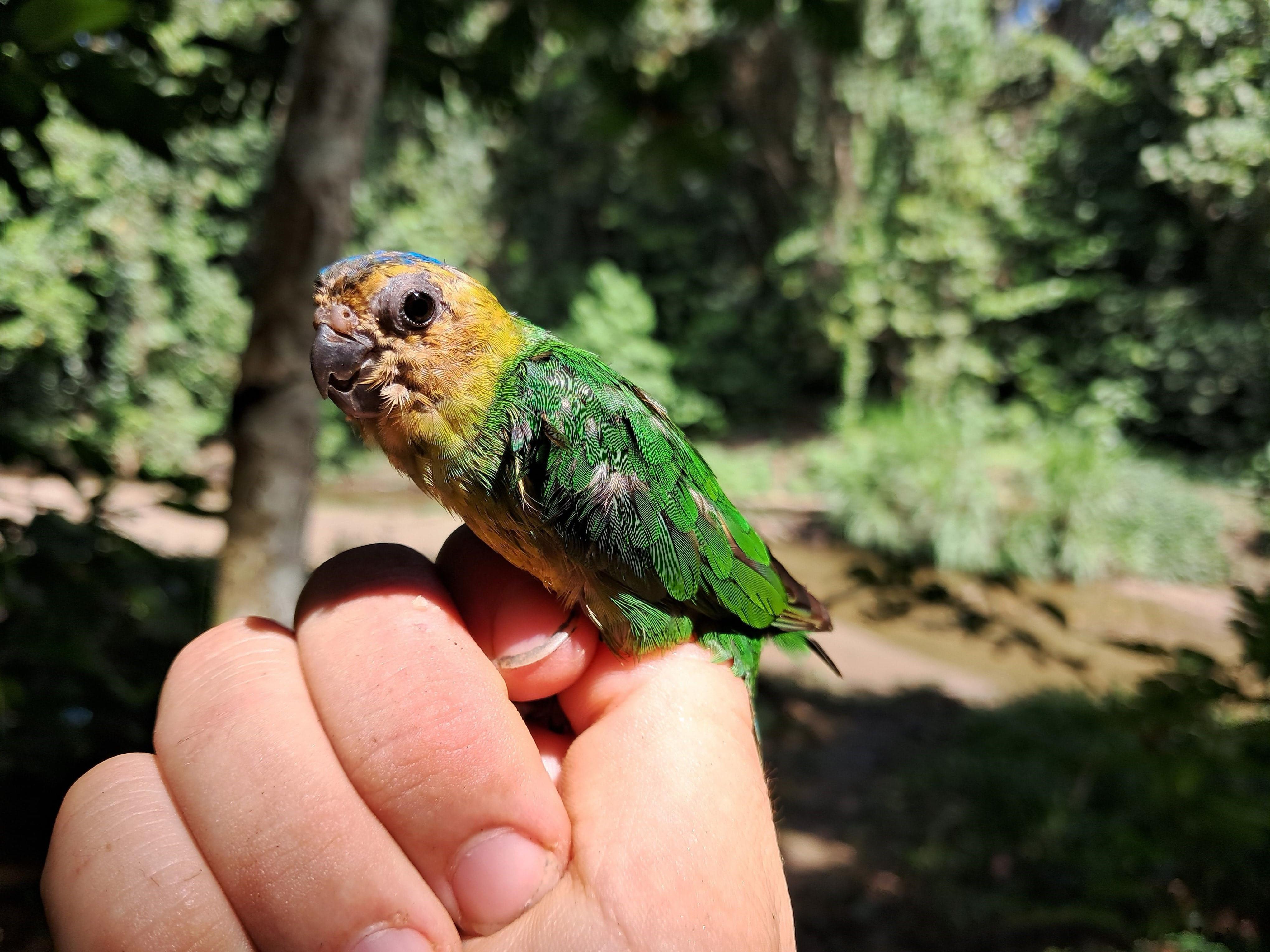
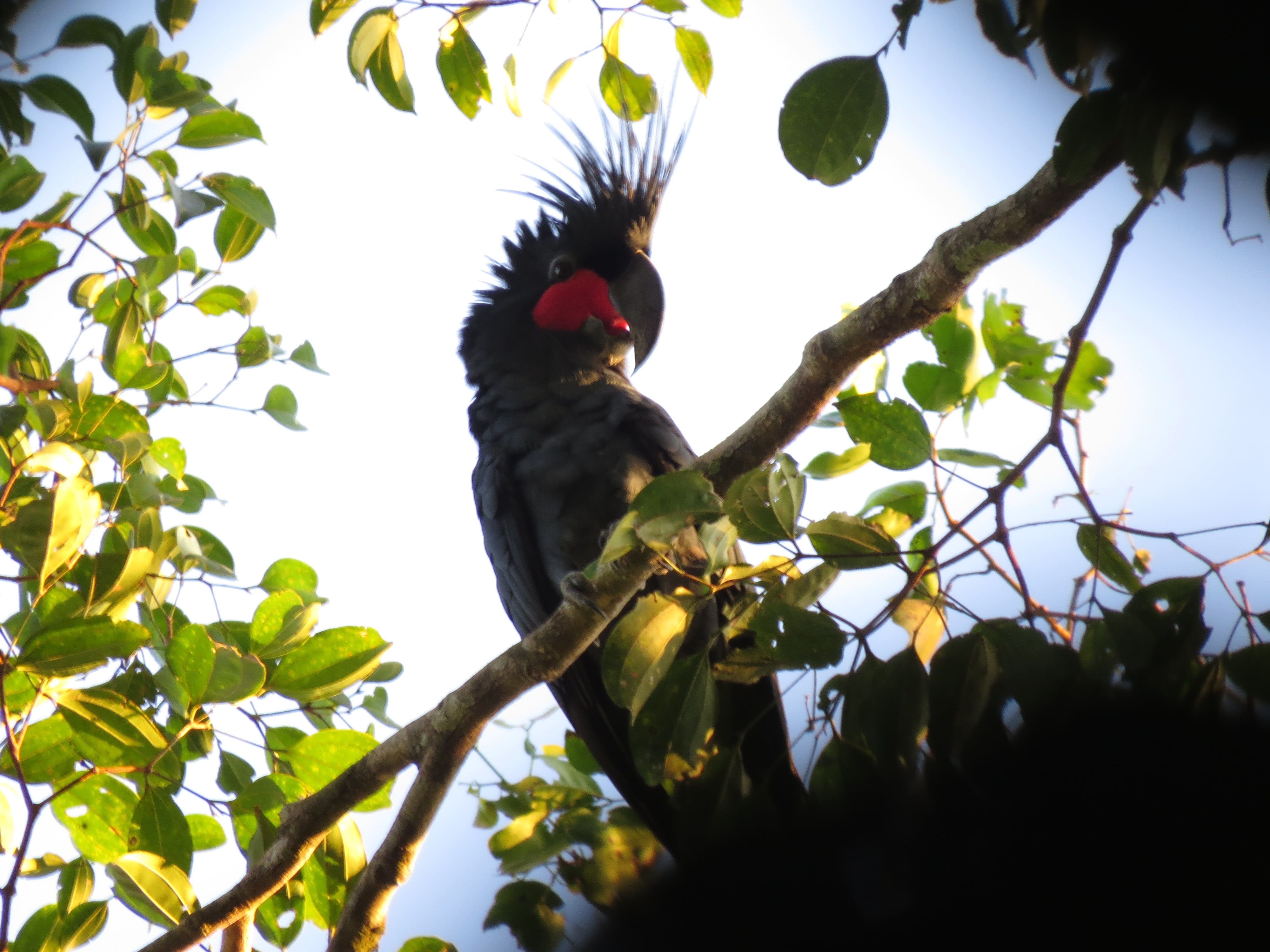
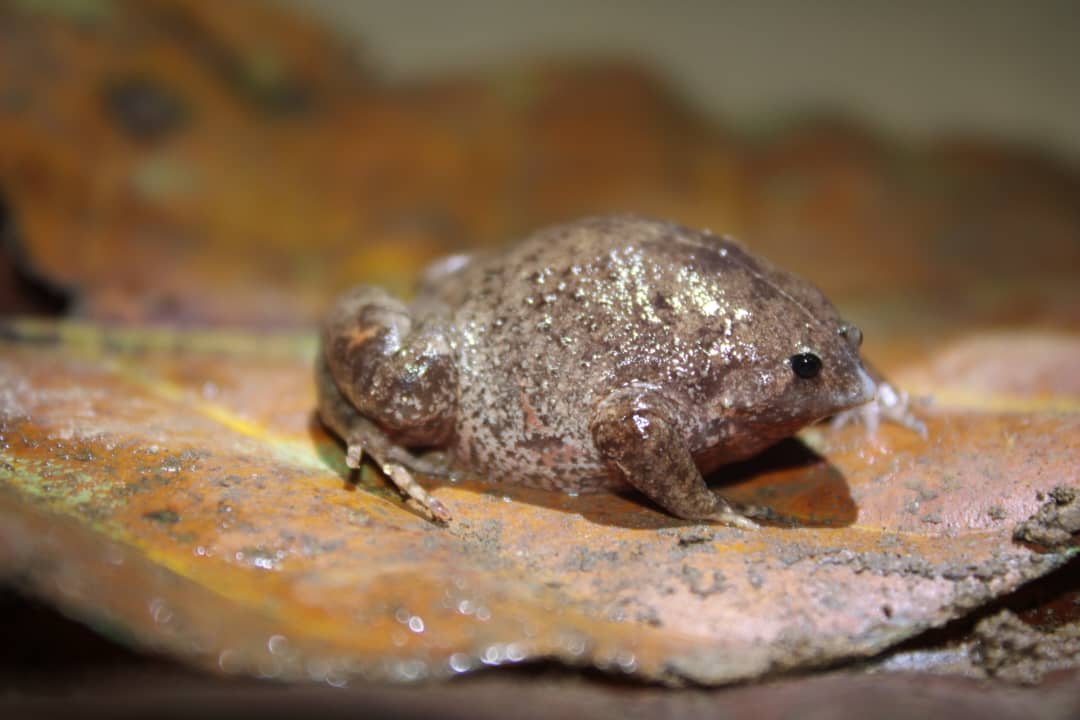
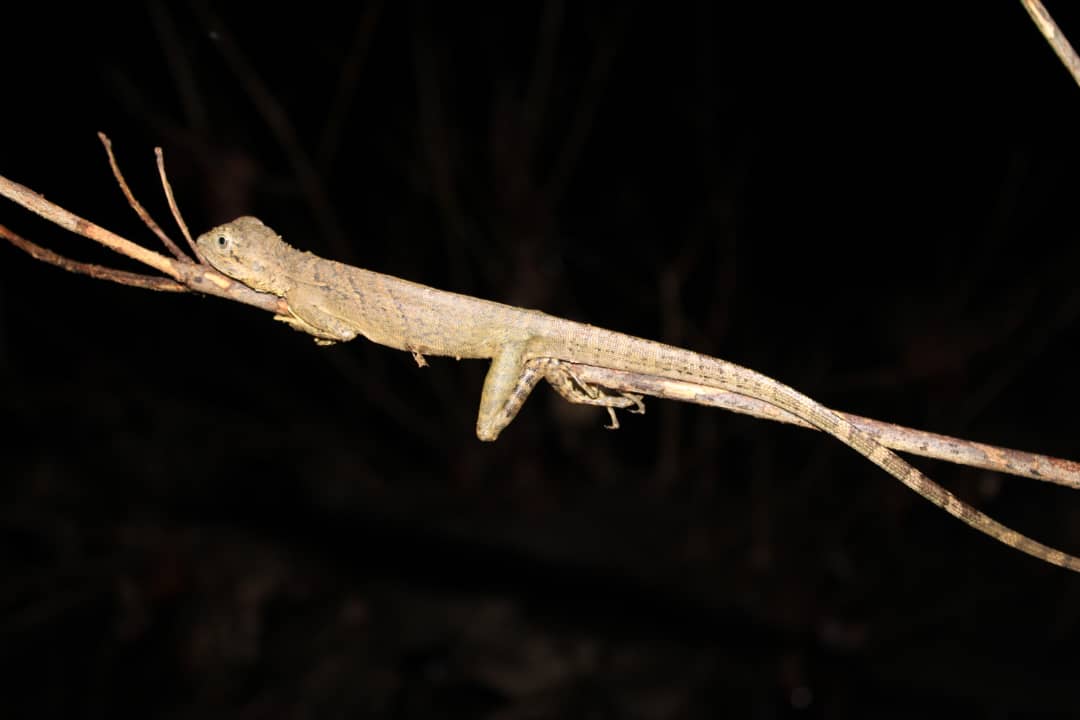
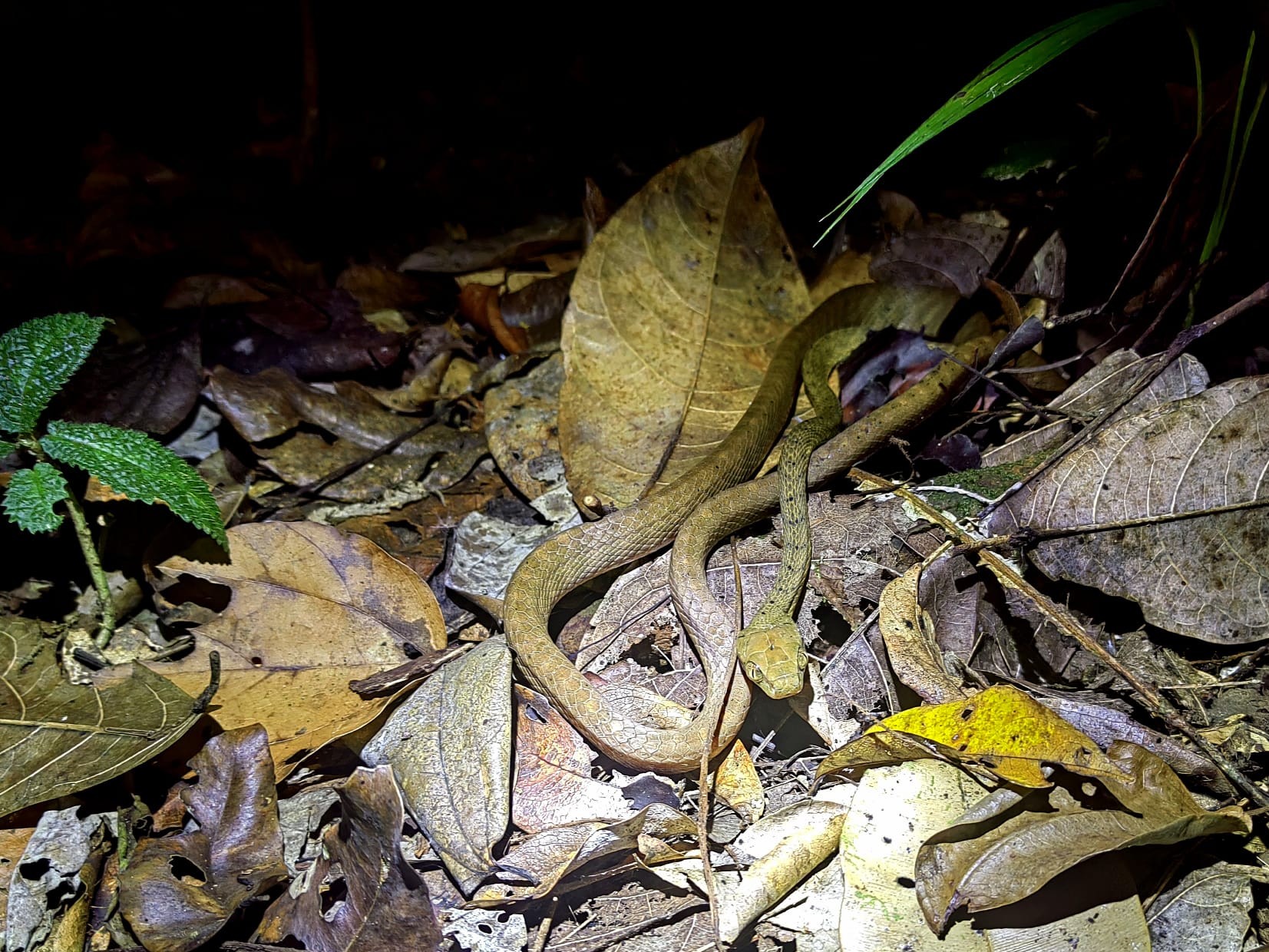
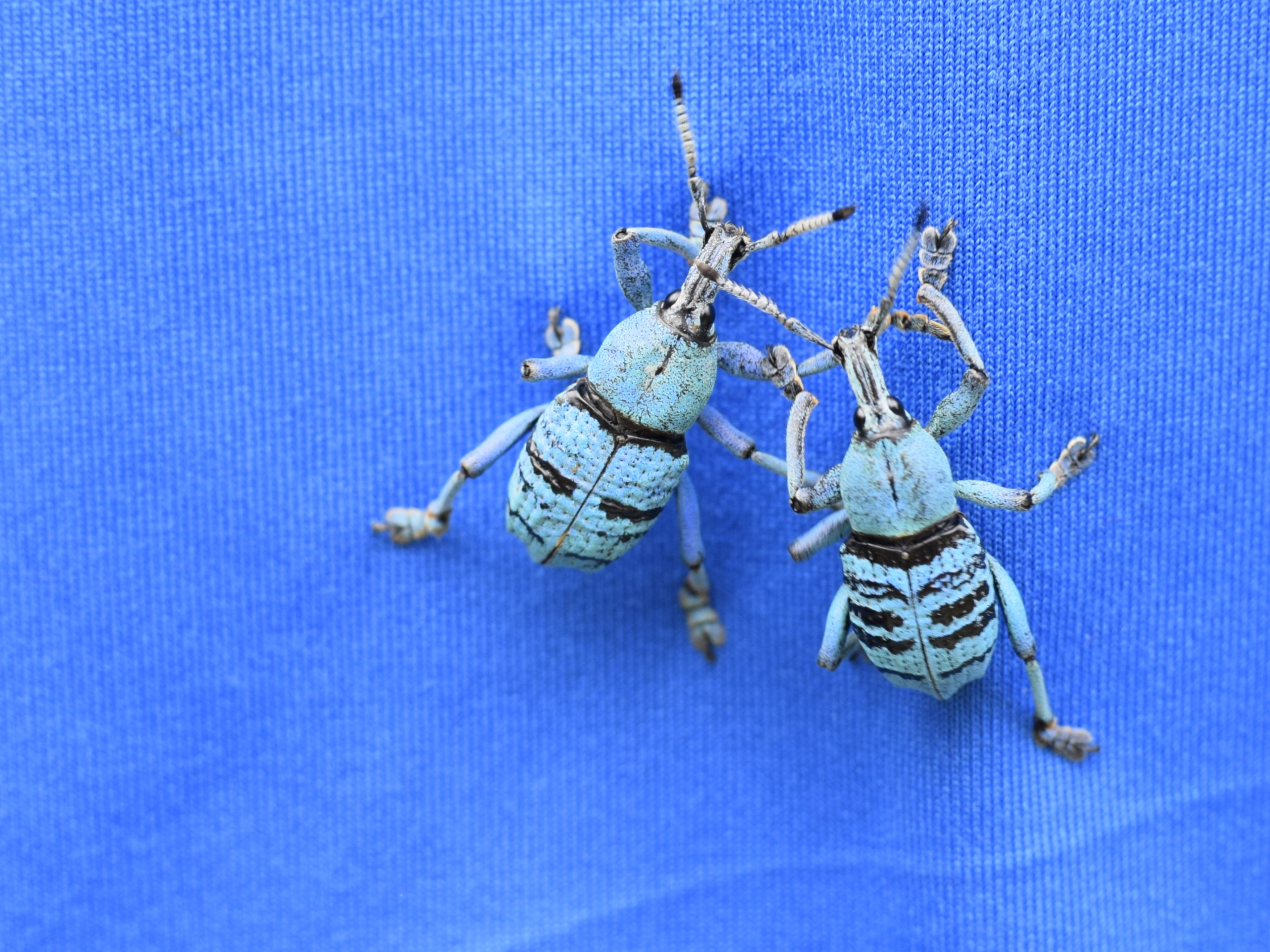
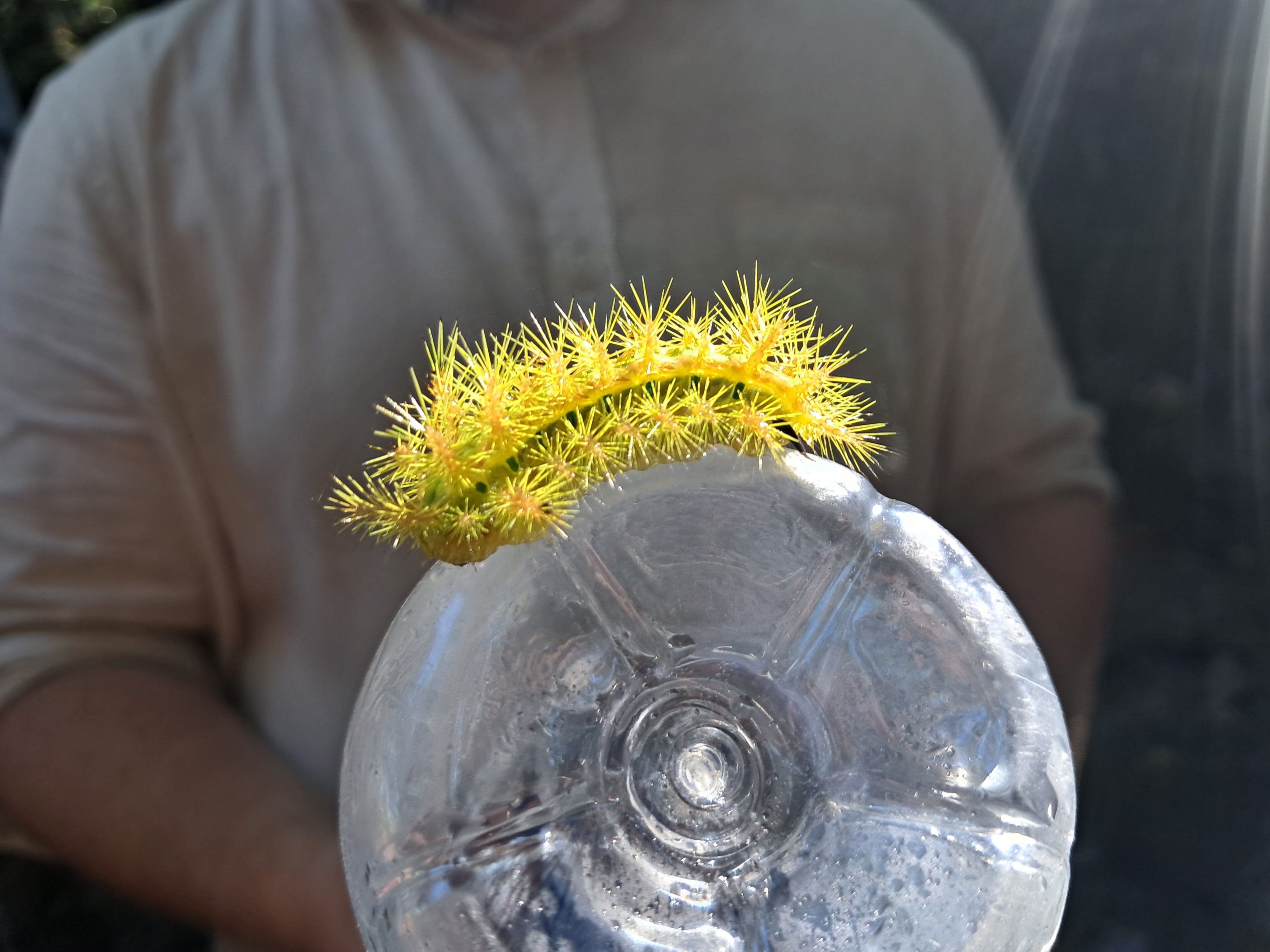
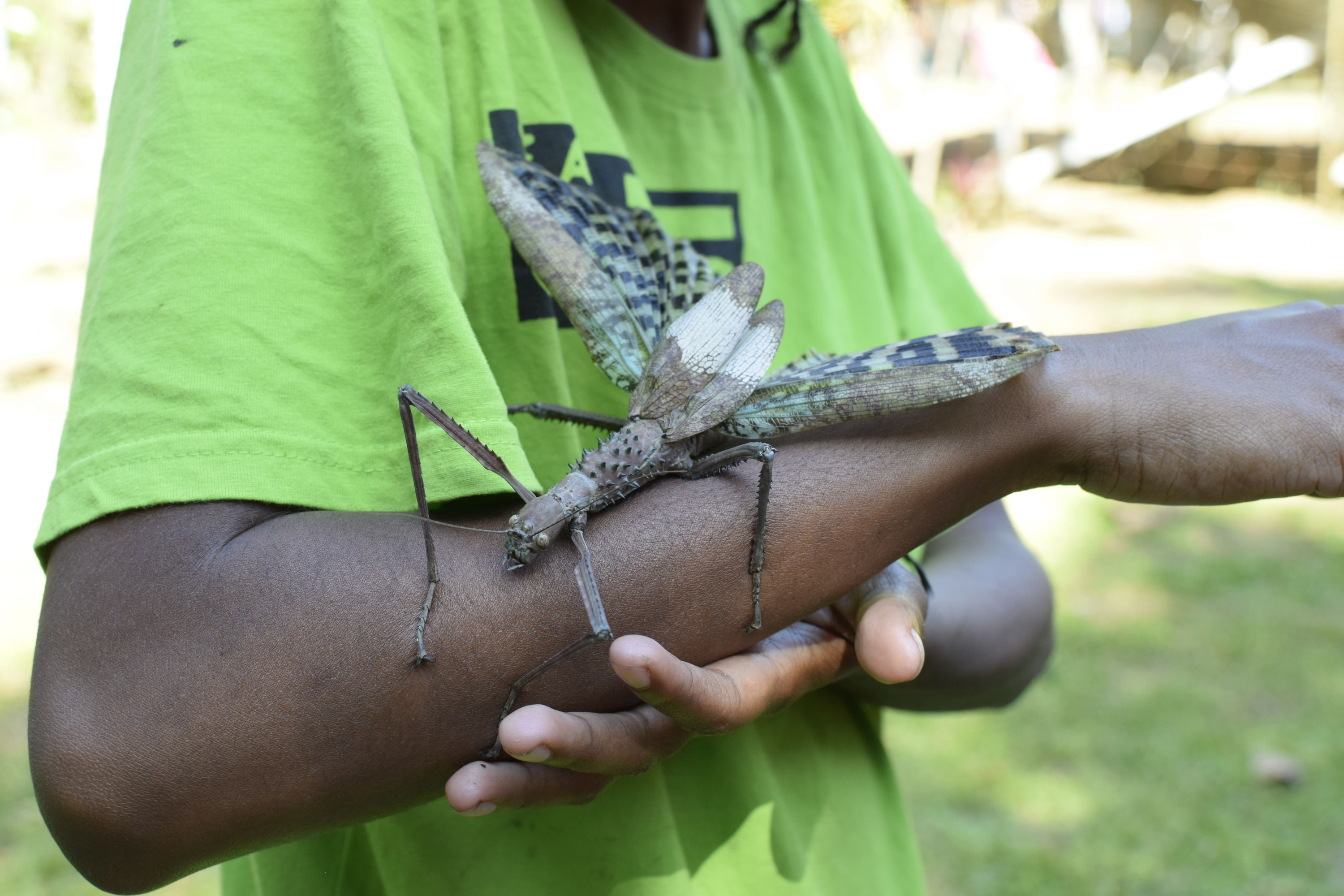
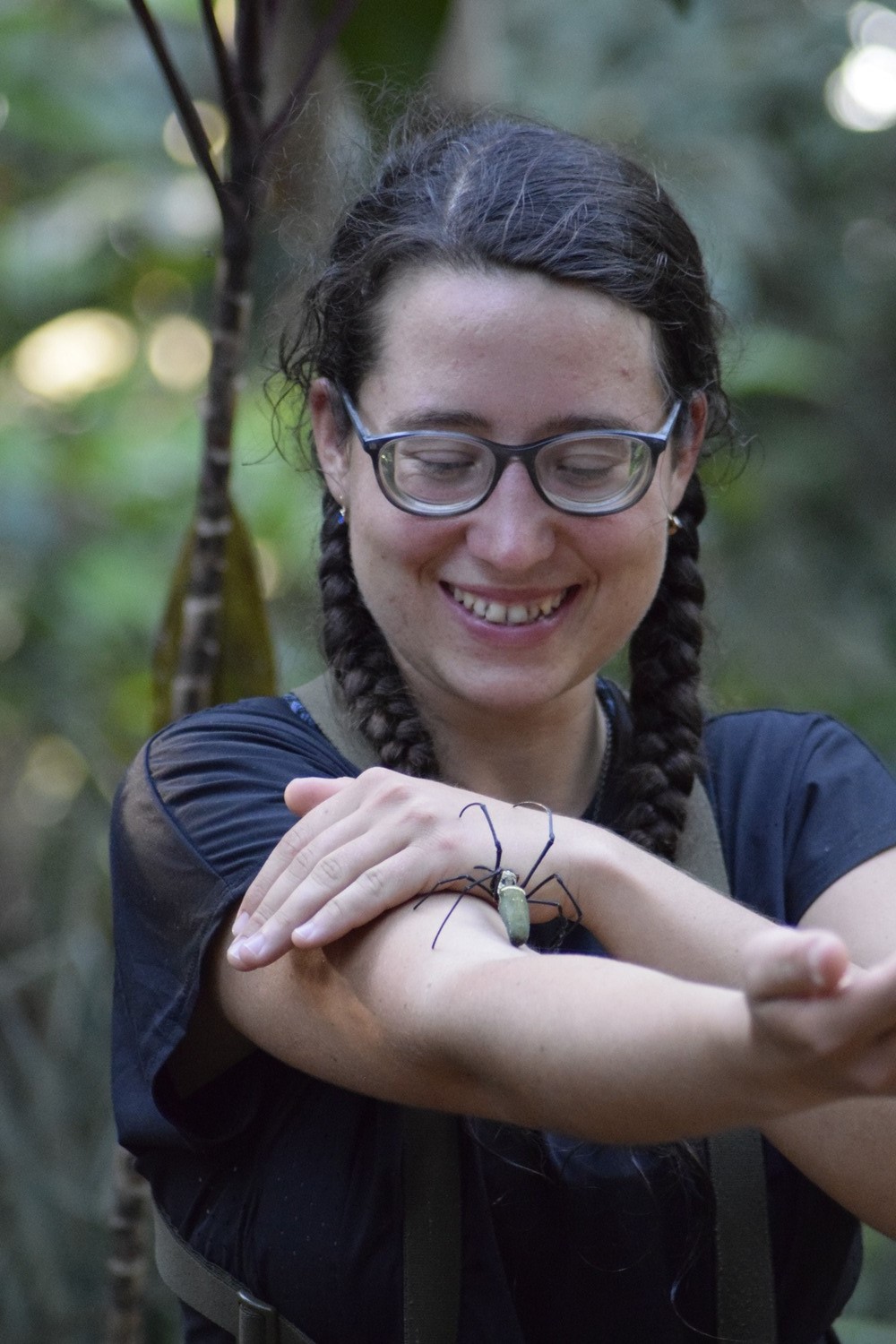
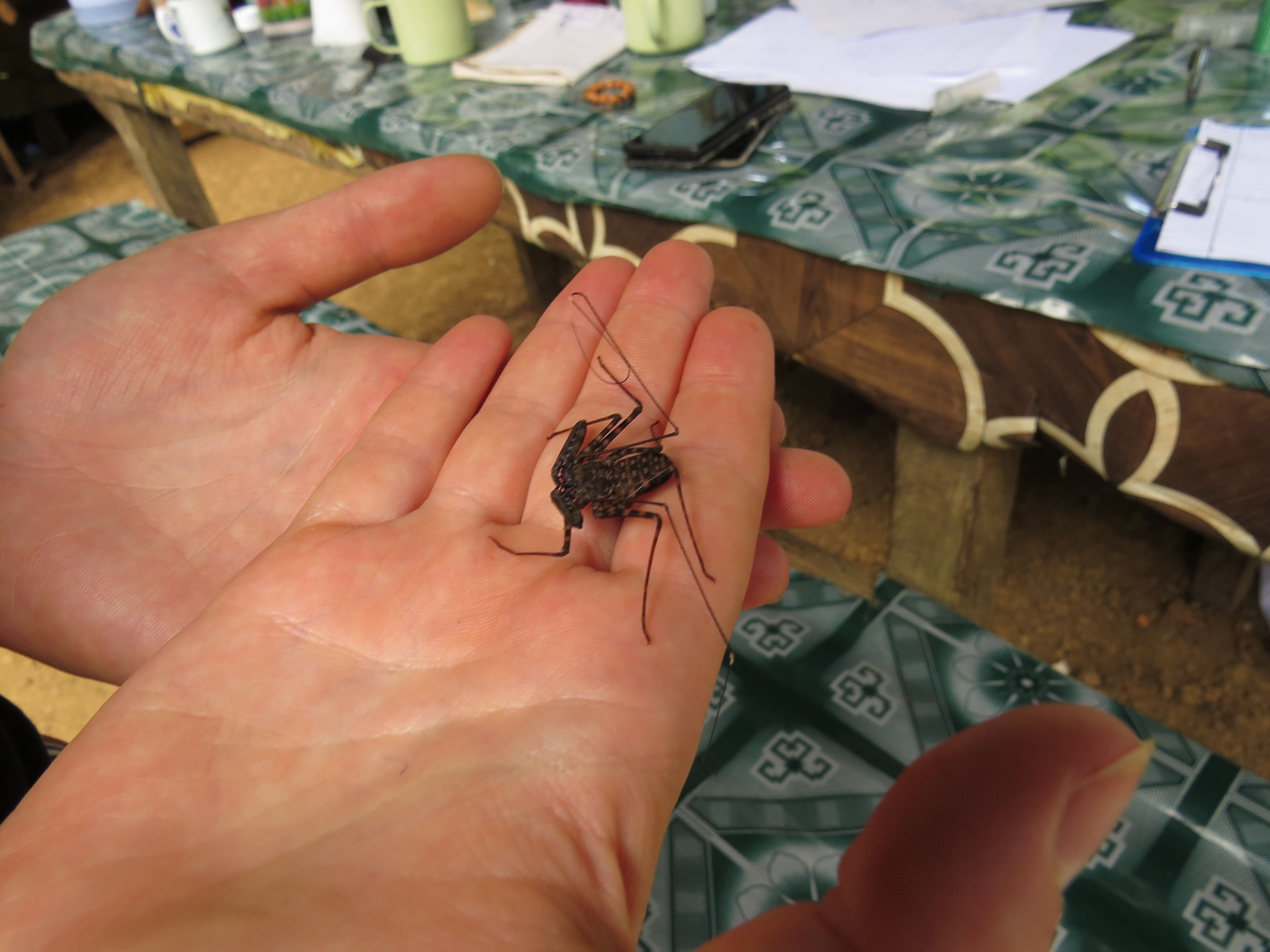
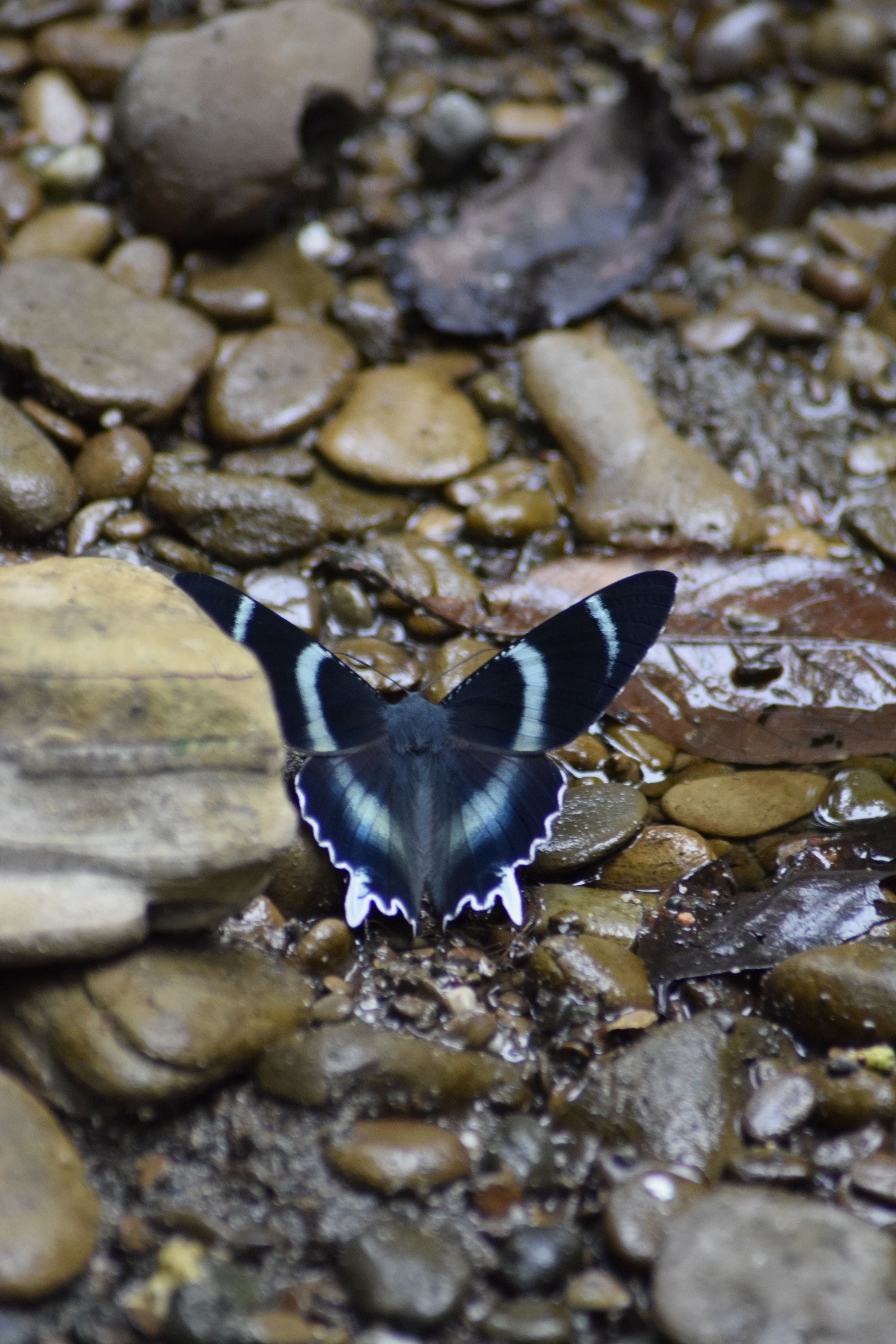
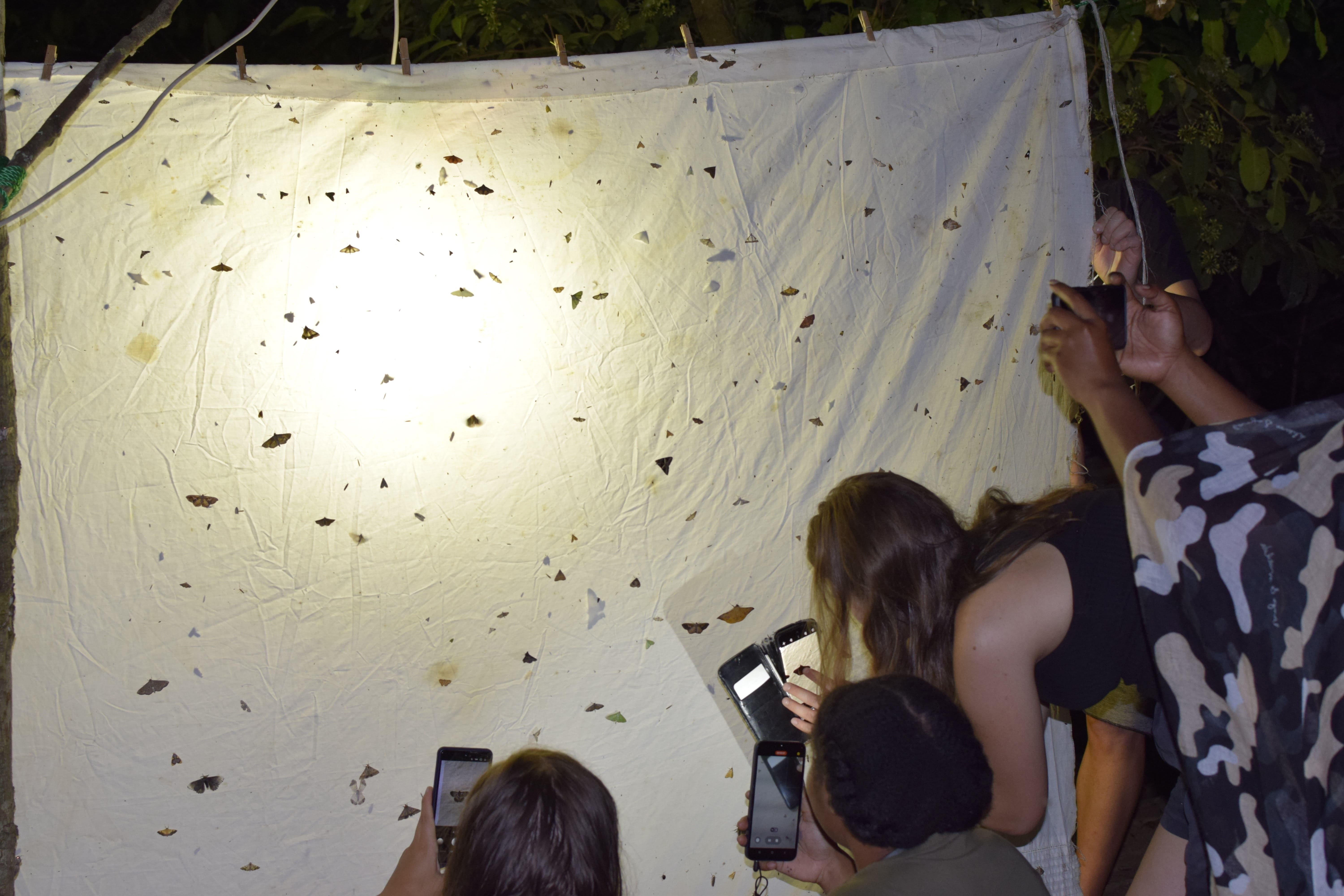
The rainforest was dominated by large trees with wide roots, and ubiquitous lianas hung down from the heights of their branches (Fig. 10). The ornithologists among us were definitely in their element when they managed to catch a yellow-bellied longbill (Fig. 11), a long-tailed kingfisher (Fig. 12), and a buff-faced pygmy parrot (Fig. 13). And as if that weren't enough, birds of paradise, hornbills, and palm cockatoos paraded above their heads (Fig. 14). The herpetology group also did not leave the forest disappointed, encountering many different frogs (Fig. 15), as well as various reptiles (Fig. 16) such as a brown tree snake (Fig. 17). Not a day went by without someone coming to the camp to show us some "cool" invertebrate, so we got to see amazing beetles such as the iconic Eupholus (Fig. 18), caterpillars (Fig. 19), stick insects (Fig. 20), spiders such as a majestic Nephila (Fig. 21), whip-spiders (Fig. 22), and a whole spectrum of butterflies and moths (Fig. 23 and Fig. 24).
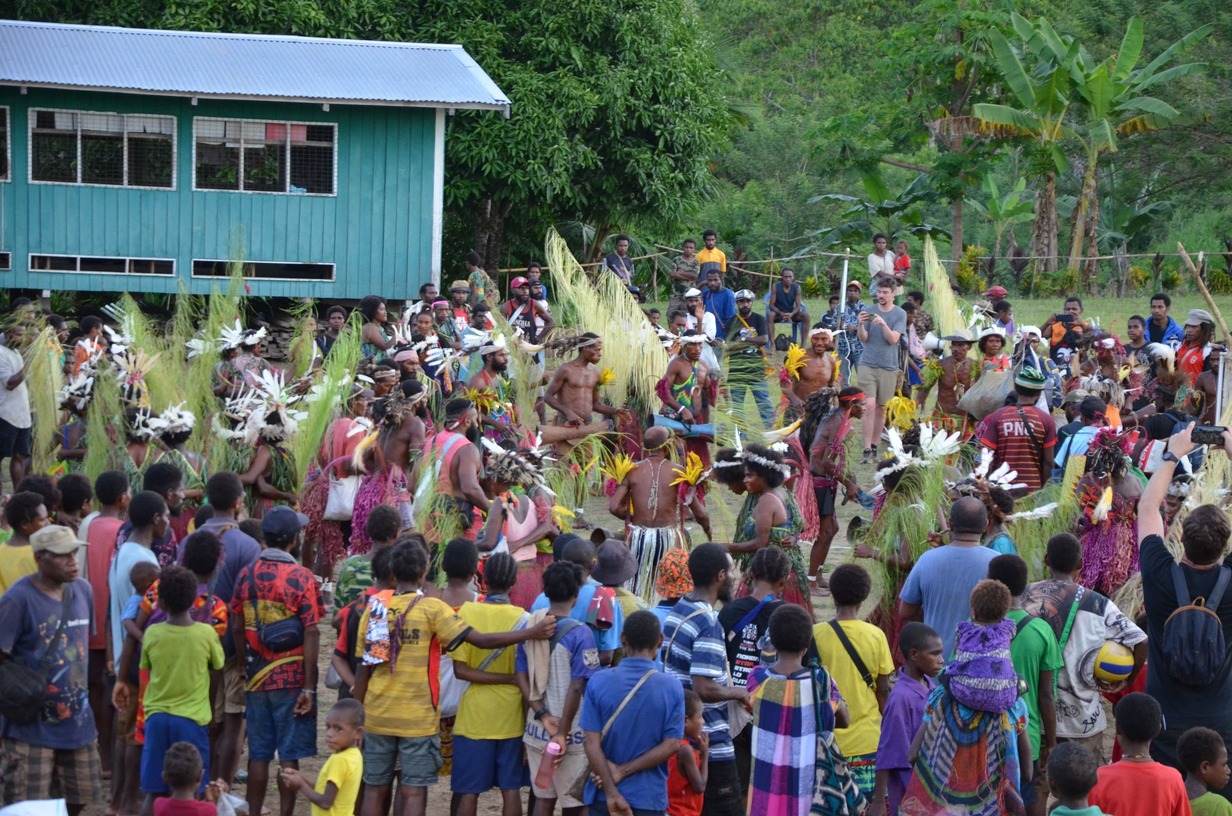
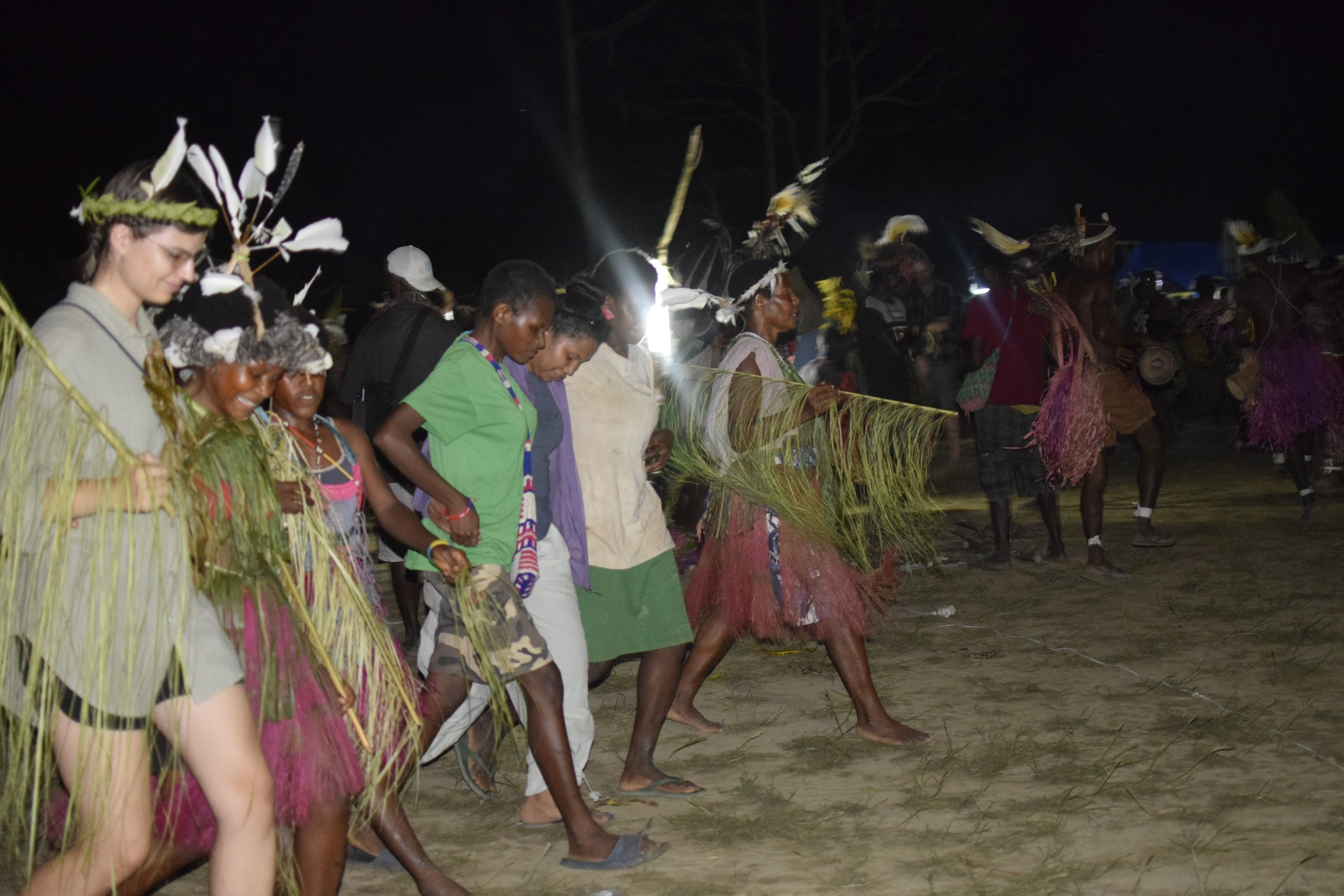
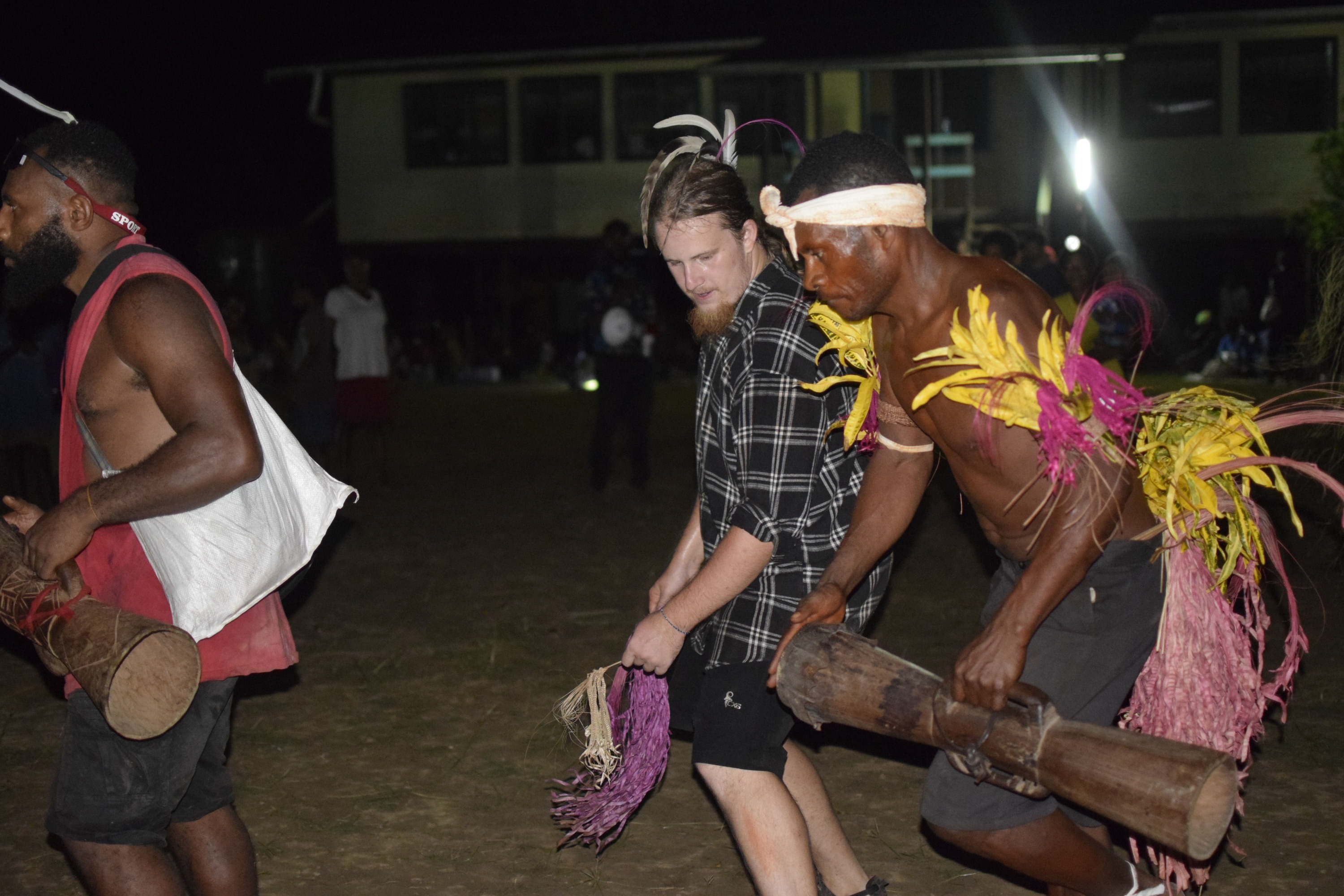
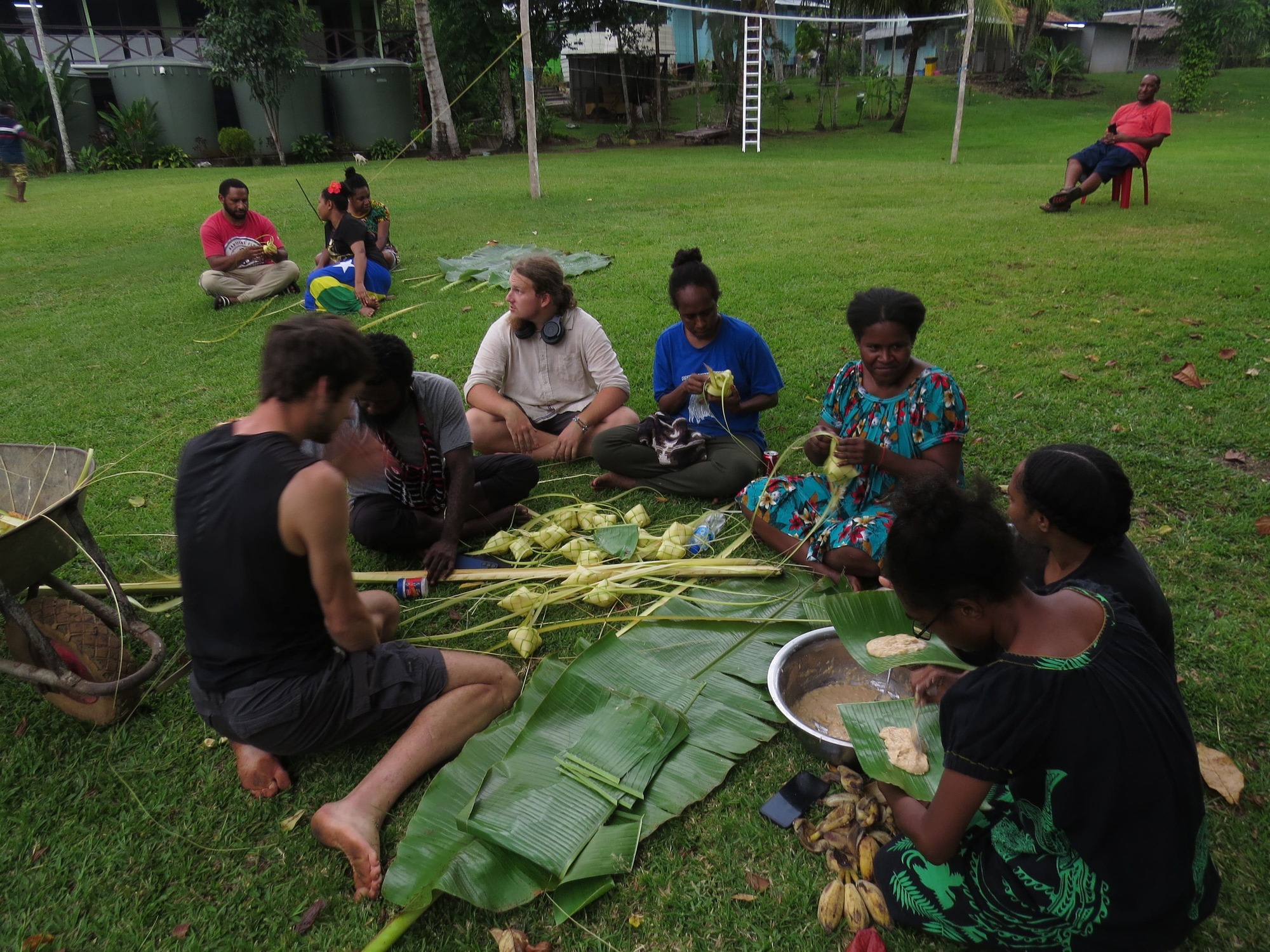
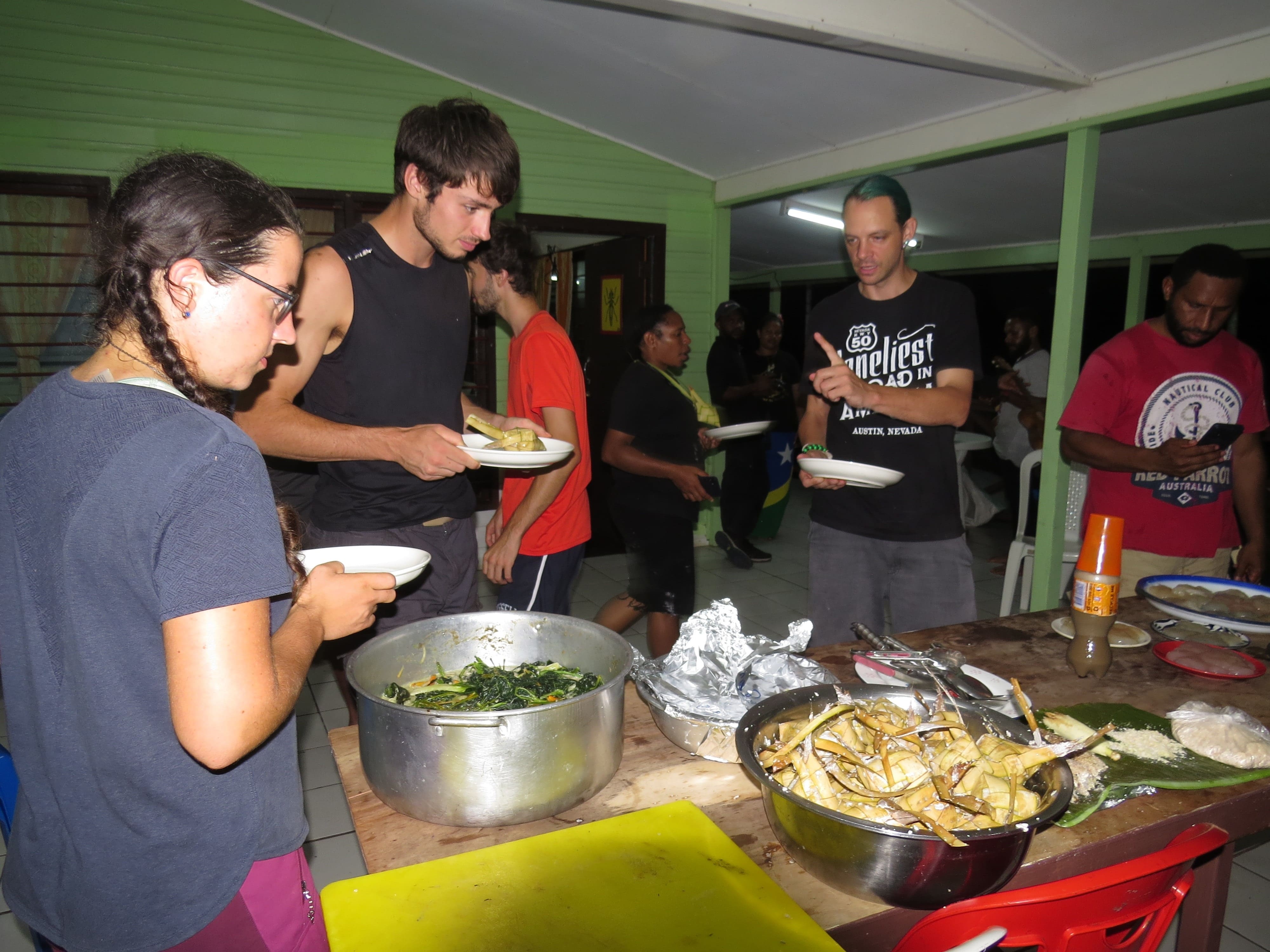
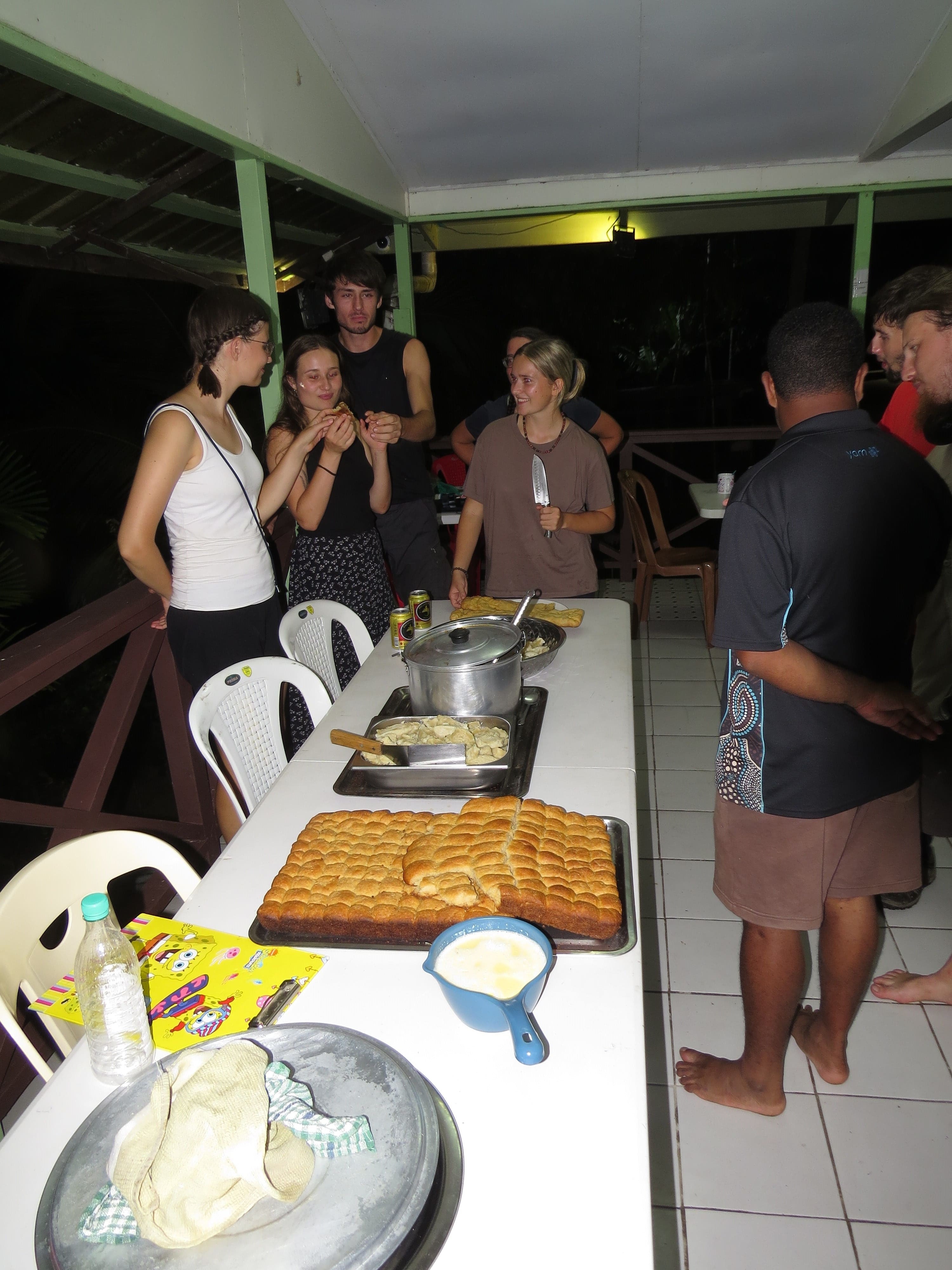
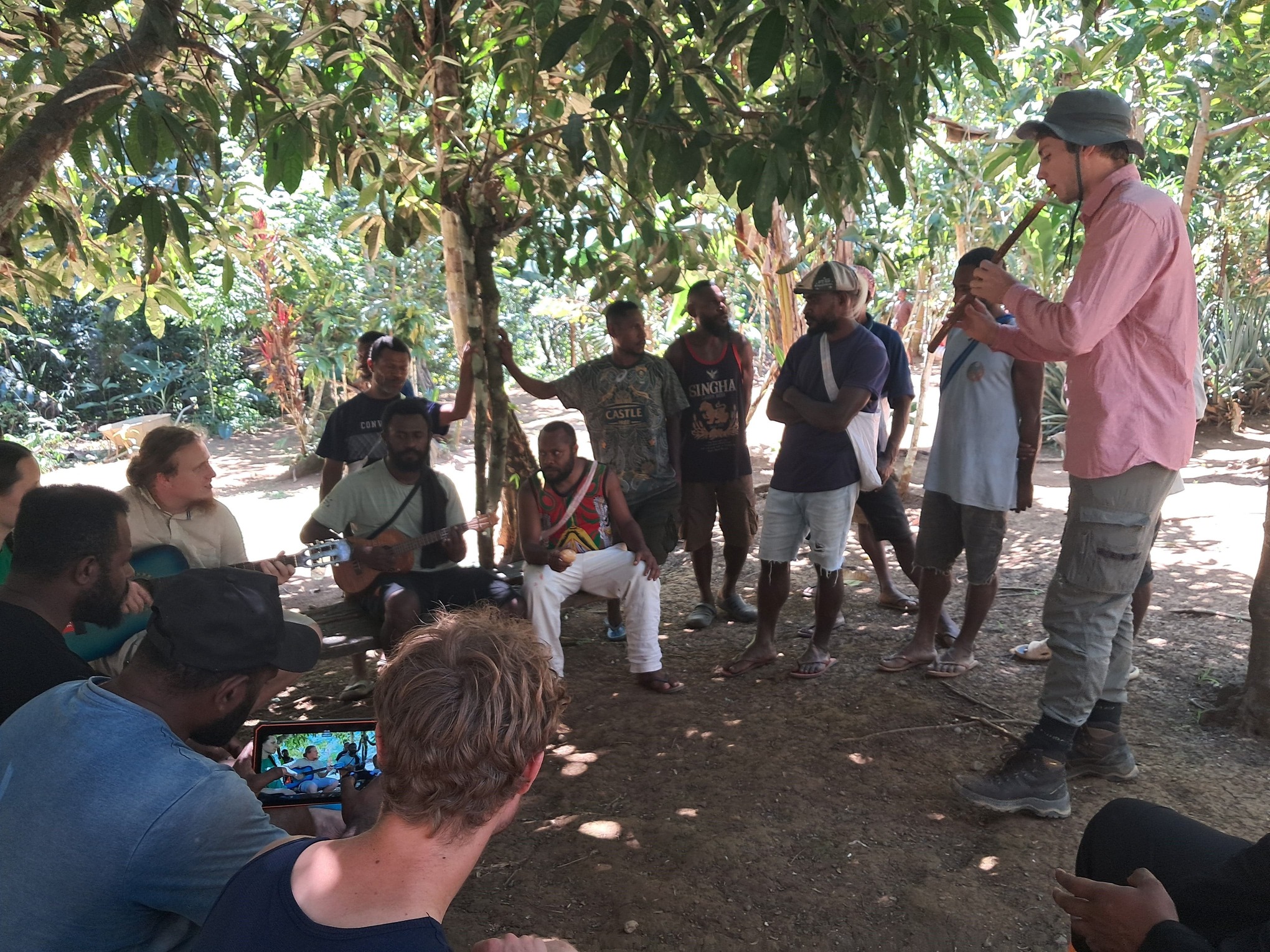
Reluctantly, we had to leave Swire Station, as a "welcome" program awaited us back in Wanang. The existence of the research station and protected area is very beneficial for the village, so they organized a traditional celebration, called a Sing-sing (Fig. 25), to mark our return. As is customary, it lasted from dusk until dawn, and the dancers made us feel very welcome. It didn't take long before we joined in the dancing (Fig. 26 and Fig. 27). But our experiences with Papuan culture did not end there, as we decided that as soon as we were back at the BRC, we would organize a cultural evening. Our friends taught us how to weave rice baskets from coconut leaves (Fig. 28) and gave us a taste of traditional foods such as coconut soup and sago (Fig. 29). In return, we baked them strudel, cooked goulash with dumplings and “buchtičky se šodó” (Fig. 30), and taught them how to dance polka. In addition, we were accompanied throughout the month by the strings of a guitar, which we used to pass the long evenings in the rainforest and which became an integral part of our stay (Fig. 31).
The remaining week at BRC was devoted to data analysis. We had to statistically evaluate our field observations and prepare a presentation, which was the goal of the entire course.
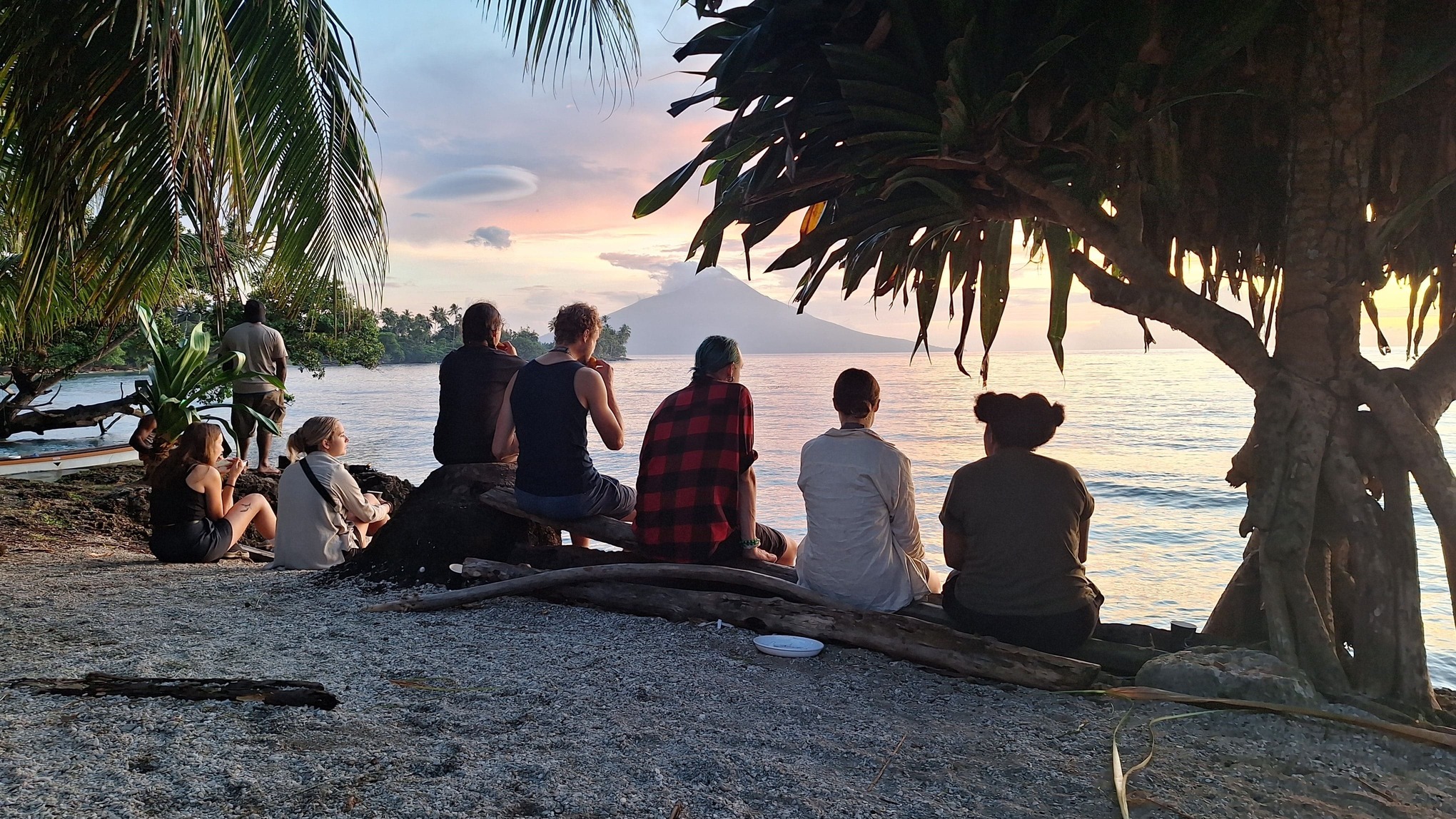
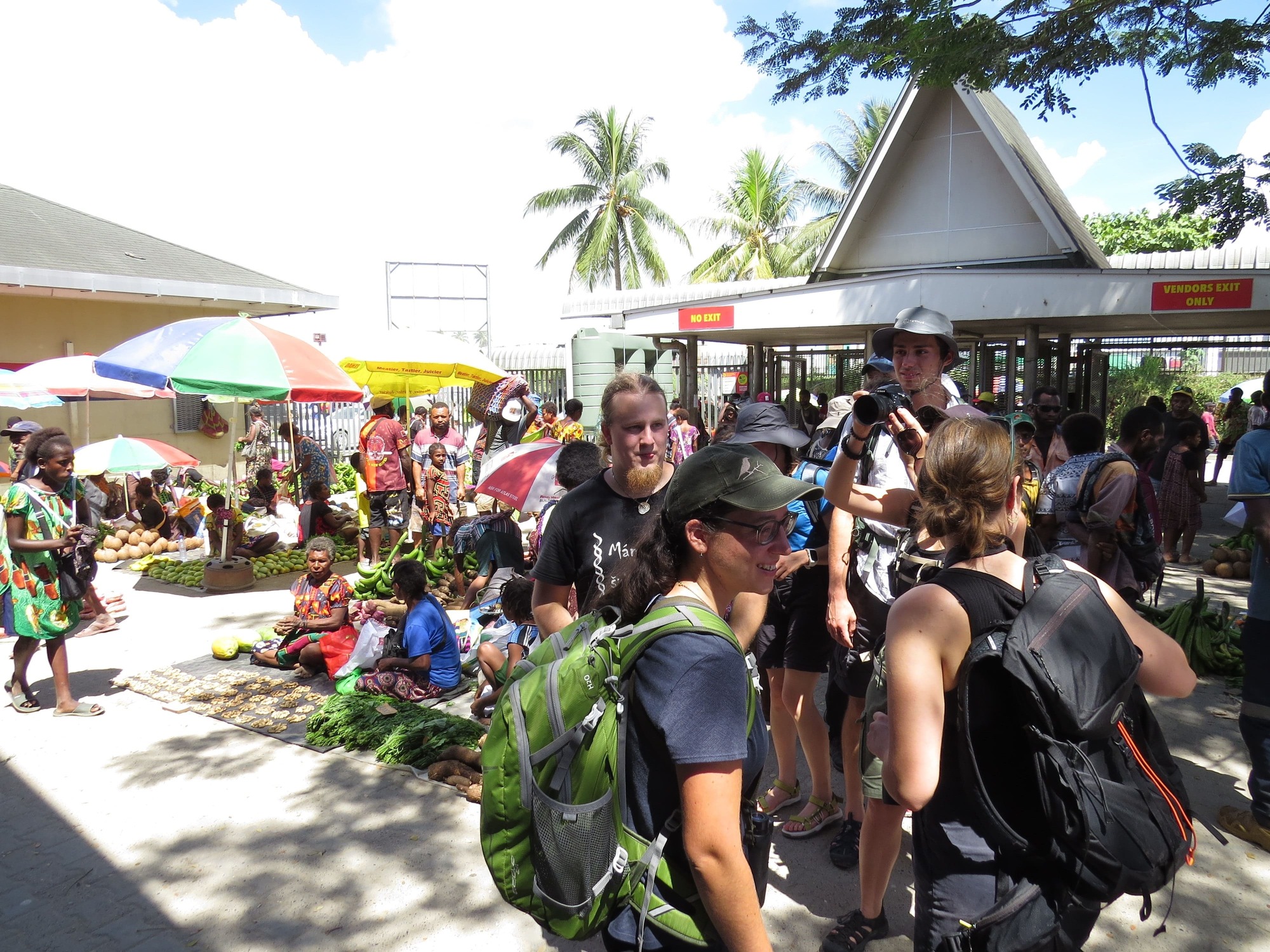
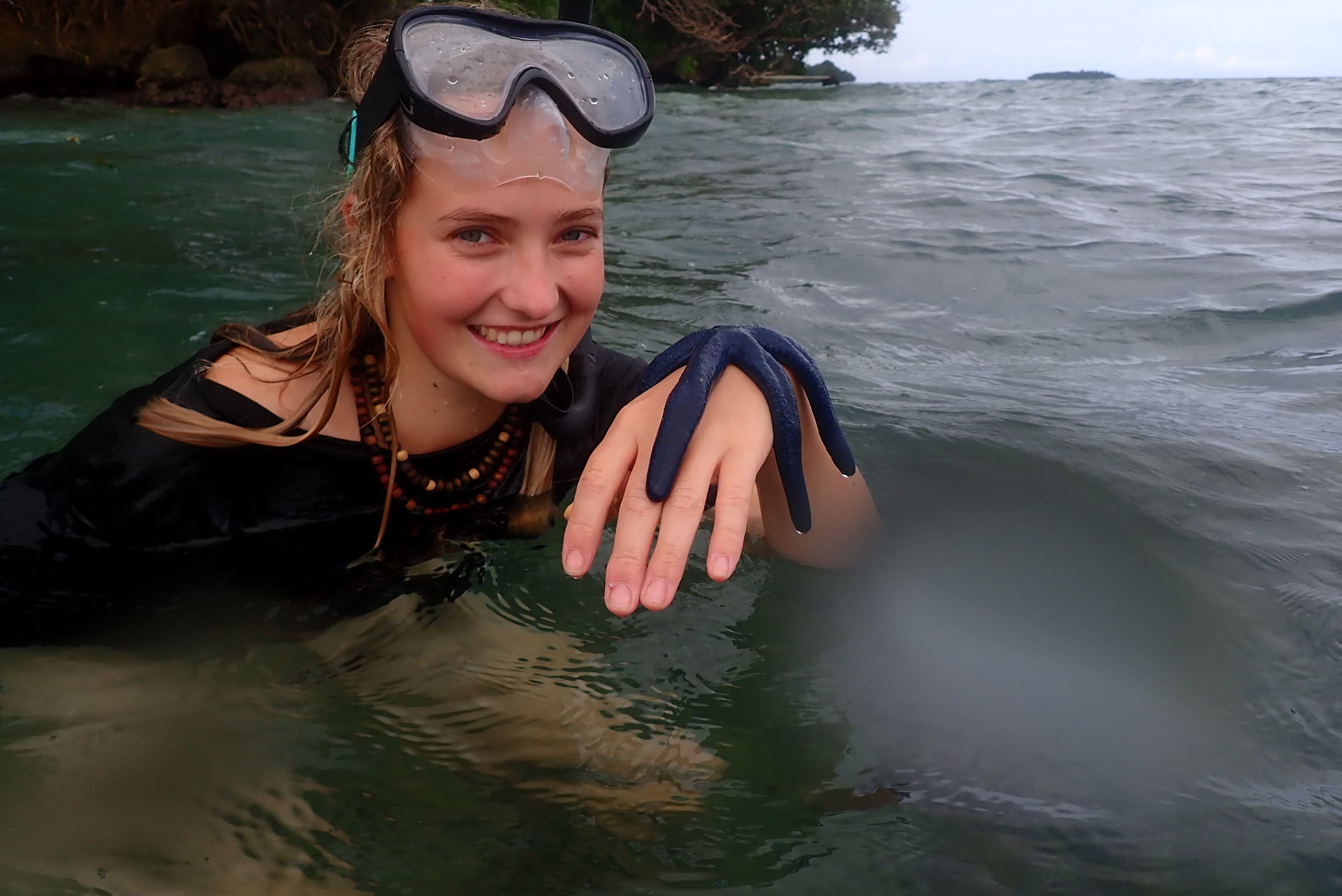
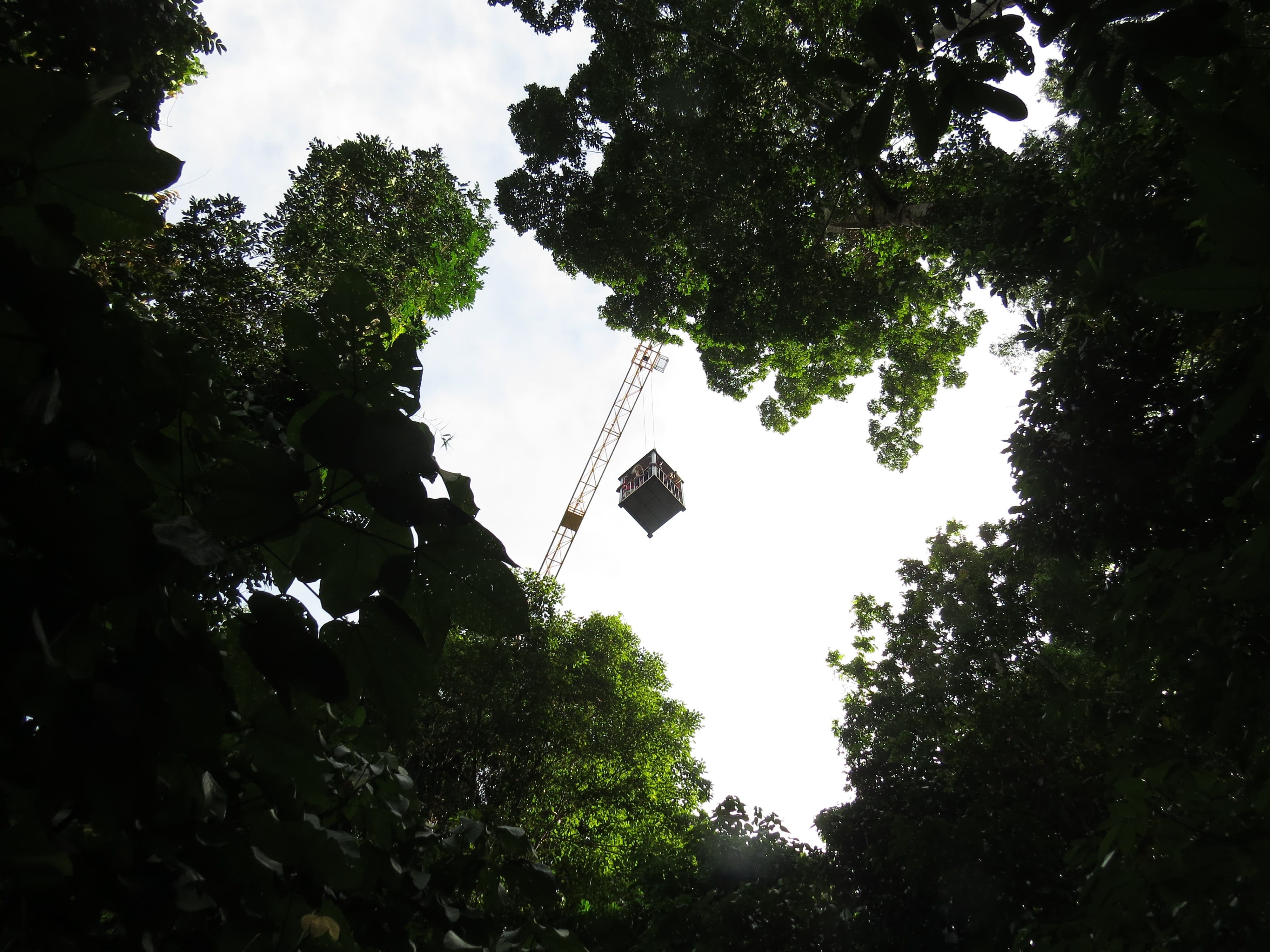
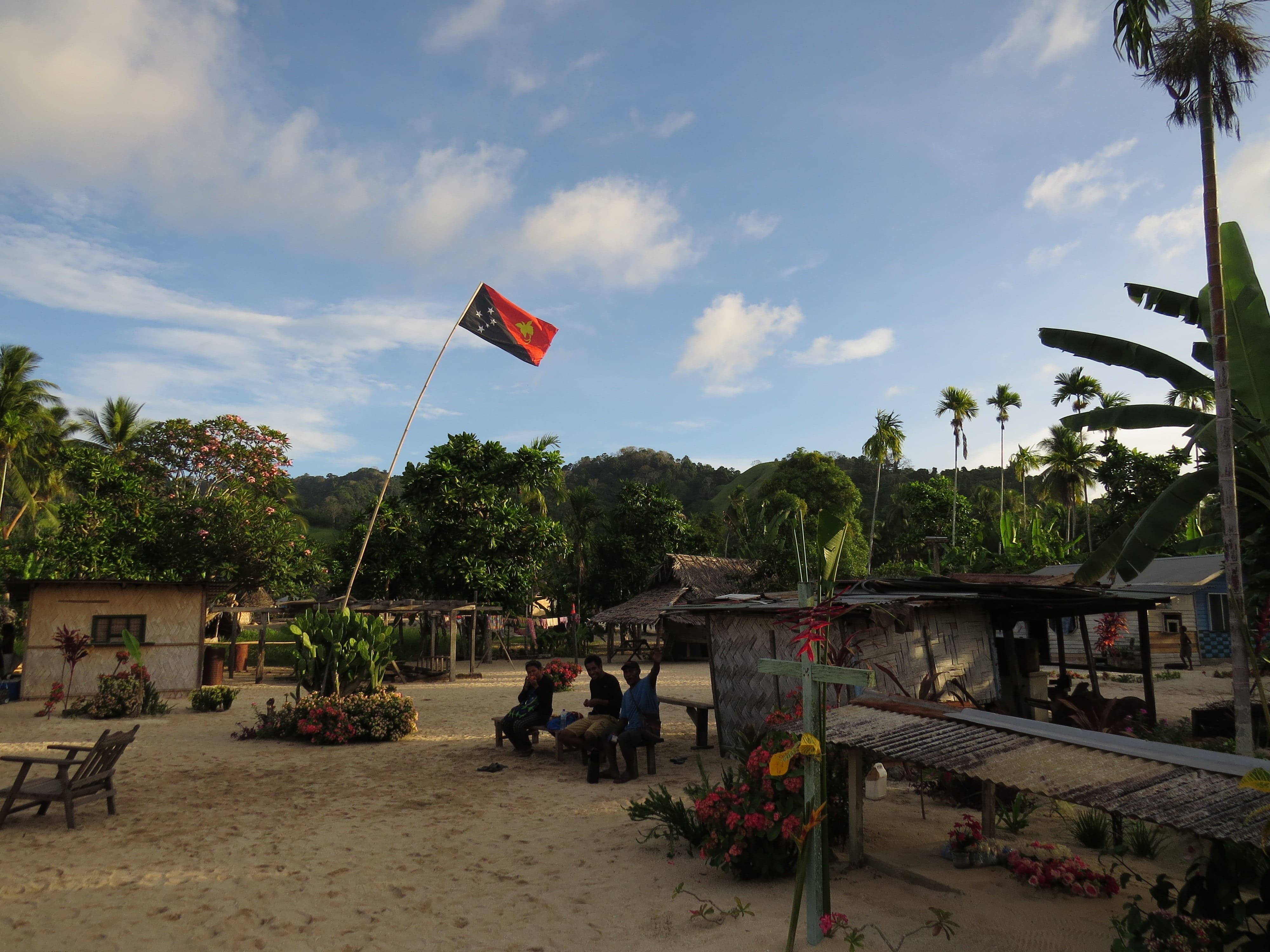
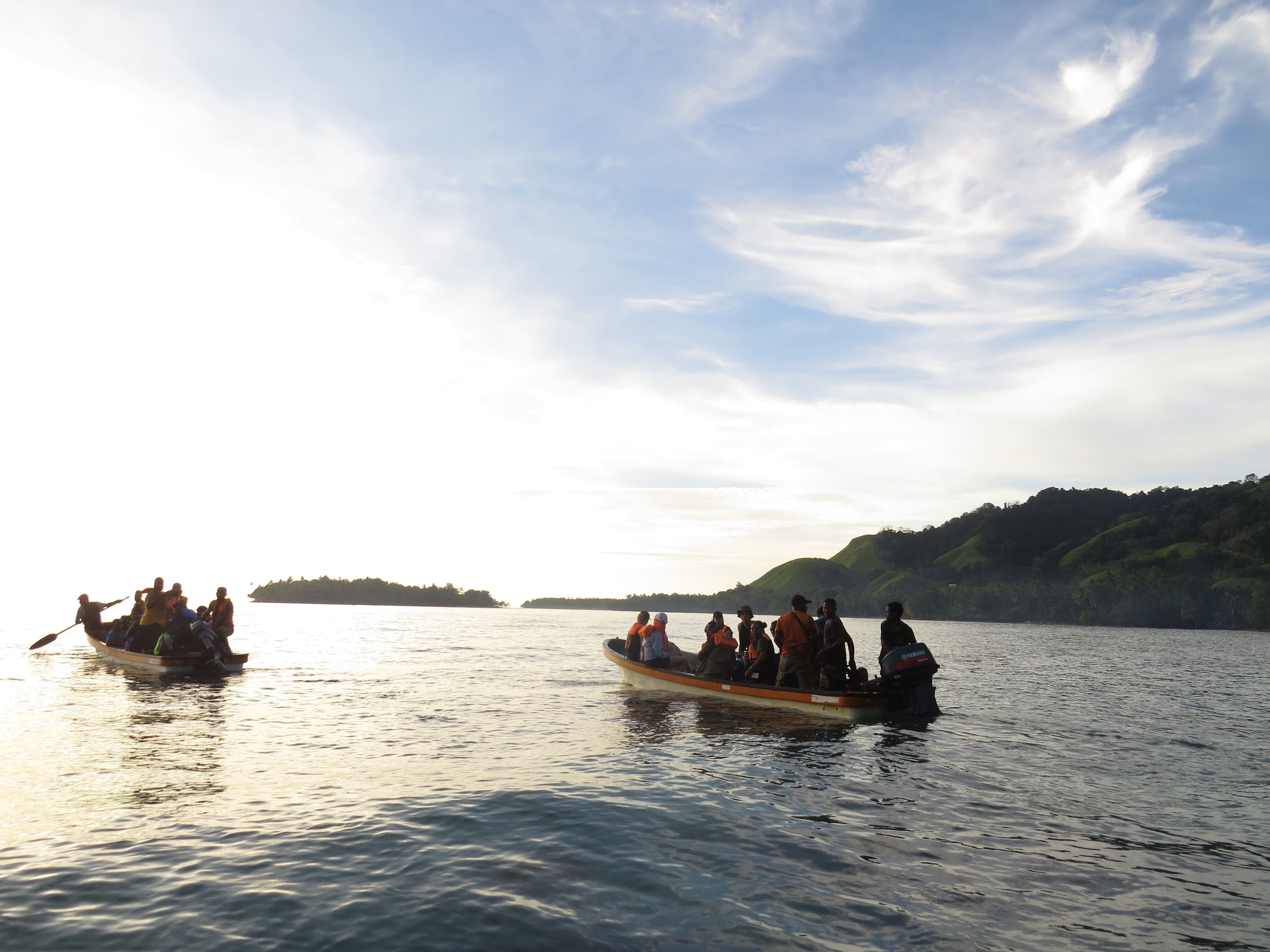
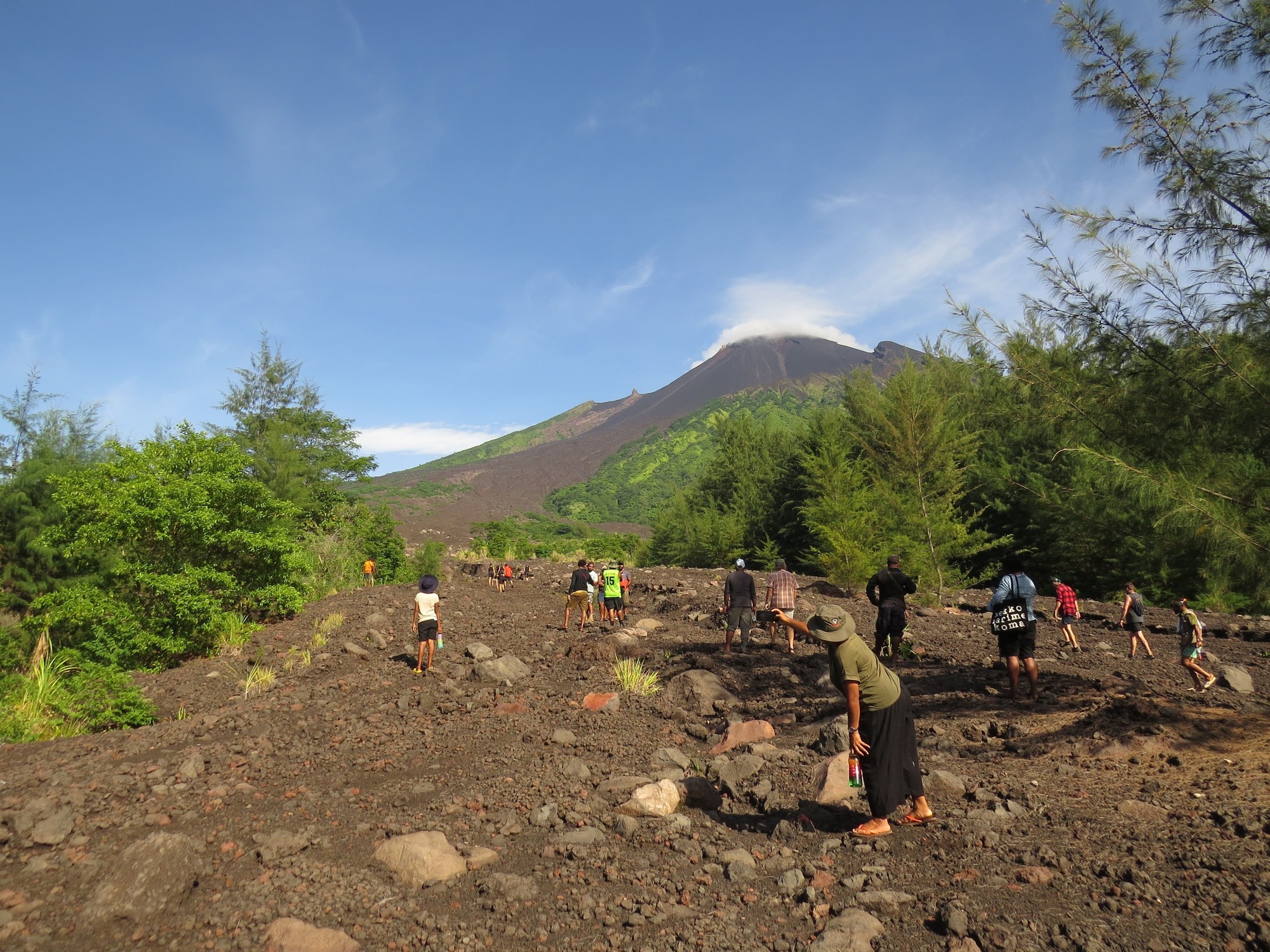
Thanks to the fact that we worked in teams, we also had time to diversify the program during the course. For example, we went to Madang to visit the local market (Fig. 32) and snorkel on a nearby island, where we observed an enormous wealth of corals, fish, echinoderms, mollusks, and other creatures (Fig. 33). The course also included two trips to interesting places in the surrounding area. The first was to KAKOBA crane, a construction crane used for tree canopy research, which lifted us fifty meters above the ground (Fig. 34). The second excursion took two days and ten hours in the car, but its destination made up for it. We spent the night in a village on a sandy beach (Fig. 35) and early in the morning we boarded boats (Fig. 36). These took us to Manam Island, an active volcano where primary succession can be observed beautifully (Fig. 37).
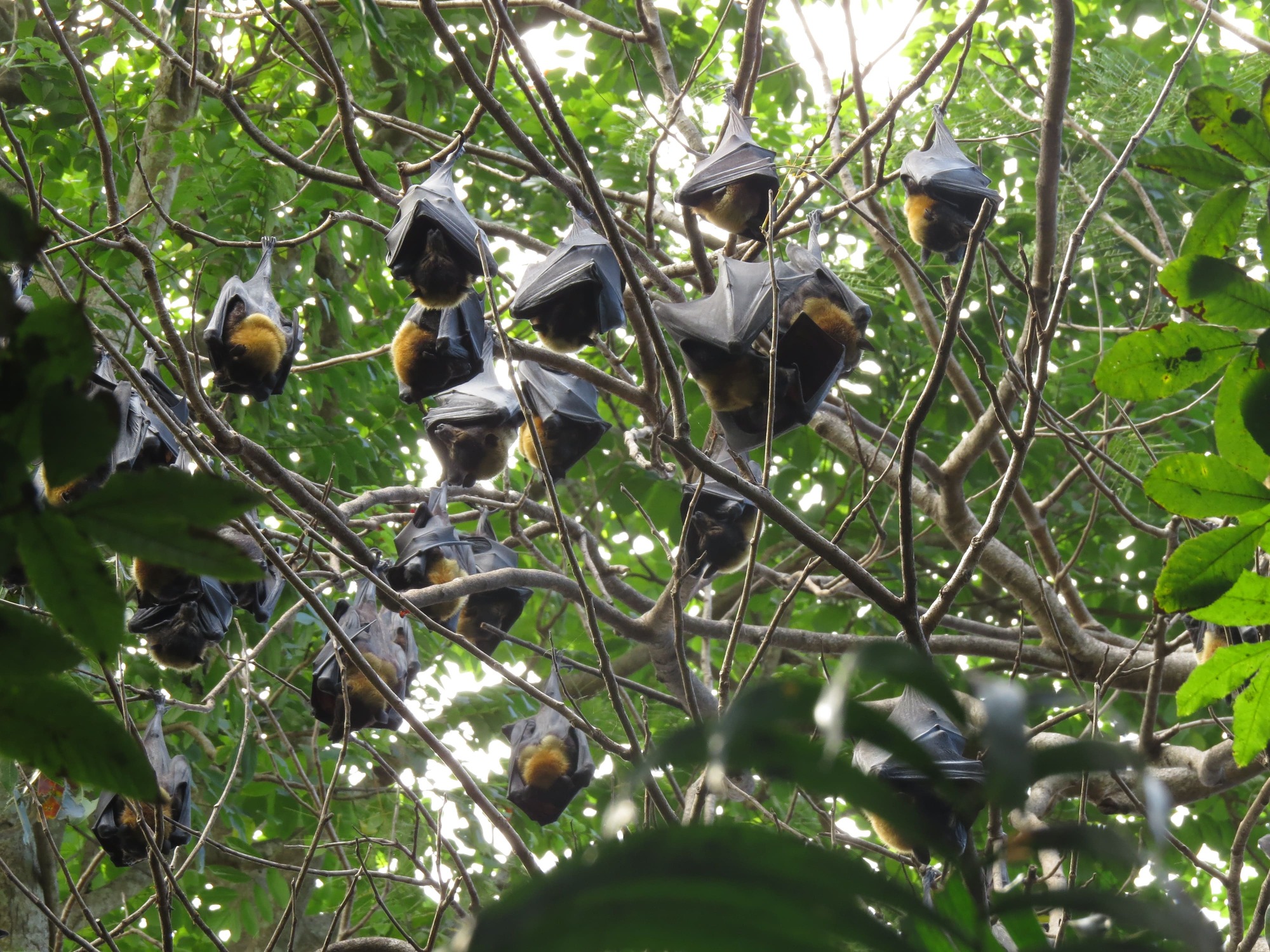
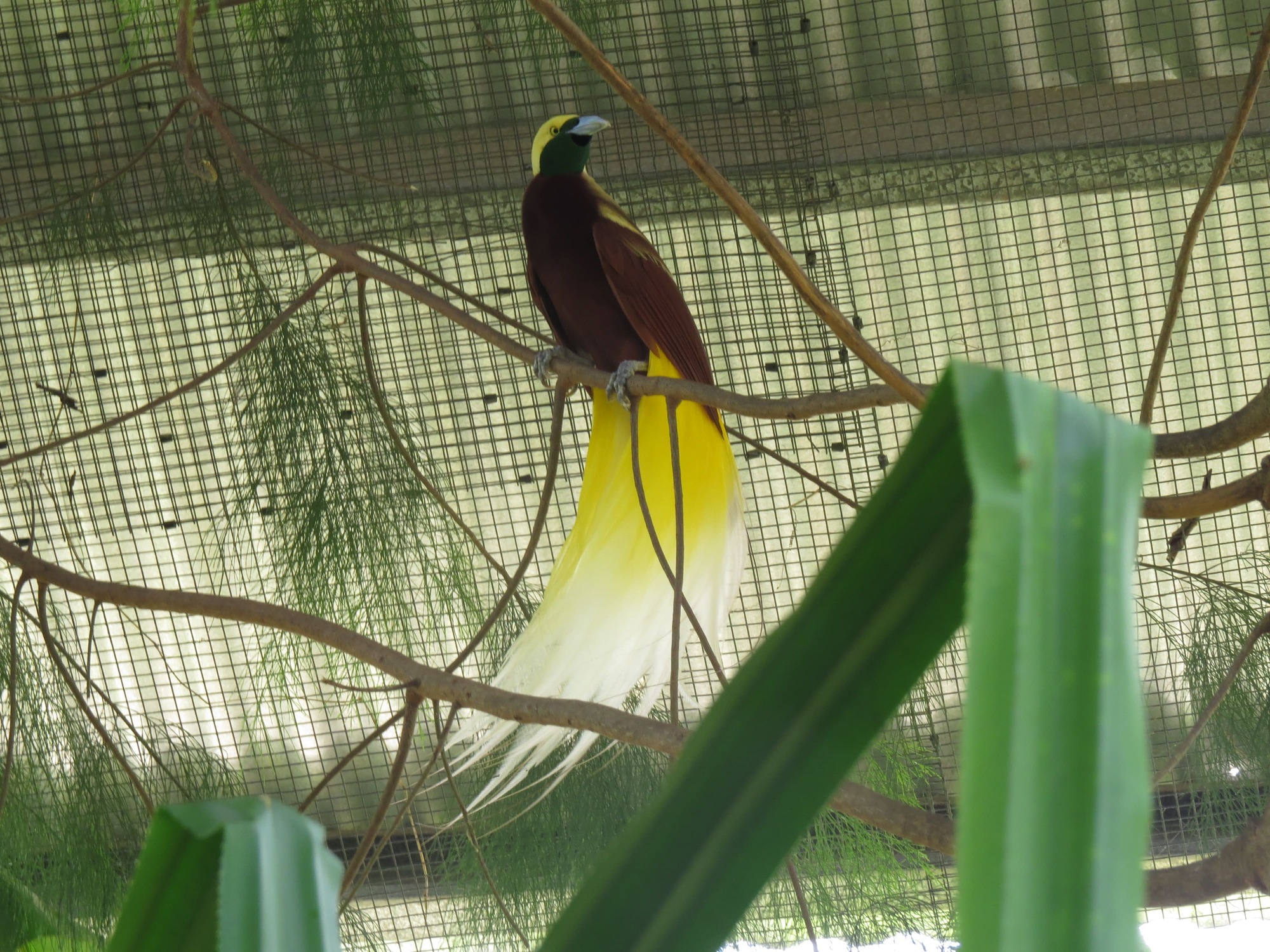
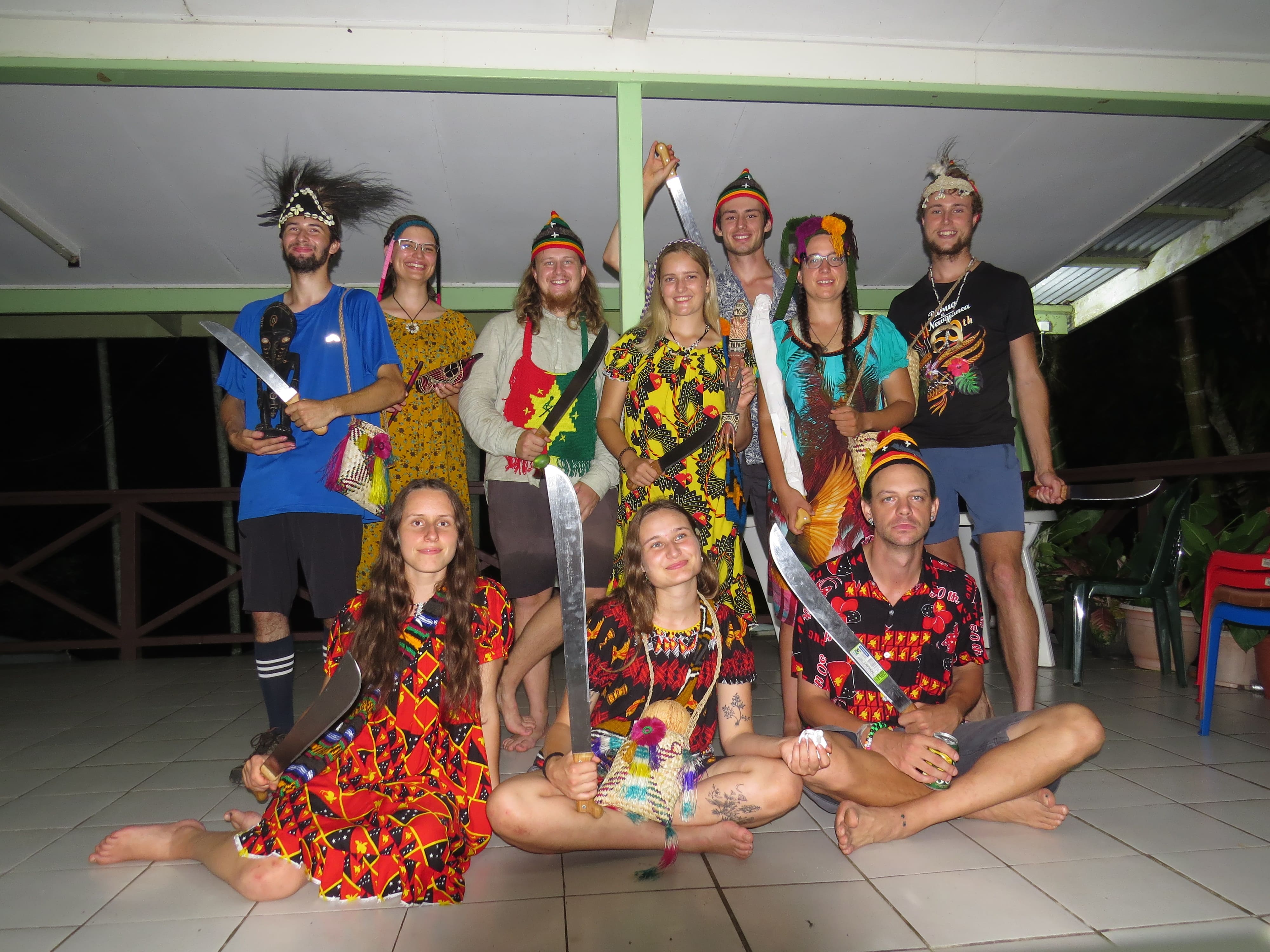
We all successfully completed our presentations and received certificates of completing the course. On our way home, we had time to visit Nature Park during our layover in Port Moresby, where we were completely fascinated by flocks of flying foxes (Fig. 38) and finally got to see a Lesser bird-of-paradise, known as the kumul, up close (Fig. 39). We are taking home countless experiences, ideas, and several typical Papua-New Guinean souvenirs from the Tropical Ecology course – dresses, hats, bilums, and bushknives (Fig. 40).
Author: Tomáš Jelínek (translated using DeepL)
Photos: Martin Břečka


