

Summary of two publications by Jiří Bárta in the prestigious journal Communications Earth & Environment
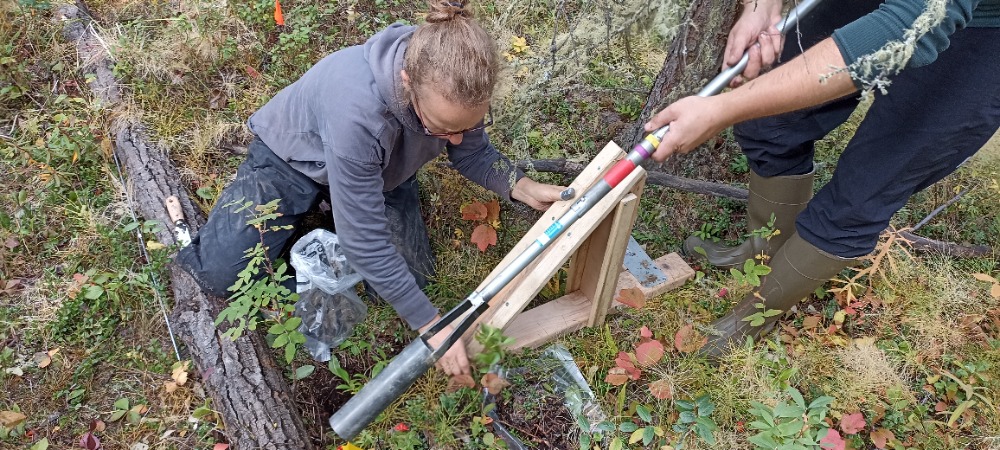
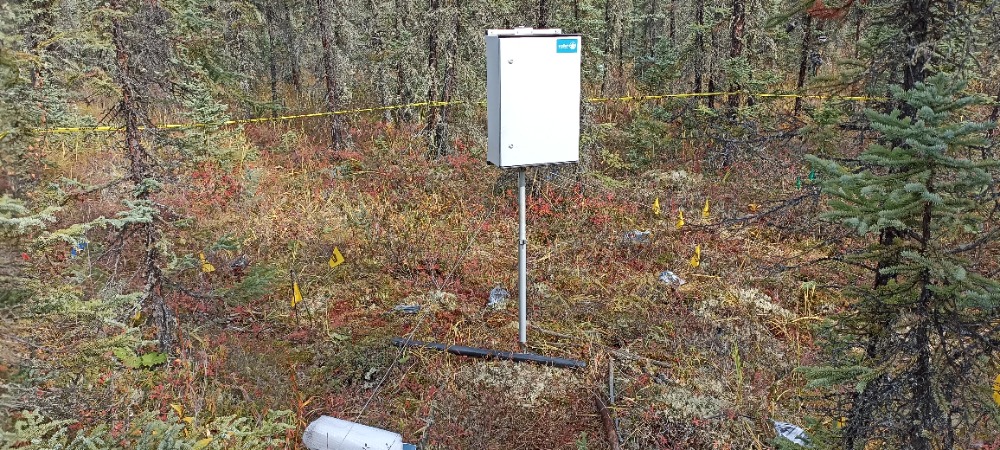
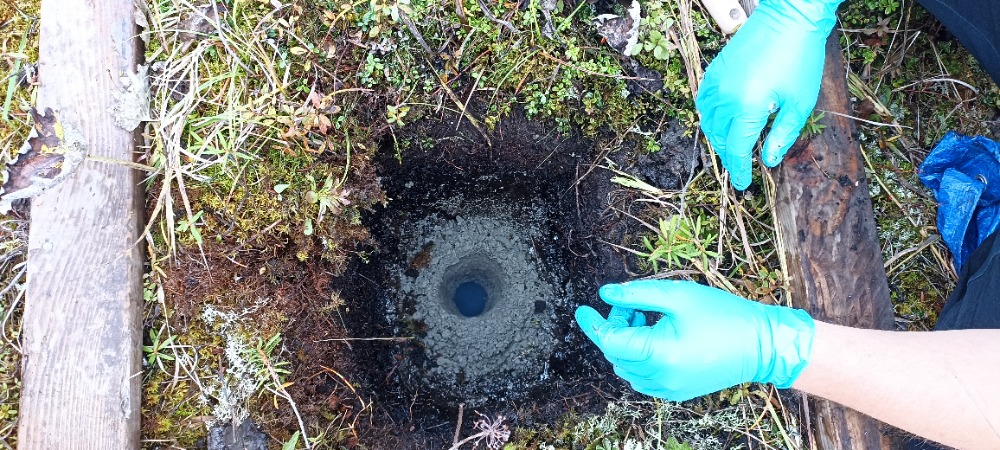
In a study from the Fairbanks (Alaska) area, we continuously monitored the so-called redox potential of soil for more than three years – a variable that fundamentally affects the decomposition of organic matter and the formation of greenhouse gases such as carbon dioxide and methane.
We found that:
- soil conditions change significantly throughout the year,
- in summer and autumn, reduction conditions prevail (more favorable for methane production), in winter and spring rather oxidative conditions prevail (more favorable for methane consumption),
- conditions suitable for methane production were practically non-existent during the monitored period.
The results show that if we want to correctly estimate the behavior of Arctic ecosystems, it is not enough to measure only in summer – crucial processes take place throughout the year and long-term, continuous monitoring is needed.
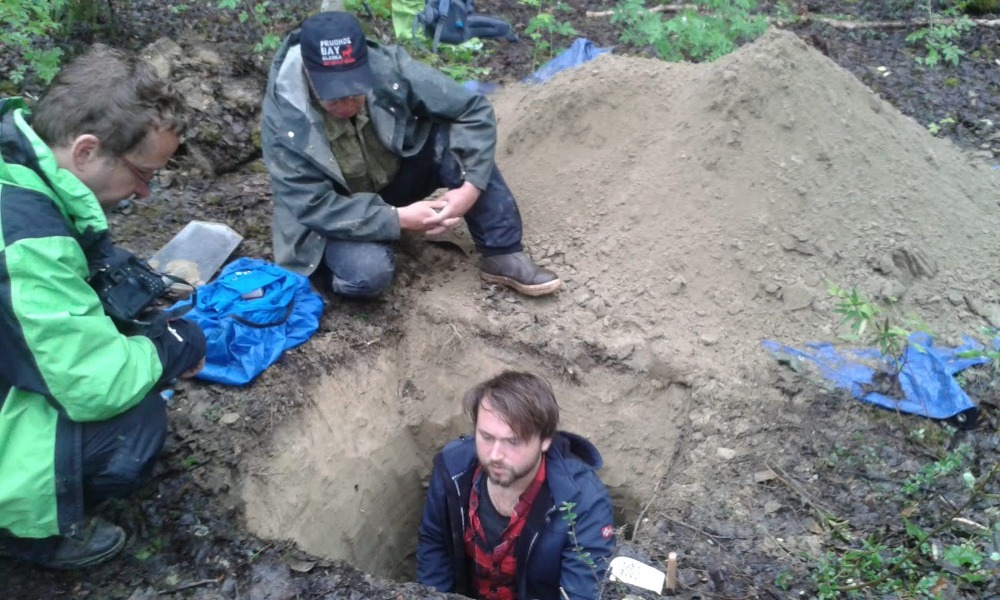
In the second study, we analyzed more than 600 samples from intact permafrost soils from across the Pan-Arctic region (Alaska, Siberia, Canada, Greenland). We focused on the microorganisms that control the methane cycle: methanogens –methane producers, methanotrophs –methane consumers.
The results were surprising:
- in the entire Arctic, we found only 22 types of methanogens and 26 types of methanotrophs,
- their representation differed significantly between localities and between individual soil layers,
- only four types of methanogens were present at all sites studied.
The crucial finding was that the "methane filter" in permafrost soils is almost exclusively made up of a few dominant species of obligate methanotrophs, related to the genus Methylobacter. It is these microorganisms that capture and break down methane before it enters the atmosphere.
At the same time, we found that the situation can change dramatically when permafrost degrades and the soil dries up. A case study from Alaska showed that in drier conditions, other species of methanotrophs, related to the genus Methylocapsa, are becoming more prevalent, capable of consuming even very low concentrations of methane directly from the atmosphere. In some scenarios, Arctic soils could remain a significant source of methane, while in others they could become a partial absorber of methane.
Therefore, our study identified for the first time a small group of key "microbial players" that can significantly influence the rate of climate change in the coming decades.
You can learn more in the studies mentioned:
Liebmann, P., Vogel, C., Kholodov, A. et al. Perennial redox potential dynamics in Alaskan degraded and non-degraded permafrost soils. Commun Earth Environ (2025). https://doi.org/10.1038/s43247-025-03143-x
Wang, H., Lindemann, E., Liebmann, P. et al. Methane-cycling microbiomes in soils of the pan-Arctic and their response to permafrost degradation. Commun Earth Environ 6, 748 (2025). https://doi.org/10.1038/s43247-025-02765-5


