

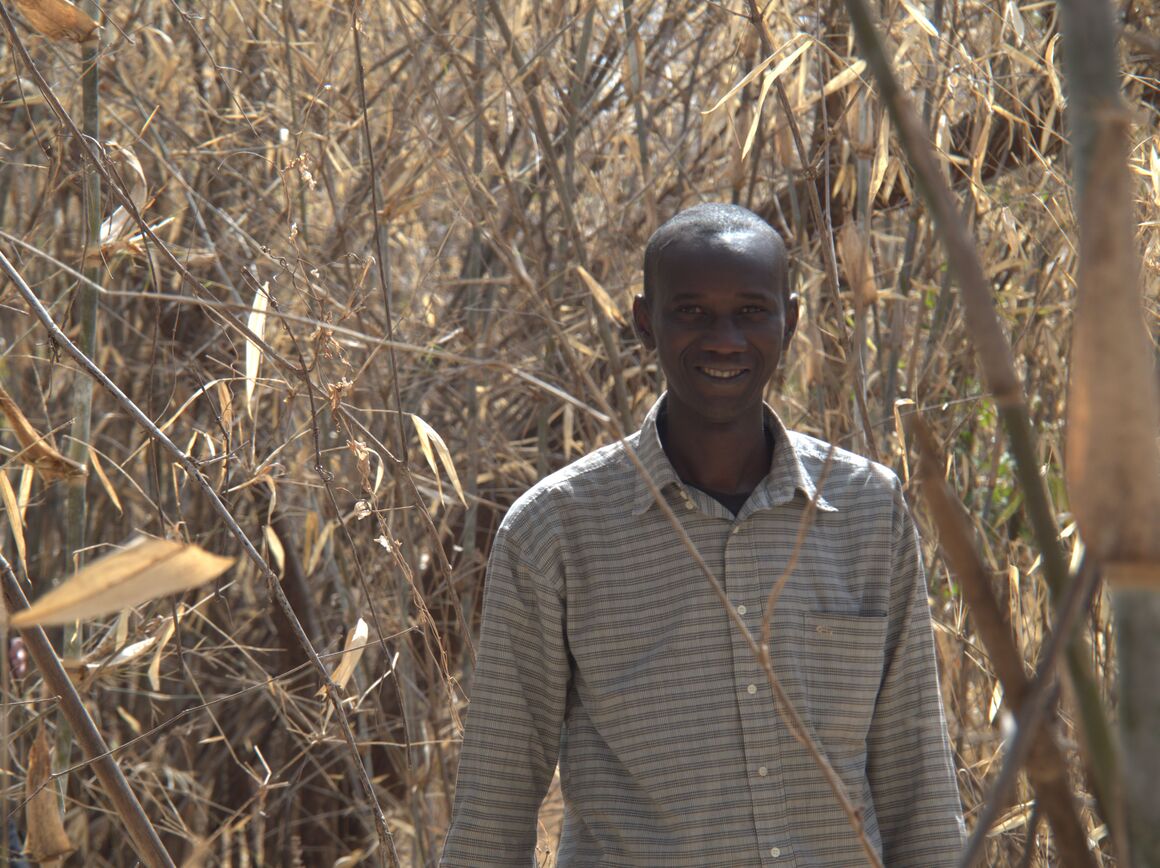
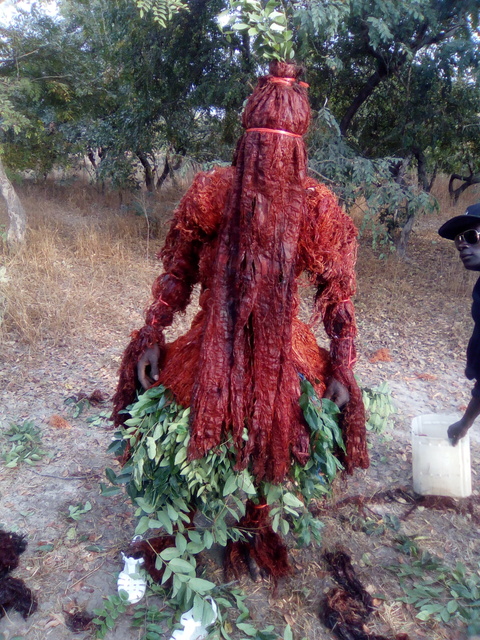
Archaeologist and anthropologist Idrissa Manka from Cheikh Anta Diop University in Dakar, together with researchers from the University of South Bohemia (Laboratory of Archaeobotany and Palaeoecology – LAPE and the Department of Botany, Faculty of Science), have published a study in Human Ecology focusing on the relationship between people and trees in southeastern Senegal. Based on fieldwork conducted in villages surrounding Niokolo-Koba National Park, the study documents the use of woody species in ritual and spiritual practices and their role in the everyday lives of local communities. It identifies dozens of tree species and shows how this knowledge is interconnected with cultural traditions and the historical development of the region.
The results demonstrate that trees are not only sources of food and materials, but also play a key role in rituals, traditional healing, and the social functioning of communities. Some trees and forest patches are perceived as sacred sites and are subject to specific rules regulating their use and access. These practices also have a spatial dimension – spiritually significant trees are located within villages, in their surroundings, and in forests, influencing settlement patterns and everyday movement through the landscape. In this way, trees actively shape the so-called biocultural landscape, understood as an environment formed through long-term interactions between human societies and nature.
The research has been conducted since 2018 under the leadership of Tereza Majerovičová and Jaromír Beneš (LAPE, Faculty of Science, University of South Bohemia) as part of an international collaboration with Cheikh Anta Diop University in Dakar, highlighting the importance of involving local scientists and communities. At the same time, it points to the gradual loss of traditional knowledge due to modernization processes, landscape change, and broader socio-economic transformations in the region. A follow-up field expedition is planned for the second half of April and will focus on tree growth and the collection of dendrochronological data. The fieldwork will again be carried out in collaboration with the university in Dakar and with the Tree-Ring Laboratory of the Institute of Botany of the Czech Academy of Sciences in Třeboň.
Manka, I., Majerovičová, T., Ballesteros, M. et al. Woody Plants in Dialan and other Ritual Practices within the Biocultural Landscape of Niokolo Koba National Park, Senegal. Hum Ecol 54, 18 (2026). https://doi.org/10.1007/s10745-026-00672-7


