

Elevational gradients in species richness provide a unique framework for studying animal ecology, as they allow researchers to observe pronounced ecological changes across relatively small geographic scales.
The combination of an energetically demanding endothermic metabolism and the inability to fly makes mammals particularly sensitive to elevational shifts in habitat associated with temperature changes. While the ecology of non-volant mammal communities along elevational gradients has been studied throughout most tropical regions of the world, one major area has remained largely unexplored: the Australian and Oceanian zoogeographic realms. New Guinea — the largest and highest tropical island on Earth — represents an ideal system for such research.
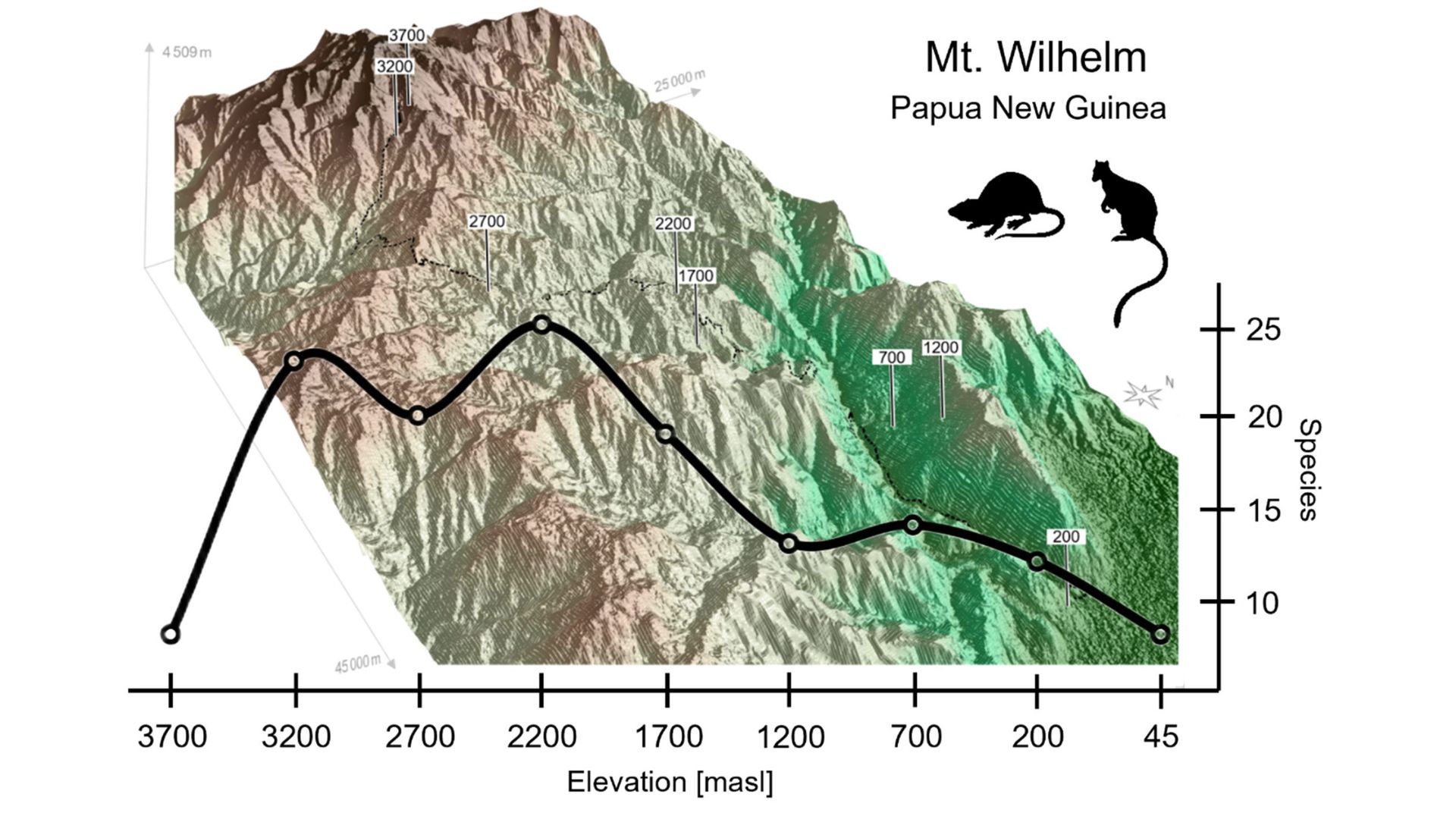
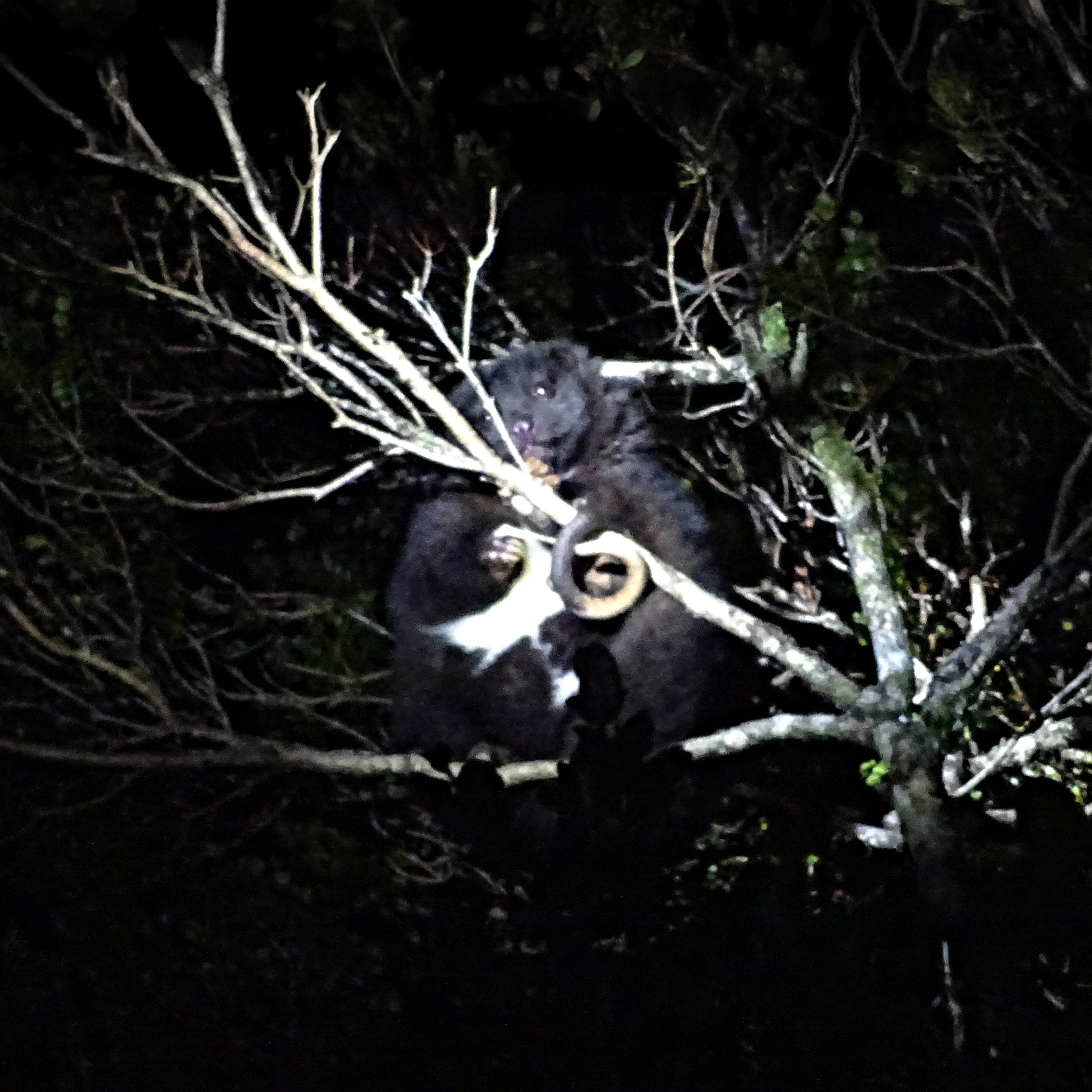
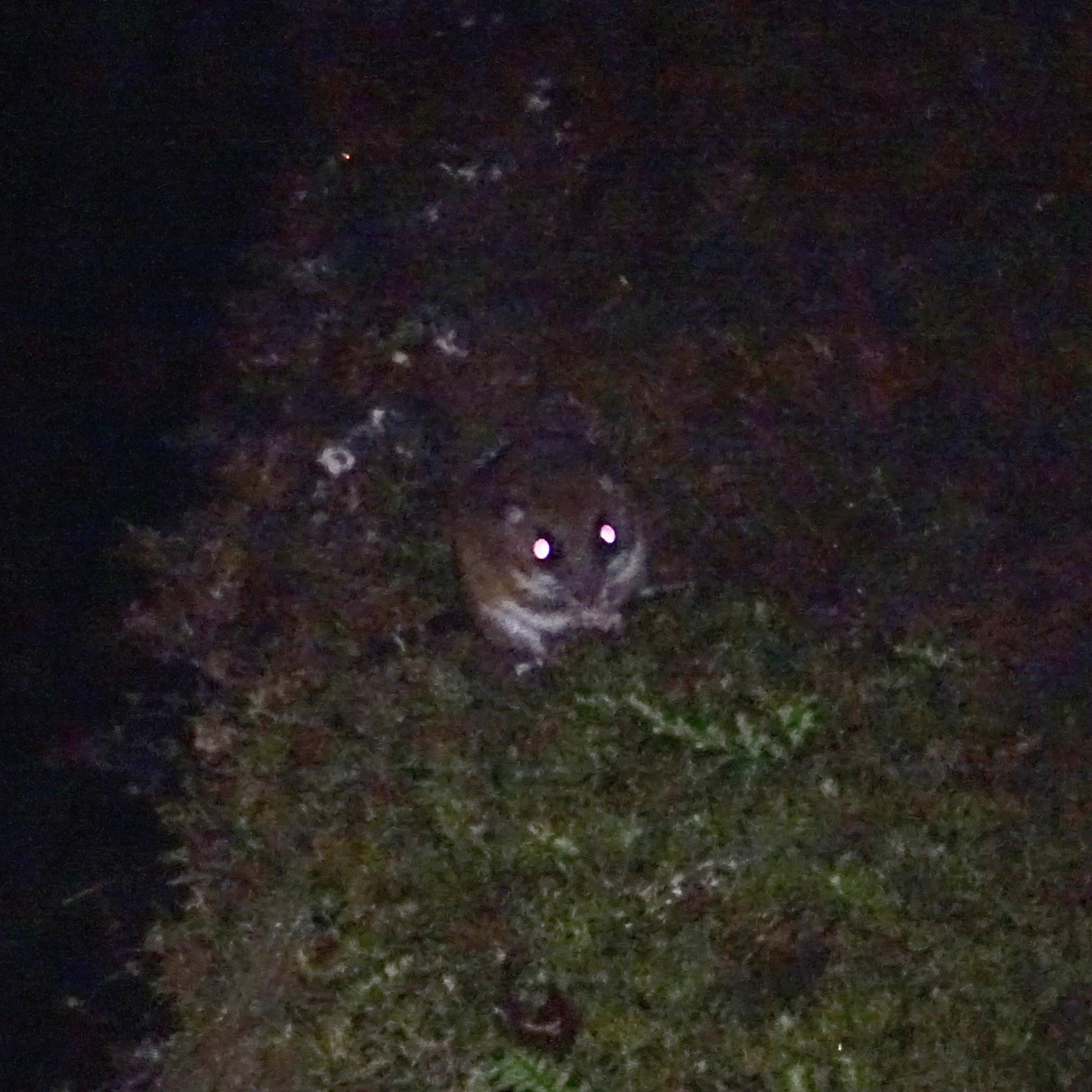
An international team composed primarily of researchers from the Faculty of Science of the University of South Bohemia and the Biology Centre of the Czech Academy of Sciences in České Budějovice has now published a study focusing on non-volant mammals along the longest rainforest elevational gradient in the tropics (45–3700 m above sea level). The research was led by František Vejmělka, a PhD student at the Department of Zoology, Faculty of Science, University of South Bohemia. During a six-month field stay on Mount Wilhelm — the highest mountain in Papua New Guinea — he documented 61 species of marsupials and rodents, which were identified using genetic analyses.
In tropical regions, mammal species richness typically declines with elevation or peaks at mid-elevations. On Mount Wilhelm, however, the number of mammal species increases linearly with elevation within continuous forest, reaching a maximum near the upper forest limit. Species richness then drops sharply in the open subalpine zone. The fact that this pattern has not been reported from other elevational gradients may reflect incomplete sampling — both in terms of elevational coverage and methodology. In addition to standard trapping (21,800 trap-nights), mammals were also sampled using pitfall bucket traps and in collaboration with local indigenous hunters, which proved highly effective.
Mount Wilhelm harbours at least 80% of all regional non-volant mammal species, the vast majority of which are endemic. Its montane rainforests support the world’s richest community of closely related mammals (rodents). The mountain therefore represents a globally significant biodiversity hotspot with high conservation priority.
Vejmělka, F., Fabre, P. H., Lövy, M., Sam, K., Helgen, K. M., Macek, M., Drumo, M., & Novotný, V. (2025). Complete Rainforest Elevational Gradient Reveals Unusual Diversity Patterns of Non‐Volant Mammals in New Guinea. Diversity and Distributions, 31(12), e70127.


