Palaeoecology
Palaeoecology studies the relationships between organisms, environments, and humans in the past. It uses natural archives such as lake sediments, peat bogs, and cave deposits, which preserve pollen grains, plant macroremains, vertebrate bones, charcoal, and many other traces of past ecosystems. These records allow us to investigate the development of landscapes, climate, biodiversity, and human impacts over timescales that far exceed human memory.
Palaeoecology helps answer questions about how organisms responded to climatic changes, how present-day landscapes gradually emerged, and how people transformed ecosystem functioning from prehistory to the present. It connects natural and cultural history into a single narrative and demonstrates that today’s landscapes are the result of a long-term interaction between natural processes and human activities.
How Did Temperate Species Survive the Ice Age?
One of the major questions of European biogeography concerns where plants and animals survived during the coldest phases of the last Ice Age. The traditional view assumed that most temperate species retreated to southern Europe and recolonized northern regions after the climate warmed.
Palaeoecological research, however, suggests a more complex scenario. New discoveries from southern Moravia indicate that some locations, thanks to the discharge of warm groundwater, may have maintained exceptionally favourable microclimates even during the peak of the last Ice Age. Such refugia could have enabled the survival of organisms in landscapes otherwise affected by extremely cold conditions.
These studies also show that many of the present-day biogeographical differences among regions of Central Europe have deep historical roots. The current distribution of species is therefore shaped not only by modern environmental conditions but also by the long history of the landscape itself.
- Hošek, J., Pokorný, P., Storch, D., Kvaček, J., Havig, J., Novák, J., Hájková, P., Jamrichová, E., Brengman, L. et al. 2024: Hot spring oases in the periglacial desert as the Last Glacial Maximum refugia for temperate trees in Central Europe. Science Advances 10, eado6611.
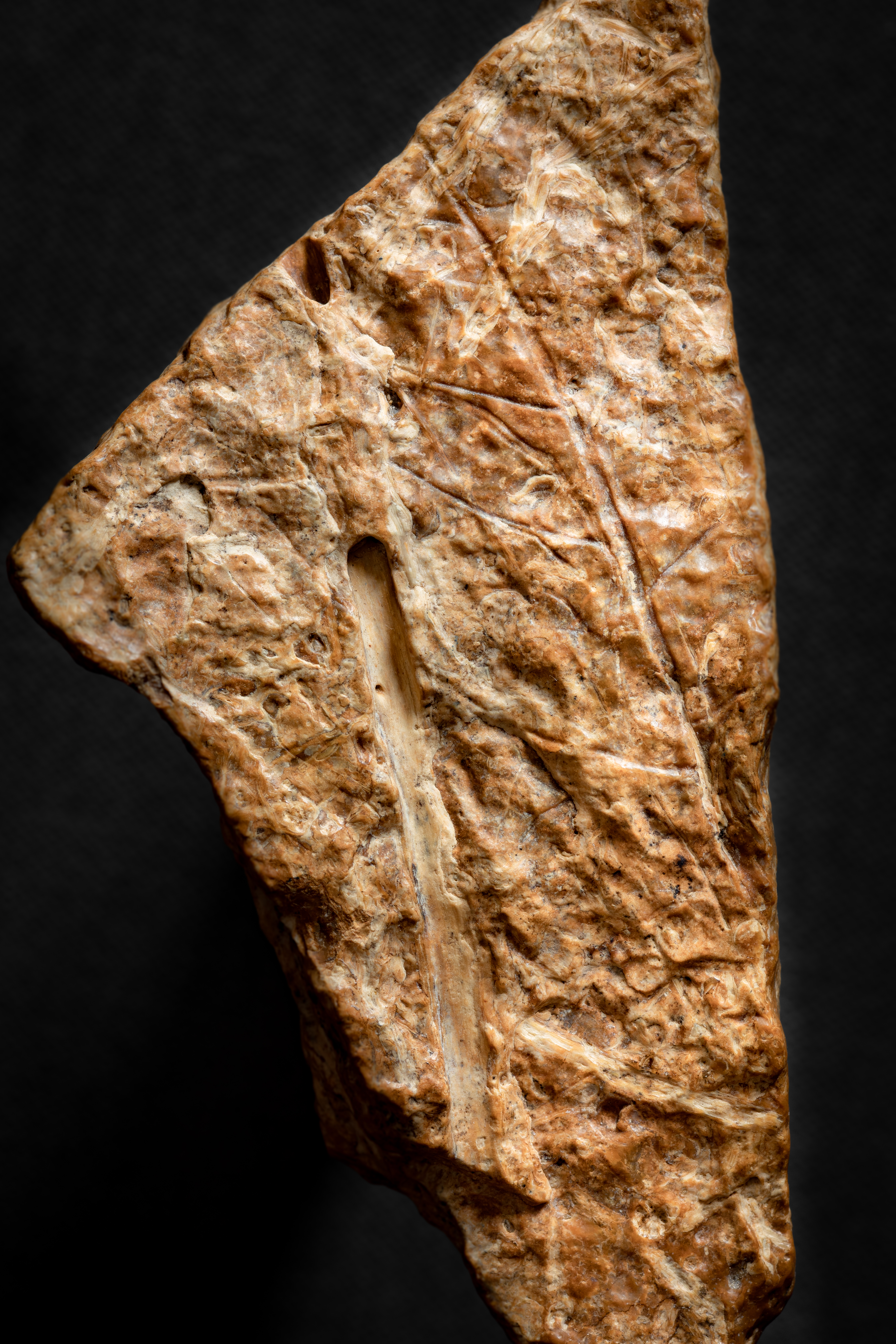
Imprint of an oak leaf preserved in spring tufa near Hodonín. Approximately 25,000 years old, this find dates to the coldest phase of the last Ice Age and provides evidence that temperate tree species occurred much farther north than previously assumed. Photo by P. Pokorný.
Did Central European Steppes Survive the Period of Maximum Forest Expansion?
Following the end of the last Ice Age, forests spread rapidly across Central Europe. For a long time, it was assumed that the original steppe vegetation almost disappeared and re-emerged only as a result of human activities. Palaeoecological research, however, indicates that some steppe areas may have persisted even during the period of maximum forest expansion in the Holocene.
The present-day steppe grasslands of Central Europe may therefore not be solely a product of human activity but could represent a much older ecological continuity extending back to the Late Glacial period. These findings fundamentally change our understanding of the origins of present-day biodiversity.
- Pokorný, P., Chytrý, M., Juřičková, L., Sádlo, J., Novák, J. & Ložek, V. 2015: Mid-Holocene bottleneck for central European dry grasslands: Did steppe survive the forest optimum in northern Bohemia, Czech Republic? The Holocene 25, 716–726.
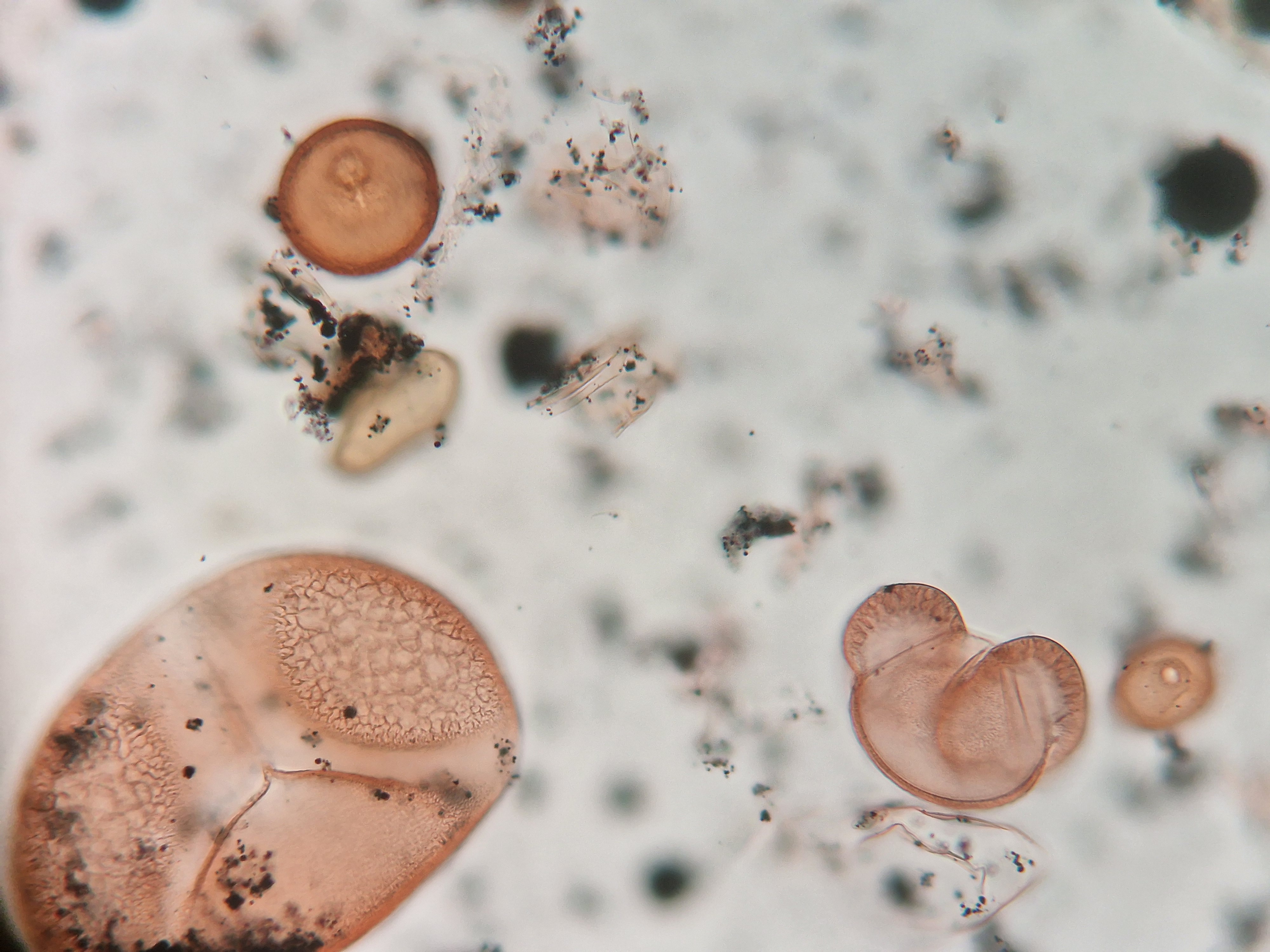
Pollen grains of spruce, beech, pine, and birch preserved in a peat sample. Microscopic remains such as these allow researchers to reconstruct past vegetation and track changes in landscapes through time. Photo by P. Pokorný.
How Have Humans Changed Ecological Rules?
Palaeoecology demonstrates that humans influence not only individual species or localities. Over the long term, they can alter the very functioning of ecosystems. Modern studies combining numerous pollen records with extensive archaeological databases make it possible to trace the spread of agriculture, the emergence of cultural landscapes, and changes in land use over the past millennia.
Research shows that major changes in biodiversity occurred, for example, with the expansion of arable farming at the end of the Neolithic, during medieval colonization, and as a result of other important social transformations. The modern landscape is therefore the outcome of a long-term coexistence between people and nature.
Palaeoecological records also allow us to track landscape responses to population collapses, economic crises, and climatic fluctuations. They show, for example, that the impacts of the fourteenth-century plague pandemic varied considerably across Europe and resulted in different patterns of land-use change in different regions.
- Izdebski, A., Guzowski, P., Poniat, R., Masci, L., Palli, J., Vignola, C., Bauch, M., Cocozza, C., Fernandes, R. et al. 2022: Palaeoecological data indicates land-use changes across Europe linked to spatial heterogeneity in mortality during the Black Death pandemic. Nature Ecology & Evolution 6, 297–306.
- Šizling, A. L., Pokorný, P., Juřičková, L., Horáčková, J., Abraham, V., Šizlingová, E., Ložek, V., Tjørve, E., Tjørve, K. M. C. & Kunin, W. E. 2016: Can people change the ecological rules that appear general across space? Global Ecology and Biogeography 25, 1072–1083.
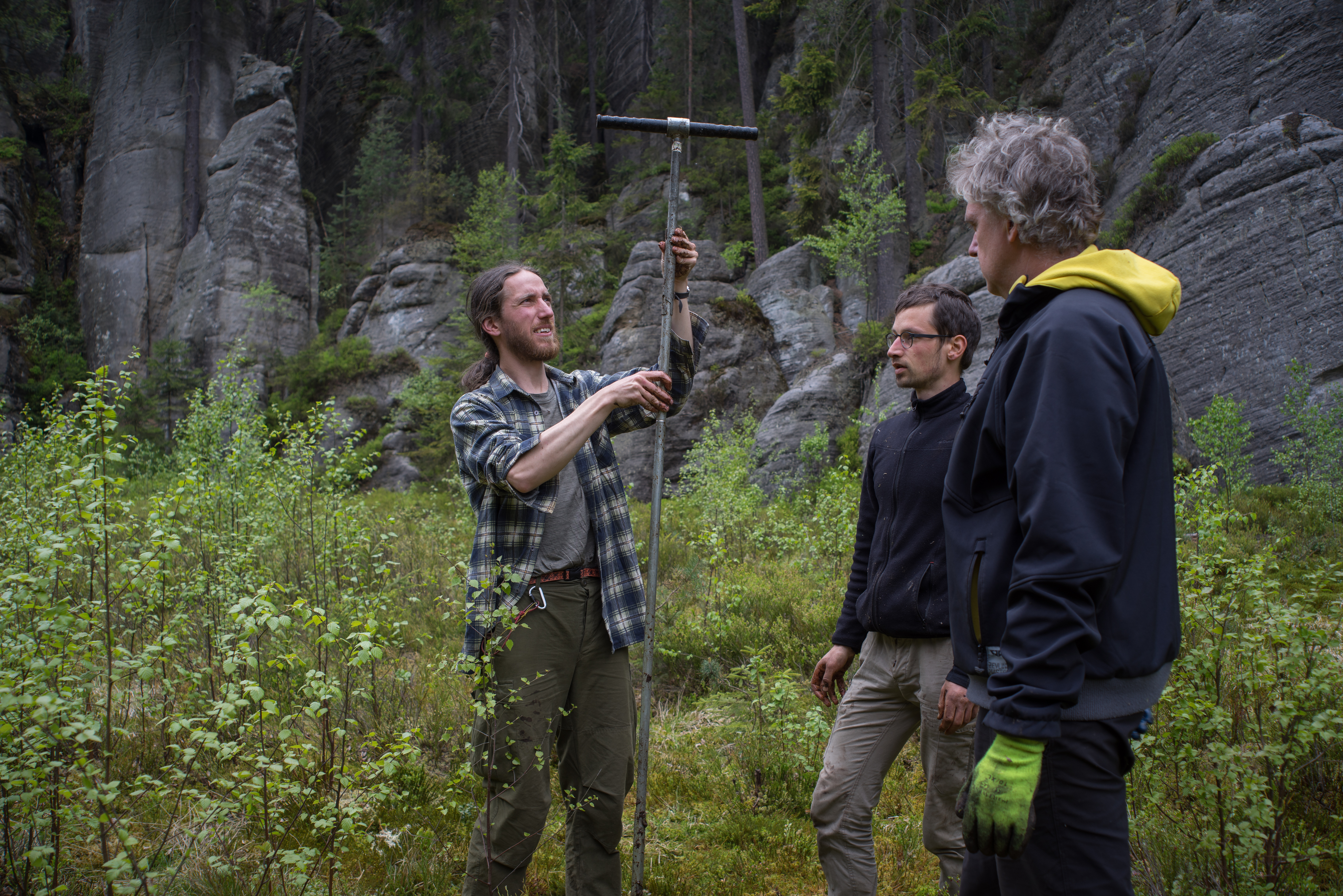
Coring a peat bog in the Broumov region. Even with a manually operated coring device, it is possible to recover sediment cores several metres long, whose analysis can reveal environmental histories spanning thousands of years. Photo by P. Pokorný.
What Can Palaeoecology Offer?
- reconstruction of past ecosystems and landscapes,
- understanding of the long-term development of biodiversity,
- identification of both natural and human causes of ecological change,
- investigation of refugia for plants and animals during periods of climatic change,
- understanding the origins of today’s cultural landscapes,
- providing a long-term perspective for nature conservation and landscape management.
Palaeoecology brings together biology, ecology, geology, climatology, and archaeology. By integrating these disciplines, it can trace the histories of landscapes and ecosystems over timescales ranging from decades to tens of thousands of years. This long-term perspective is its greatest contribution to contemporary science and nature conservation.

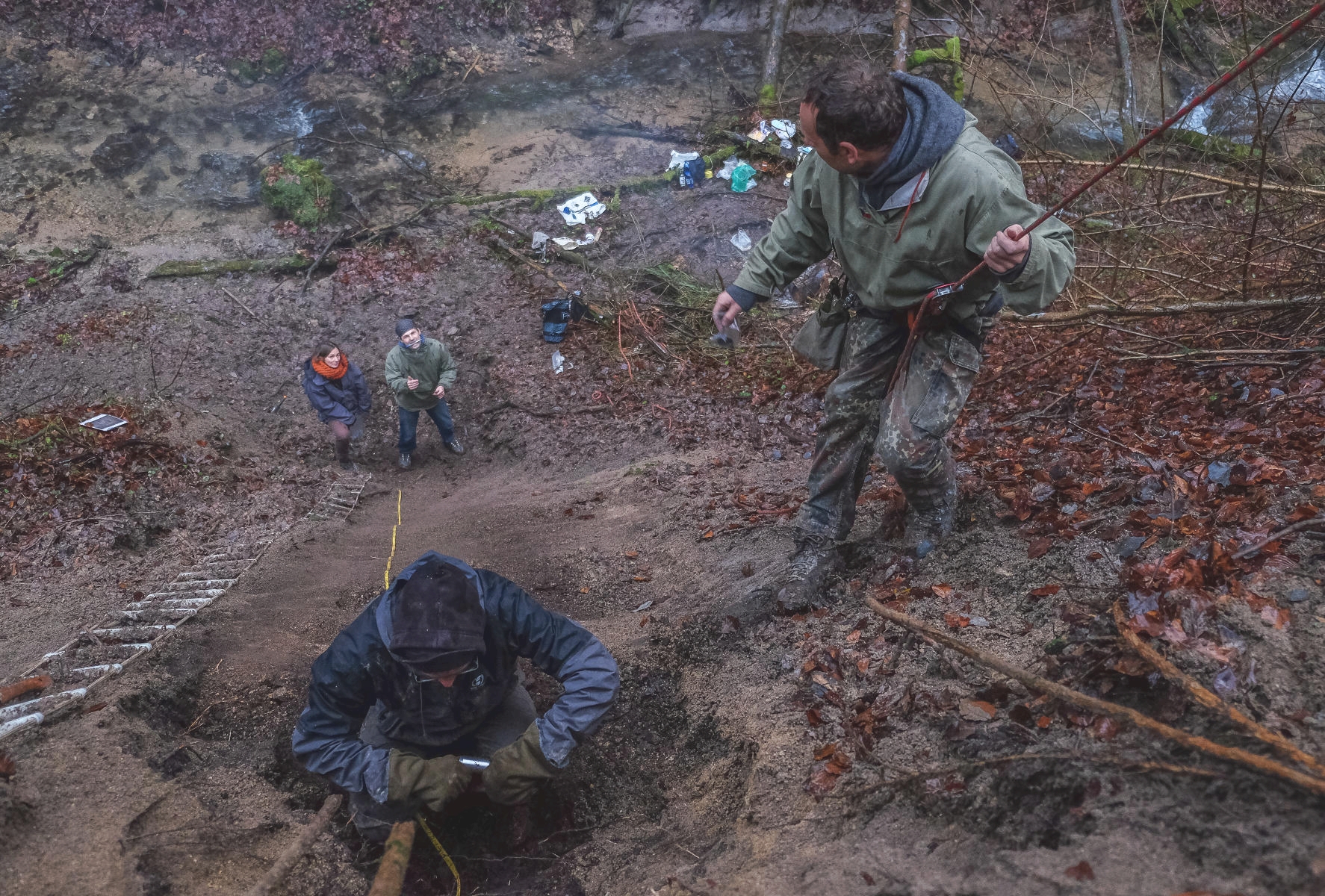
Sampling organic sediments for palaeoecological research at the Valča site in Slovakia.
Such sediments preserve a unique record of landscape development, climate change, and human impact over thousands of years. Photo by J. Prach.

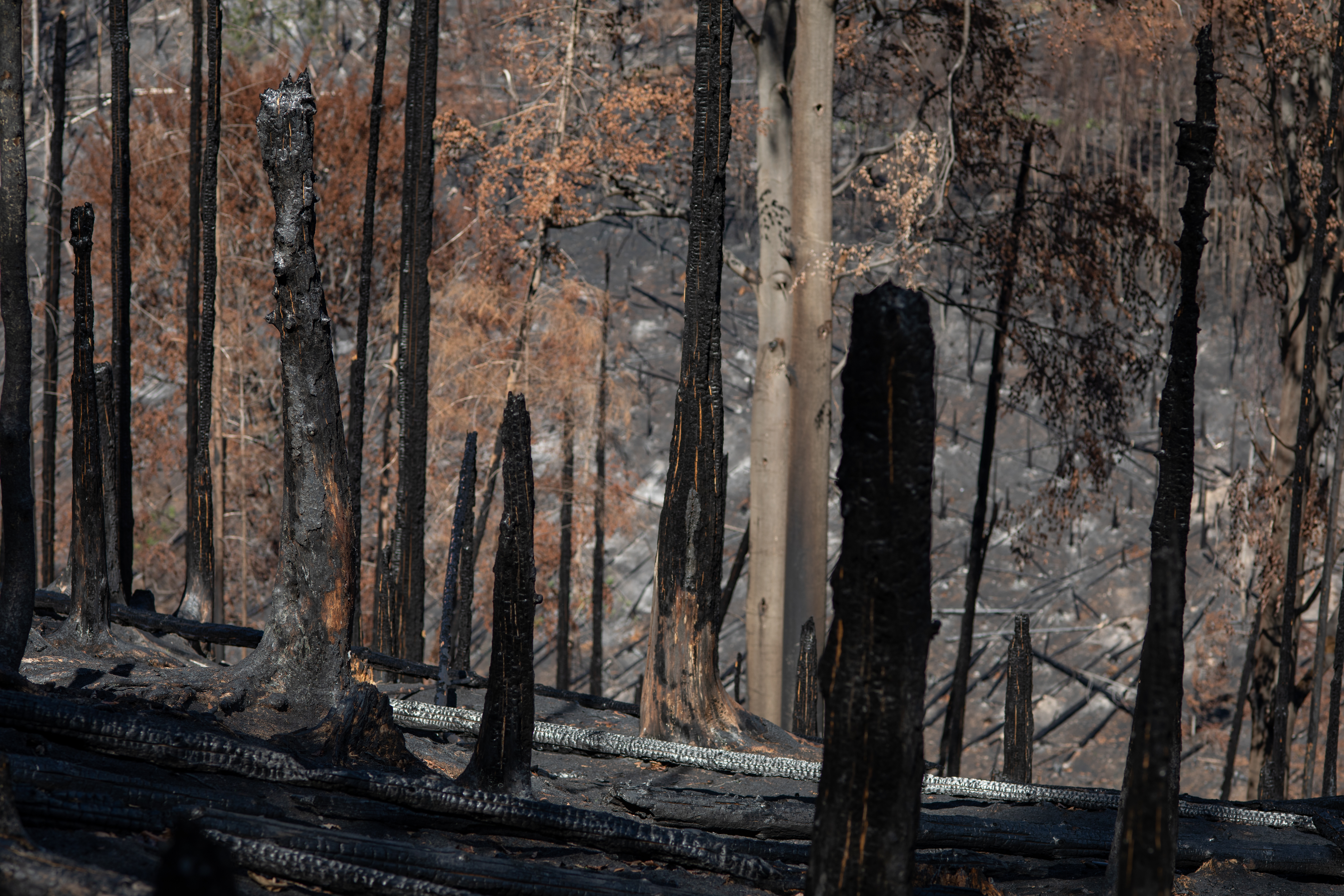
The wildfire in Bohemian Switzerland in the summer of 2022 highlighted the importance of fire in the landscape.
Palaeoecological research shows that wildfires have been a common feature of Central European ecosystems for thousands of years. Photo by P. Pokorný.

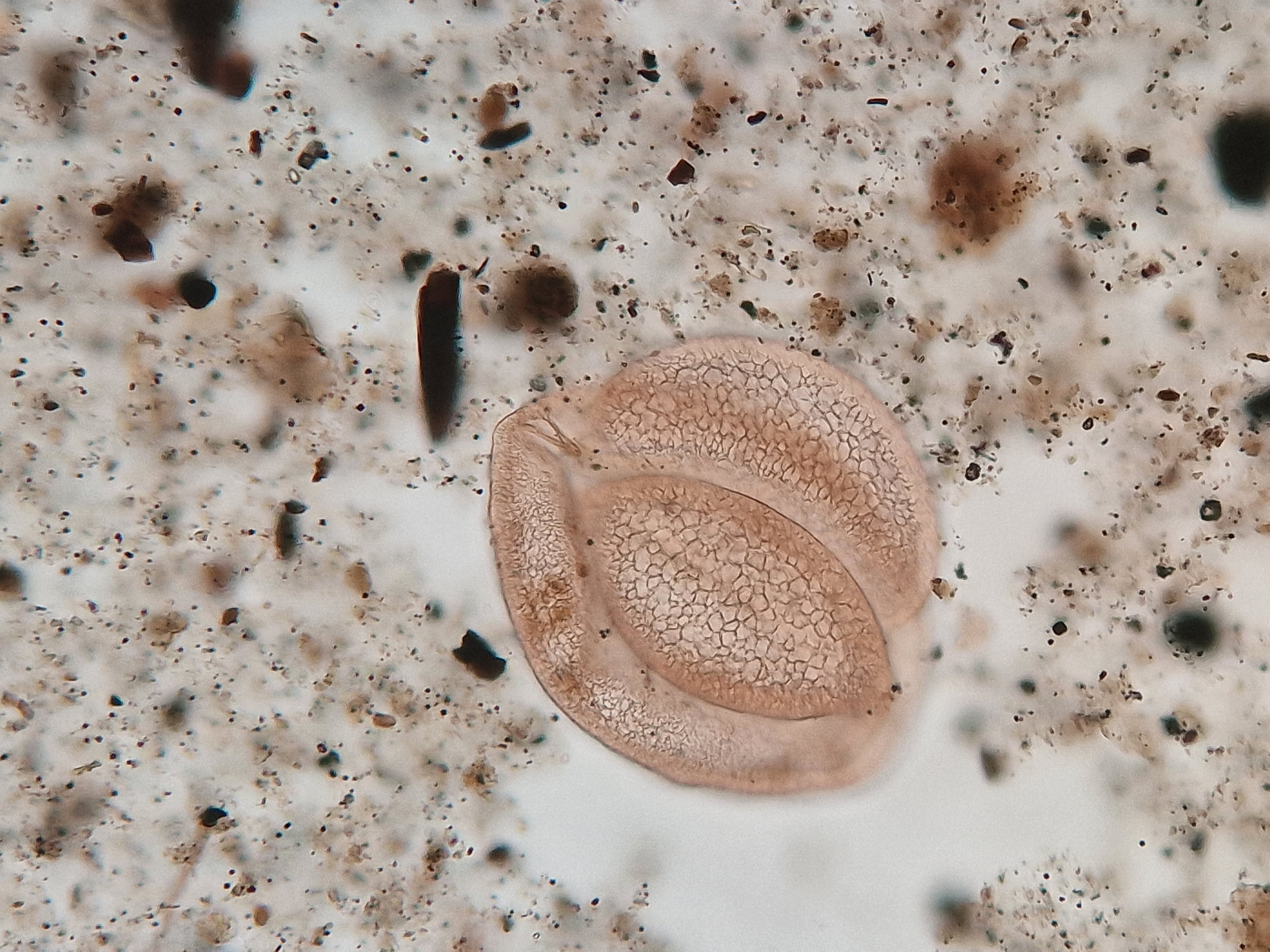
A spruce pollen grain under the microscope.
The tiny black particles surrounding it are microscopic charcoal fragments, indicating increased fire activity at the time when the sediment was deposited. Coniferous forests burned much more frequently than broadleaved or mixed forests. Photo by P. Pokorný.