Archaeobotanical analysis of plant macroremains
Analysis of plant macroremains uses the study of seeds, fruits, cereal grains, chaff, vegetative plant parts, and other plant remains to investigate past environments and human lifeways. Plant macroremains are recovered from archaeological cultural layers, storage pits, wells, cesspits, wetlands, rock-shelter sediments, and a wide range of other archaeological contexts where they may survive for hundreds or even thousands of years.
At most archaeological sites, plant macroremains are preserved primarily in the form of charred remains. Under favourable conditions, however, waterlogged, mineralised, or desiccated remains may also survive. Such finds often provide exceptionally detailed information about the use of plants by both humans and animals.
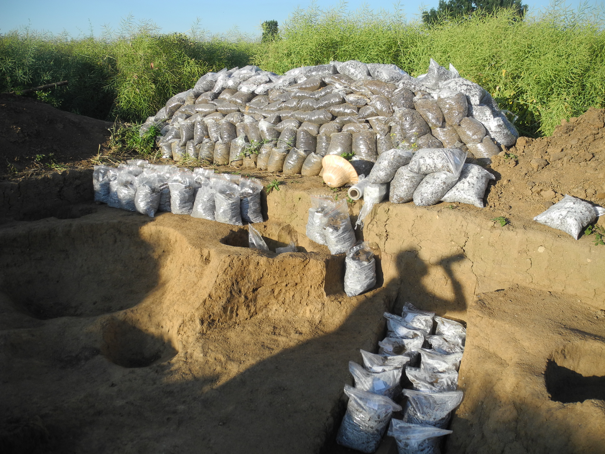
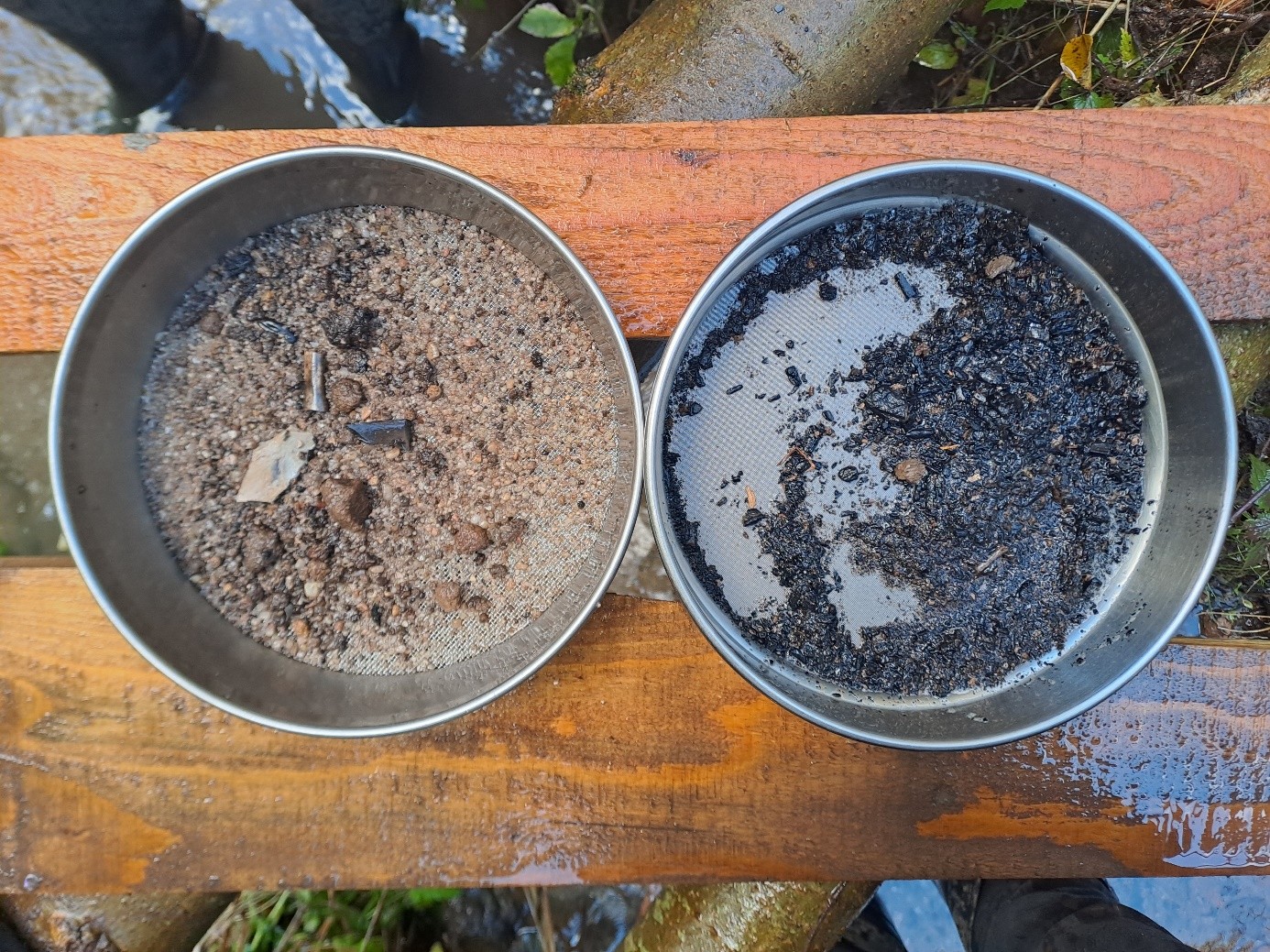
During archaeological excavations, sediment samples are systematically collected from selected contexts and subsequently processed by flotation and wet sieving. The recovered macroremains are sorted under a stereomicroscope and identified using reference collections. This approach makes it possible to study crop cultivation, the gathering of wild plants, food processing, animal husbandry, and long-term changes in land use.
At LAPE, analysis of plant macroremains is applied to a wide range of research topics spanning the period from the Mesolithic to the Early Modern era.
Swiss Stone Pine – A Forgotten Food of Mesolithic Hunter-Gatherers
Today, Swiss stone pine (Pinus cembra) is a characteristic tree species of the high-elevation regions of the Alps and Carpathians. Palaeoecological research has shown, however, that during the Early Holocene it also grew at lower elevations in northern Bohemia, where it formed an important component of open boreal woodlands. This is demonstrated by pollen grains as well as macroremains of needles and seeds recovered from peat deposits in the Bohemian Paradise region.
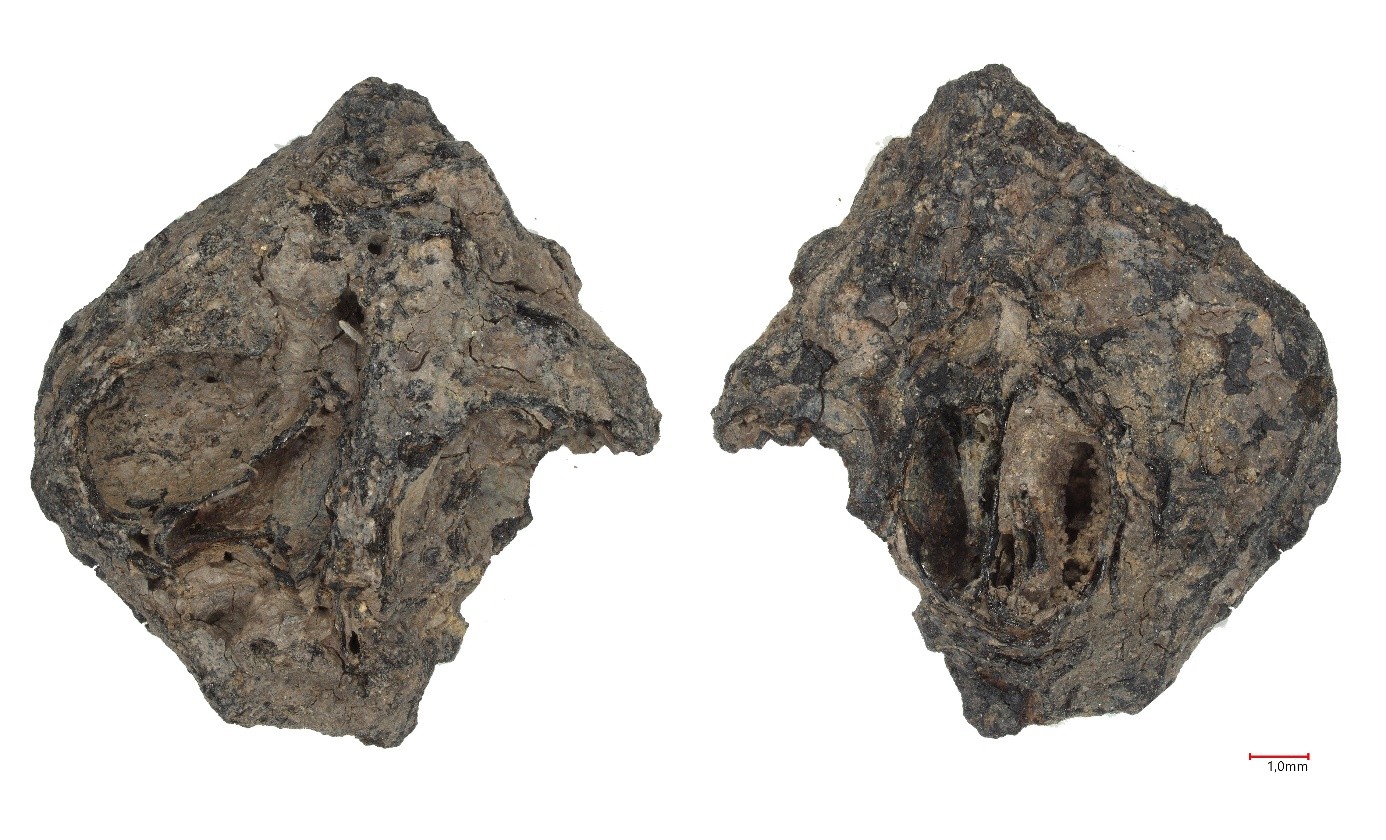
Archaeologists have recently uncovered the first direct evidence of human use of Swiss stone pine in this area. A charred fragment of a pine nut shell was recovered from the Mesolithic layer of the Malý Faraon rock shelter in the Bohemian Paradise and radiocarbon dated to 8239–7876 BC. This find represents the first unequivocal archaeobotanical evidence for the consumption of Swiss stone pine in the Central European Mesolithic. Pine nuts are rich in fats, proteins, and carbohydrates, making them a highly nutritious food resource.
- Pokorný, P., Šída, P., Ptáková, M. & Světlík, I. 2023: A little luxury doesn’t hurt: Swiss stone pine (Pinus cembra L.) – an unexpected item in the diet of central European Mesolithic hunter-gatherers. Vegetation History and Archaeobotany 32, 305–314.
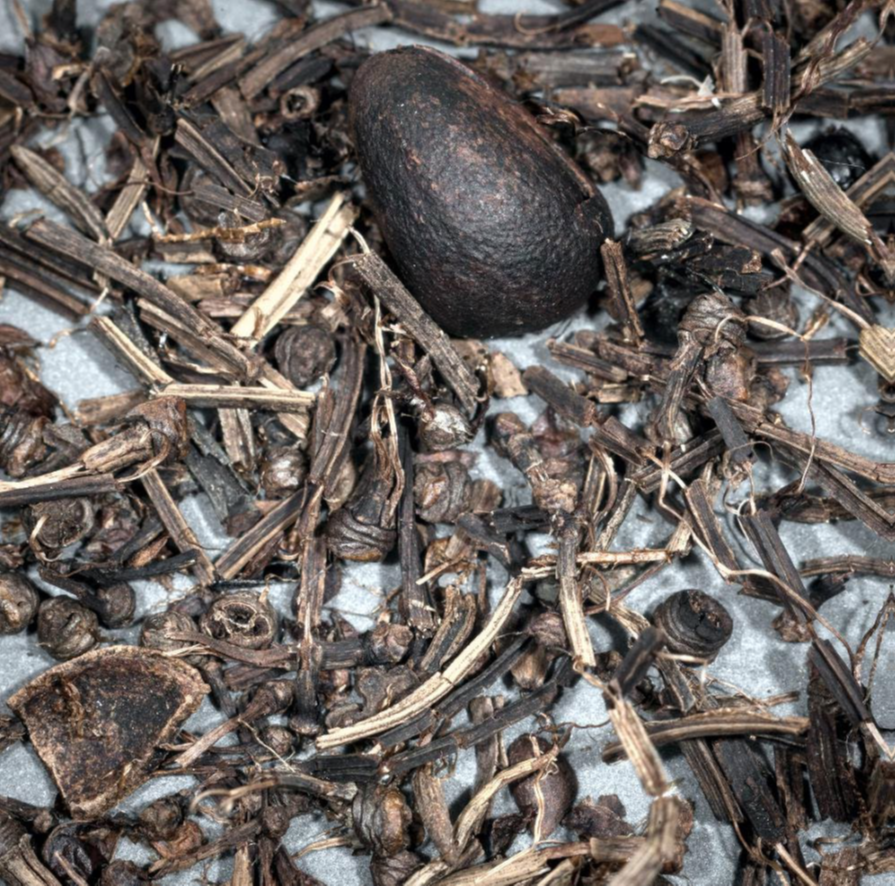
Plant macroremains of Swiss stone pine (Pinus cembra) from the Vlčí důl peat bog in the Bohemian Paradise. Remains of needles and seed shells demonstrate that Swiss stone pine was a common component of Early Holocene boreal forests in northern Bohemia. Archaeological excavations at the nearby Malý Faraon rock shelter additionally yielded a charred fragment of a pine nut shell, representing the first direct evidence for the consumption of this nutritionally valuable tree species by Mesolithic hunter-gatherers in Central Europe. Photo: P. Pokorný.
How Did Forests Feed Livestock?
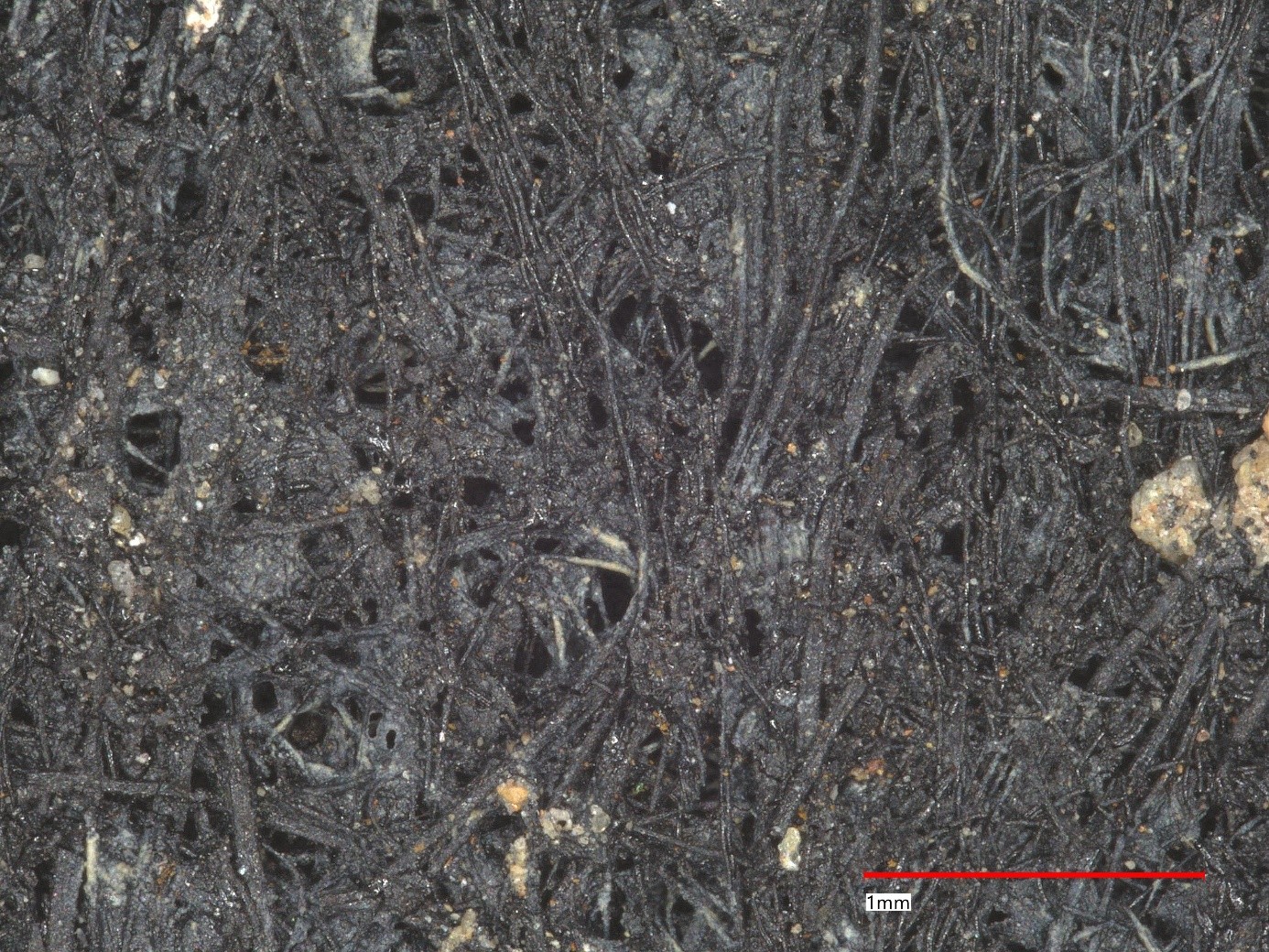
Plant macroremains can be used not only to study plants exploited by humans, but also the diet of domestic animals. An exceptional assemblage recovered beneath the Velký Mamuťák rock shelter in the Bohemian Paradise contained dozens of well-preserved animal droppings and bedding layers formed during repeated episodes of livestock stabling from prehistory to the Middle Ages.
The analysis revealed that the animals were not dependent solely on grazing. Their diet included acorns, beechnuts, mistletoe, heather, elderberries, as well as cereal remains and chaff. Some plants were consumed directly during woodland grazing, whereas others were provided in the form of branches and leafy fodder brought by people. Macroremains preserved in the dung therefore offer a unique insight into everyday livestock management and demonstrate the important role that forests played in supplying fodder for animal herds.
The study also provided one of the most direct pieces of evidence for woodland grazing in Central Europe. While archaeological and pollen records often allow only indirect interpretations, macroremains preserved in dung and bedding deposits represent the actual plants consumed by animals. This makes it possible to reconstruct past management practices with an exceptional level of detail.
- Ptáková, M., Pokorný, P., Šída, P., Novák, J., Horáček, I., Juřičková, L., Meduna, P., Bezděk, A., Myšková, E., Walls, M. & Poschlod, P. 2020: From Mesolithic hunters to Iron Age herders: a unique record of woodland use from eastern central Europe (Czech Republic). Vegetation History and Archaeobotany 29, 561–582.
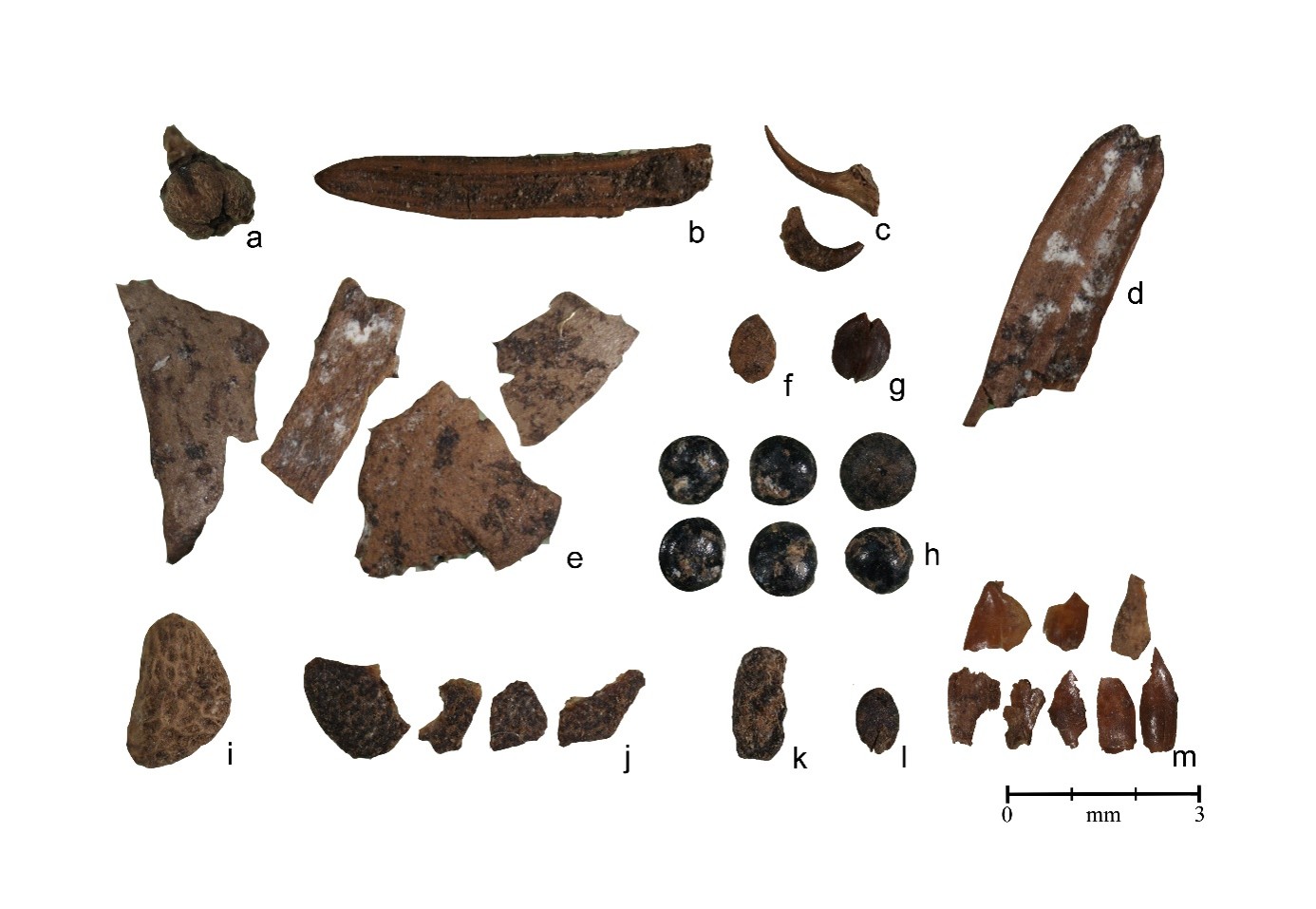
Plant macroremains recovered from animal dung deposits at the Velký Mamuťák rock shelter. Both woodland and cultivated plant species are represented, and their combination allows the reconstruction of grazing practices, foddering strategies, and the use of forest resources in the subsistence economy of past societies. Photo: M. Ptáková.
Vanilla at the Court of Rudolf II
Plant macroremains are capable of revealing even seemingly insignificant traces of long-distance trade. During archaeological excavations in Vladislav Hall at Prague Castle, a desiccated vanilla pod (Vanilla planifolia) dating to the sixteenth–seventeenth centuries was recovered from floor deposits. The find represents the first archaeobotanical evidence of vanilla ever discovered in Europe.
Vanilla originates from the tropical regions of Mesoamerica and reached Europe only after the discovery of the New World. During the reign of Rudolf II, it was an exceptionally rare and expensive commodity accessible only to the highest social elites. The archaeobotanical find from Prague Castle demonstrates that Prague was integrated into commercial networks linking Europe with tropical America at the turn of the sixteenth and seventeenth centuries.
The significance of the discovery is further underscored by the fact that Czech written sources mention vanilla only at the end of the seventeenth century. The plant remain therefore provides an earlier and more direct record of its presence than surviving historical documents. Together with other exotic plants recovered from Prague Castle, it illustrates how rapidly new crops spread to centres of political and economic power in Europe following the discovery of the Americas.
- Irmišová, J., Frolík, J., Tříska, J., Vrchotová, N., Garay-Vazquez, J. J., Velička, T., Světlík, I. & Beneš, J. 2025: The first discovery of a vanilla pod in Europe: A multidisciplinary record from the early modern period of Prague Castle. Journal of Archaeological Science: Reports 63, 105099.
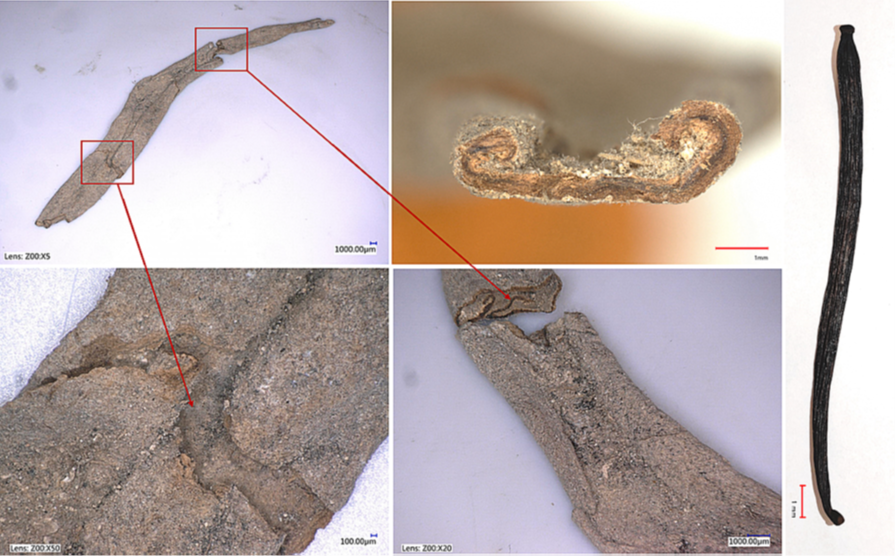
Archaeological vanilla pod recovered from Prague Castle alongside a modern vanilla pod. Photo: J. Beneš.
Unexpected Crops on the Fringe of the Neolithic World
The first farmers of the Linear Pottery Culture are generally associated with a relatively limited set of cultivated crops that spread across Central Europe during the sixth millennium BC. Archaeobotanical research at Neolithic settlements in southern Bohemia, however, suggests that the reality may have been more diverse.
The analysis of nearly eight thousand charred plant macroremains, combined with direct radiocarbon dating of cereal grains, revealed the presence of barley and Timopheev’s wheat. Both crops are surprising finds because evidence for their cultivation in the environment of Early Neolithic Central Europe is extremely rare.
It appears that farmers inhabiting the peripheral regions of the Neolithic world did not follow established agricultural practices uncritically. On the less fertile soils and in the cooler conditions of southern Bohemia, these more resilient crops may have represented a strategy for reducing the risk of harvest failure. The study demonstrates that peripheral regions were not merely passive recipients of new knowledge, but also places where innovative adaptations to local environmental conditions emerged.
- Ptáková, M., Hajnalová, M., Komárková, V., Šálková, T., Prach, J., Pokorná, A., Pták, M., Bumerl, J., Kuneš, P. & Vondrovský, V. 2024: New radiocarbon dates point to the early evolution of resilient agriculture among Central Europe’s first farmers. Radiocarbon 66(4), 750–760.
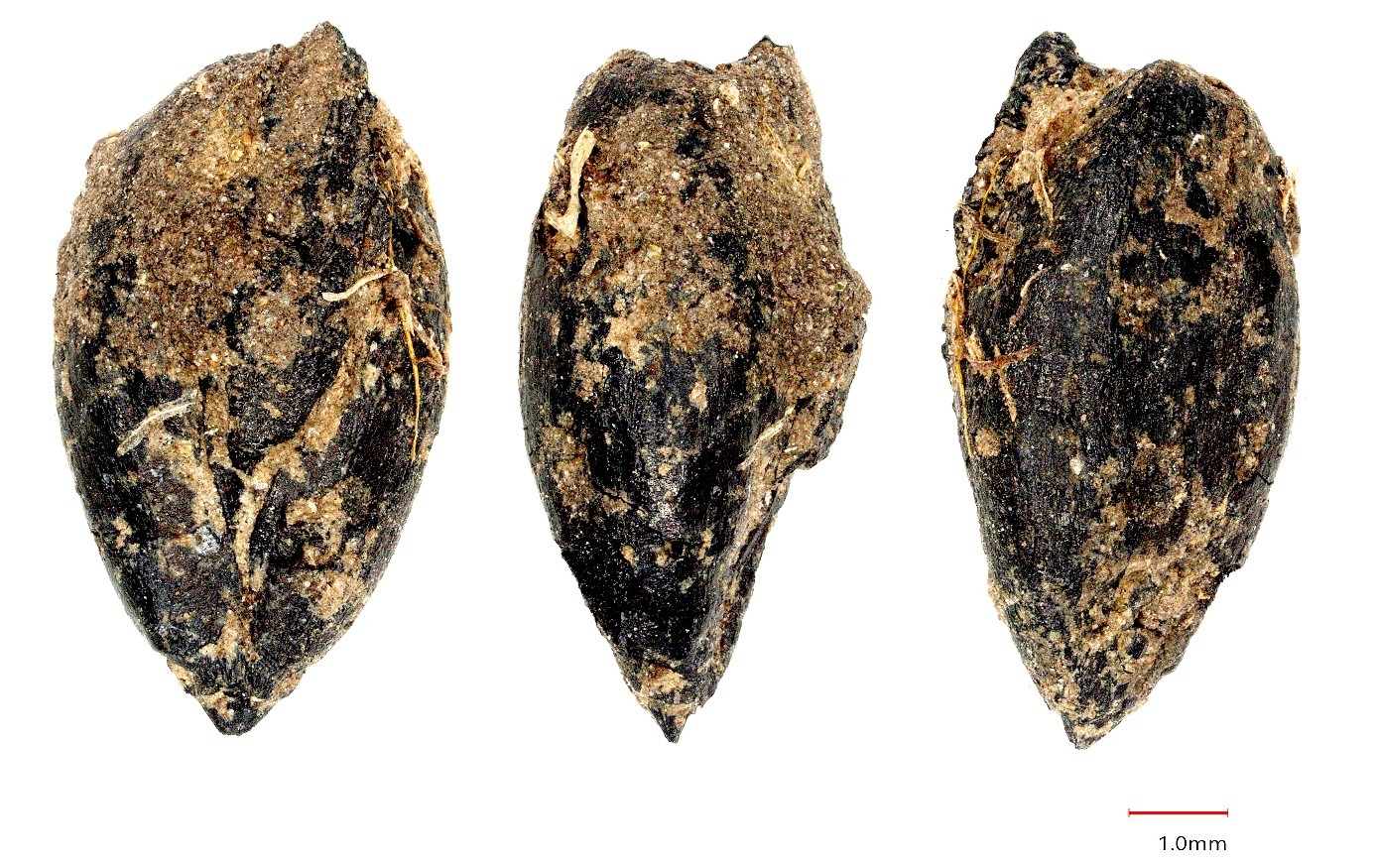
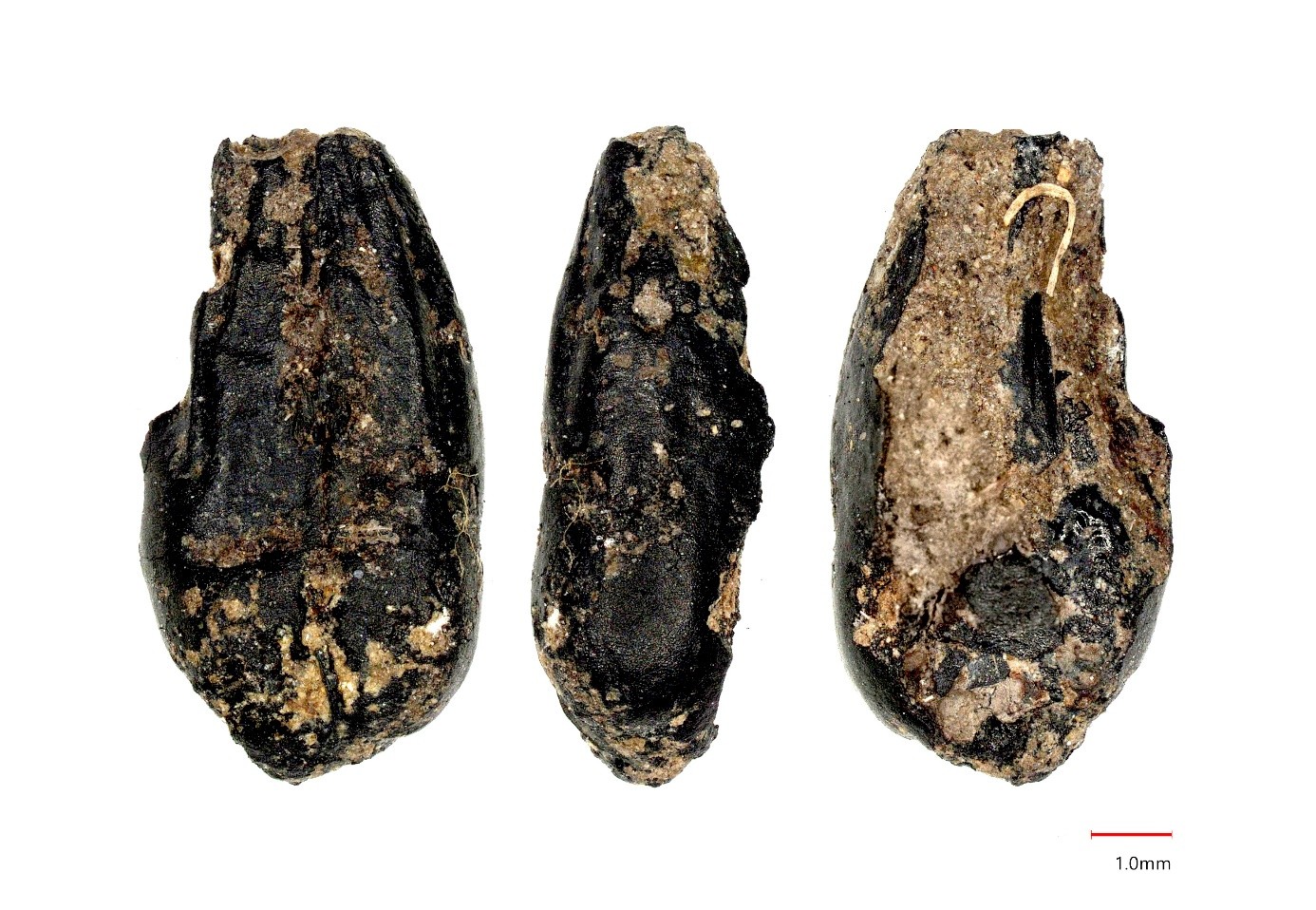
Charred grains of barley and Timopheev’s wheat recovered from Neolithic settlements in southern Bohemia. Photo: M. Ptáková.
What Can Archaeologists Learn from Analysis of Plant Macroremains?
Analysis of plant macroremains can provide:
- identification of cultivated crops and useful wild plants,
- reconstruction of diet and the use of plant resources,
- insights into farming strategies and crop-processing practices,
- evidence for grazing and the feeding of domestic animals,
- information on trade contacts and the spread of new crops,
- reconstruction of everyday activities related to the acquisition and processing of plants,
- understanding of the long-term relationships between humans, animals, and landscapes.
Analysis of plant macroremains is based on the systematic collection of sediment samples from archaeological contexts and their subsequent processing through flotation and sieving. The quality of the results therefore depends not only on the preservation of plant remains, but also on a well-designed sampling strategy tailored to the research questions being addressed. The most informative contexts are typically those associated with waste disposal, storage, food preparation, animal husbandry, or environments characterised by exceptional preservation of organic materials.
When samples are collected and processed appropriately, plant macroremains make it possible to reconstruct everyday activities, economic strategies, and interactions between humans, animals, and the environment with an exceptional degree of detail.