
Scientists from the Faculty of Science, University of South Bohemia and the Biology Centre of the Czech Academy of Sciences have discovered that insects can “anticipate” the arrival of a challenging season and prepare for it by strengthening their immunity according to day length. The study, published in the journal Insect Biochemistry and Molecular Biology, shows that the firebug Pyrrhocoris apterus activates its defense mechanisms even before it actually encounters infection or winter conditions.
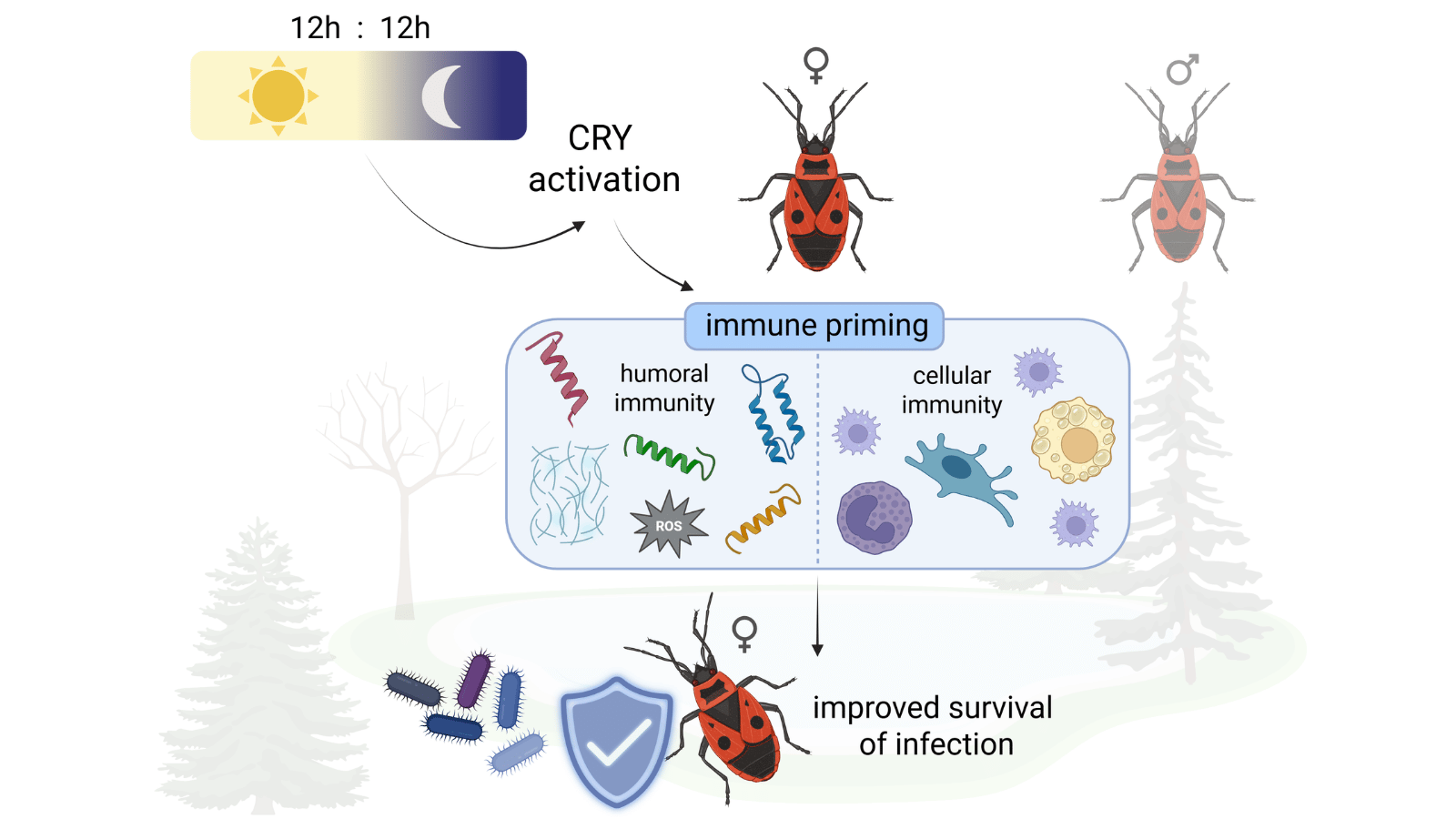
The researchers investigated how the insect immune system is influenced by photoperiod — that is, the length of day and night. Changes in day length provide many organisms with a reliable signal that autumn and winter are approaching. In the firebug, short days trigger diapause, a special physiological state similar to winter dormancy that allows the organism to survive unfavorable conditions.
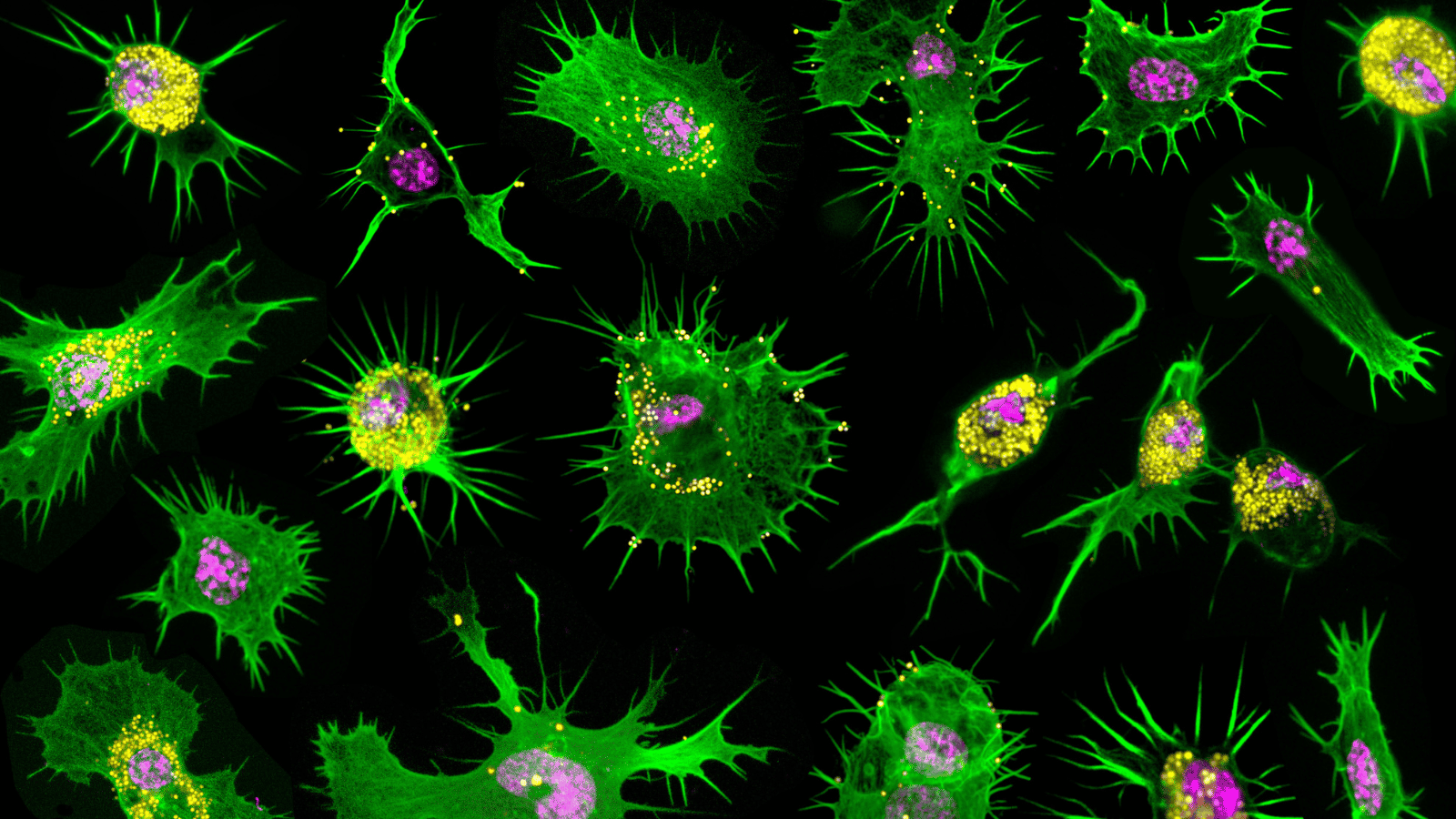
The study revealed that females exposed to “autumn-like” short days had a significantly more active immune system than individuals kept under long summer-day conditions. Their bodies contained more immune cells, the activity of genes associated with defense against infections increased, and their hemolymph — the insect equivalent of blood — was able to eliminate bacteria more effectively. When the researchers subsequently infected the insects with the bacterium Streptococcus pneumoniae, females prepared under short-day conditions survived significantly longer.
Interestingly, this effect was particularly pronounced in females, while the immune system of males responded only minimally to changes in day length. The findings therefore suggest that females and males may use different strategies for surviving the winter period.
The study also showed that a gene known as cryptochrome plays a key role in this process. This gene functions as part of the biological clock and helps the organism evaluate day length. Individuals in which this gene was experimentally disrupted using the CRISPR-Cas9 method were unable to increase the activity of their immune system before the onset of winter.
Importantly, the researchers observed the same changes not only under laboratory conditions, but also in individuals collected in the wild. The results therefore indicate that this process represents a genuine adaptive mechanism that helps insects survive in a changing environment.
This unique experimental model opens up new opportunities for studying the mechanisms of interaction between the photoperiodic clock and the immune system, and could help explain, for example, why our immune system functions differently in different seasons of the year.
Publication available at: Sciencedirect
Bajgar, A., Krejčová, G., Smýkal, V., Doležel, D. (2026). Photoperiod induces sex-specific immune priming in Pyrrhocoris apterus. Insect Biochemistry and Molecular Biology. 10.1016/j.ibmb.2026.104589
Contact: RNDr. Gabriela Krejčová, Ph.D. (


