
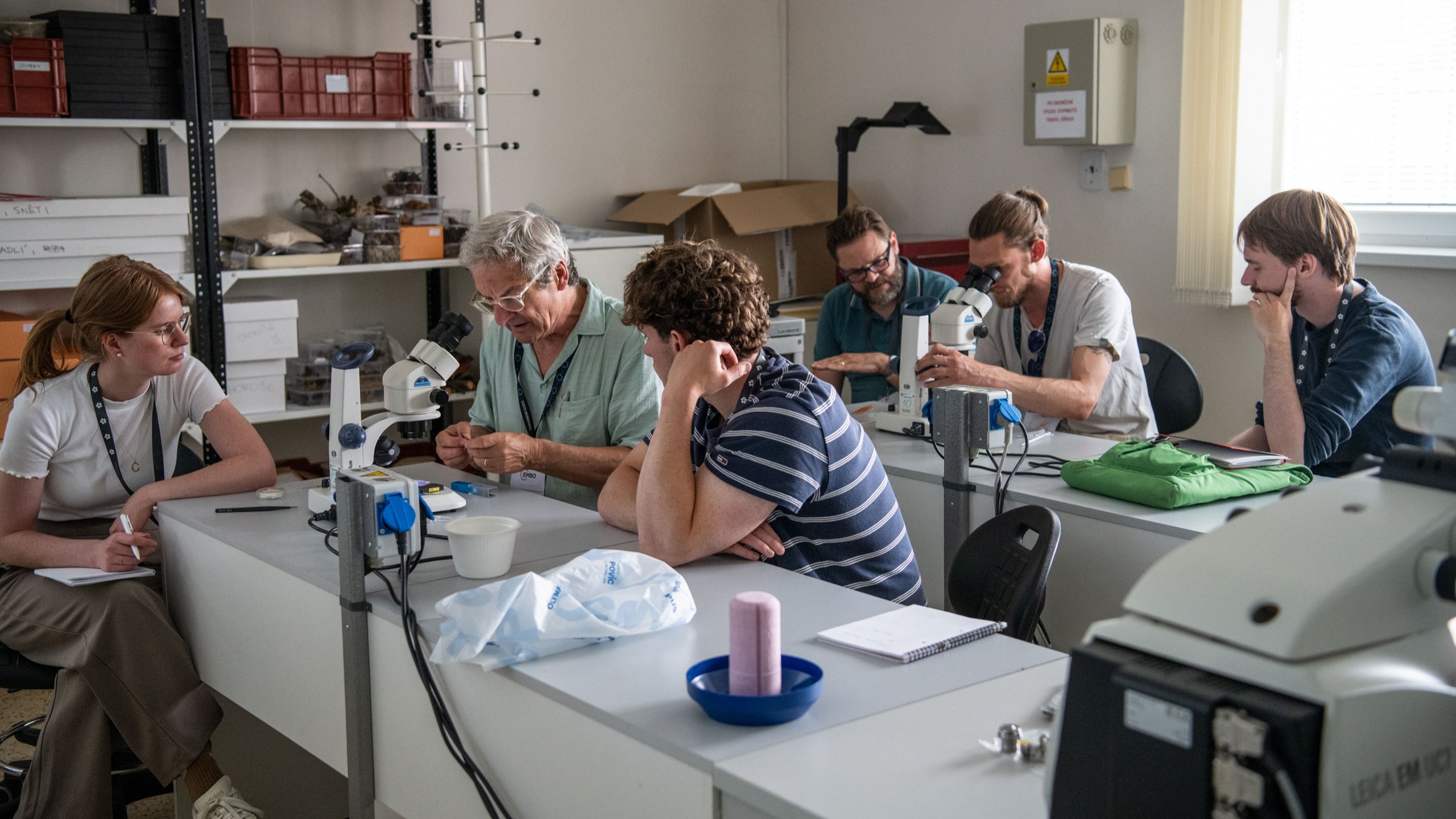
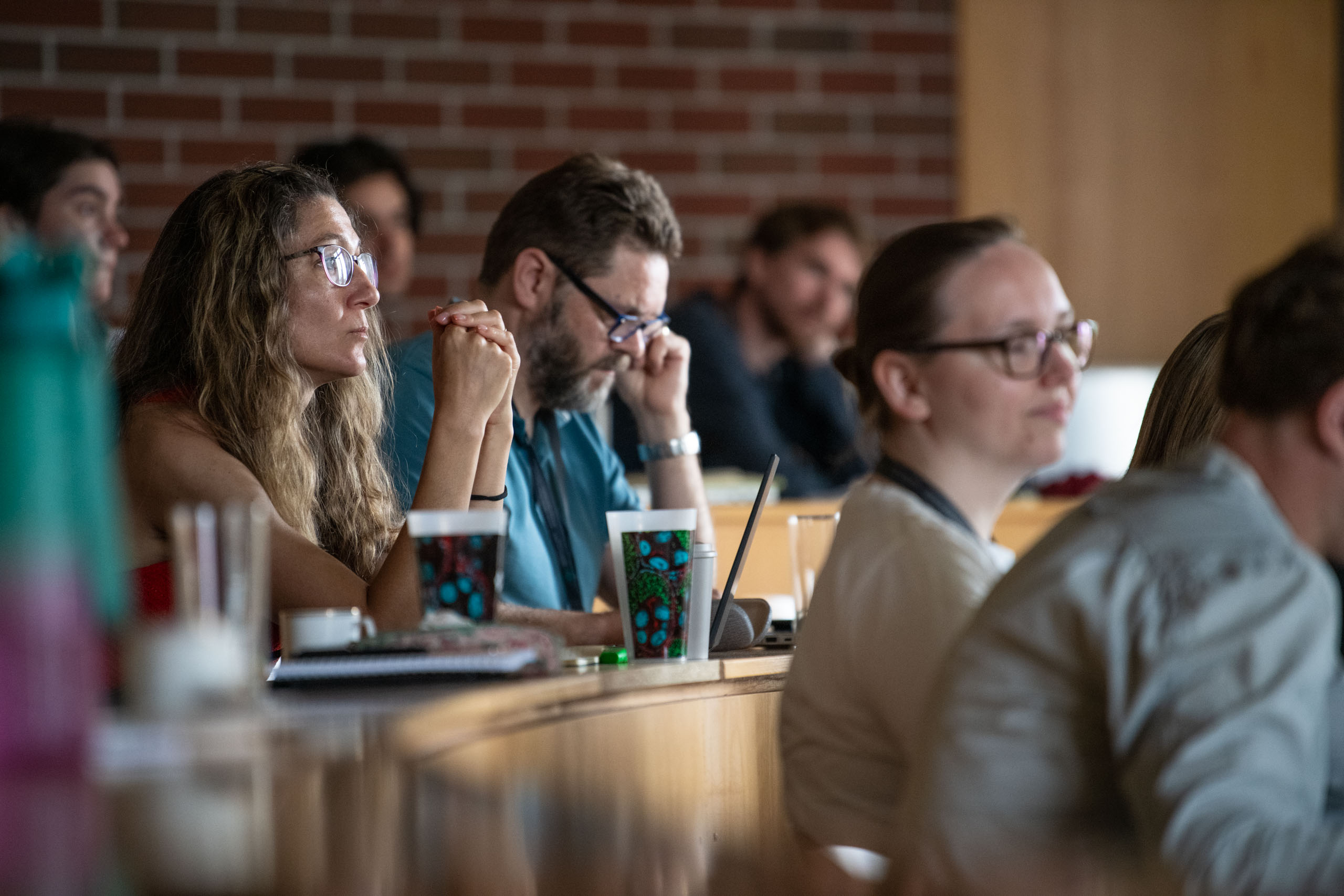
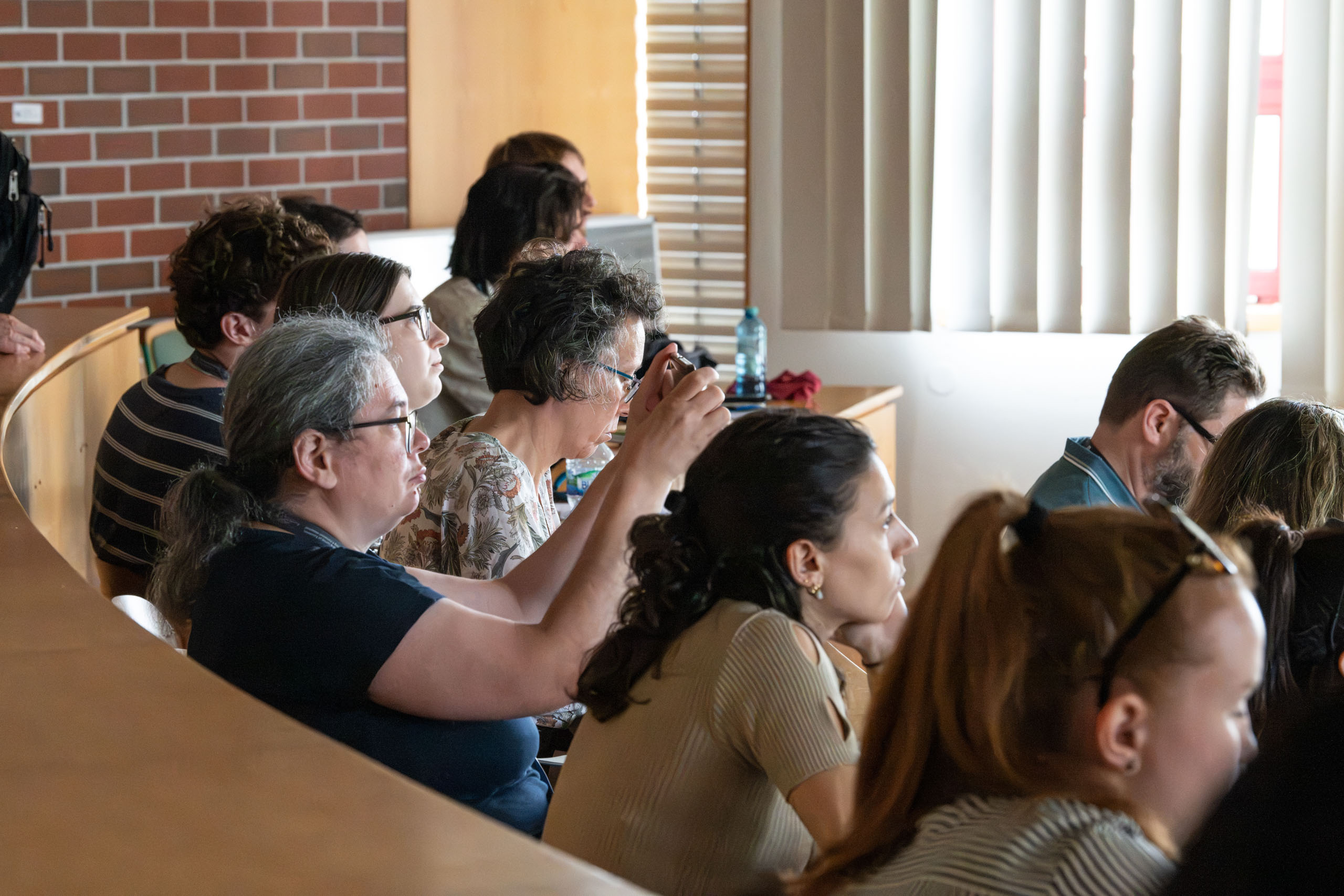
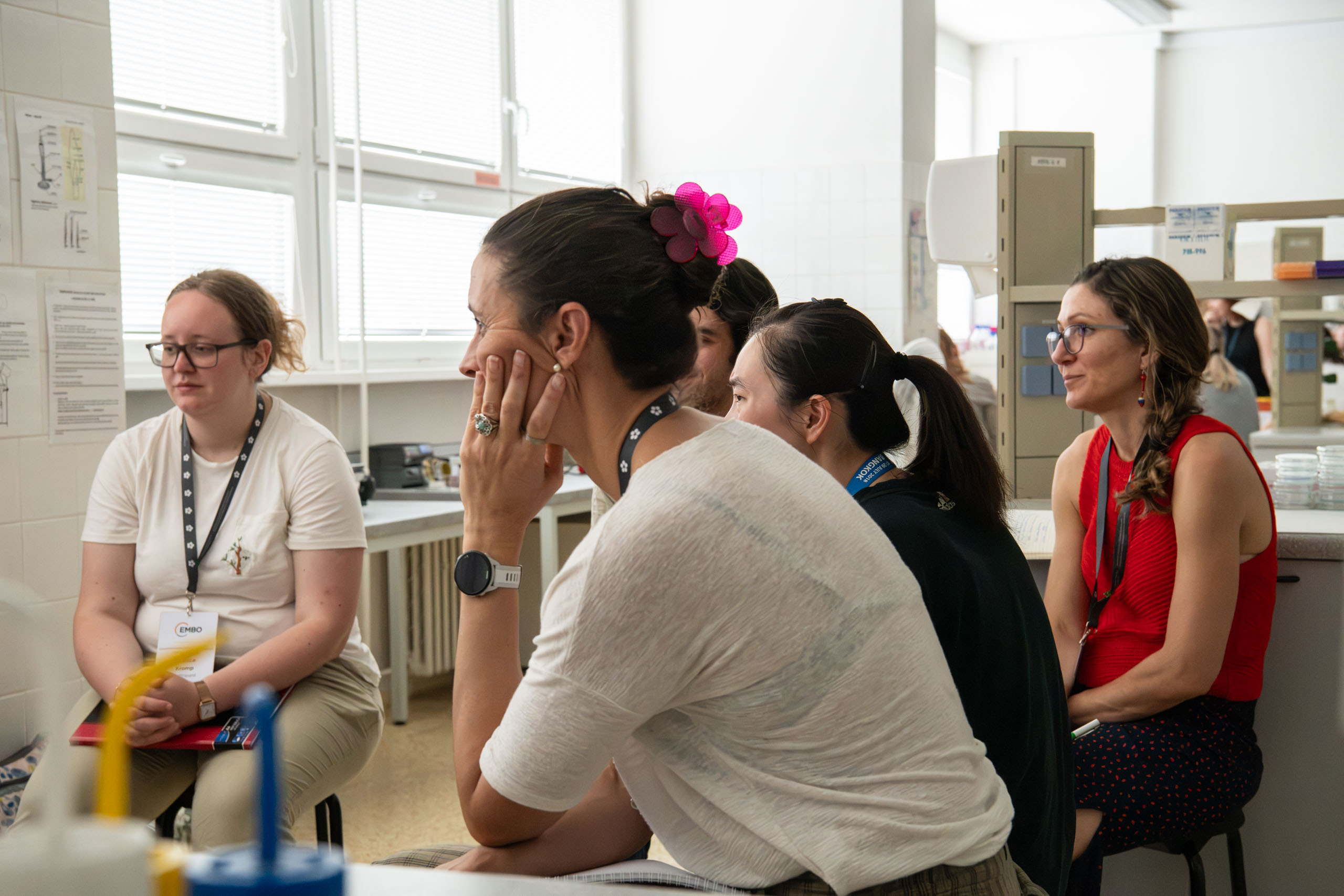
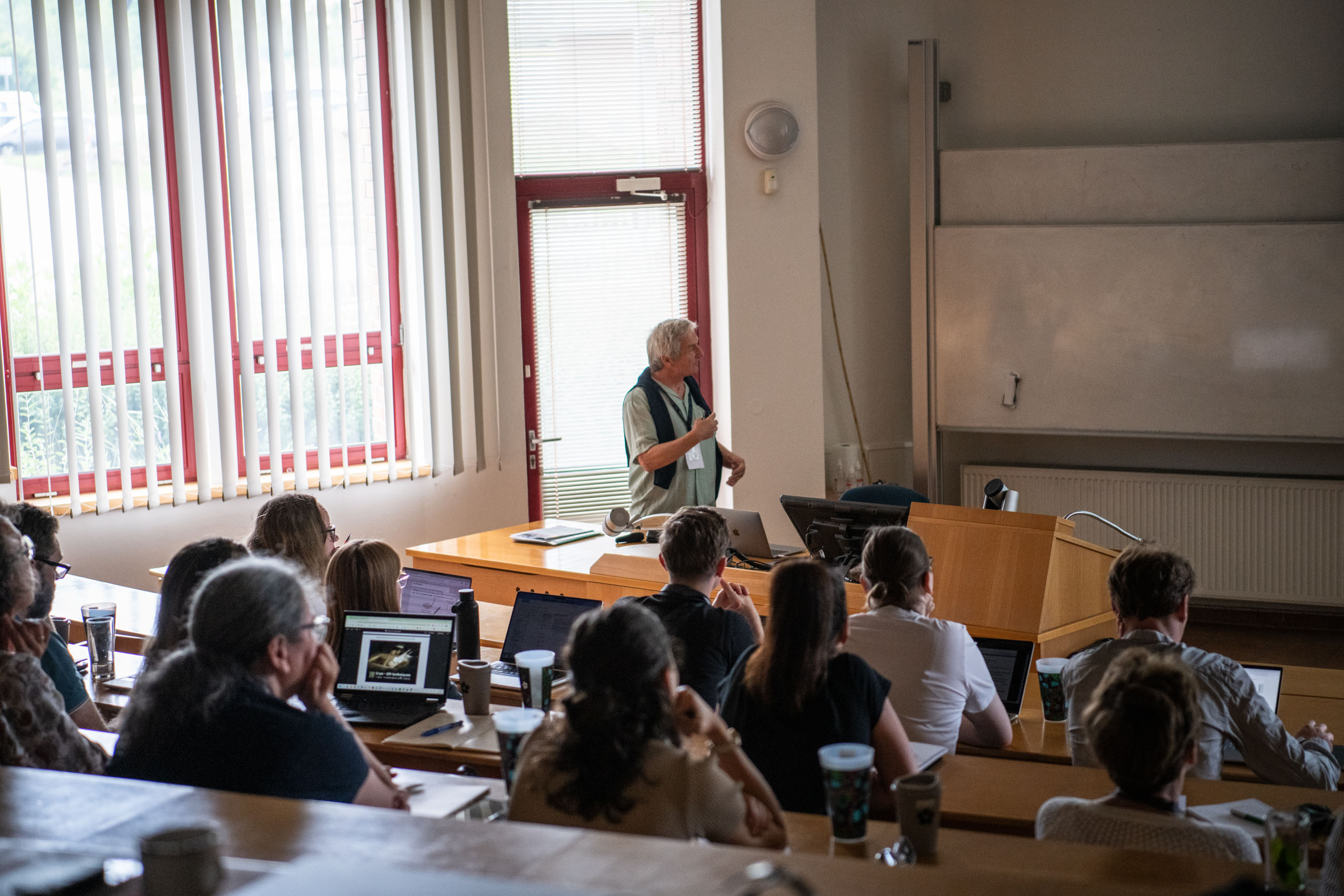
The EMBO Practical Course Quantitative Electron Microscopy for Cell Biology was successfully held from 22 June to 2 July 2026 at the Laboratory of Electron Microscopy, Biology Centre of the Czech Academy of Sciences, in cooperation with the University of South Bohemia. The course provided intensive theoretical and hands-on training in modern electron microscopy methods for cell biology. Its primary objective was to equip early-career researchers with practical skills covering the complete workflow of quantitative electron microscopy, from sample preparation to image acquisition, three-dimensional reconstruction, quantitative analysis and data interpretation.
Scientific programme
The programme combined lectures delivered by internationally recognized experts with extensive practical sessions. Participants received training in:
- chemical fixation and resin embedding,
- high-pressure freezing and freeze substitution,
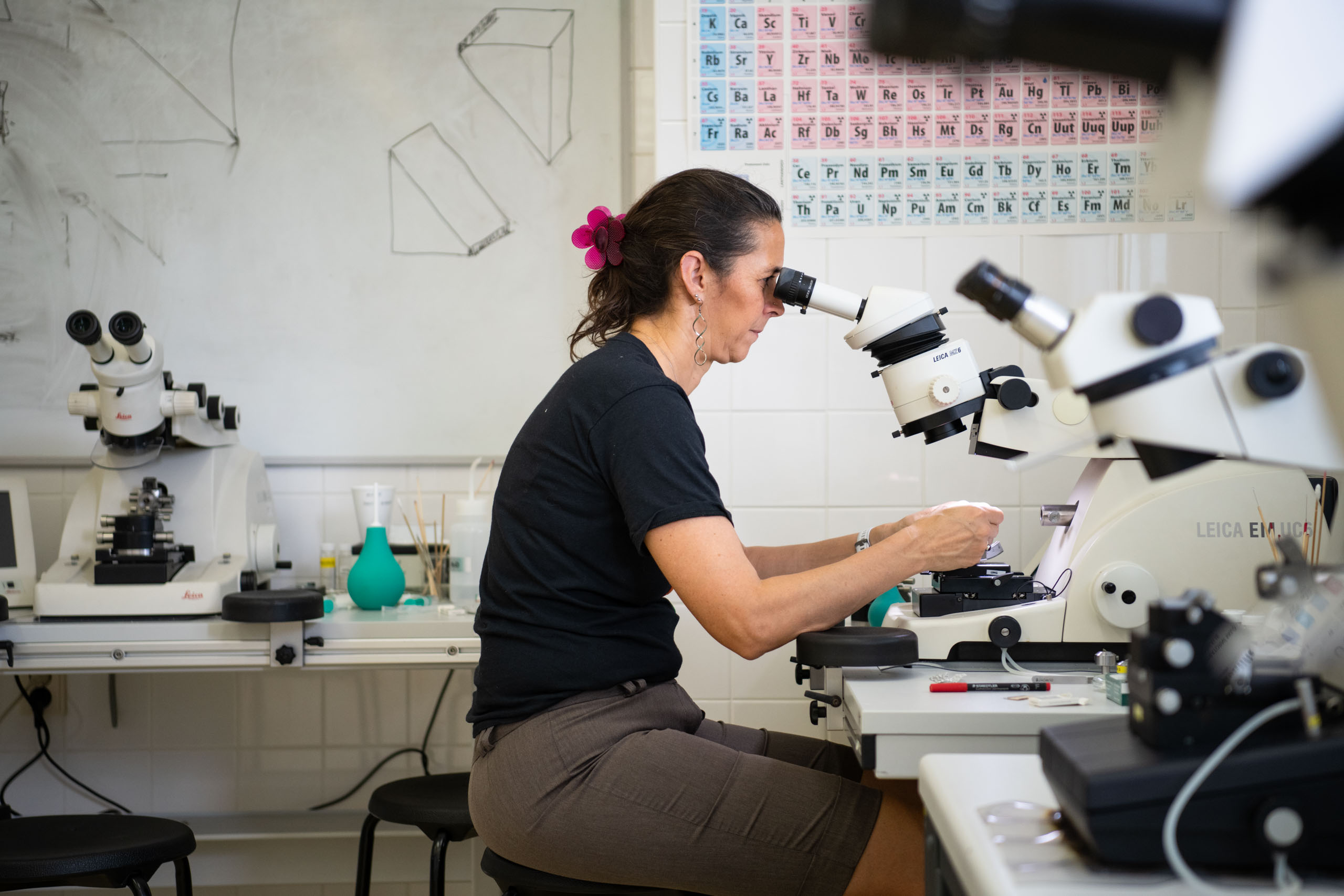
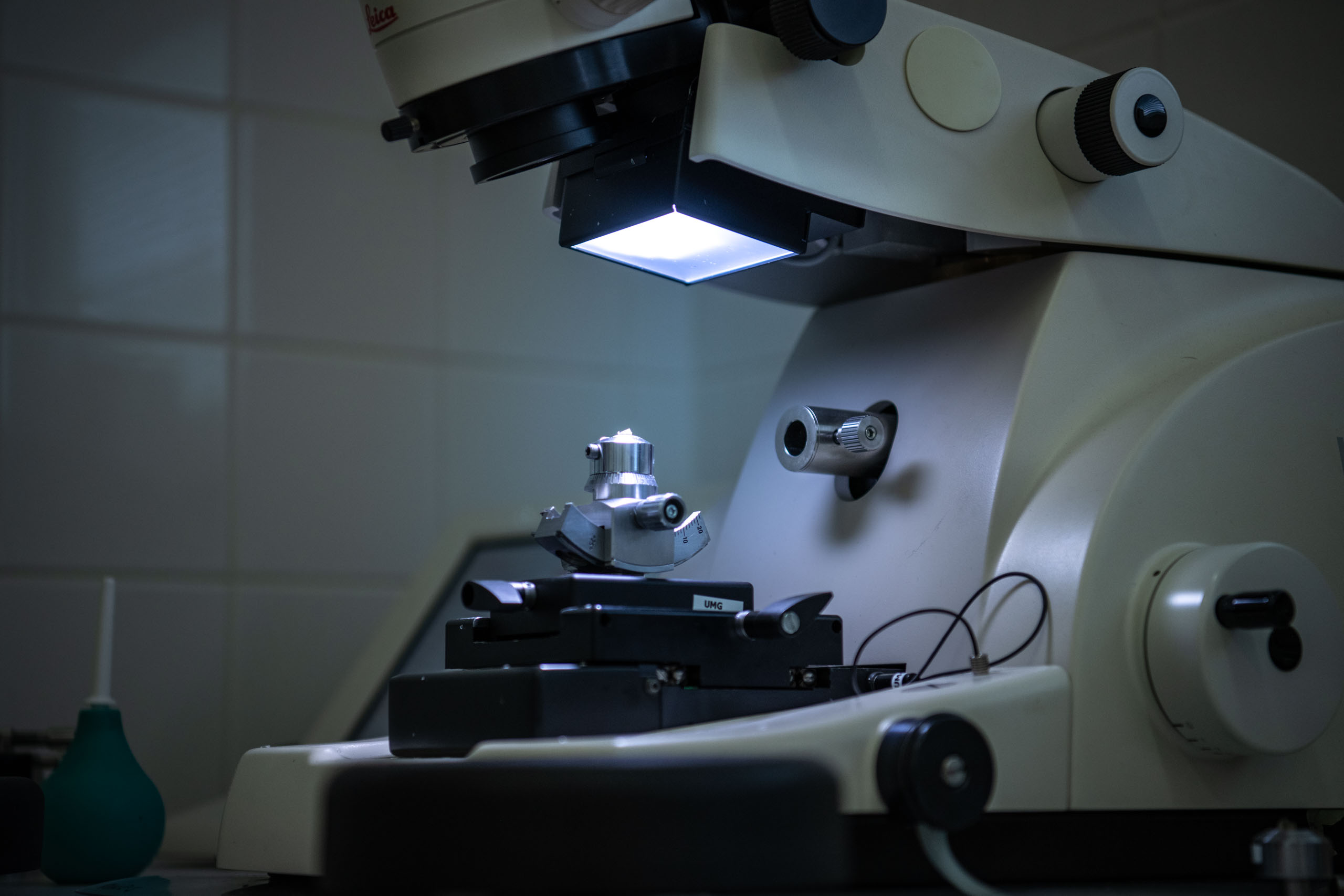
- cryo-ultramicrotomy,
- immunogold labelling,
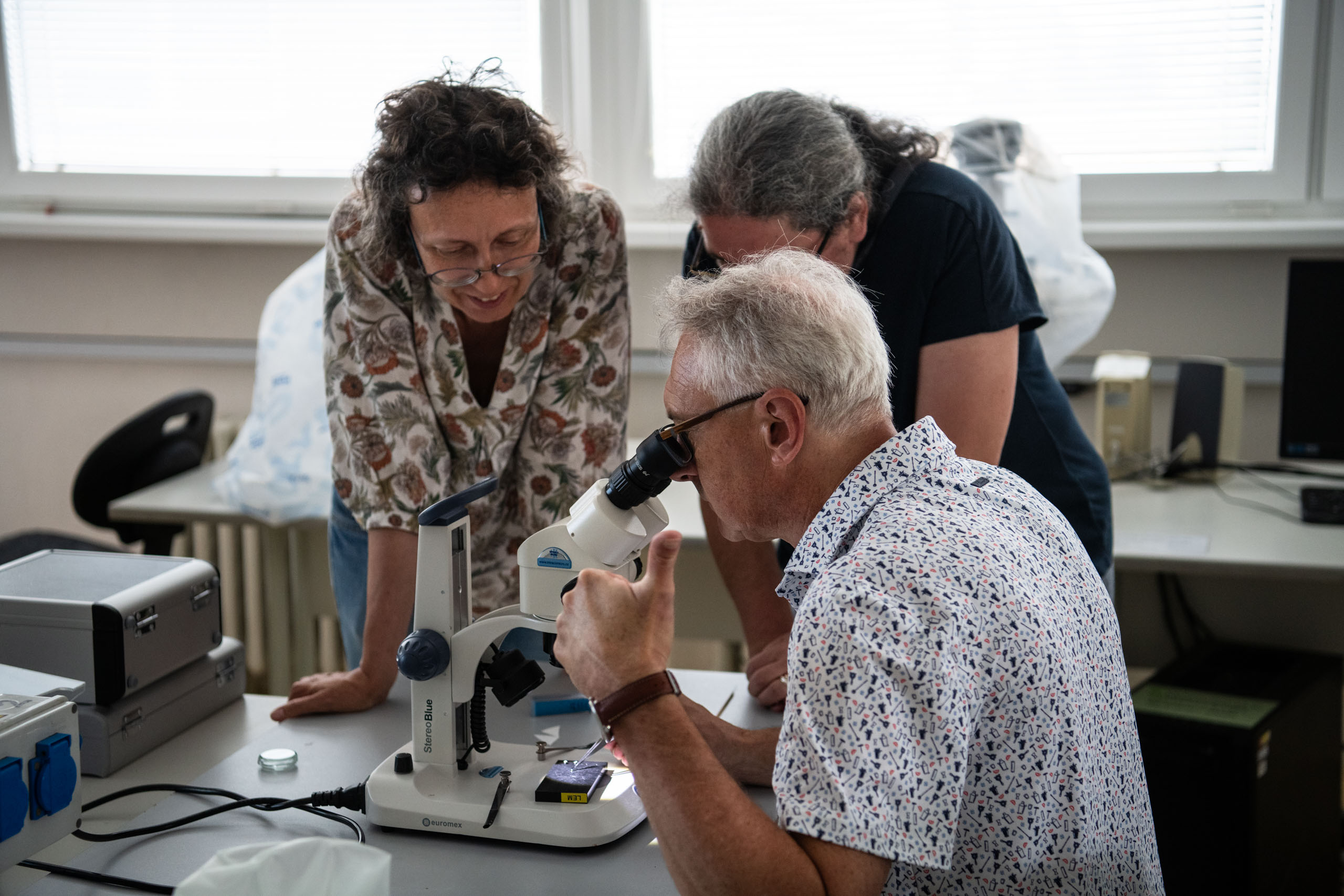
- transmission electron microscopy (TEM),
- electron tomography,
- serial block-face scanning electron microscopy (SBF-SEM),
- array tomography,
- stereology and quantitative image analysis,
- image processing and reconstruction workflows
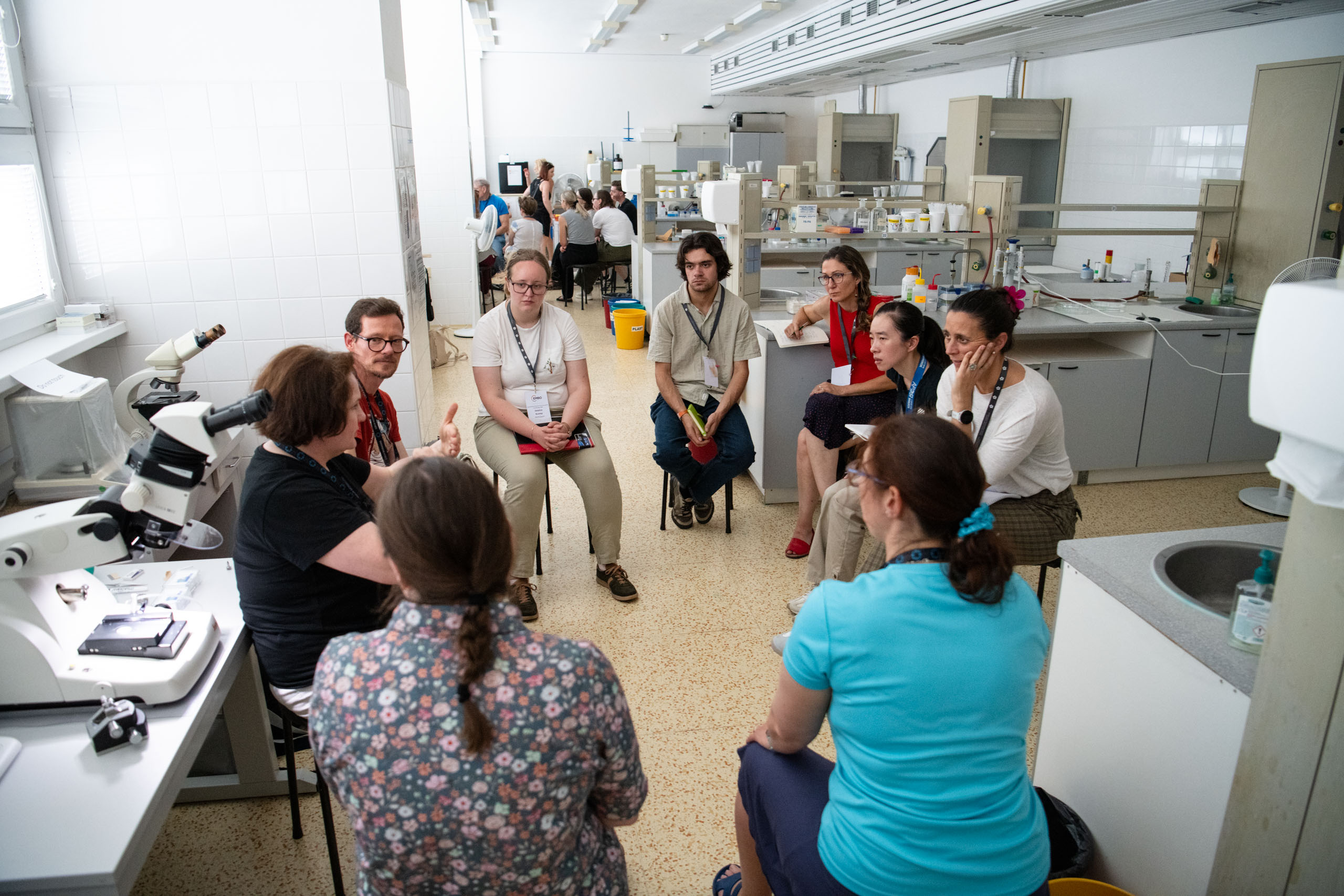
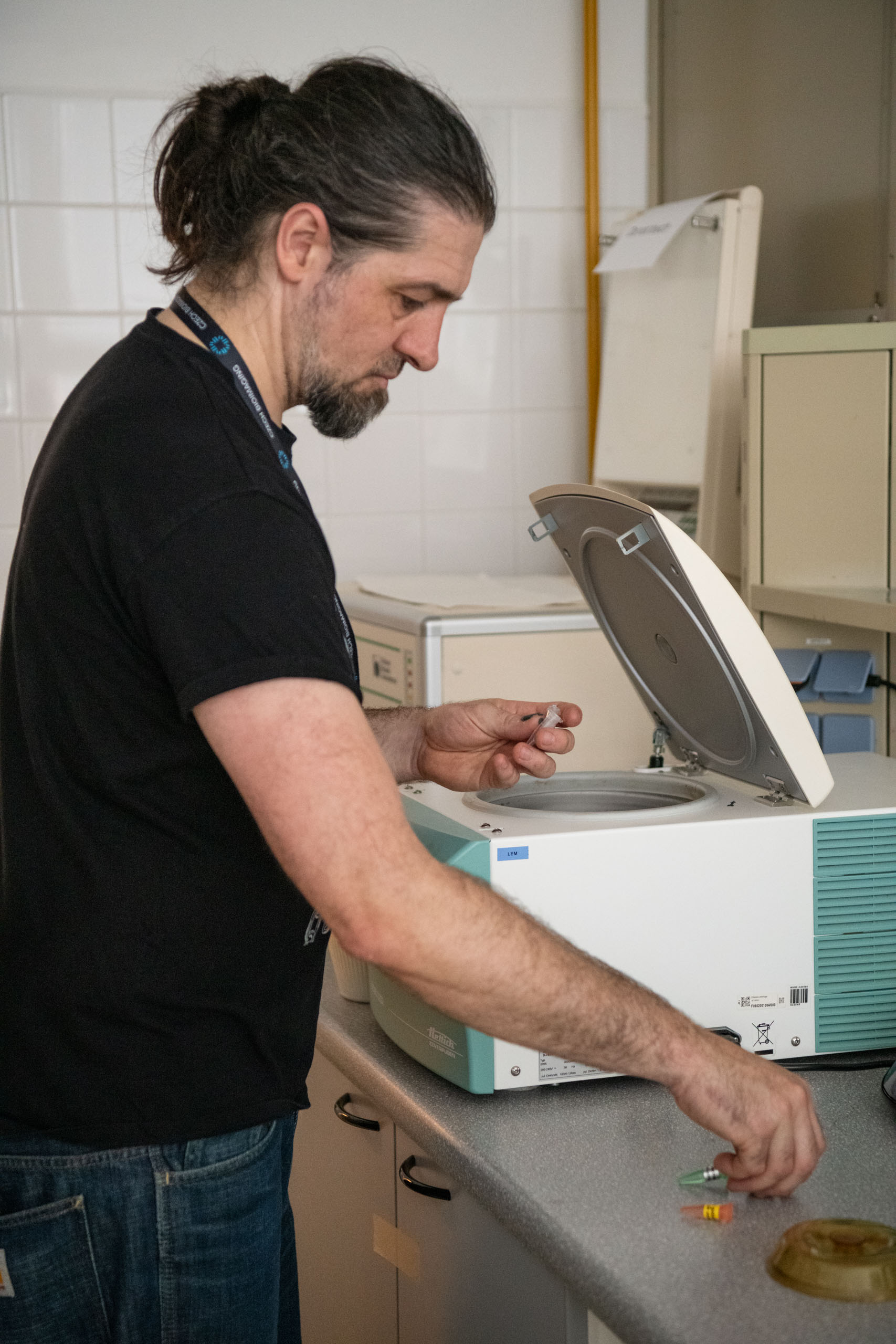
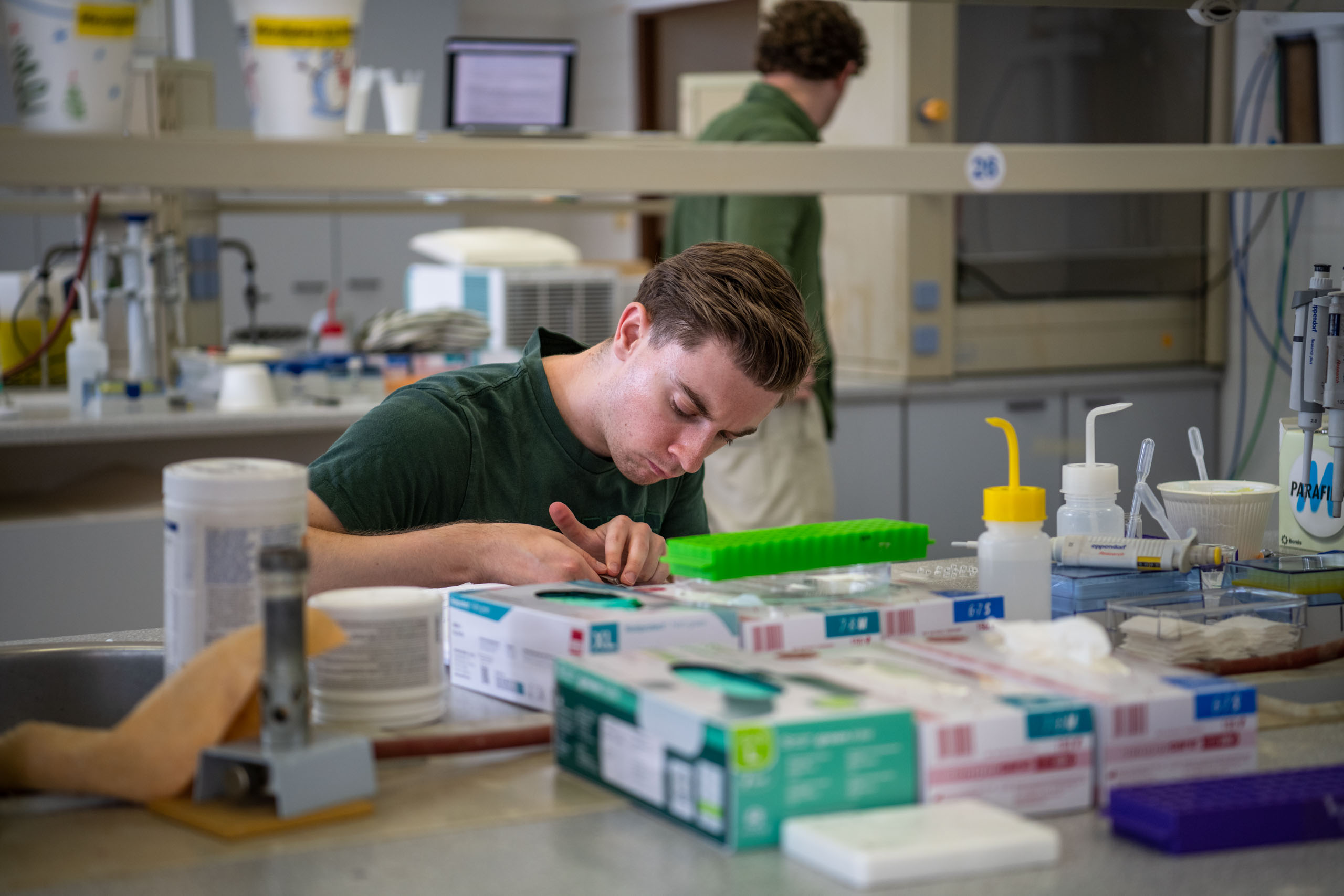
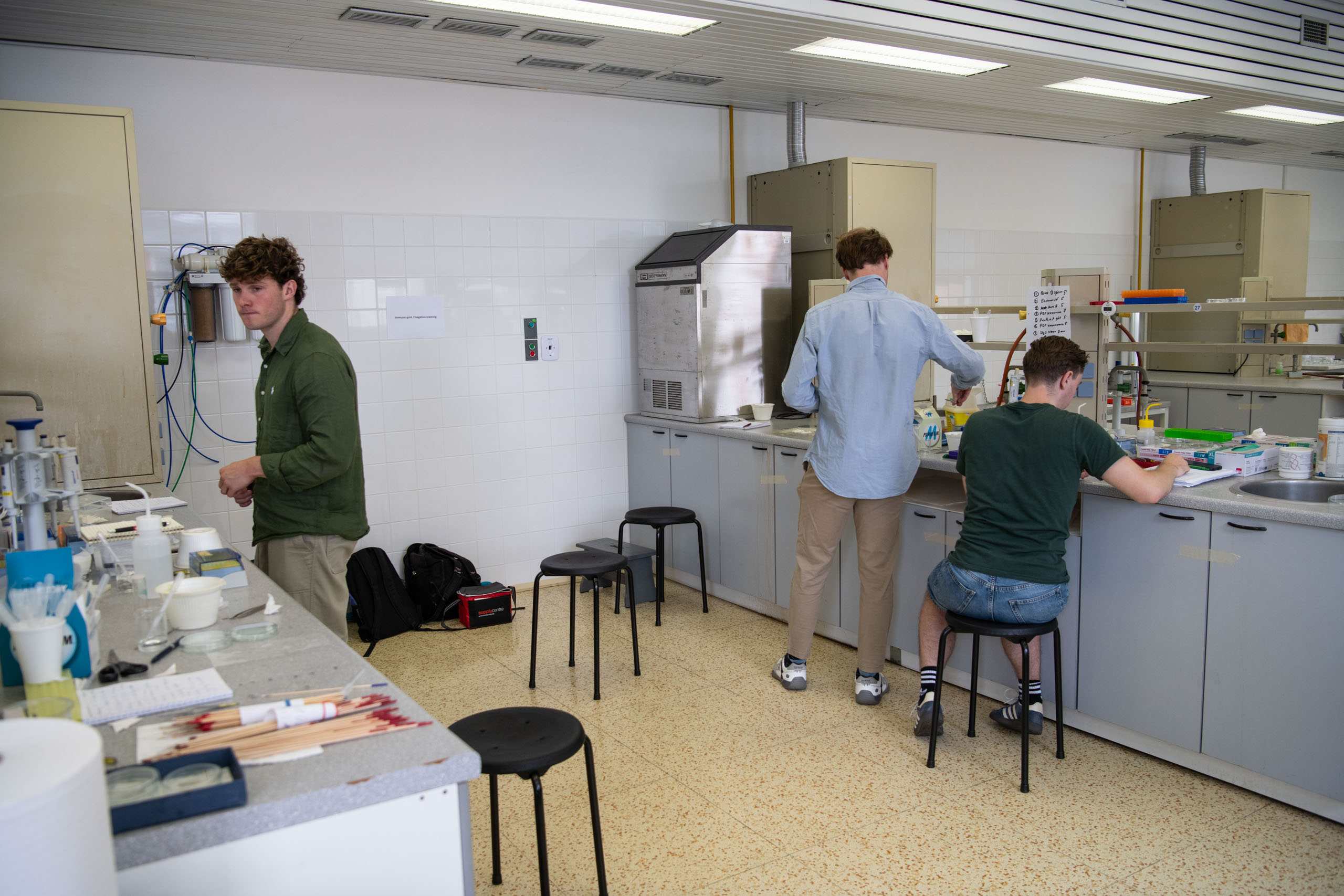
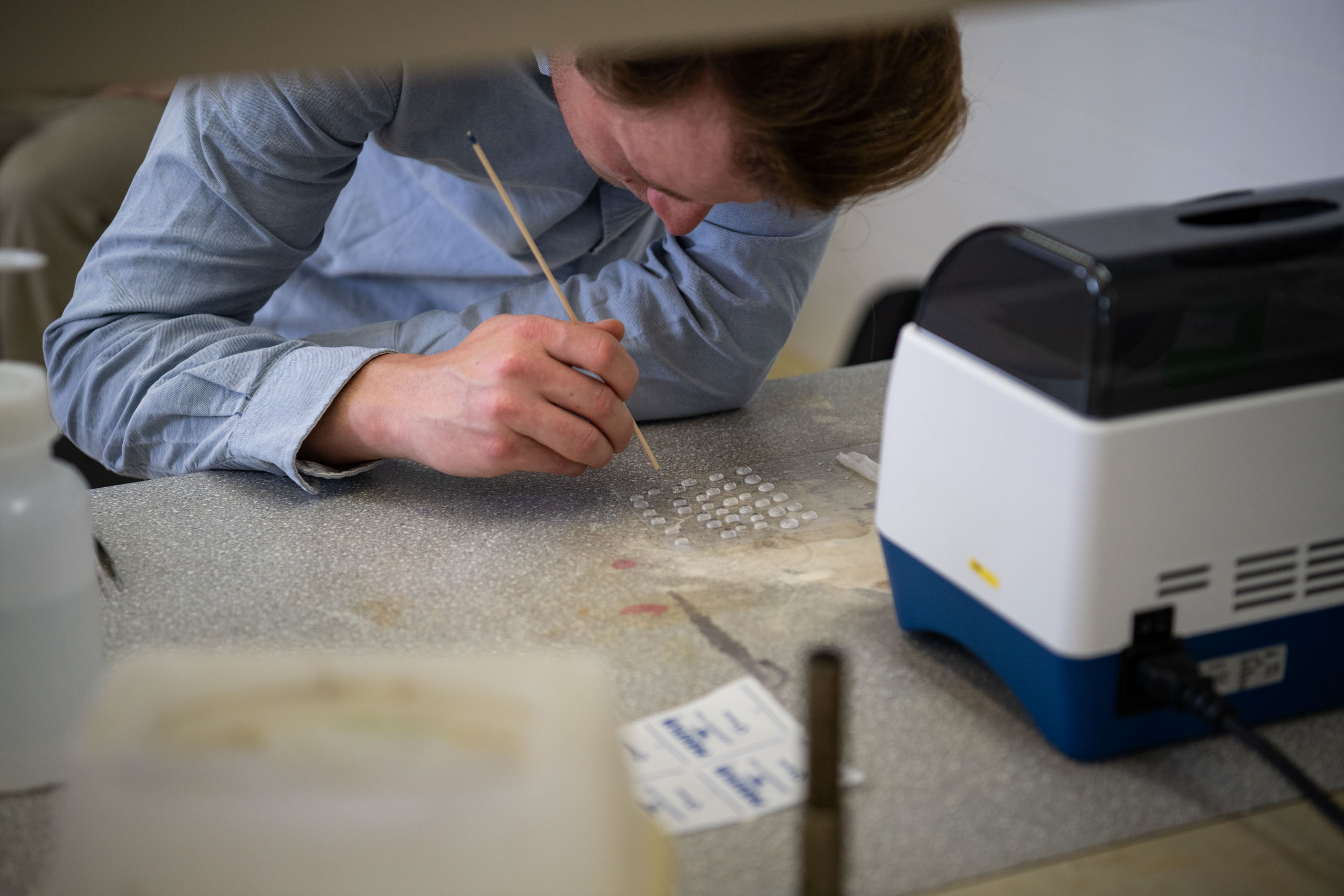
A major strength of the course was the emphasis on practical laboratory work. Participants worked in small groups, allowing close interaction with instructors and maximizing hands-on experience.
Participants
The course brought together an international group of PhD students, postdoctoral researchers and early-career scientists representing diverse research fields. Each participant introduced their research project during short presentations at the beginning of the course and had the opportunity to discuss experimental design with instructors throughout the programme.
Participants were encouraged to bring their own biological samples, enabling project-oriented training and direct application of newly acquired methods to their own research.
Organization
The course ran according to the planned schedule without major organizational issues. Laboratory sessions, lectures, accommodation and transportation were well coordinated. The support provided by the organizing team, instructors, technical staff and administrative personnel ensured the smooth operation of the course.
The relatively small number of participants enabled intensive interaction between trainees and instructors, creating an excellent learning environment and fostering scientific discussions throughout the event.
Outcomes and impact
The course successfully achieved its educational objectives by providing participants with practical experience in advanced electron microscopy techniques and quantitative analysis methods. Participants gained confidence in selecting appropriate EM methodologies for their biological questions and learned how to integrate multiple imaging approaches into their future research projects.
Beyond technical training, the course promoted international collaboration and networking among researchers working in diverse areas of cell biology and structural biology. Numerous discussions initiated during the course are expected to develop into future scientific collaborations.
Participant feedback was highly positive, particularly regarding the extensive hands-on laboratory training, accessibility of instructors, quality of teaching, and the opportunity to work directly with advanced microscopy instrumentation.
Conclusion
The EMBO Practical Course Quantitative Electron Microscopy for Cell Biology successfully met its scientific and educational goals. The combination of high-quality lectures, intensive practical sessions, project-oriented training and close interaction between participants and instructors created an outstanding learning experience.
The organizers would like to thank EMBO for its generous financial support, which made it possible to organize this international training event and provide young scientists with access to state-of-the-art electron microscopy methodologies. The course substantially contributed to strengthening expertise and fostering collaborations within the international electron microscopy community.


