
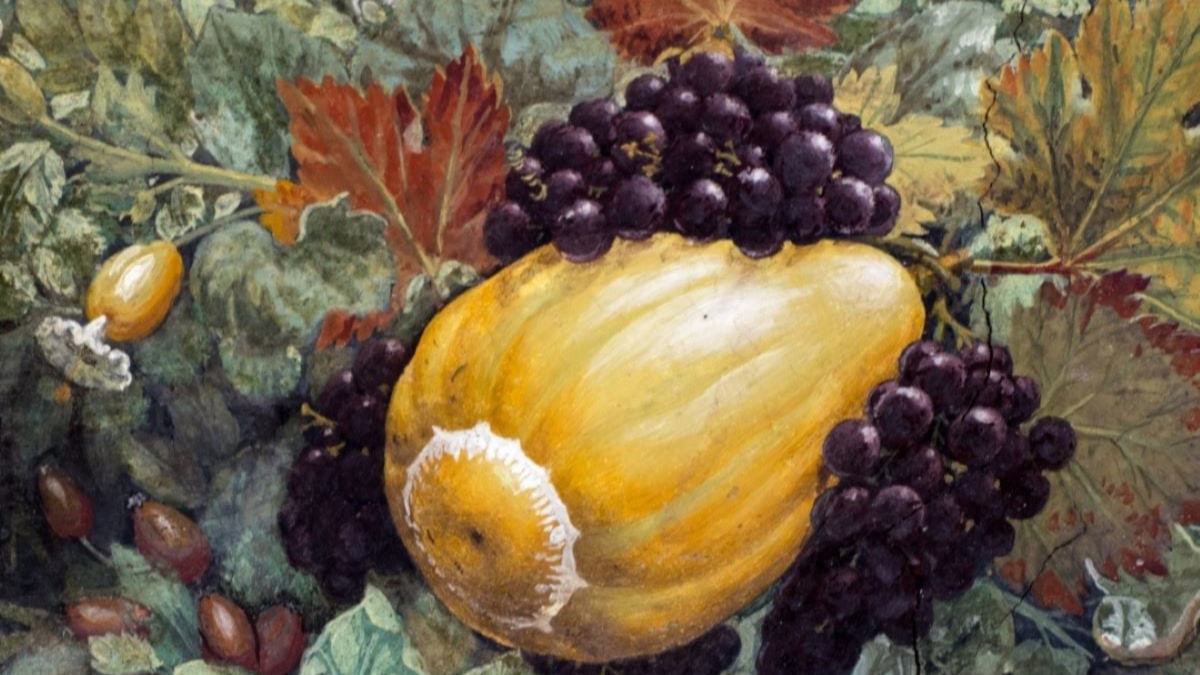
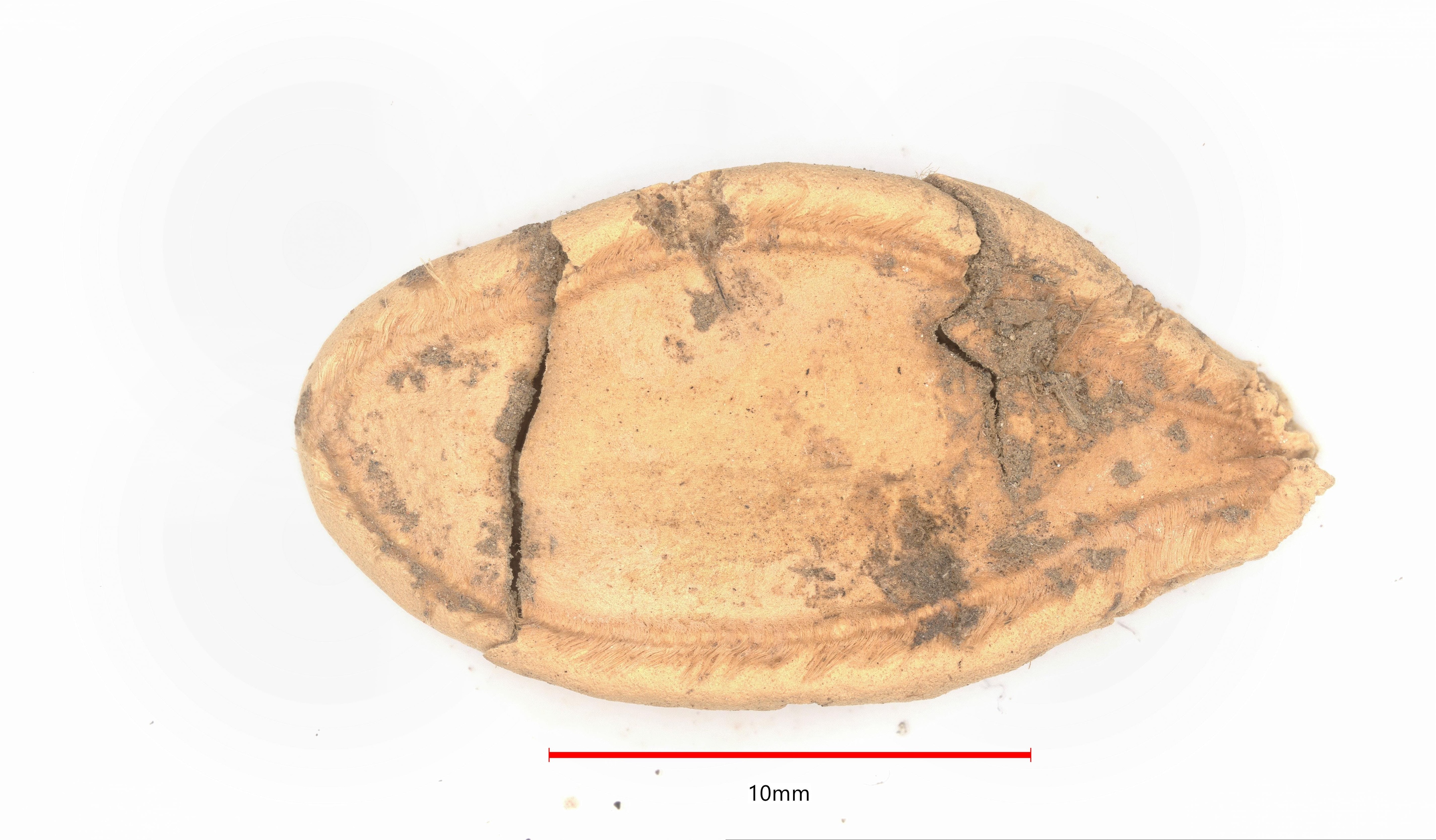
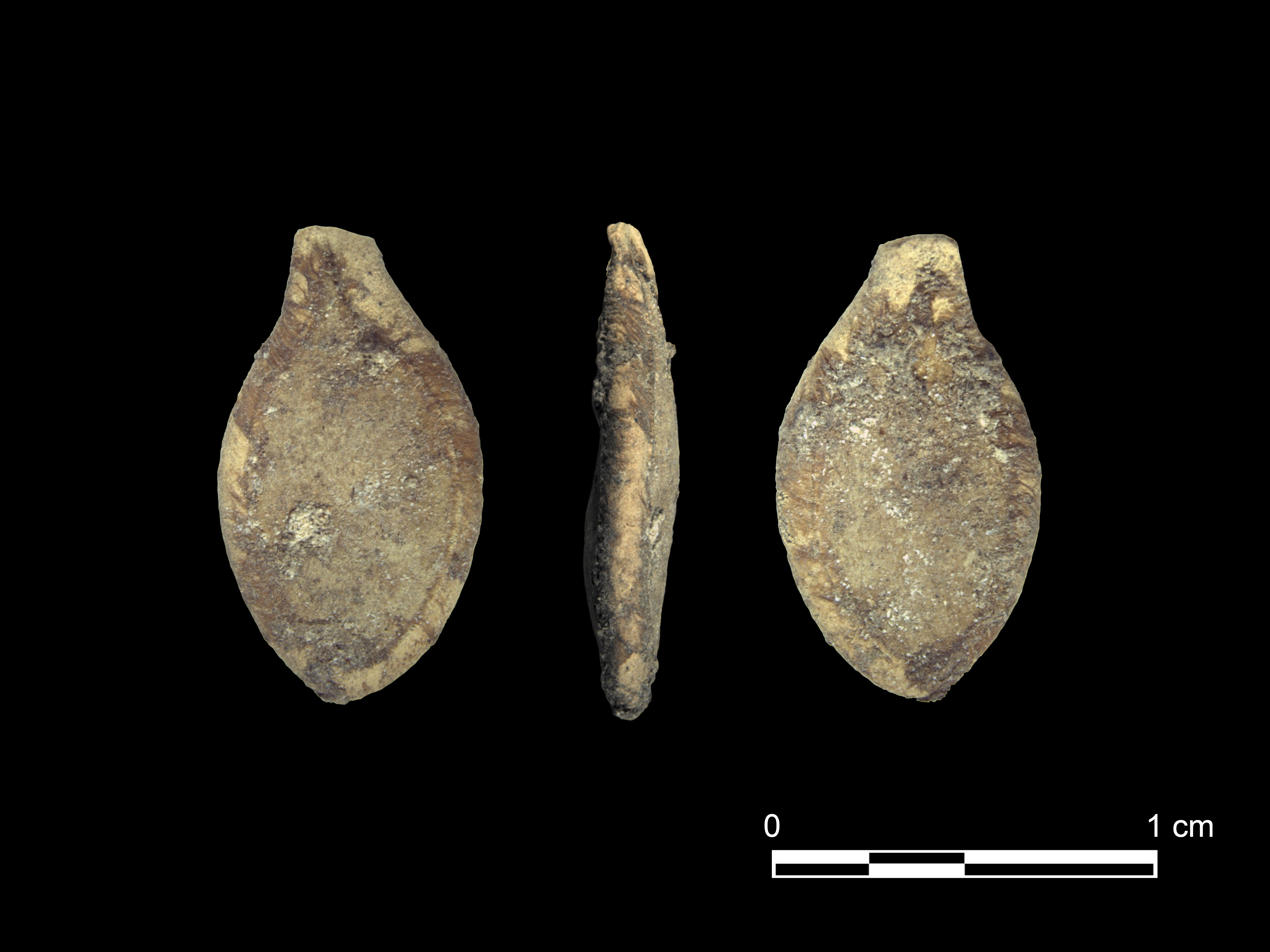
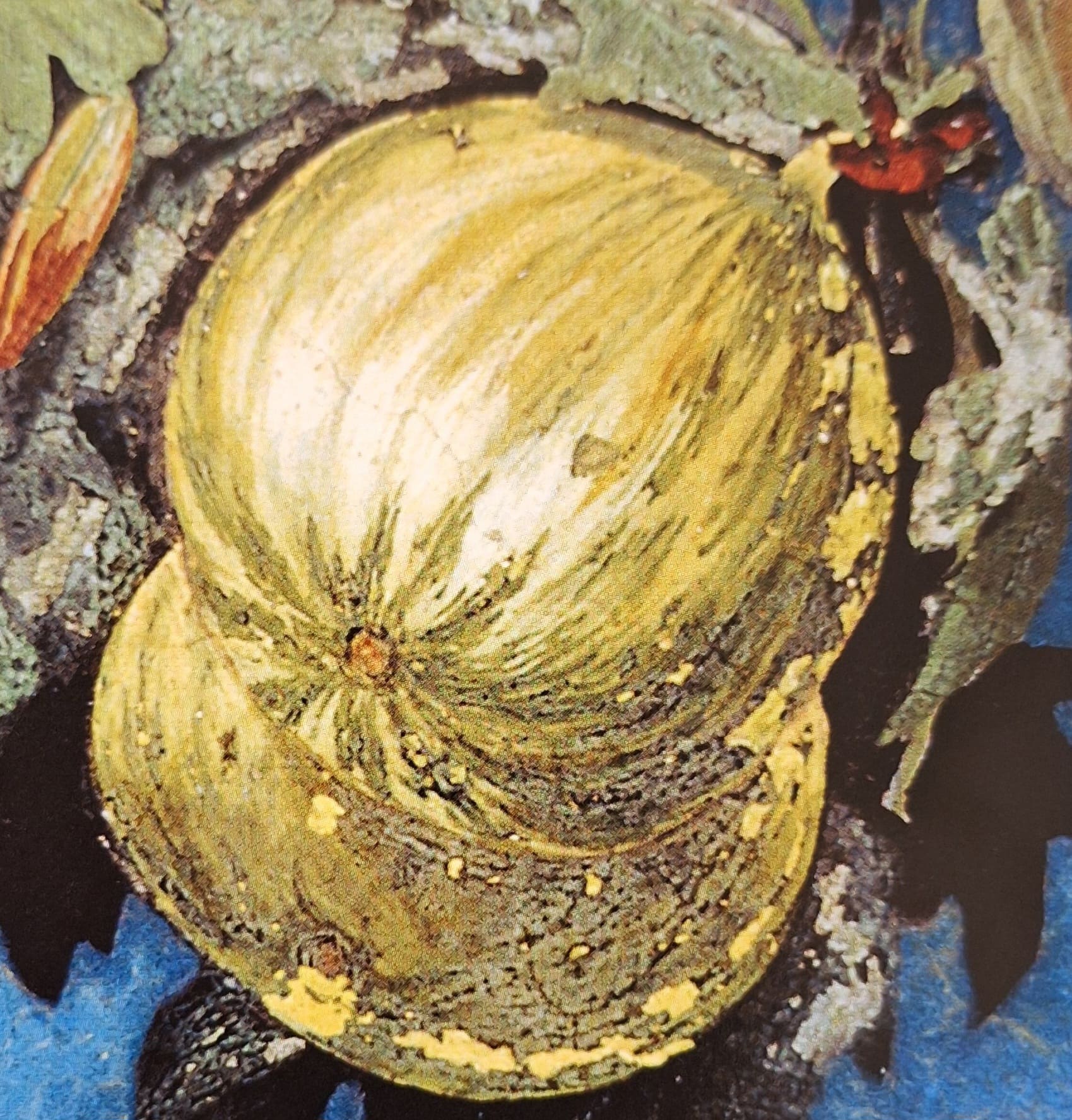
An international team of researchers led by members of the Laboratory of Archaeobotany and Palaeoecology, Faculty of Science, University of South Bohemia in České Budějovice, has published a new study that provides the most comprehensive account to date of the spread of American useful plants in Europe after 1492. The research integrates archaeobotanical data with historical sources and demonstrates how crops such as potatoes, tomatoes, maize, tobacco, and cacao were gradually introduced into European environments.
The analysis of more than 180 archaeobotanical finds from 14 European countries reveals that the earliest occurrences of these plants are primarily associated with elite contexts, including royal courts, urban centres, and monasteries. In these settings, American crops initially functioned as symbols of prestige, exoticism, and economic power. Only over time did some of them spread to broader segments of society and become incorporated into everyday diets, ultimately becoming indispensable components of daily life.
The study further shows that the dissemination of these plants was closely linked to early modern trade networks, colonial expansion, and intercultural exchange between continents. The results highlight the importance of an interdisciplinary approach to the study of the past and open new perspectives for understanding the transformation of European societies in the early modern period.
Contact: Mgr. Jitka Irmišová (
https://doi.org/10.1007/s12231-026-09672-6


