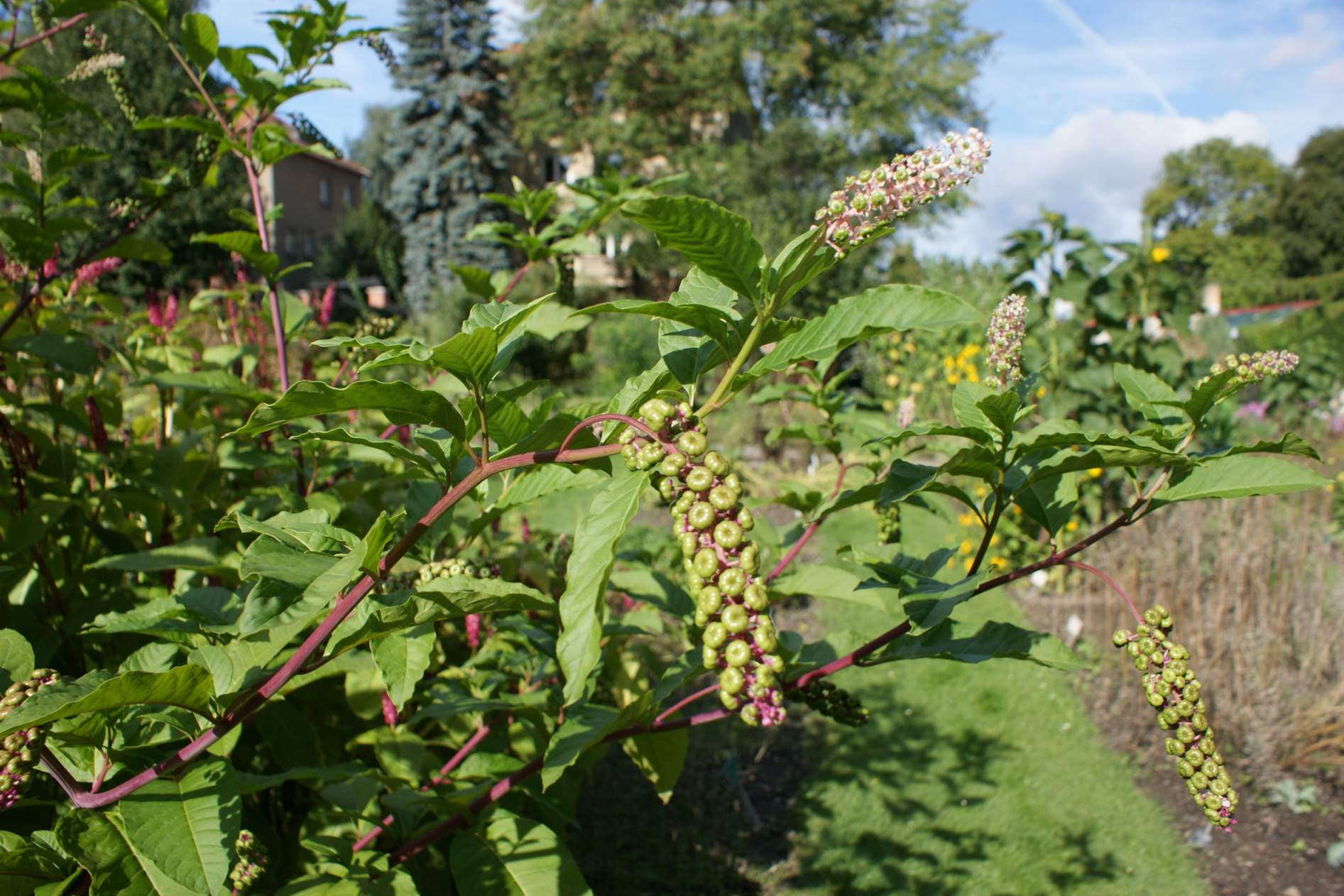
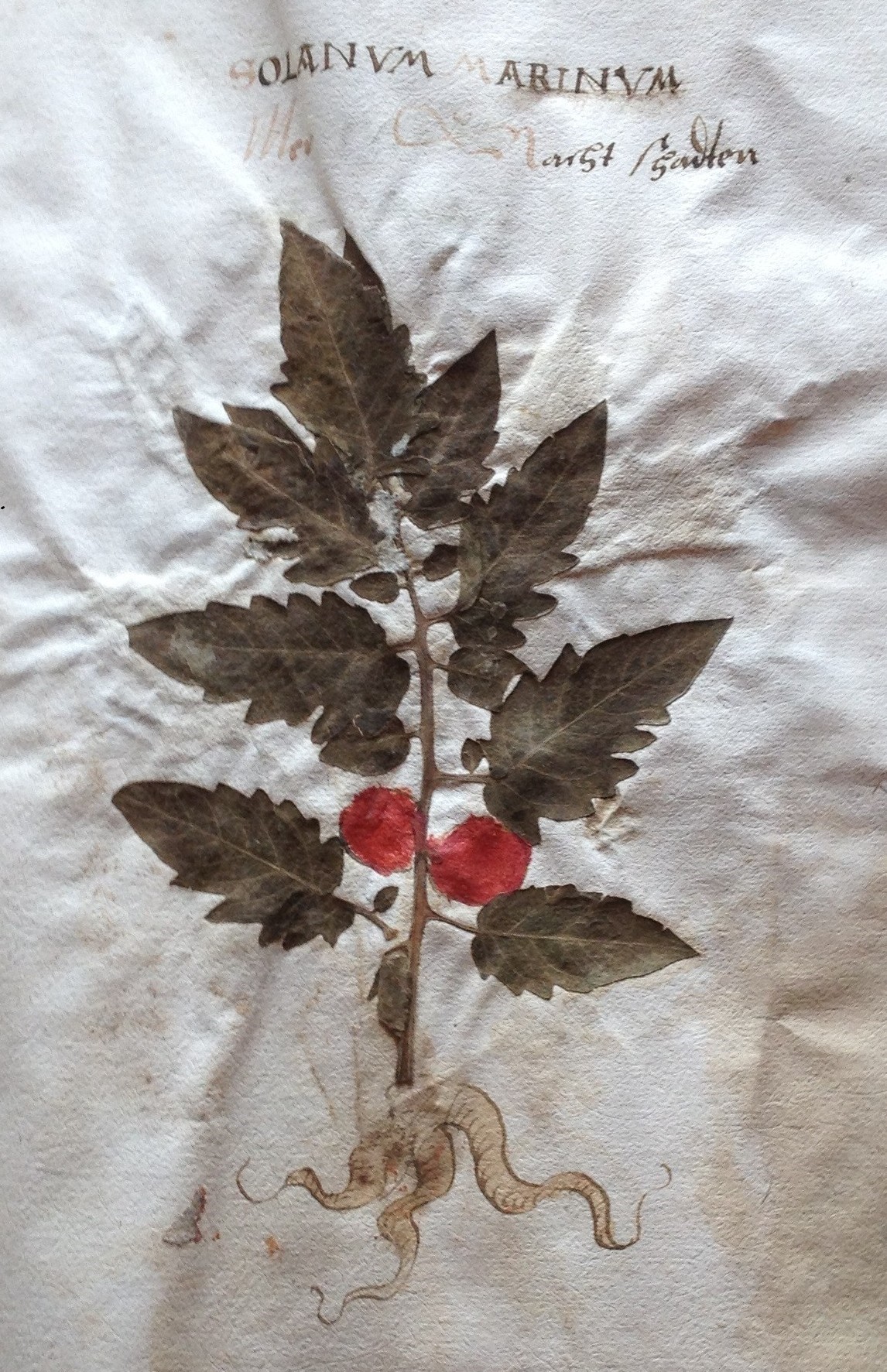
An international team led by researchers from the Laboratory of Archaeobotany and Palaeoecology (LAPE) has published the AMUPED database (American Useful Plants in Europe Database) in the journal Vegetation History and Archaeobotany. AMUPED is the first systematically organised collection of archaeobotanical evidence documenting American useful plants in Europe after 1492. The database represents a milestone in the study of human-mediated plant migration and symbolically concludes one phase of a long-term research programme focused on the spread of American crops and other useful plant species across the European continent.
The AMUPED database is the outcome of several years of international research, the principal results of which were recently published in the article American Useful Plants in Post-Medieval Europe: Integrating Archaeobotanical and Historical Evidence in the journal Ethnobotany and Economic Botany (Irmišová et al. 2026; DOI: 10.1007/s12231-026-09672-6). For the first time, this research brought together archaeobotanical finds, pollen data, historical herbaria, iconographic sources, and other forms of evidence into a unified picture of the spread of American plants throughout Europe from the sixteenth century onwards. The publication of the AMUPED database therefore represents not only a new research tool, but also an important step towards understanding how, following the discovery of the Americas, people transformed European diets, landscapes, agriculture, and everyday life through the commercial and exploratory transfer of plants between continents.
The newly published database contains 183 verified archaeobotanical records from 141 archaeological sites across 14 European countries. It includes 24 plant taxa belonging to 11 botanical families, among them tomato, chilli pepper, tobacco, sunflower, squash, common bean, peanut, maize, and vanilla. The results show that American plants first appeared in Europe primarily within royal courts, monasteries, aristocratic residences, and botanical gardens. Many of these species were initially cultivated as ornamental, medicinal, or prestige plants before gradually becoming part of the everyday diet of European populations. At the same time, the database highlights the exceptional importance of archaeobotanical research for the study of the Columbian Exchange—one of the most significant biological and cultural processes of the Early Modern period.
Although the database marks the completion of one important stage of research, it also opens up new opportunities. AMUPED has been designed as an open international project to which researchers from across Europe and beyond can contribute. Future expansion of the database is expected to provide new insights, particularly from Southern and Eastern Europe, regions that remain comparatively underrepresented in archaeobotanical research of the Early Modern period.
Link to original paper: https://doi.org/10.1007/s00334-026-01101-x
Photogallery