
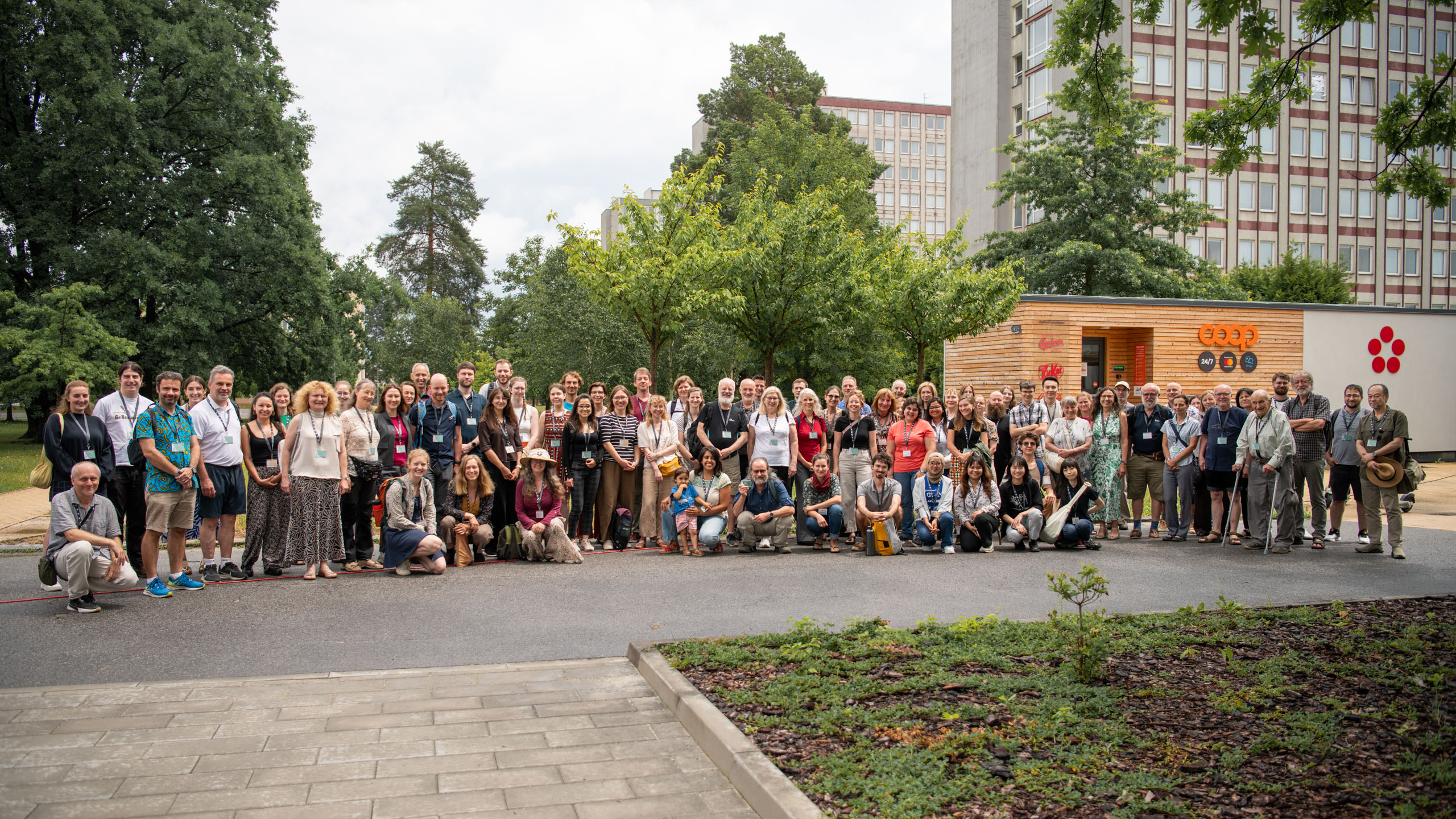
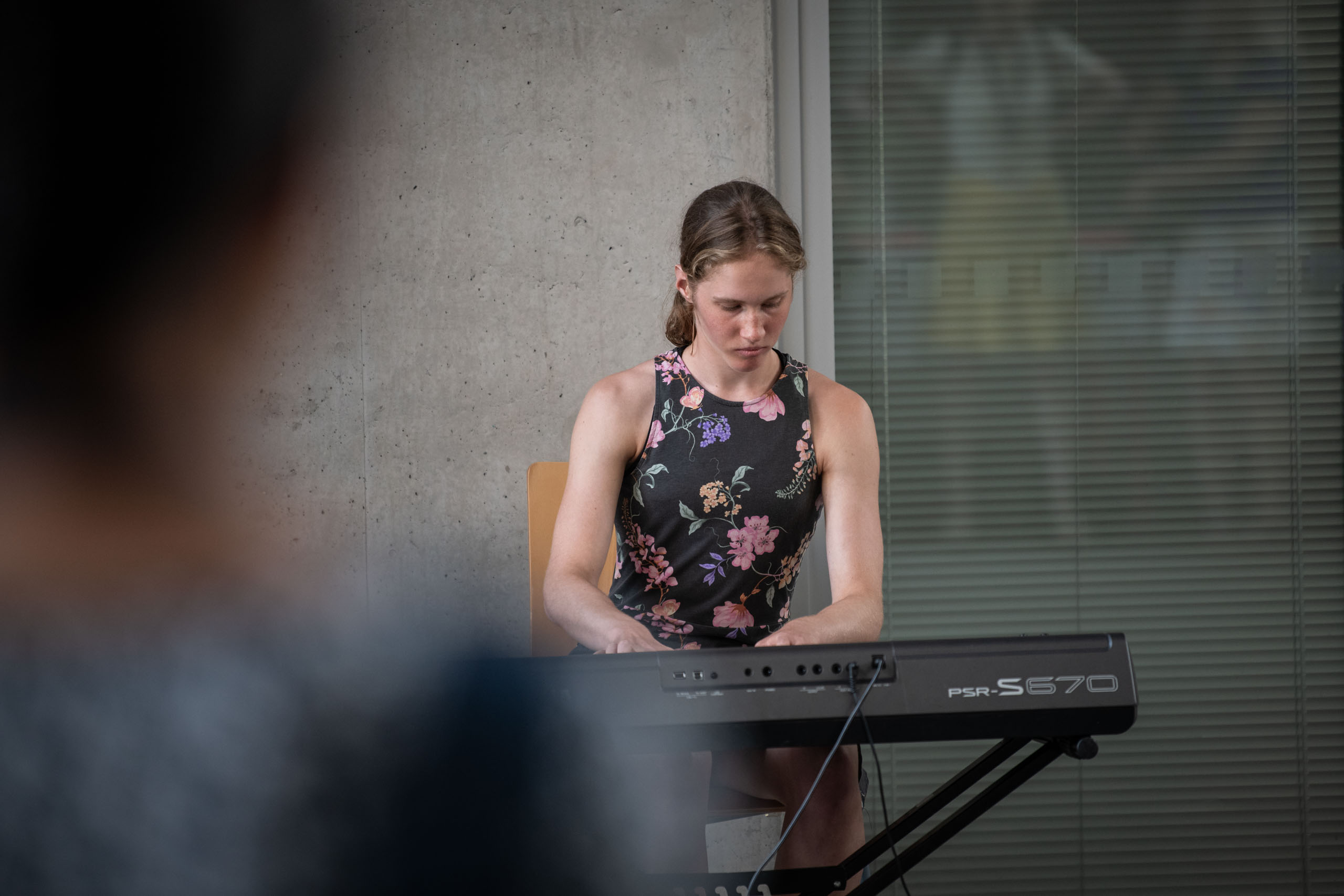
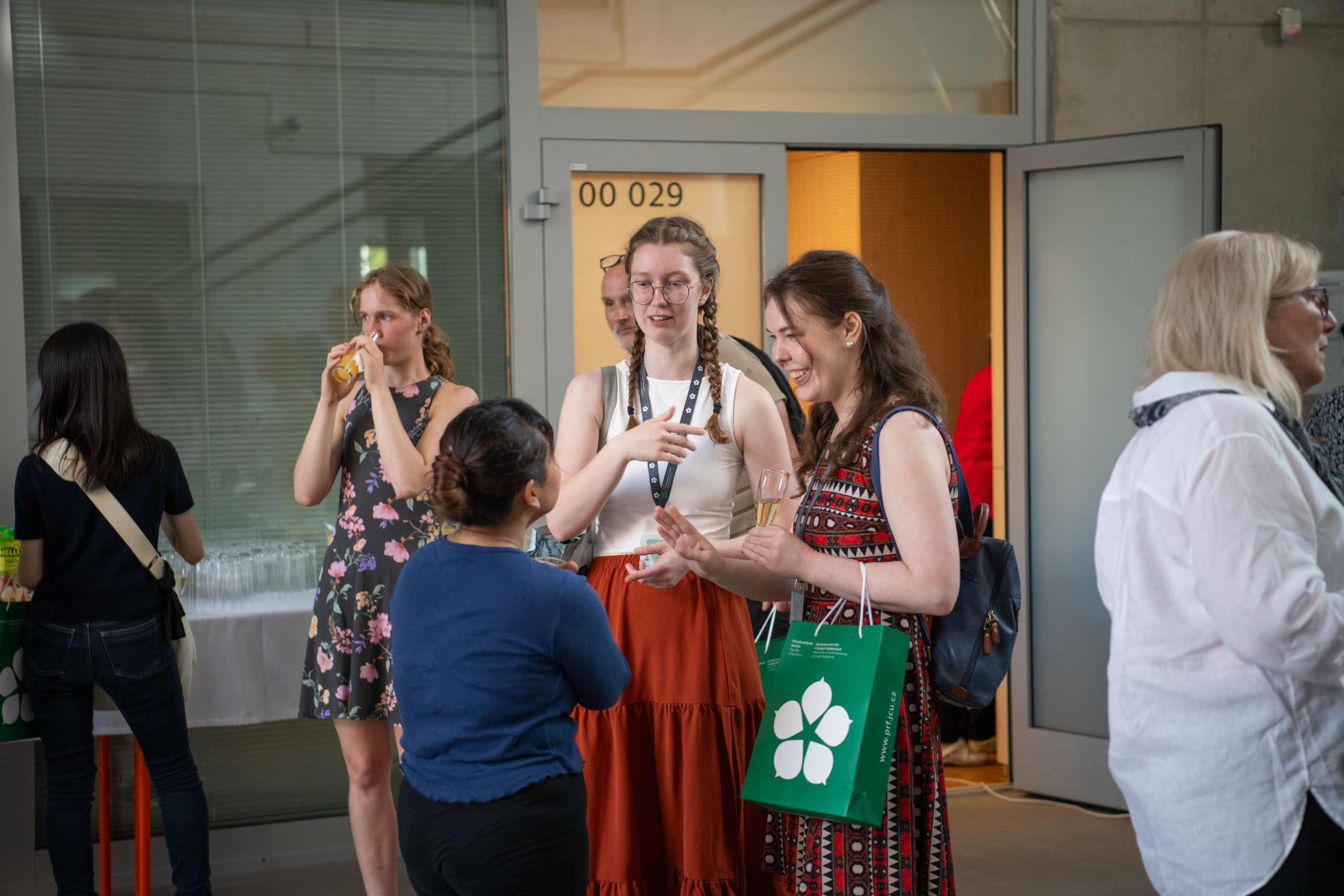
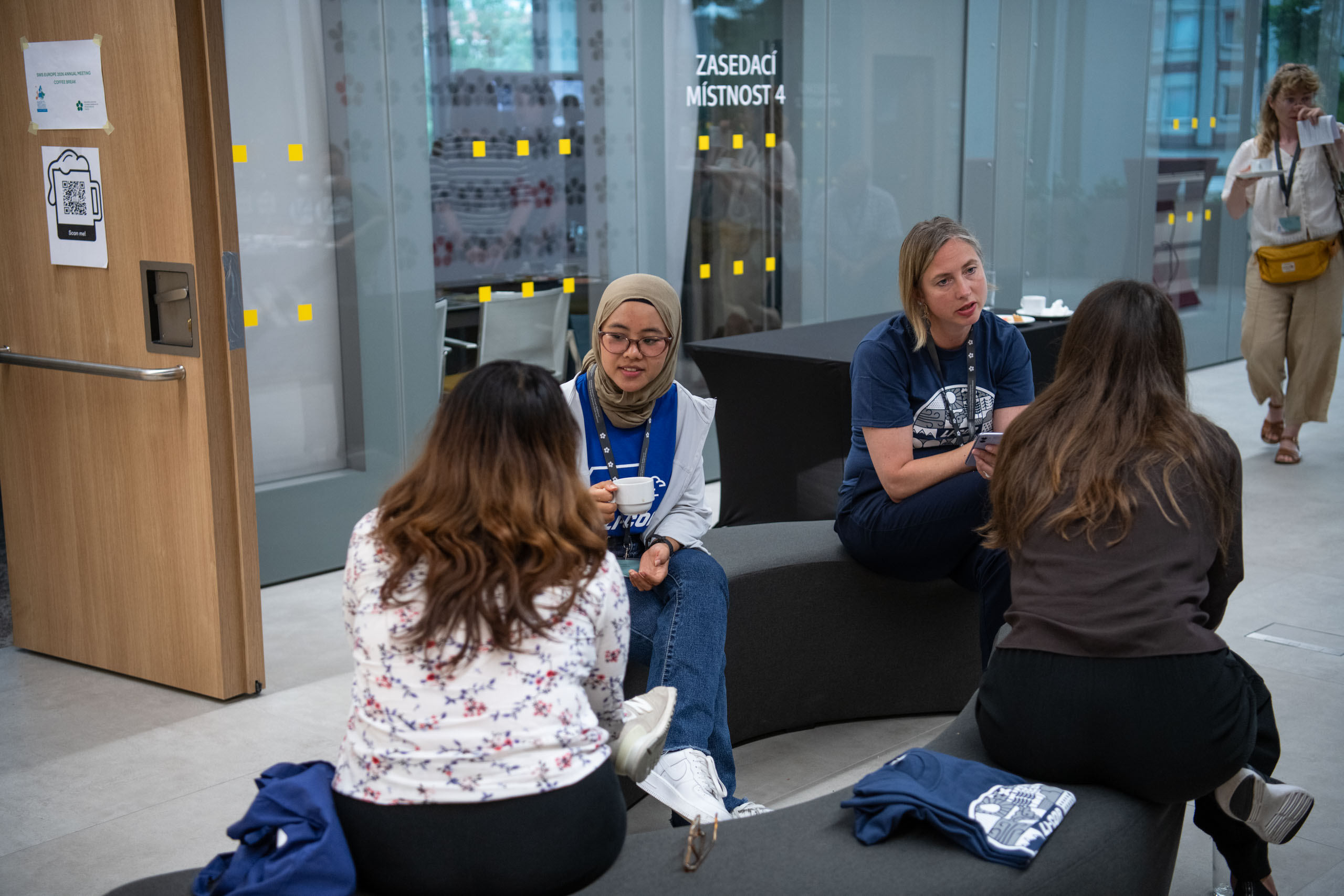
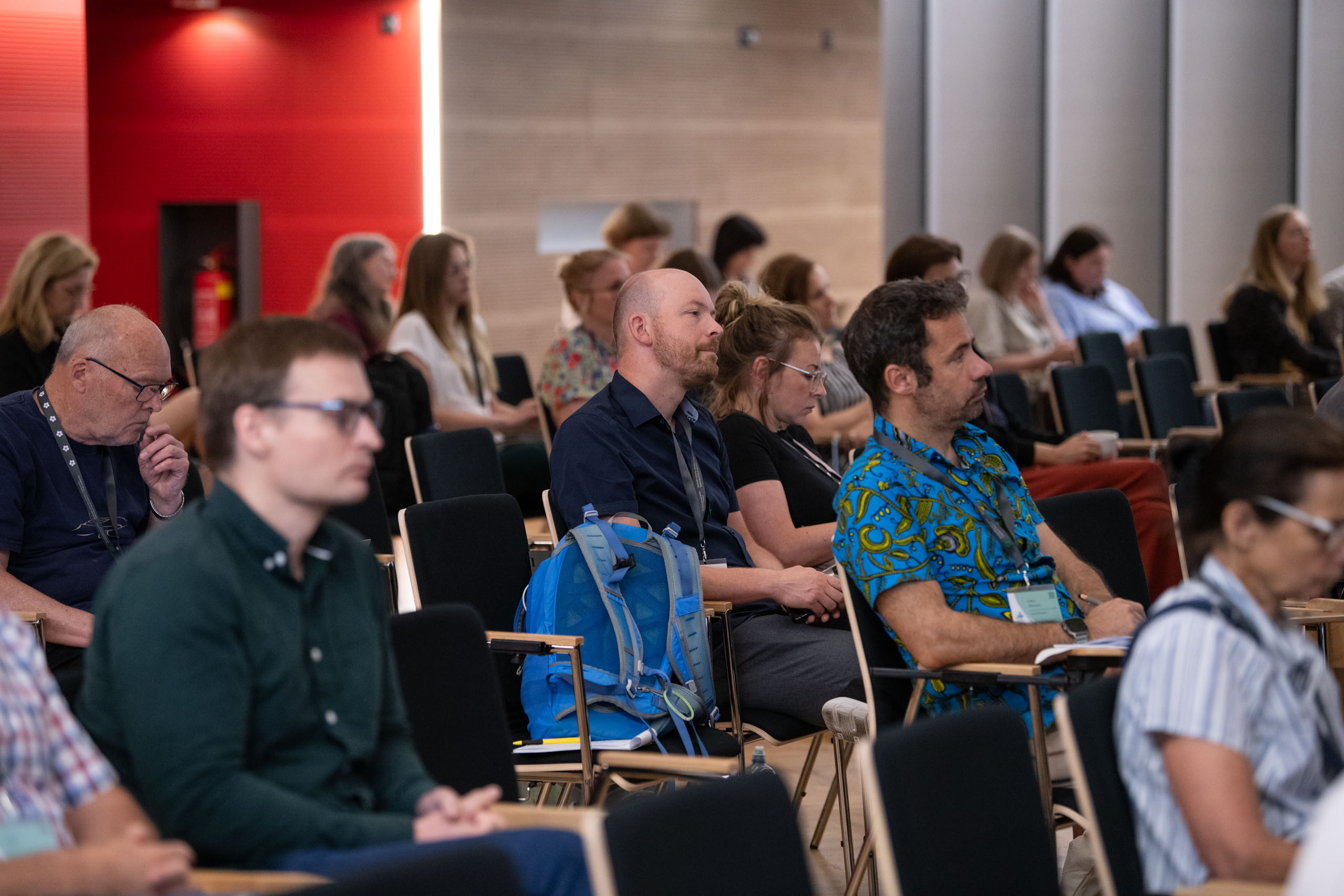
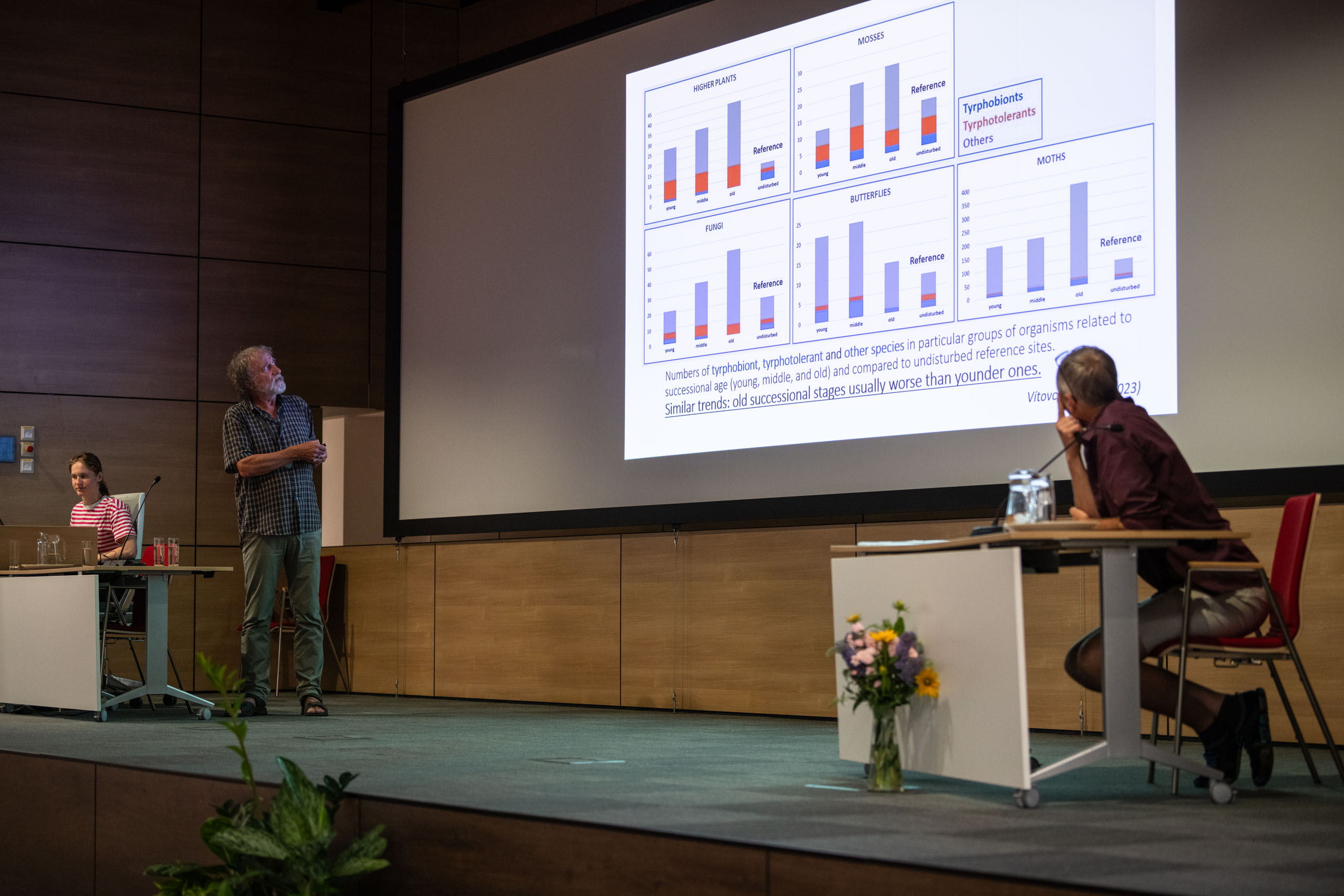
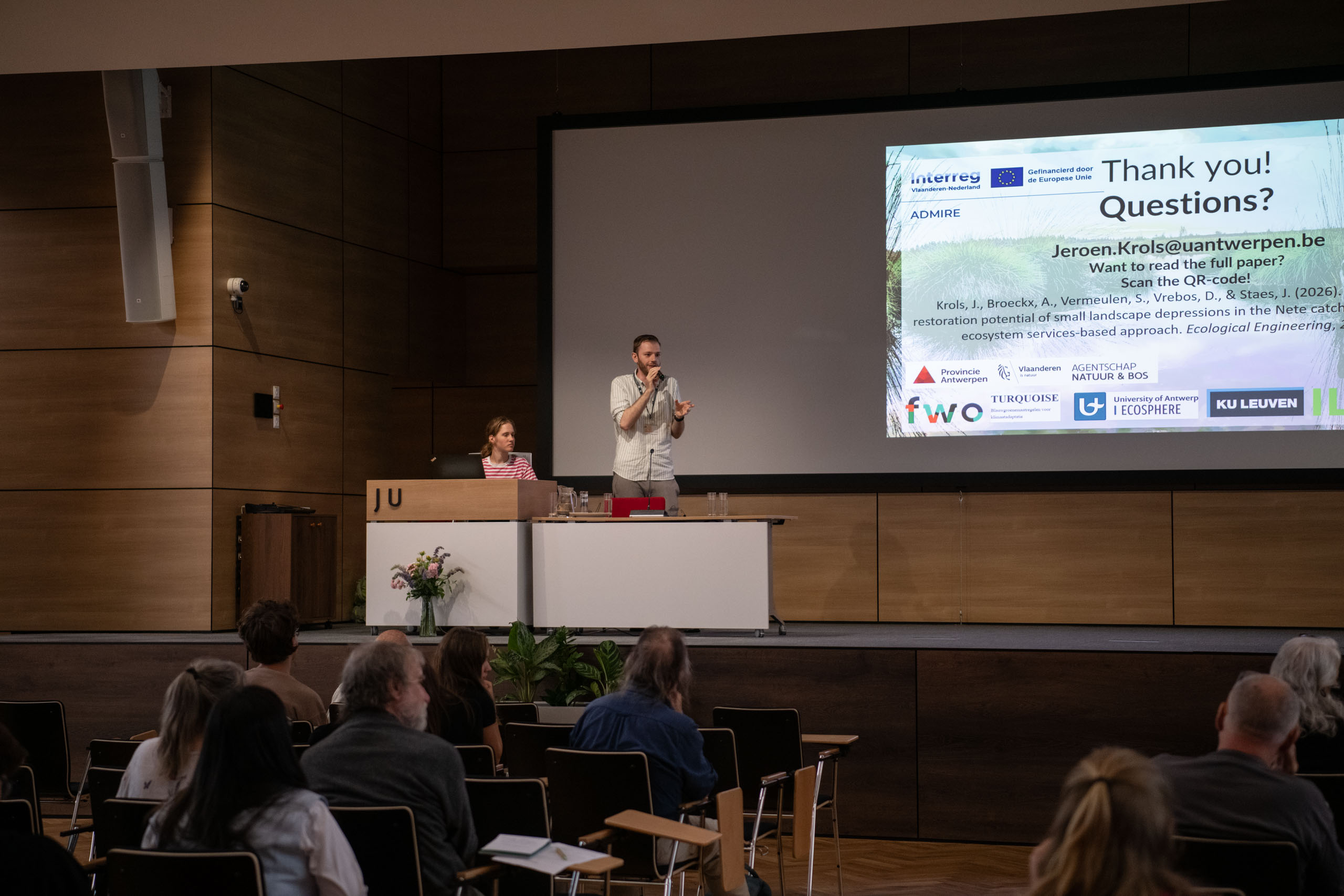
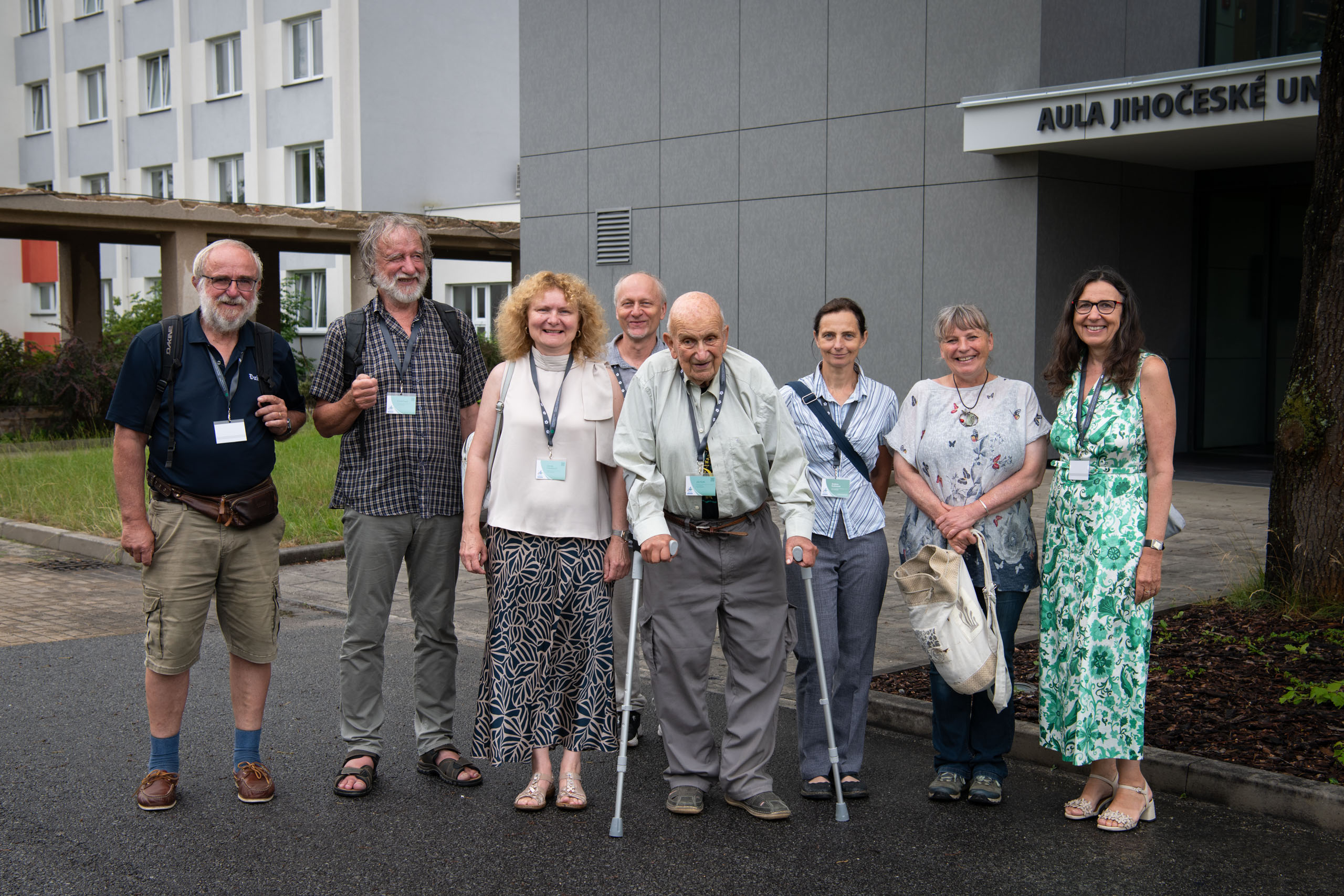
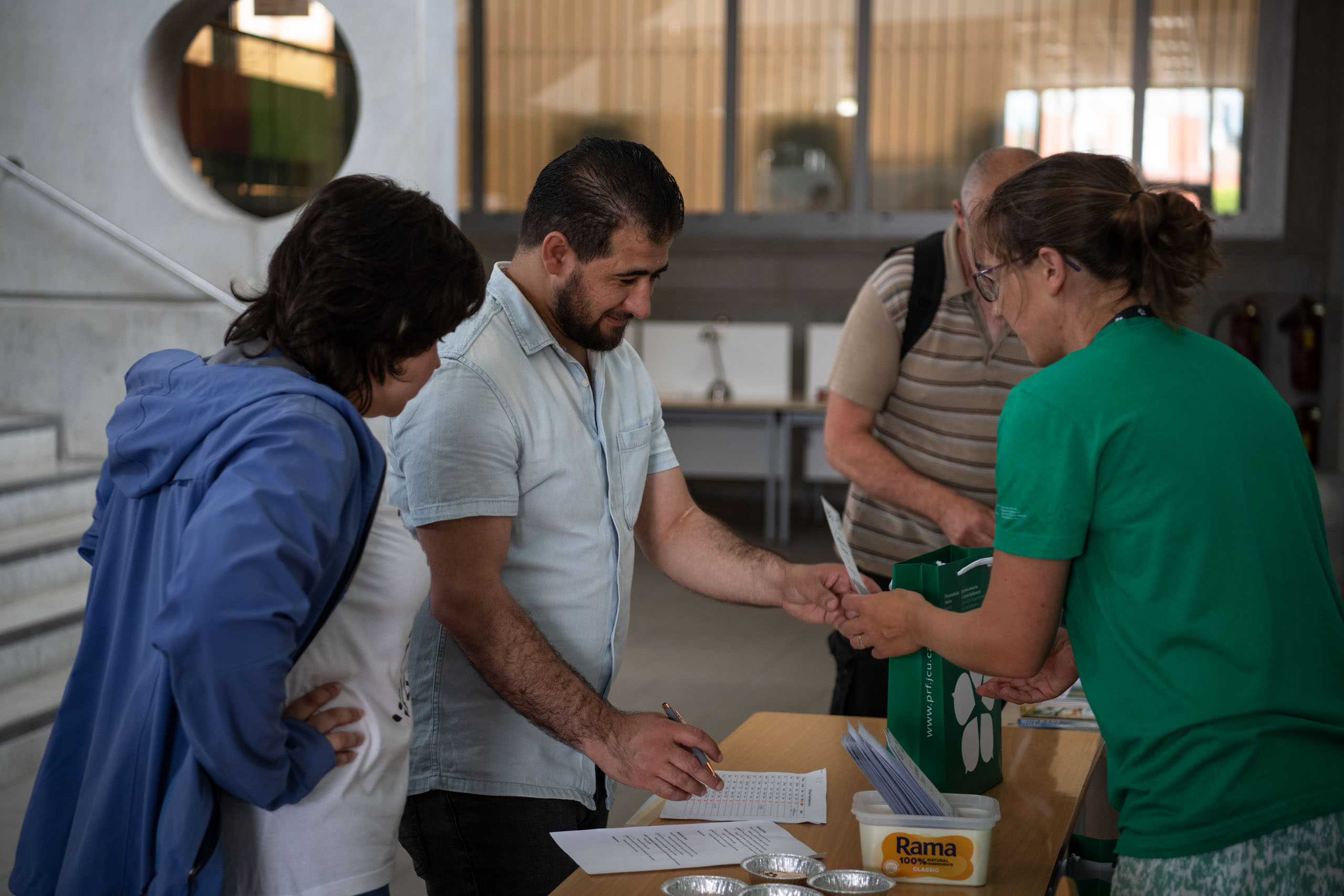
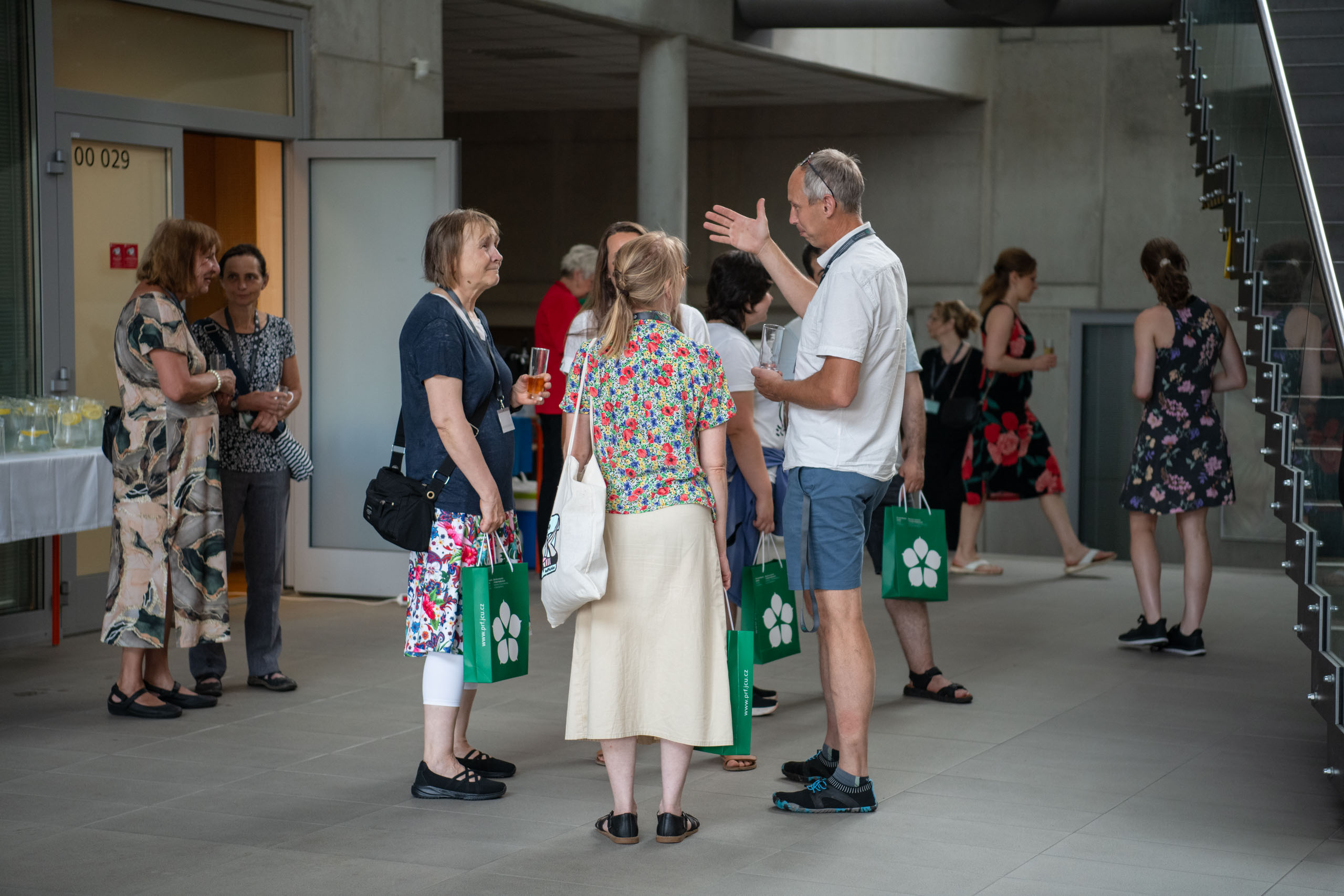
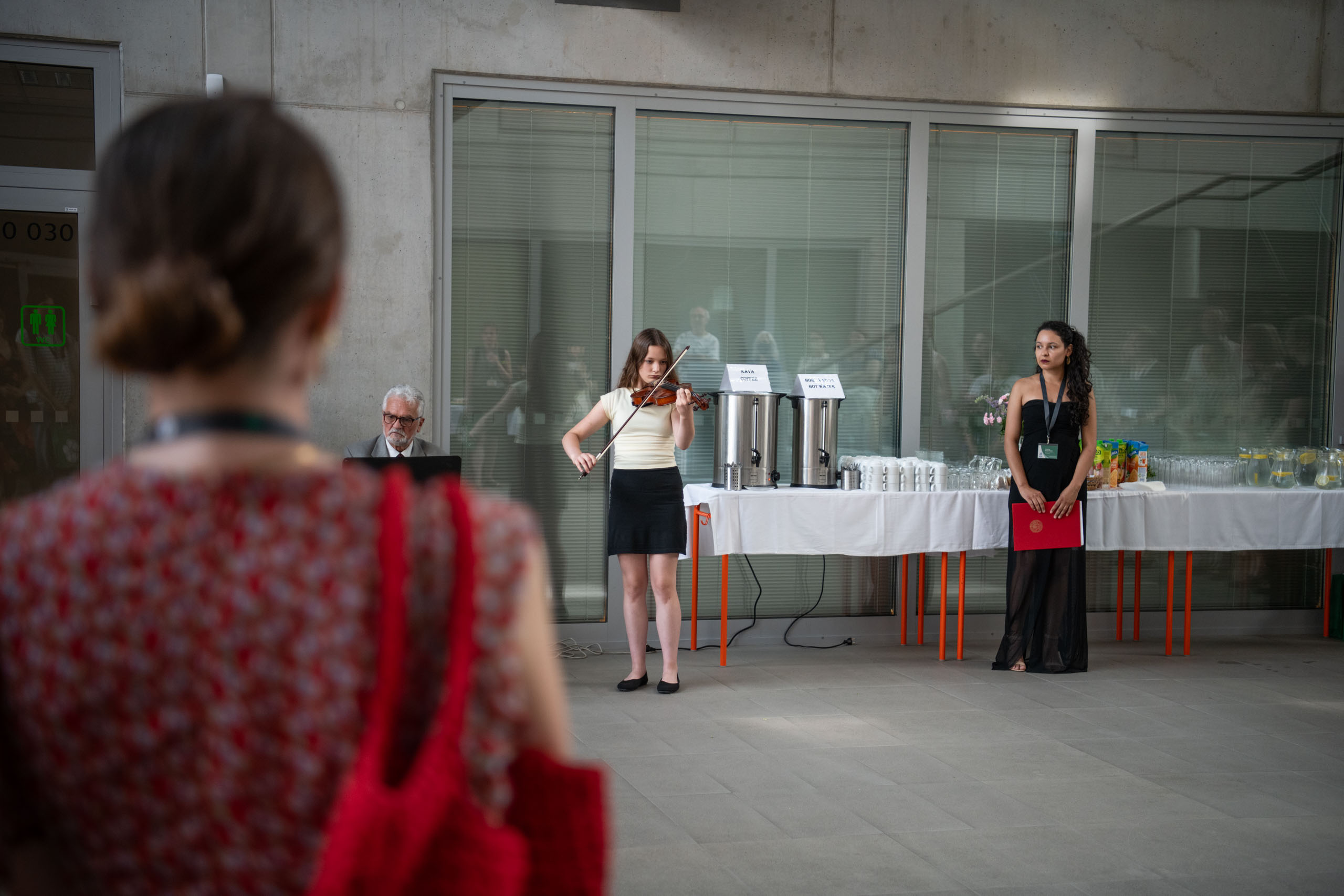
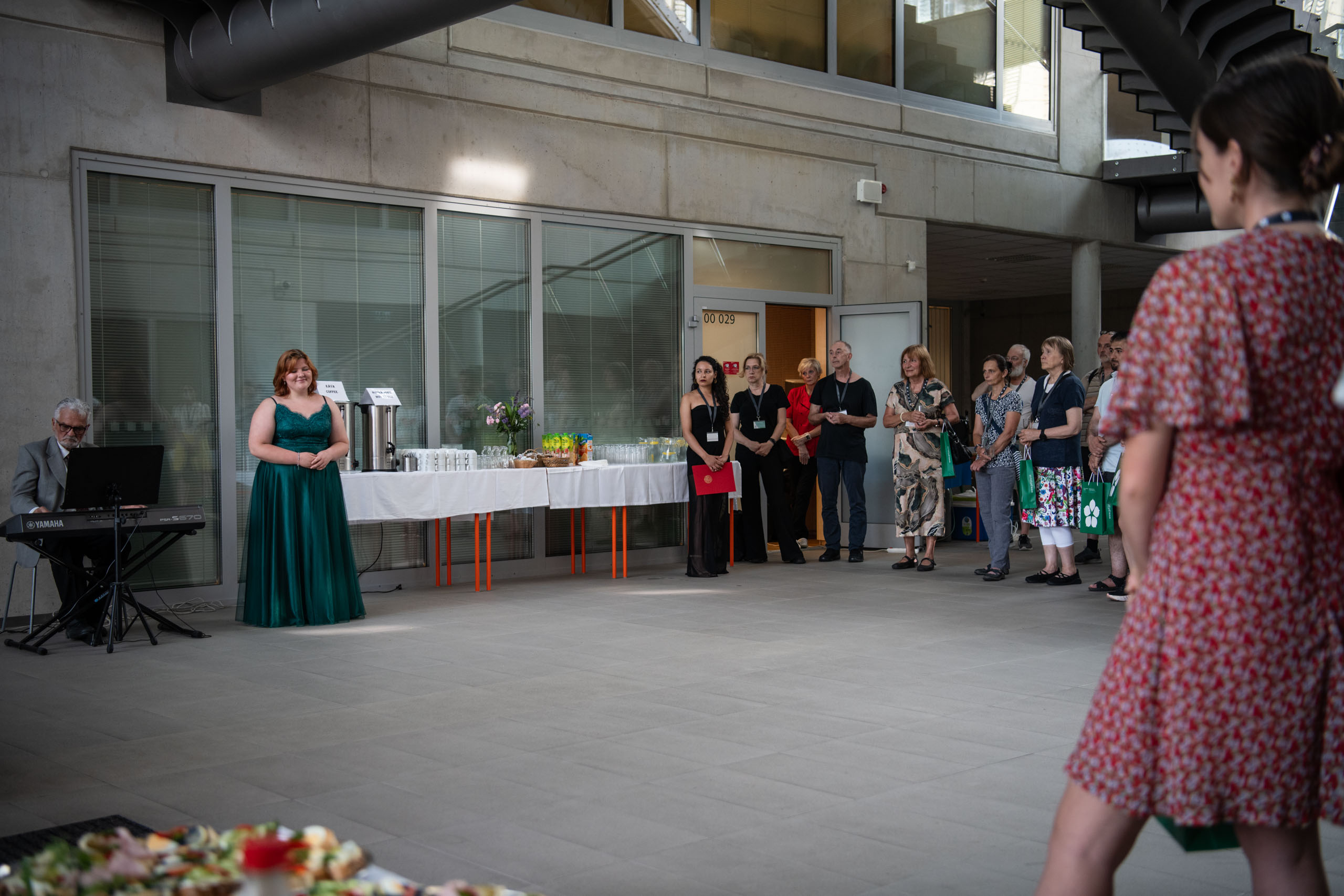
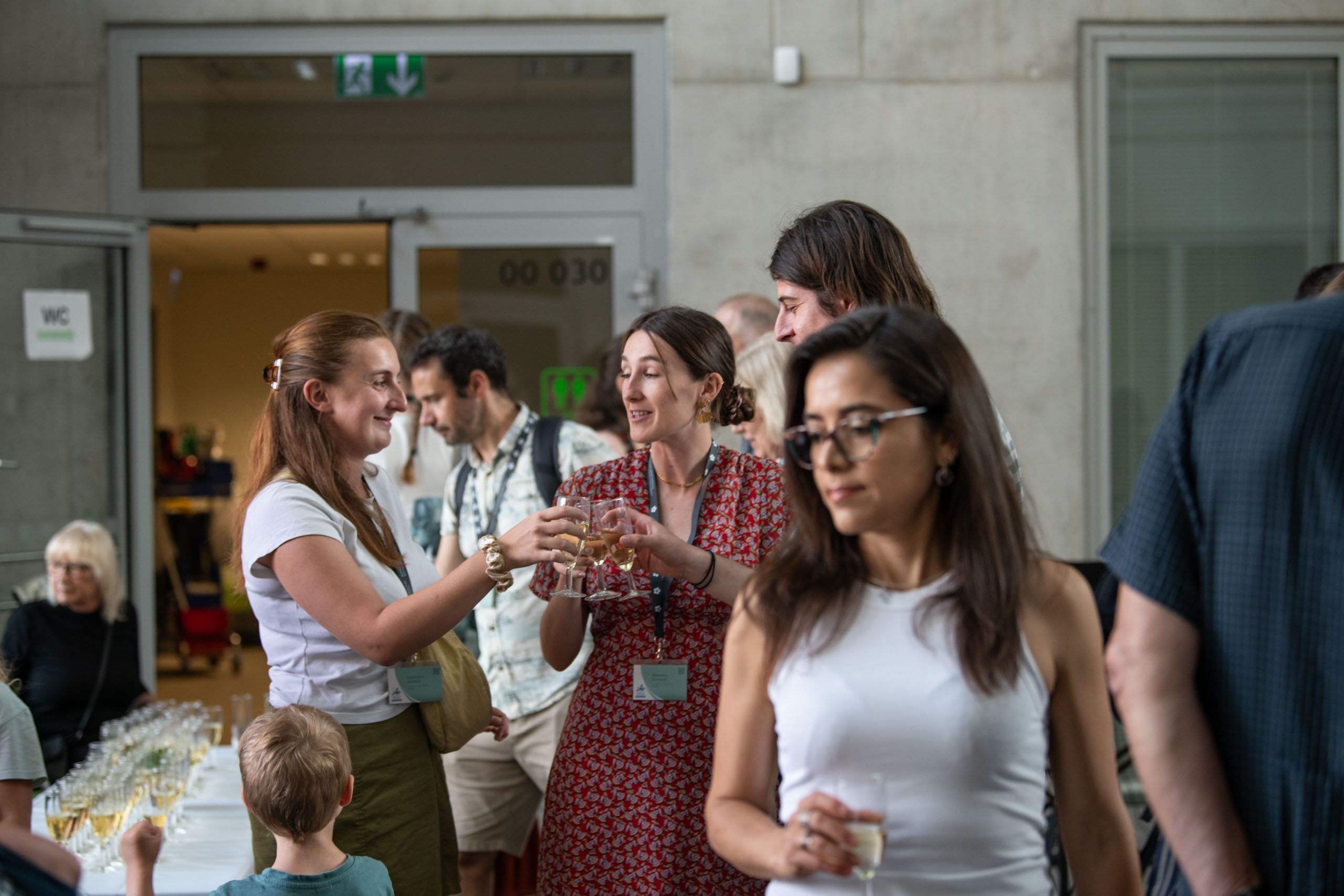
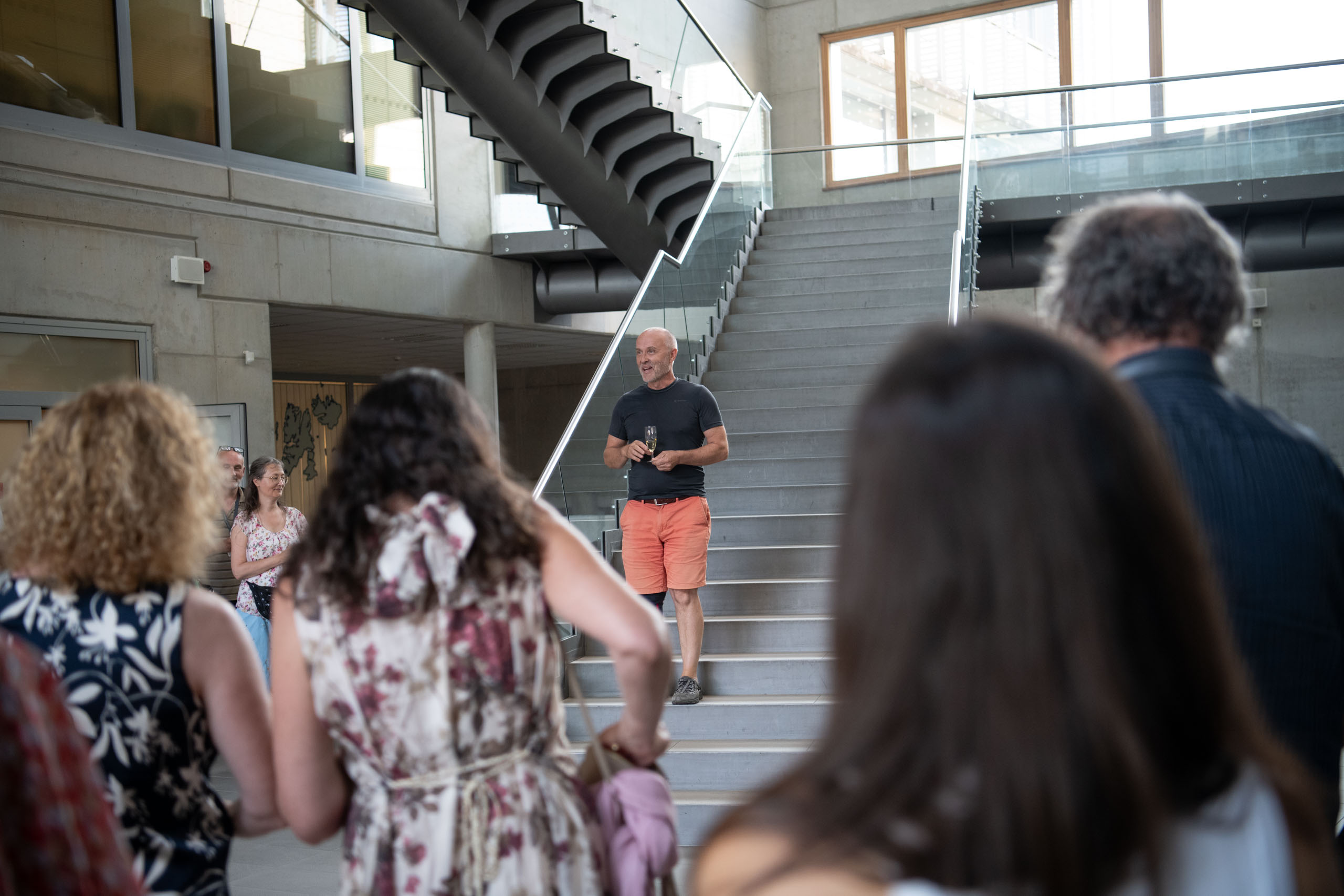
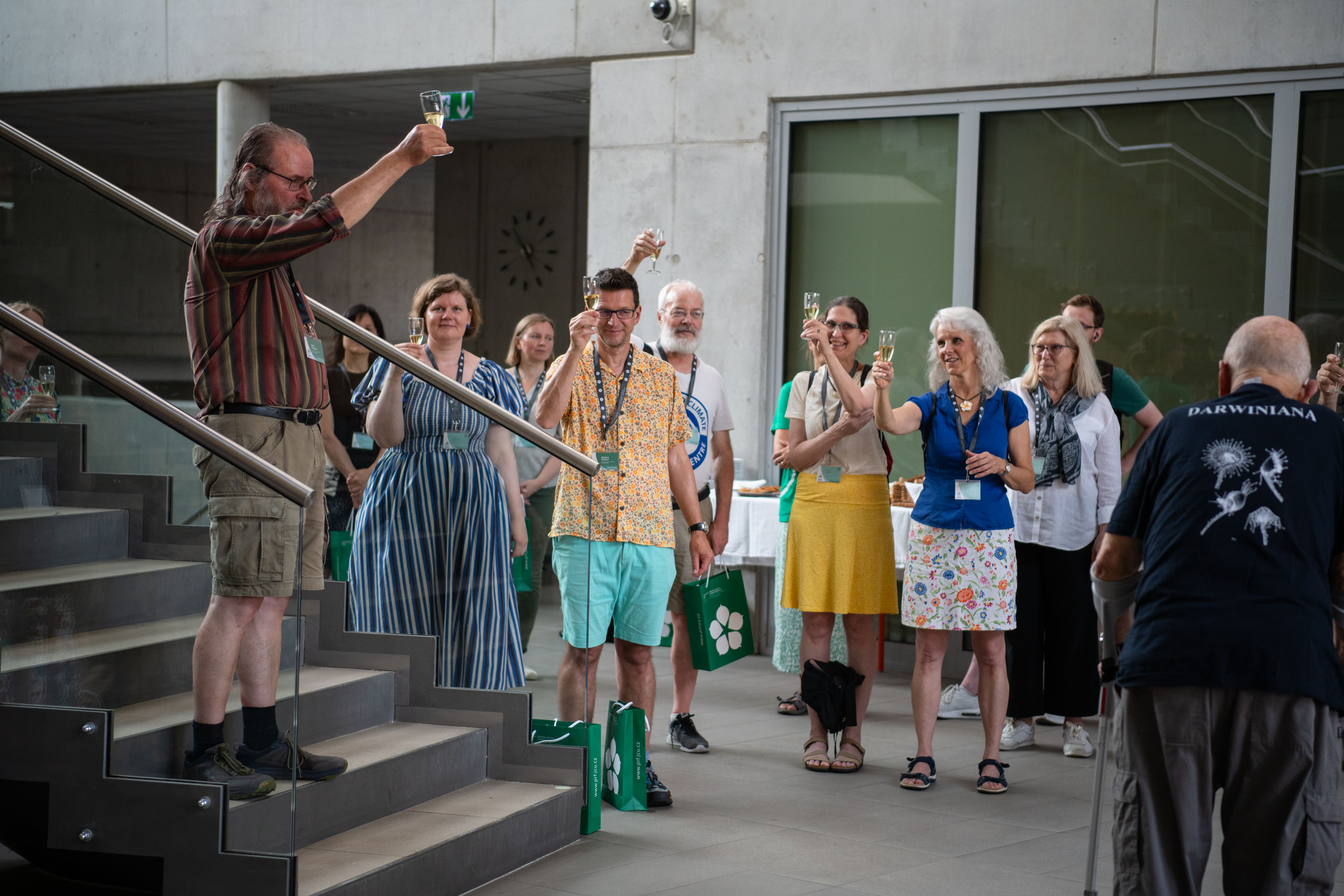

The Society of Wetland Scientists (SWS) is the largest international organization dedicated to the scientific study, management and protection of wetlands. The 21st annual meeting of the Europe chapter of SWS was held at the University of South Bohemia from 29 June – 2 July, 2026. The meeting was hosted by doc. Keith Edwards with much help from many others, notably Petra Straková, Zuzana Urbanová, Tomáš Picek and Tomáš Hajek. In total there were 75 participants (30 students) from at least 15 countries ranging from all corners of Europe as well as the US, Egypt and Japan.
The theme of the conference was the hydrologic connections of wetlands in landscapes, a very timely topic given the hotter than usual weather that large parts of Europe have been experiencing this summer. The two plenary presentations and eight sessions of talks focused on this theme, with presentations dealing with changes to vegetation structure as well as biogeochemical cycling and interactions in response to changing hydrologic conditions. The presentations considered not only the effects of climate change but how improving or correcting wetland and peatland hydrology is crucial for the restoration of these ecosystems. In addition, one session dealt specifically with policy and governance questions of wetland restoration and the impacts of changing conditions, climatic and otherwise, on wetlands.
The two plenary speakers further explored particular areas of the main topic. Libuše Vlasáková, of the Czech Ministry of Environment, introduced the meeting participants to the different types of wetlands in the Czech Republic, with emphasis on those wetlands considered to be of international importance as designated by the Ramsar Convention. Then Gillian Davies (BSC Group, US) discussed the rights of wetlands initiative, which is part of the larger rights of nature concept. Gillian introduced the concept as well as detailing what each of us can do to help further this cause in protecting wetlands and improving the overall environment.
Additionally, there were several invited speakers whose talks introduced the themes of particular sessions. Dr. Cornelius Oertel (Thunen Institute, Germany) introduced the session concerning the role of climate change and how hydrologic changes and wetland restoration practices can affect greenhouse gas (GHG) emissions. Other important speakers included Dominik Zak (Aarhus University, Denmark; hydrologic effects on wetland biogeochemistry), Raija Laiho (Natural Resources Institute, Finland; effect of increased shrub cover in peatlands due to lower water levels) and our own Karel Prach (hydrologic effects on the vegetation of springs) and Jan Květ (historical aspects of wetland restoration). In addition, there was a poster session as well as student mixer held at the Kampa student center.
The meeting concluded with field trips to either the Šumava peatlands, led by Zuzana Urbanová and Ivana Bufková (Šumava National Park) while a second field trip to the Třeboň peatlands and wetlands was led by Andrea Kučerová (Institute of Botany, Czech Academy of Sciences). All in all, the meeting was a great success with many presentations of high quality. Many participants expressed their great enjoyment not only with the presentations, but with the field trips and organization of the meeting. Participants came away from the conference with a better idea of the state of wetlands in Europe and the important role of SWS in maintaining and restoring these wetlands.


