
How can a single female maintain the exclusive right to reproduce in a family group of hundreds of individuals for decades? And why do the other females voluntarily give up their own reproduction? An international team of scientists, including Jan Okrouhlík and Radim Šumbera from the Department of Zoology at the Faculty of Science, University of South Bohemia in České Budějovice, has come up with a surprising answer: the reproductive monopoly of the naked mole-rat queen is maintained by a single chemical substance. The study was published by the prestigious journal Nature.
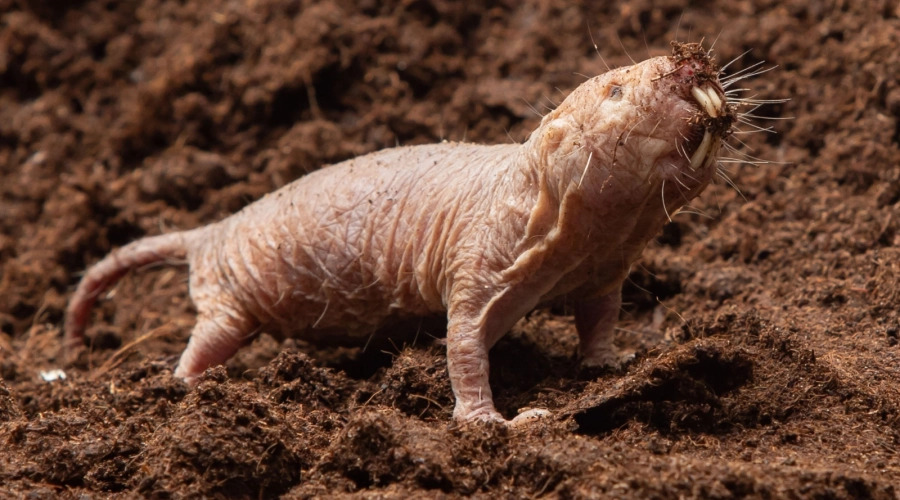
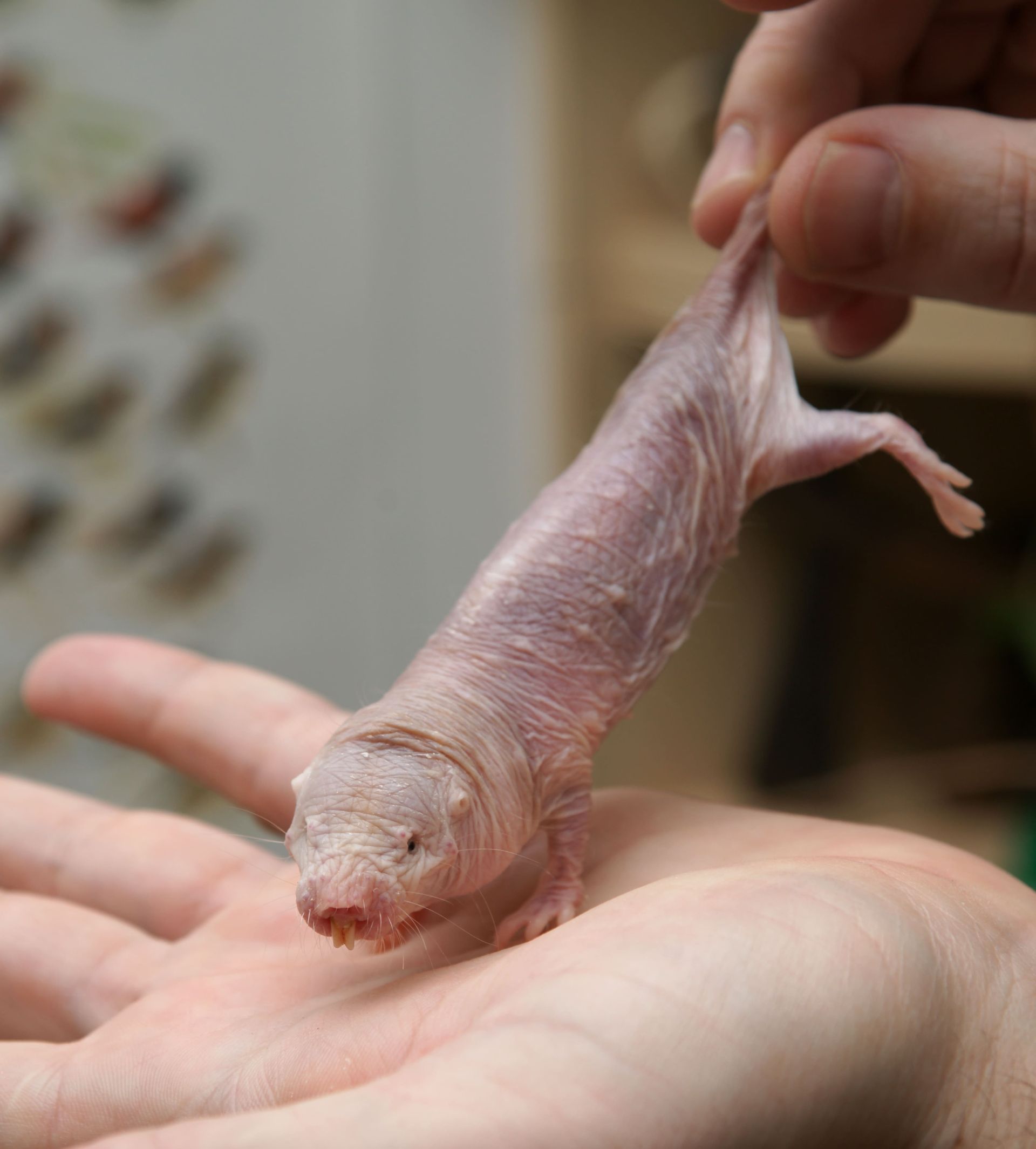
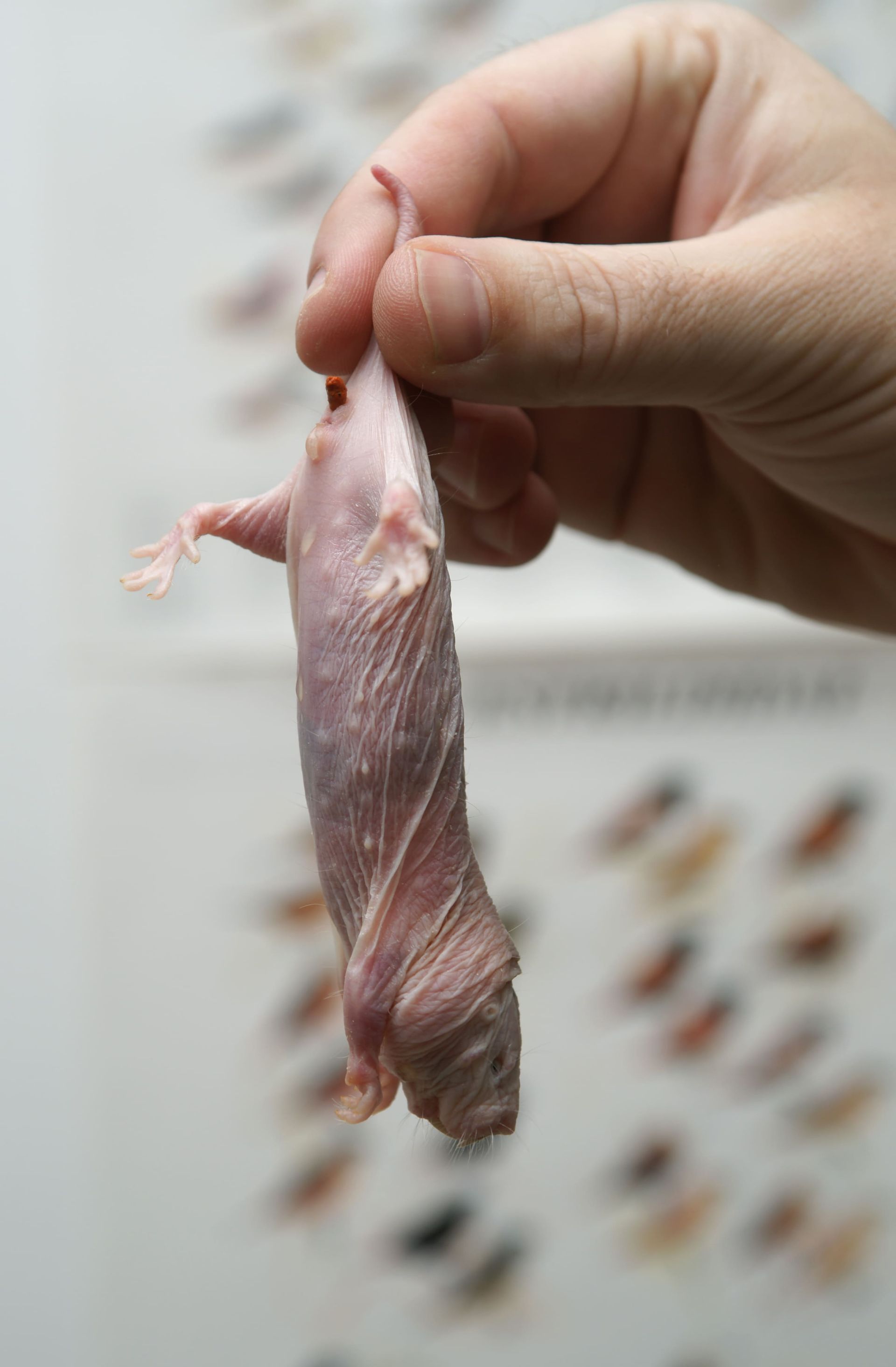
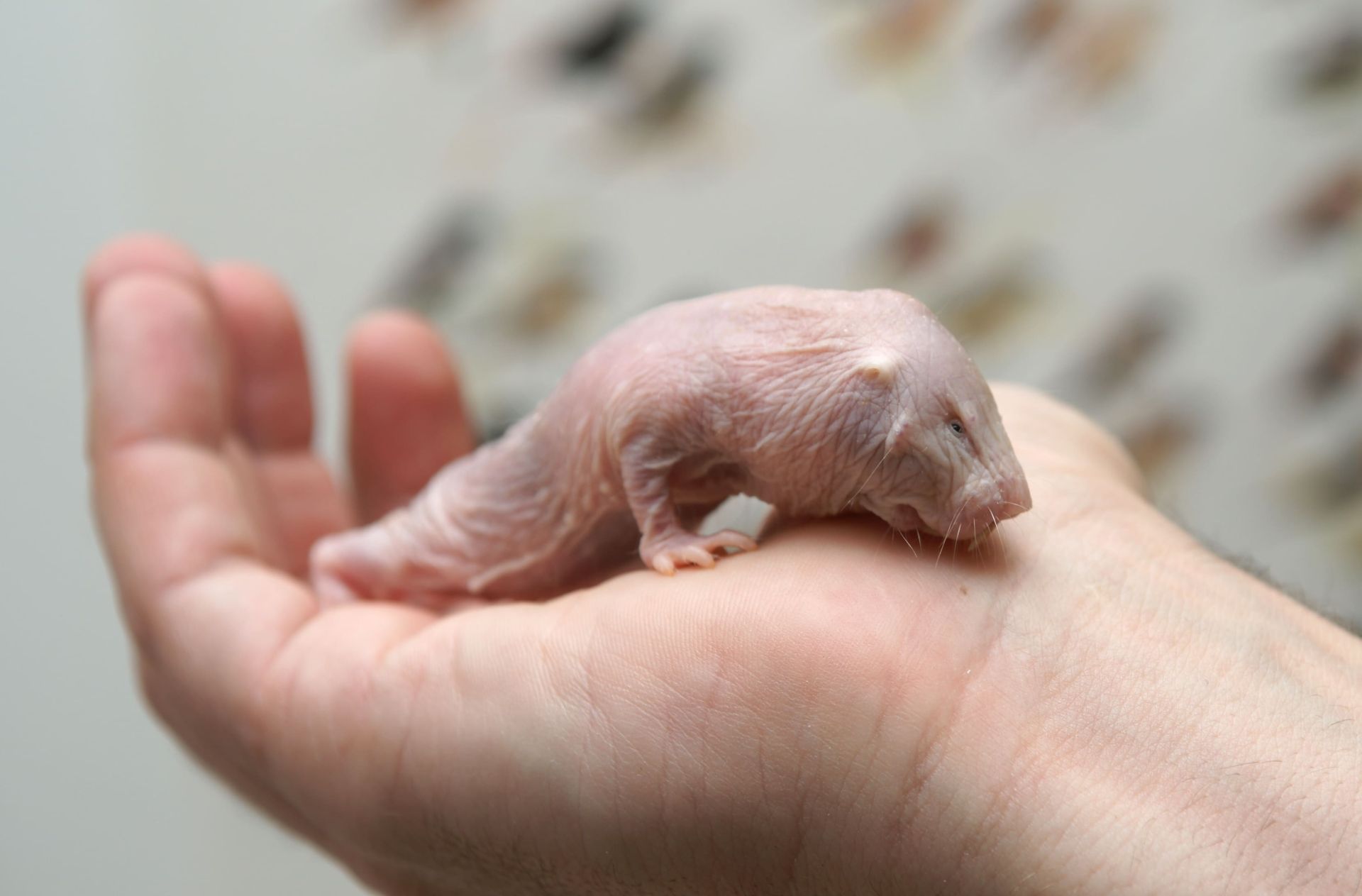
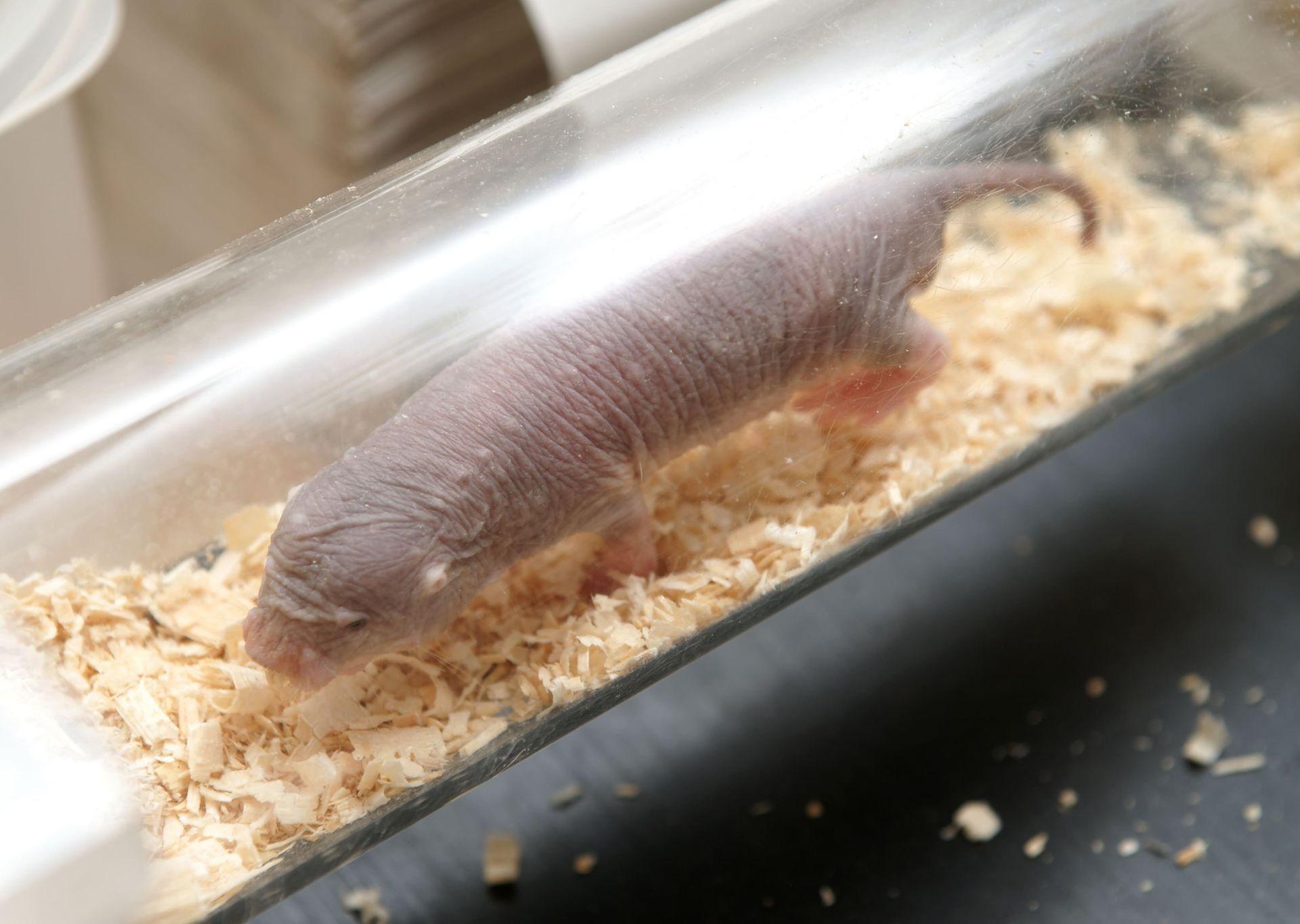
The naked mole-rat (Heterocephalus glaber) is one of the most remarkable mammals on Earth. These underground rodents resist high temperatures and low oxygen, excel in exceptional resistance to cancer, and reach a very old age by rodent standards. They live in large family groups where, under normal circumstances, only a single female—the queen—reproduces. The other members of the group participate in building an extensive system of underground tunnels, foraging for food, and caring for the young. However, how the queen suppresses the reproduction of other females and maintains her reproductive monopoly has remained a mystery until now.
To uncover this mechanism, scientists combined several research approaches—chemical analysis of odorants, experiments monitoring animal behavior, measurements of hormone levels, and analysis of brain activity. Ultimately, a single molecule played a key role: isopropyl myristate (IPM). It is found in high concentrations only in queens, primarily in vaginal and anal secretions, and its amount peaks during the period of ovulation.
It turned out that the other females perceive this substance through smell. This subsequently activates areas of the brain associated with processing olfactory stimuli and regulating reproduction. In higher-ranking females, who have the greatest chance of becoming future queens, IPM induces avoidance behavior toward the queen and simultaneously increases the level of prolactin, a hormone that suppresses fertility.
The most convincing evidence was provided by experiments in which researchers removed the queen from the family group. Under normal circumstances, fierce fights for reproductive status break out among the females, from which a new queen eventually emerges. However, when the researchers applied pure IPM daily to the queenless group, no fighting occurred—all the females remained calm and reproductively inactive, as if the queen were still present. As soon as the scientists stopped the application, aggressive clashes immediately broke out, the females began to reach sexual maturity, and a new queen emerged from the fighting.
"For the first time, it has been proven in mammals that a single odorous substance can prevent other females in a group from reproducing. The main credit for the discovery goes to our German colleagues from Dr. Gary Lewin’s laboratory, especially Mohammed Khallaf. We were involved in the research thanks to our unique breeding facility for subterranean mammals, where we have eight species and over 400 individuals, which allowed us to demonstrate the presence of IPM in mole-rats of the genus Fukomys as well," explains Jan Okrouhlík from the Faculty of Science, University of South Bohemia in České Budějovice, regarding the contribution of South Bohemian scientists to this significant discovery.
The highest concentrations of IPM were detected in the naked mole-rat. Whether it fulfills the same function in dominant females of other highly social species of the Fukomys genus remains a question for future research.
The discovery represents the first convincingly documented example of a mammalian "pheromone" that suppresses reproduction in other females across an entire social group. It thus opens up new possibilities for research into chemical communication, social behavior, and hormonal regulation in vertebrates. The study was published in the prestigious scientific journal Nature: https://www.nature.com/articles/s41586-026-10772-5.
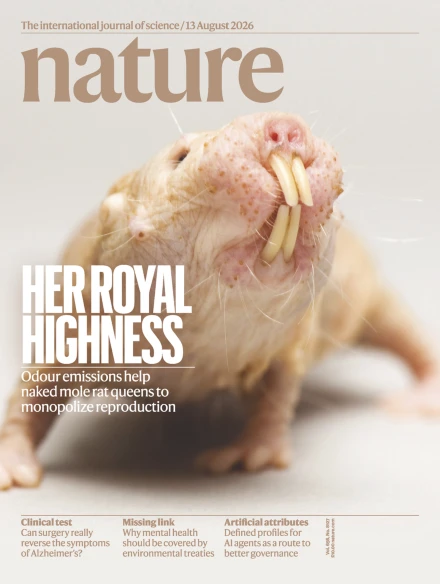
Nature's editorial team selected the naked mole-rat as the cover image for the issue in which this study was published. This represents another prestigious recognition for the research, which involved scientists from the Faculty of Science, University of South Bohemia.