


You can find the full photo gallery on Zonerama.
Polar Ecology Course 2026
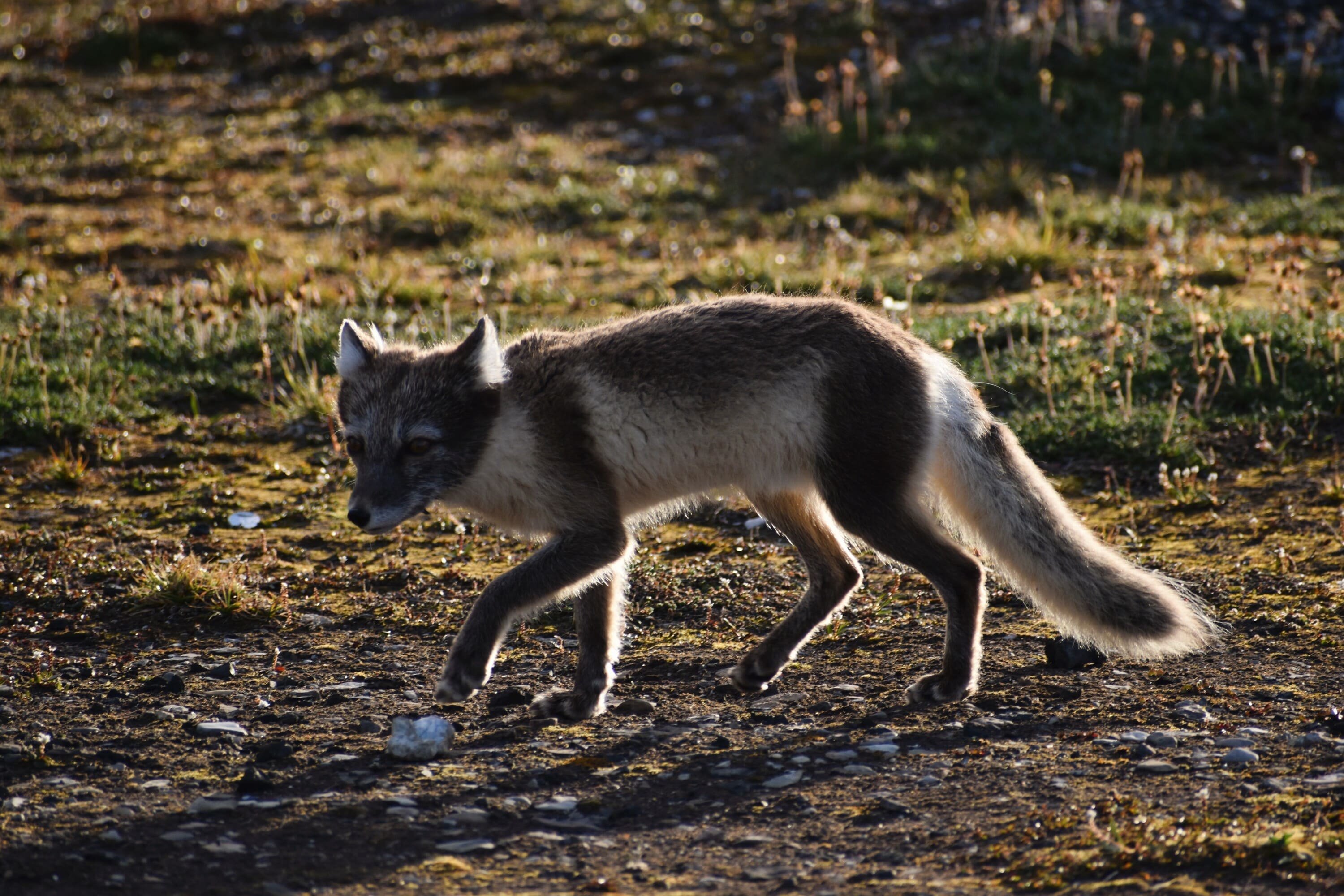
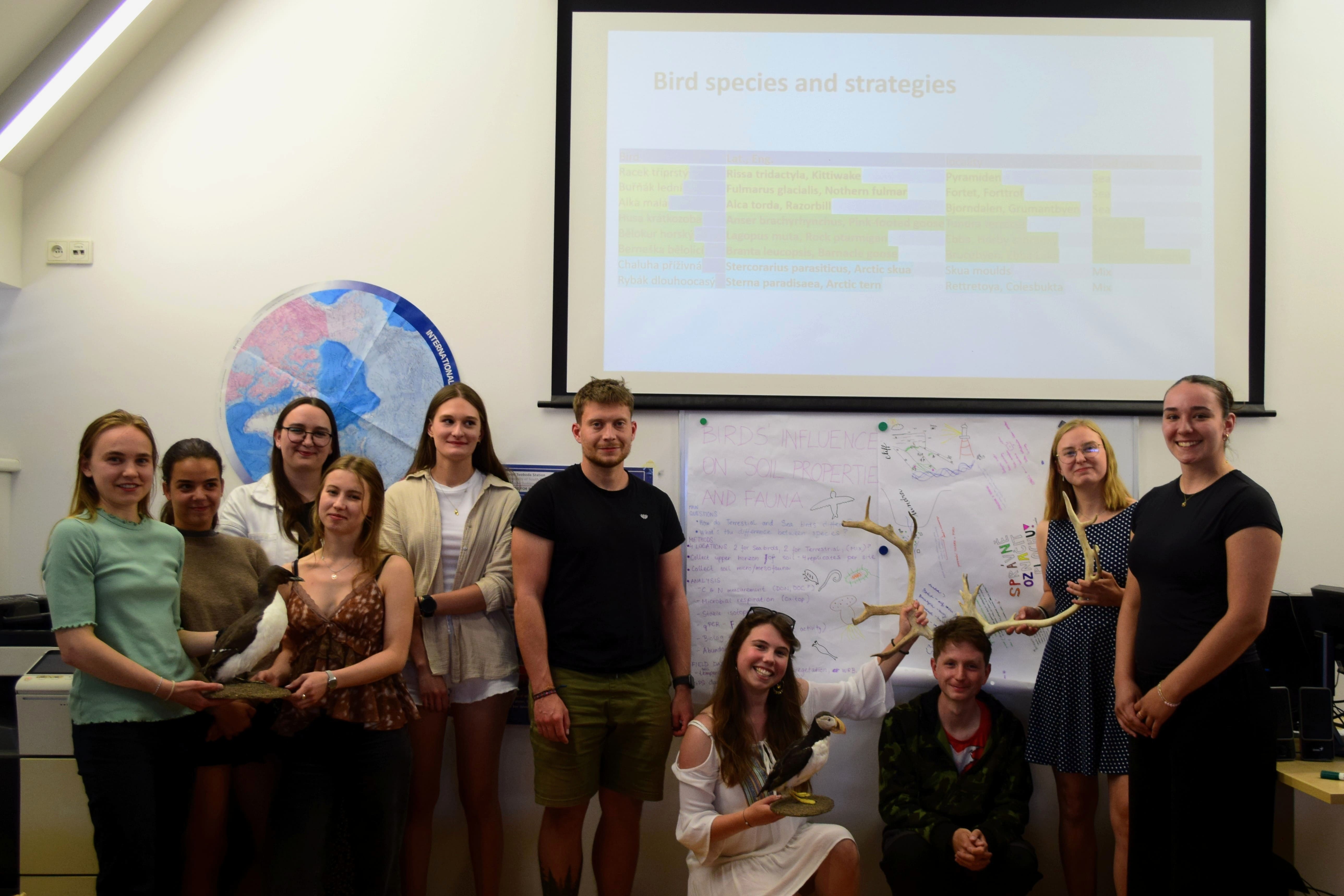
In Svalbard, where arctic foxes are your nearest neighbours (Fig. 1) and the summer sun never sets, we spent three weeks combining field-based teaching with scientific research. Before heading north, we completed a week of theoretical preparation in České Budějovice. We divided into microbiology-zoology and botany-geology teams and designed research projects (Fig. 2) focusing on the influence of birds in Arctic ecosystems, which we later carried out in the field.
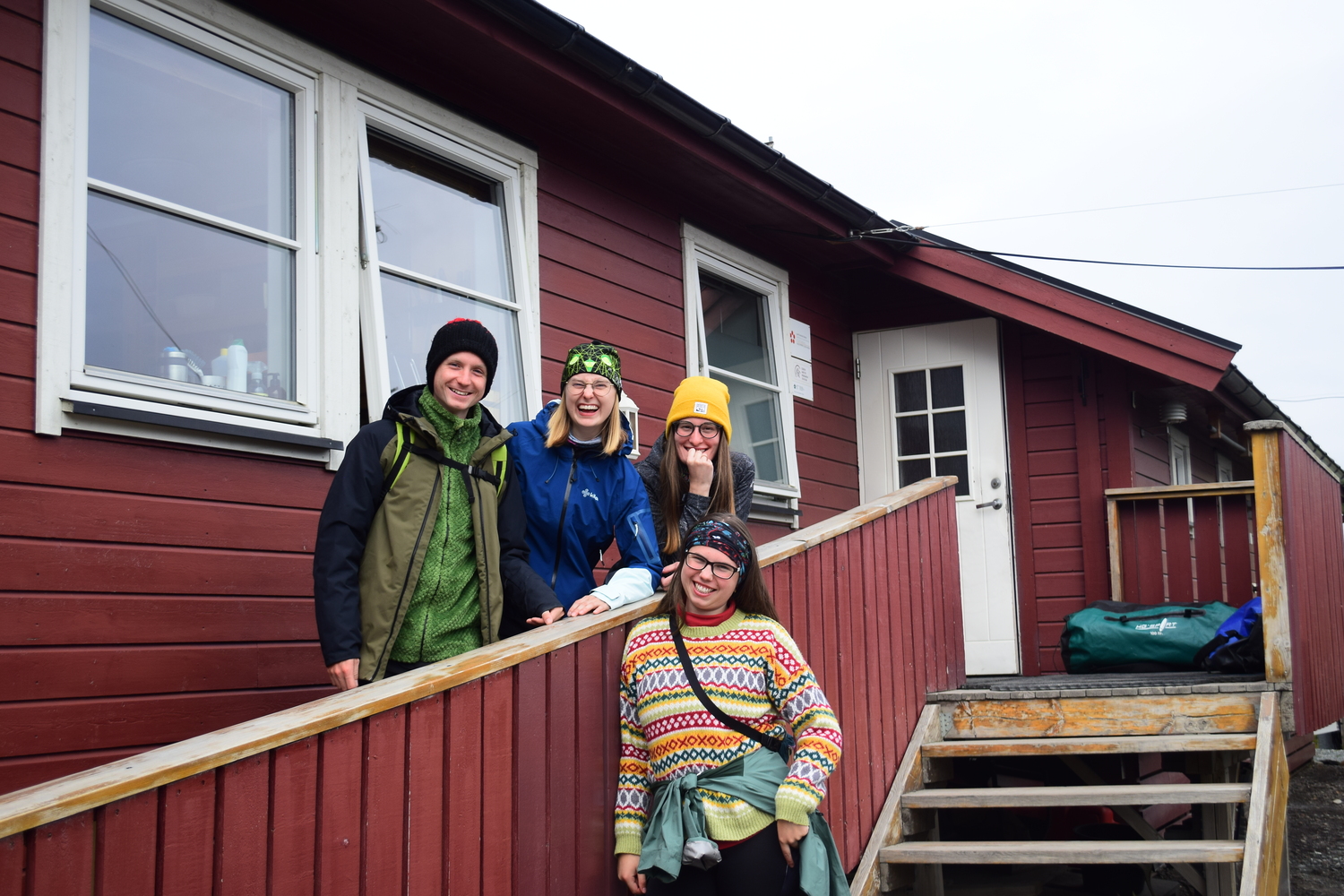
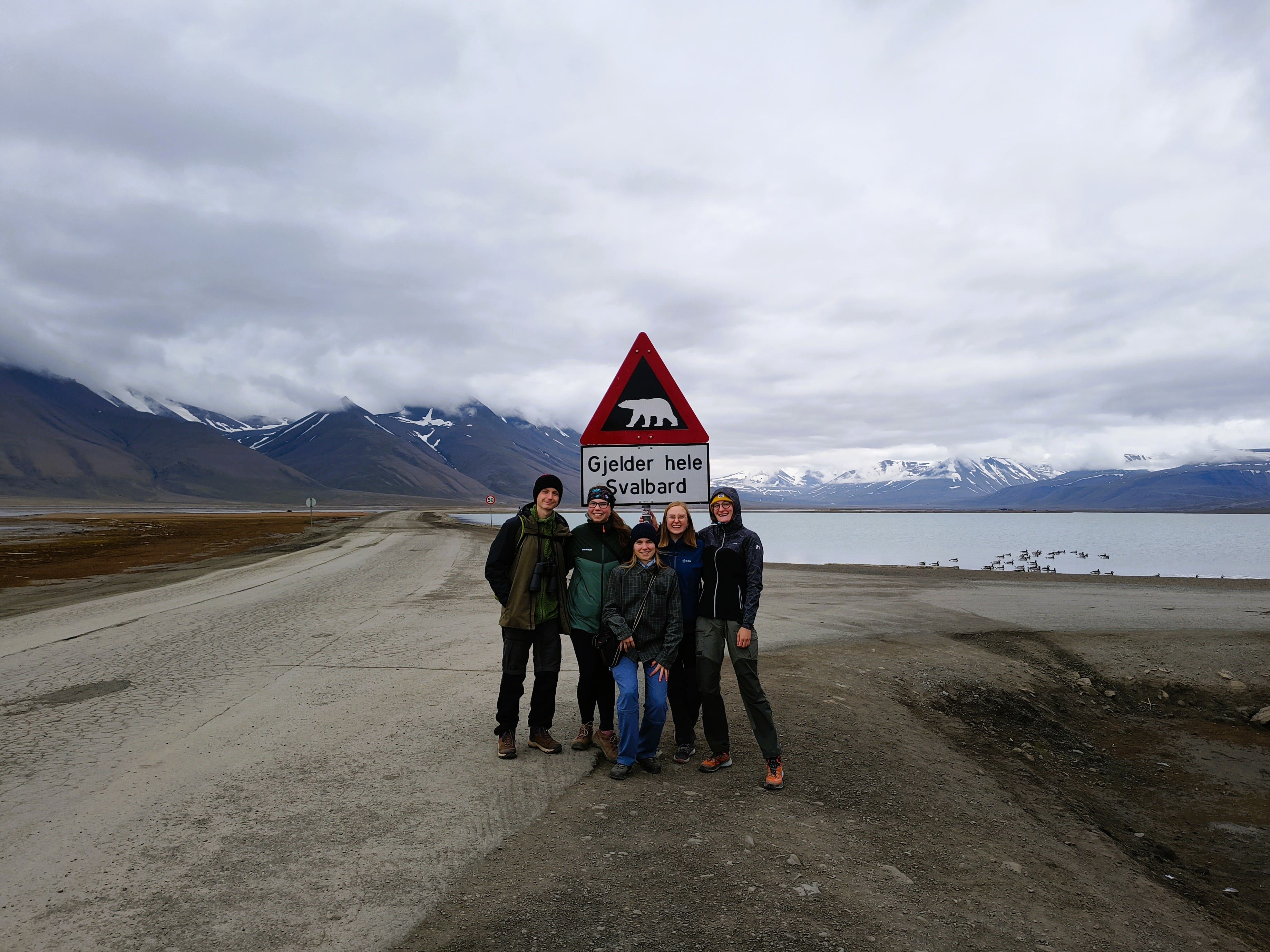
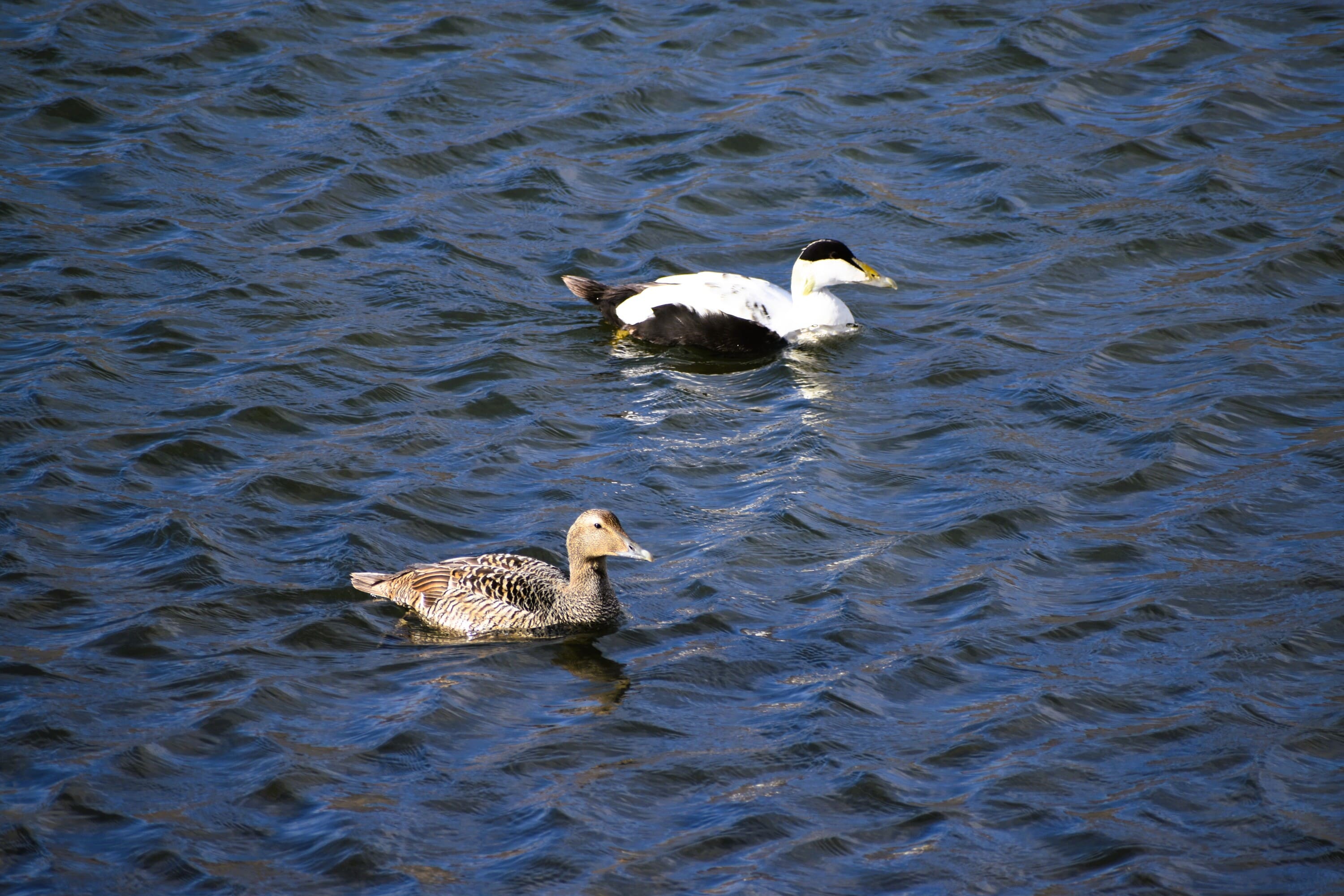
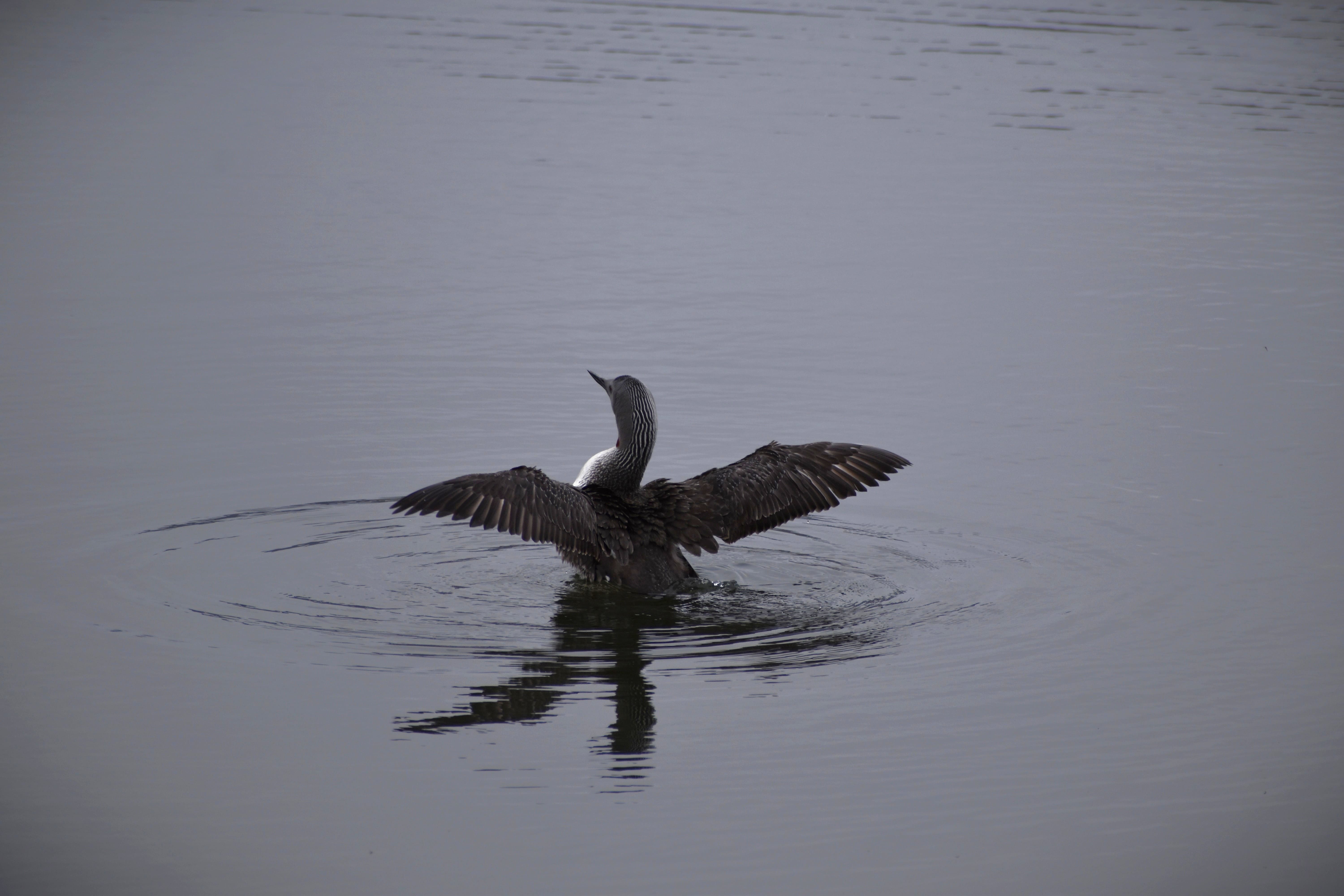
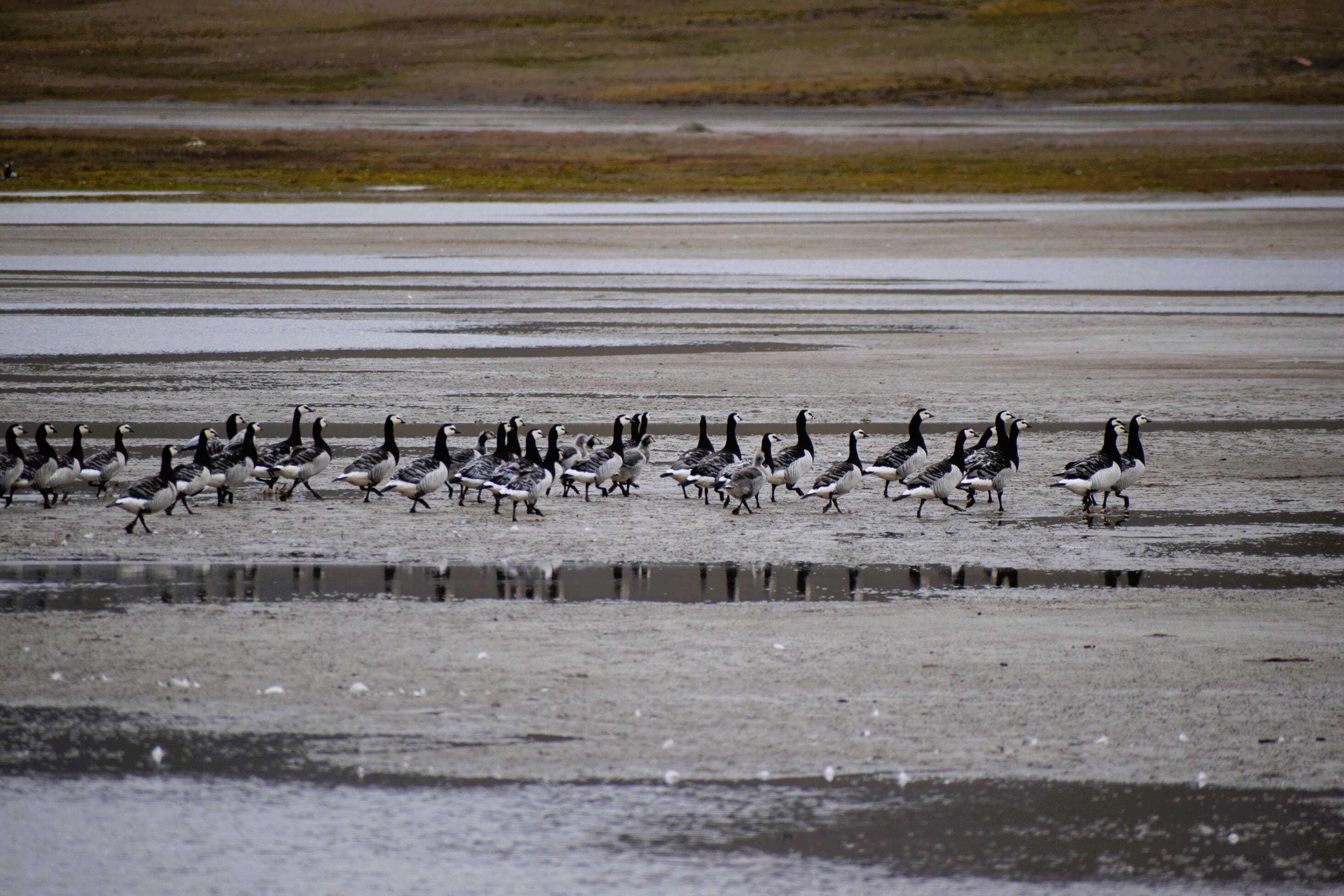
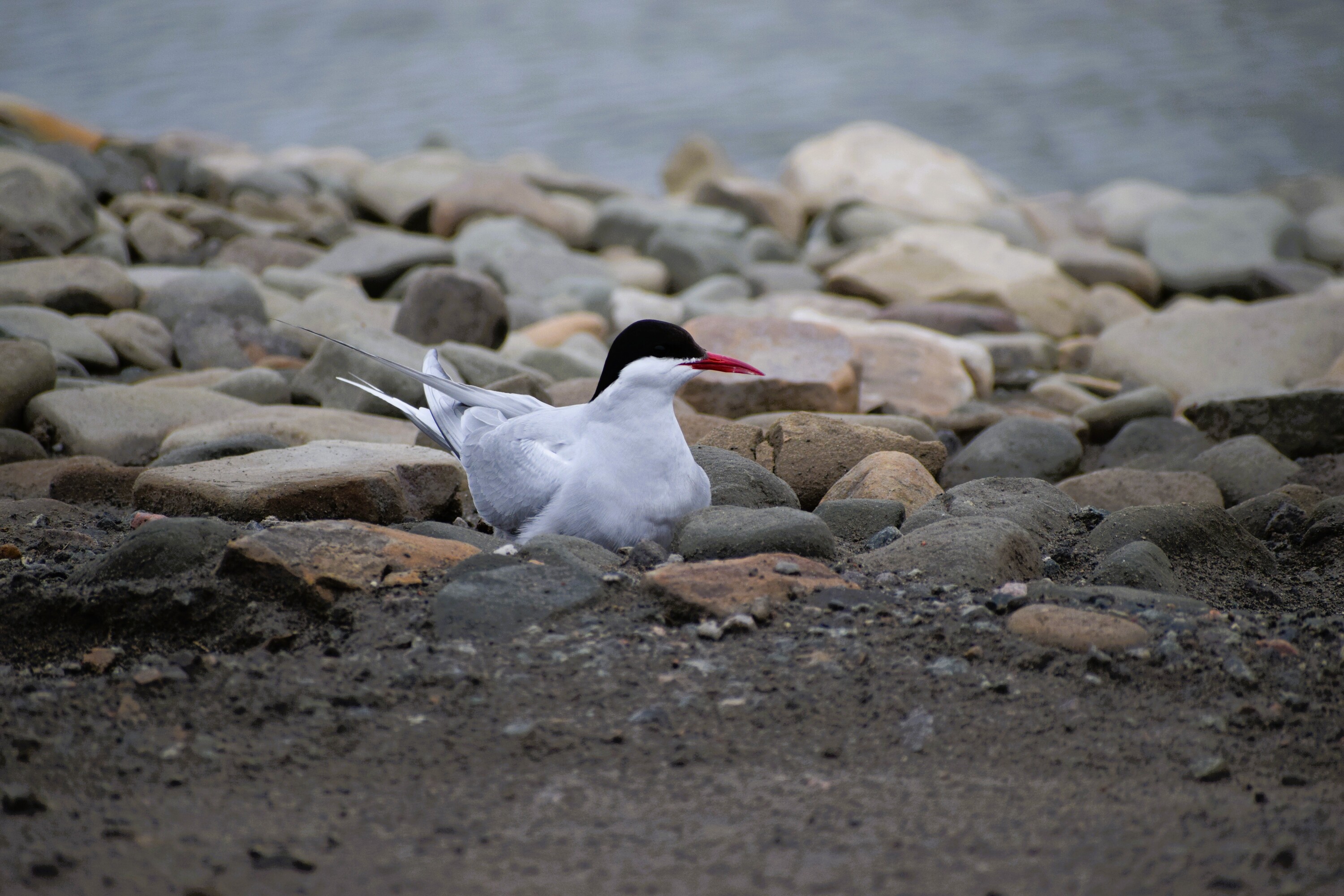
From 4 to 24 July, we lived in the High Arctic. After arriving in Longyearbyen, we settled into the Payer House (Fig. 3), visited the world's northernmost church, explored the Svalbard Museum, and walked to the famous warning sign marking the beginning of polar bear territory (Fig. 4), beyond which travelling is only permitted with armed protection. Even during our first walks around town, we encountered common eiders (Fig. 5), red-throated divers (Fig. 6), barnacle geese with goslings (Fig. 7), and Arctic terns (Fig. 8).
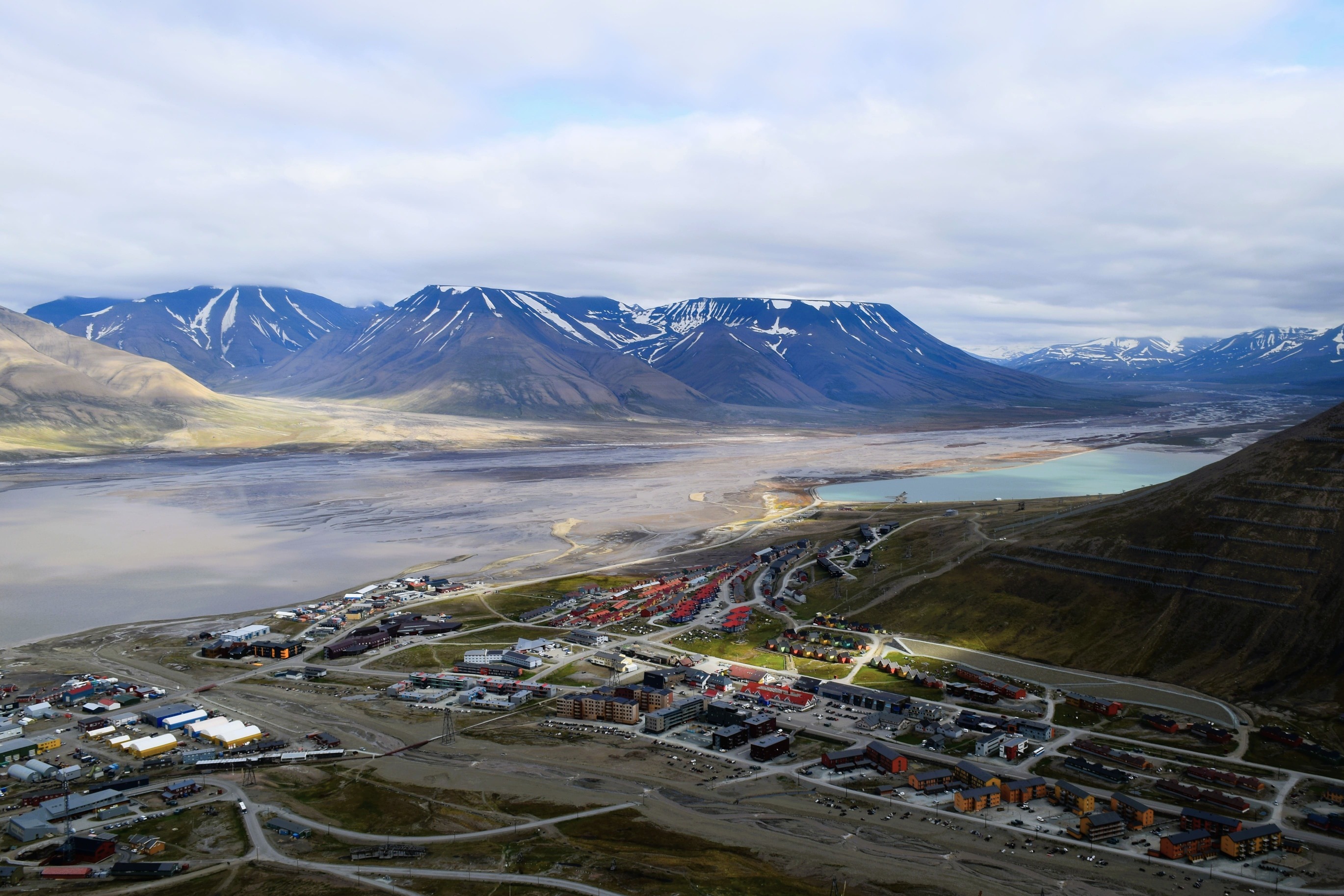
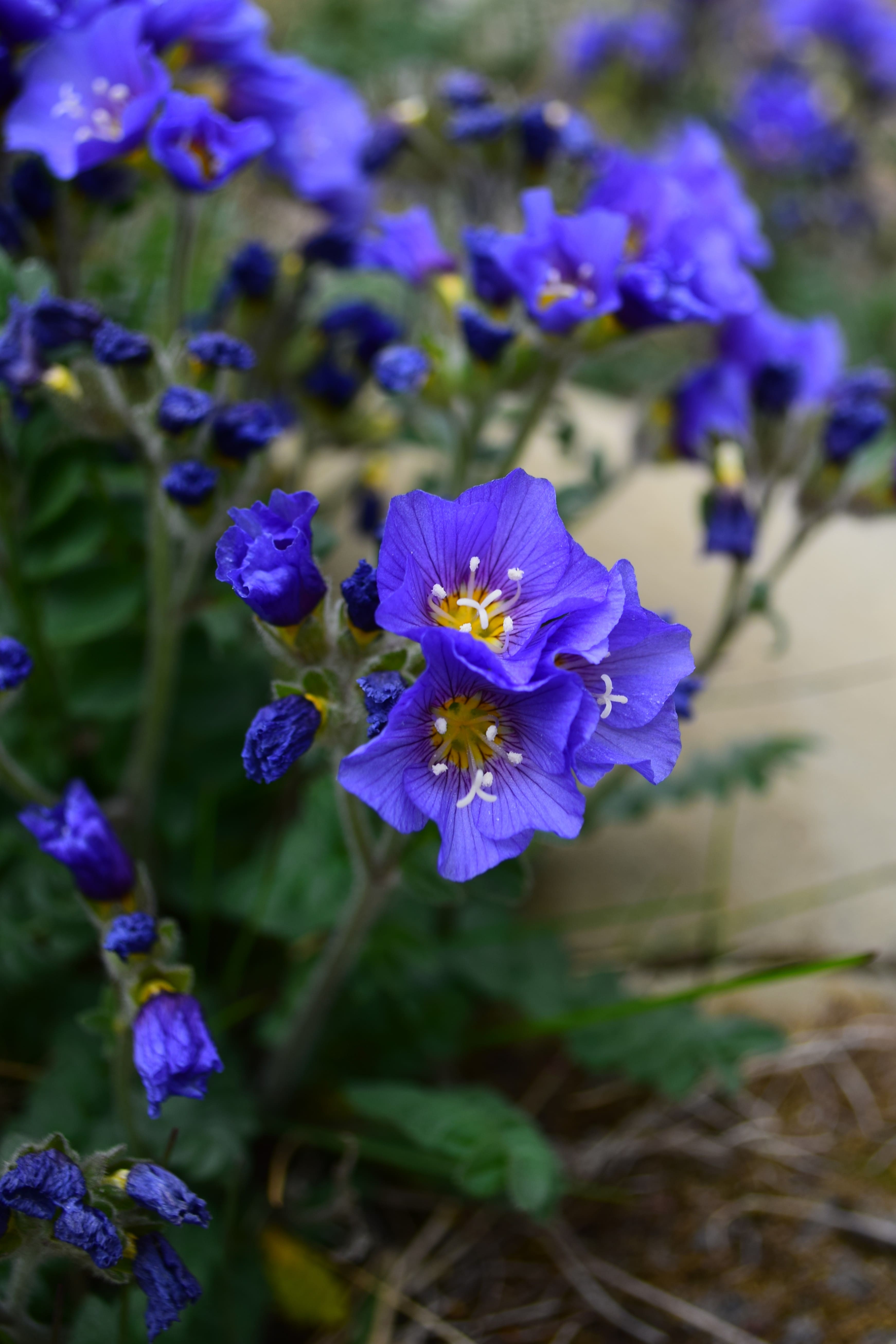
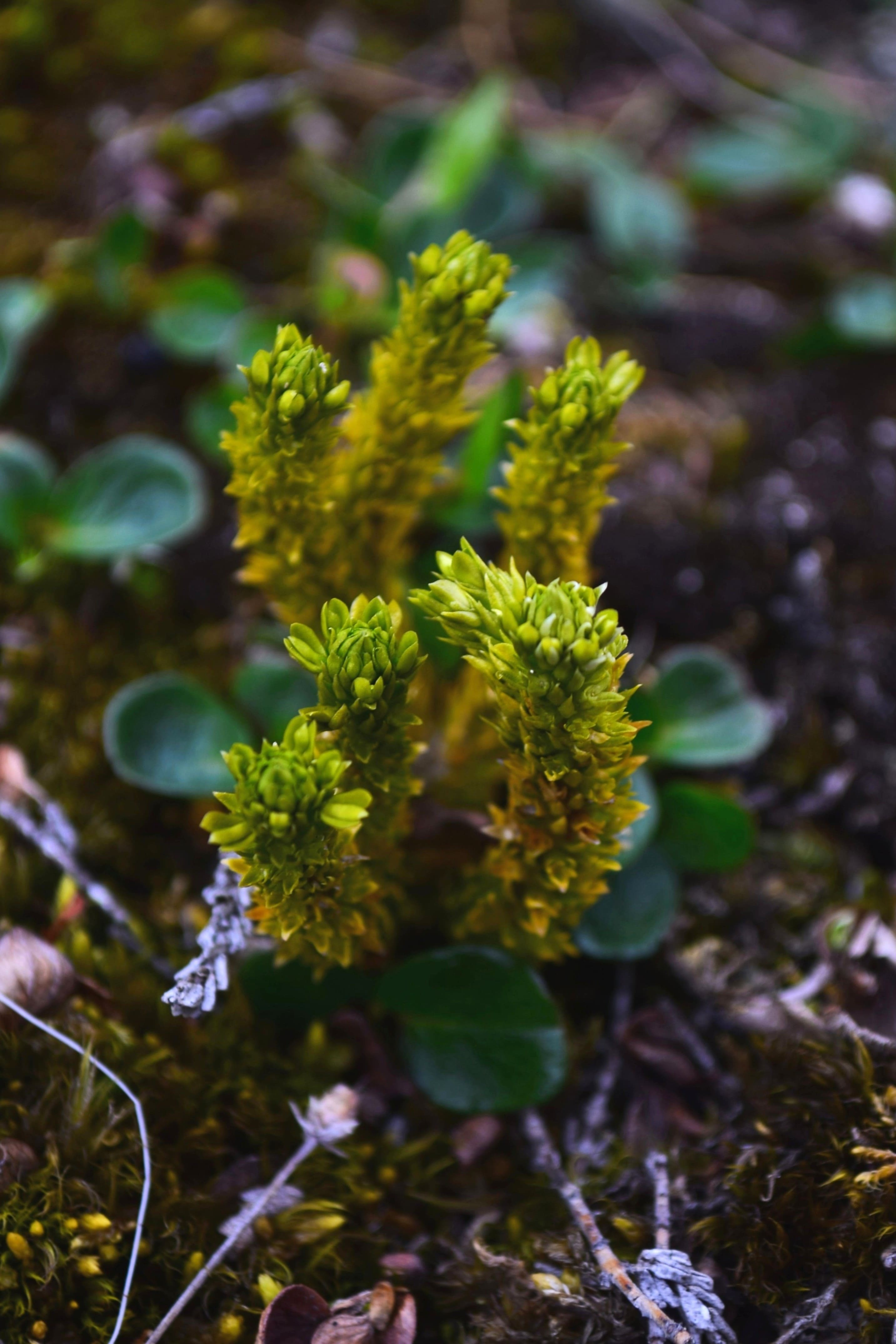
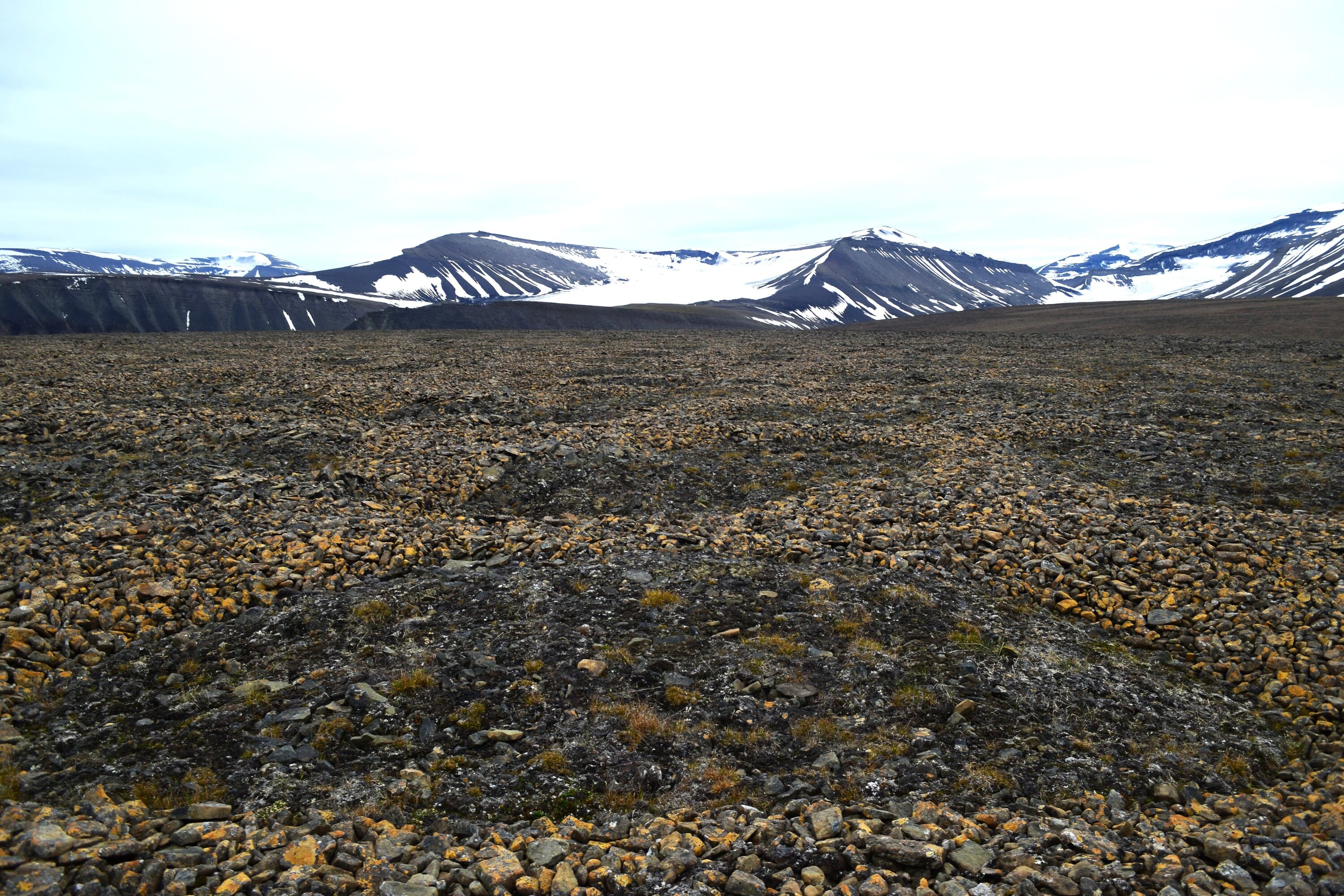
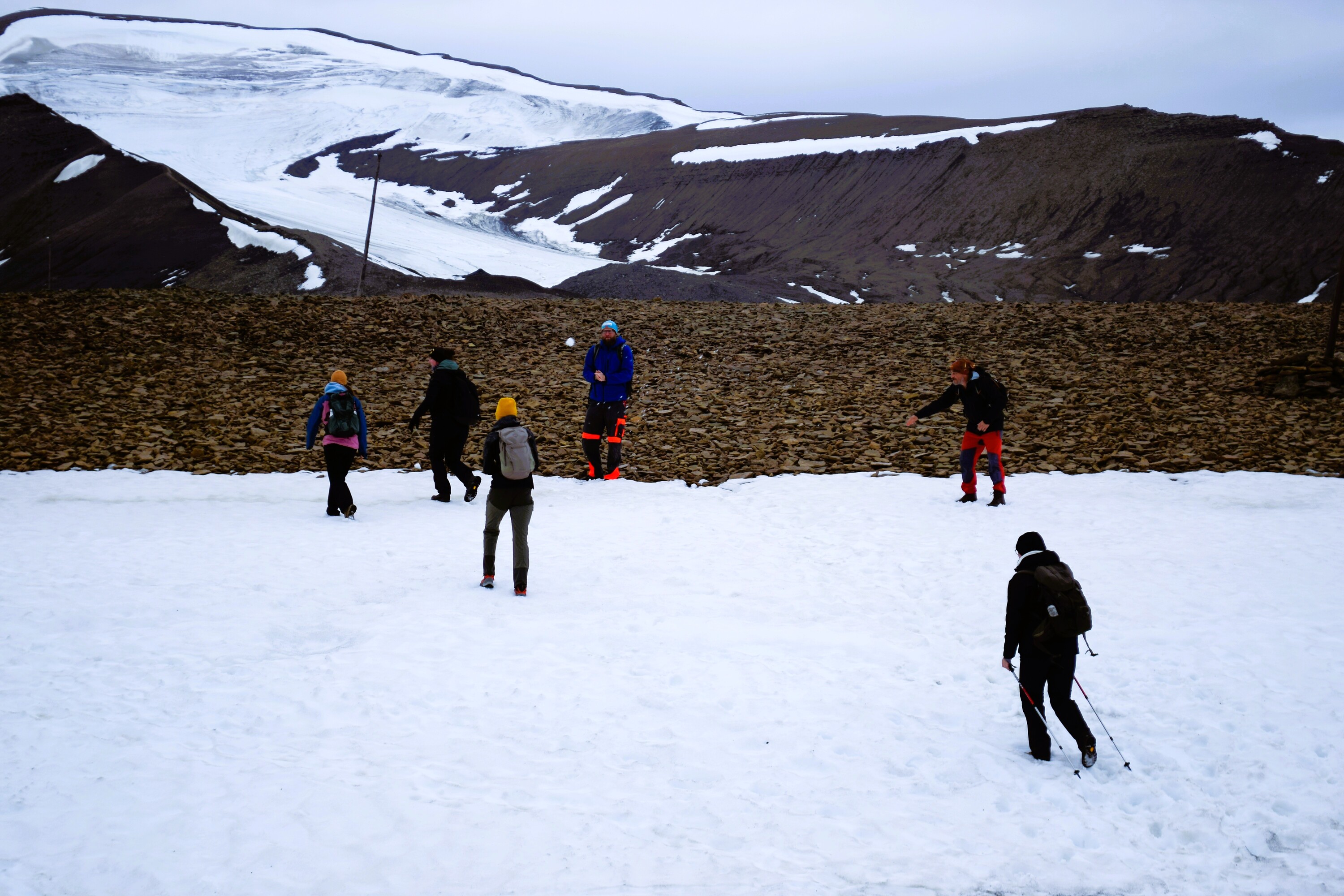
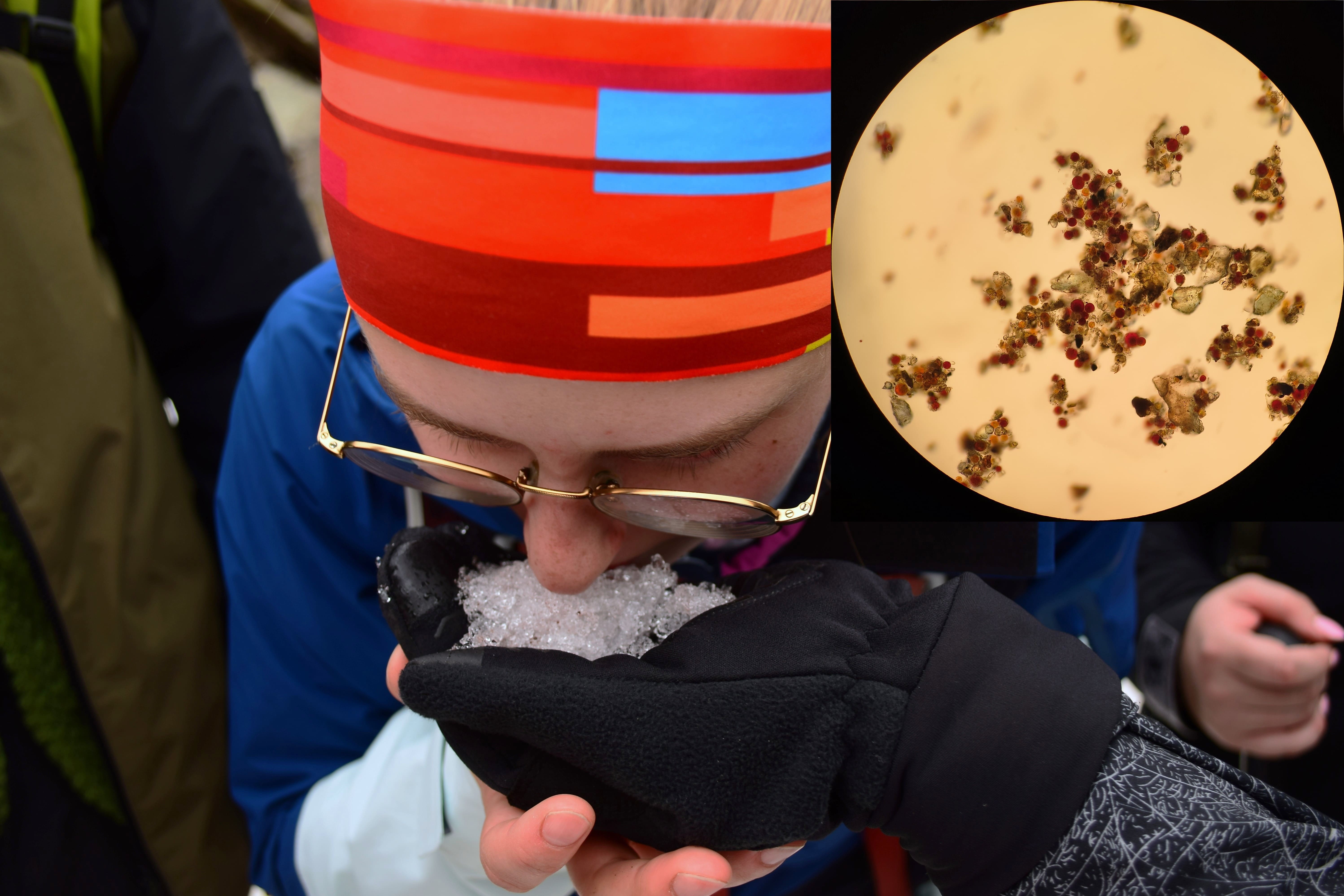
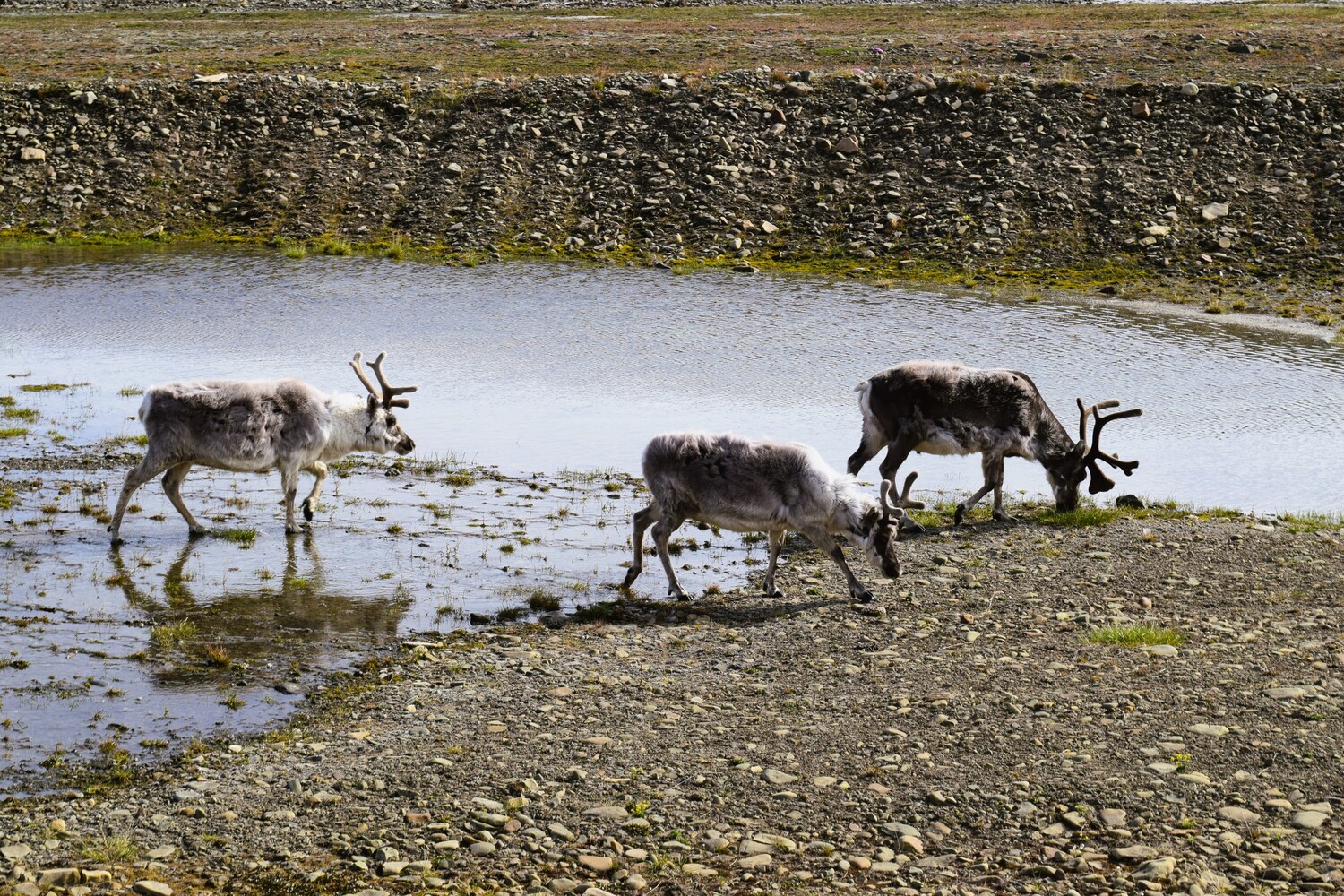
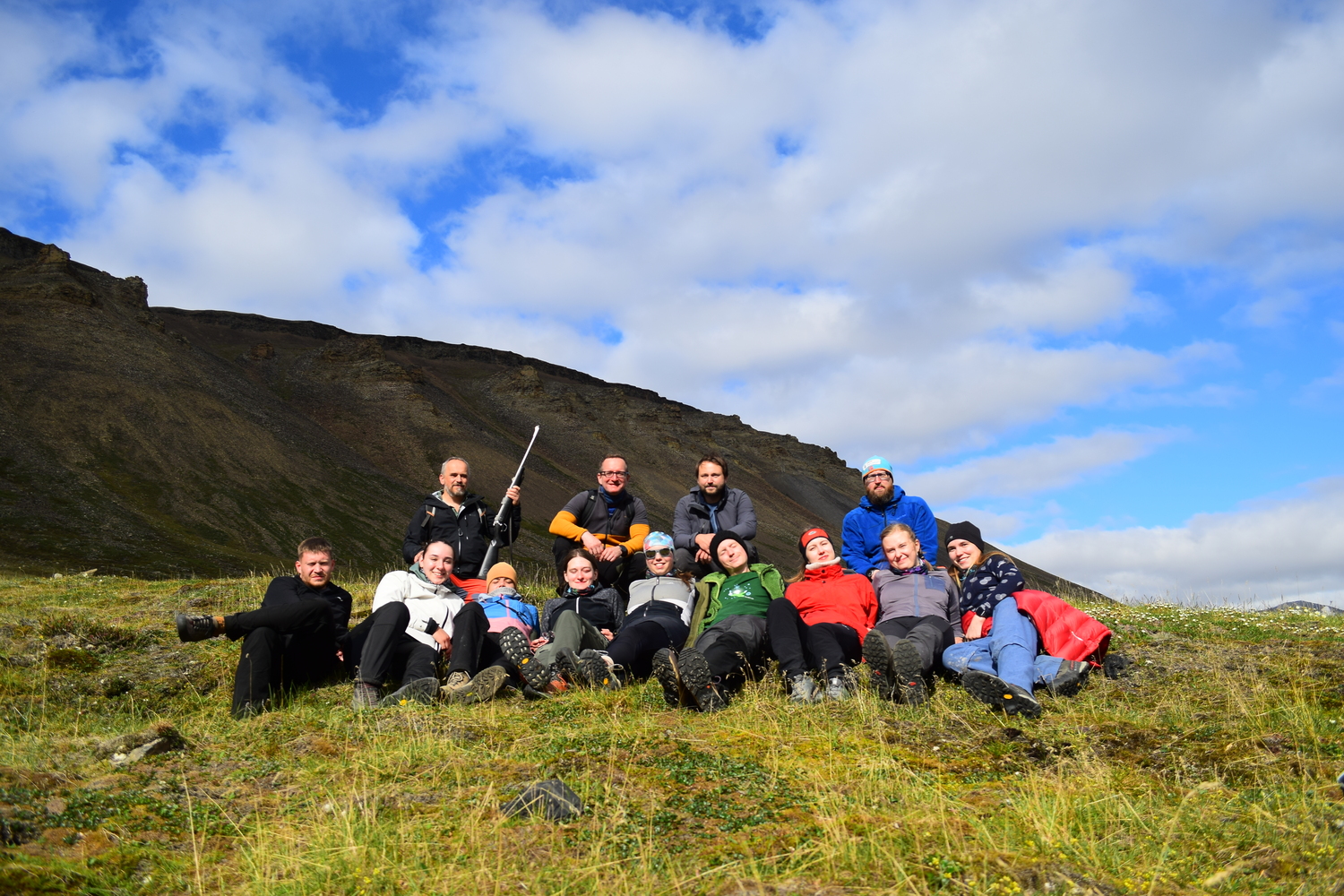
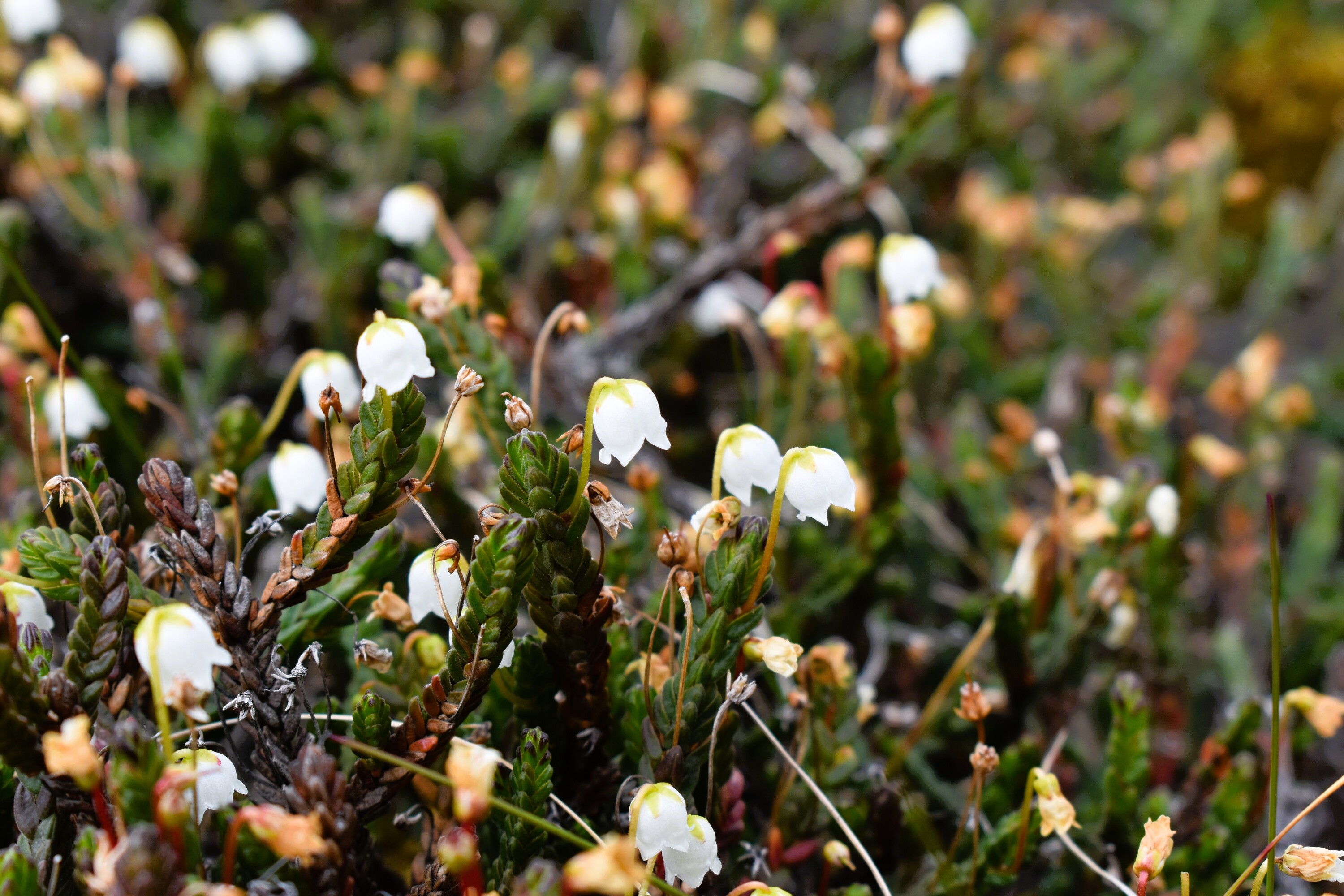
Our first major hike took us above Longyearbyen, where, after climbing 400 metres, the town lay spread out beneath us (Fig. 9). Along the way, we admired northern Jacob's-ladder (Fig. 10) and arctic firmoss (Fig. 11), crossed striking polygonal soils (Fig. 12), enjoyed an unexpected snowball fight (Fig. 13), and confirmed that the famous watermelon snow, coloured by snow algae, really does smell like watermelon (Fig. 14). In Endalen Valley, we were accompanied by Svalbard reindeer (Fig. 15) and discovered just how comfortable the tundra can be for a rest (Fig. 16), especially on cushions of four-angled cassiope (Fig. 17).
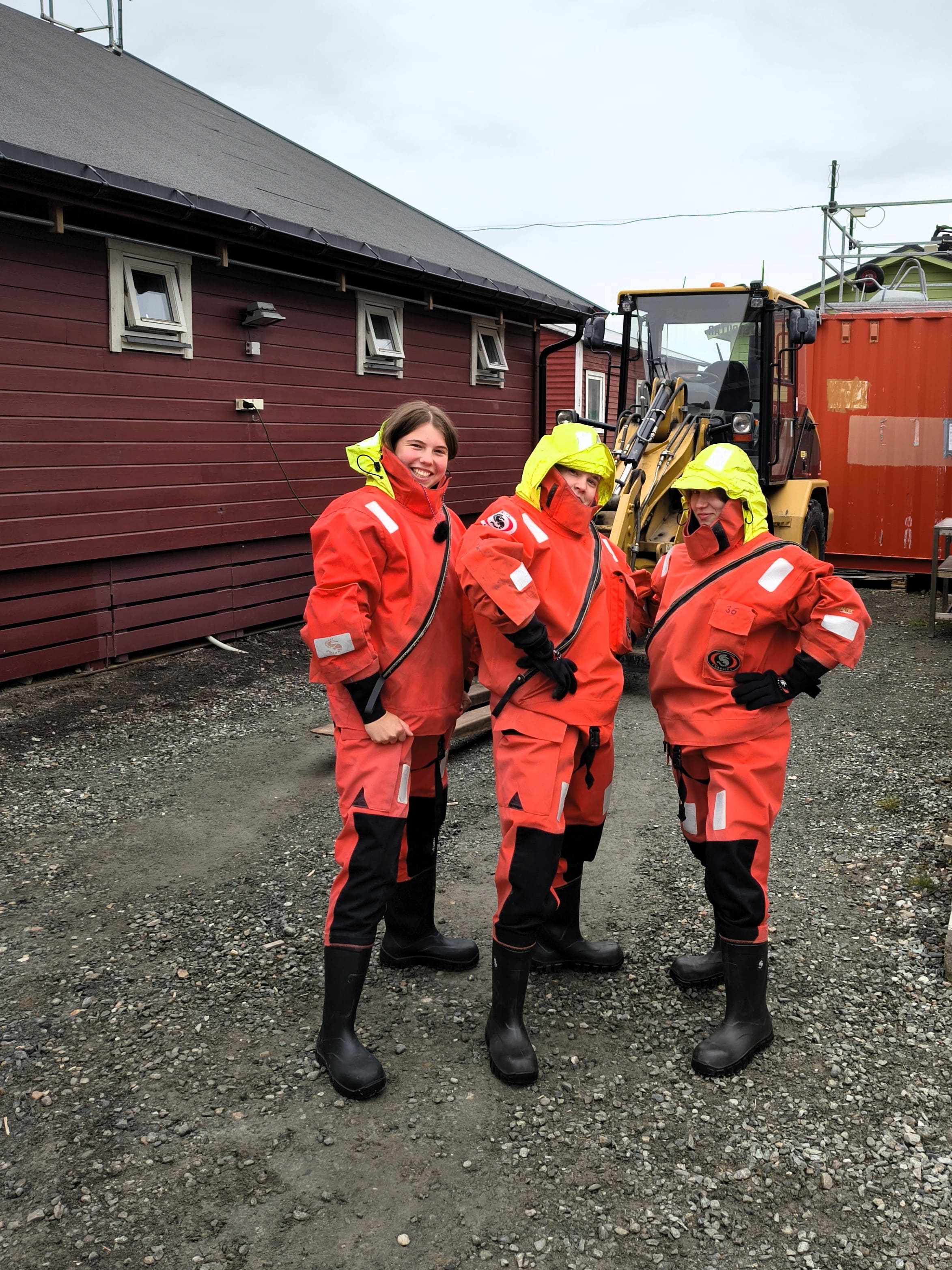
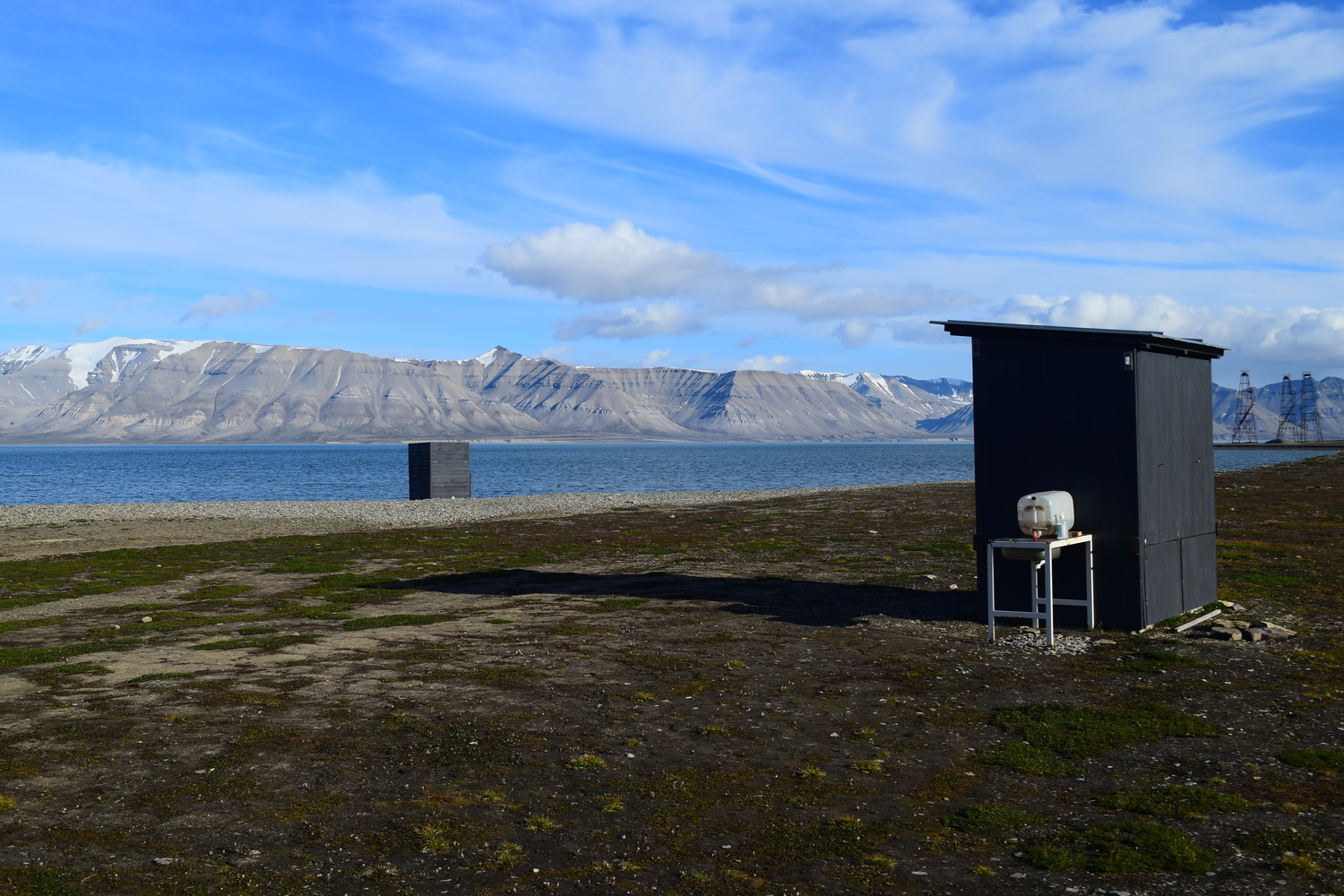
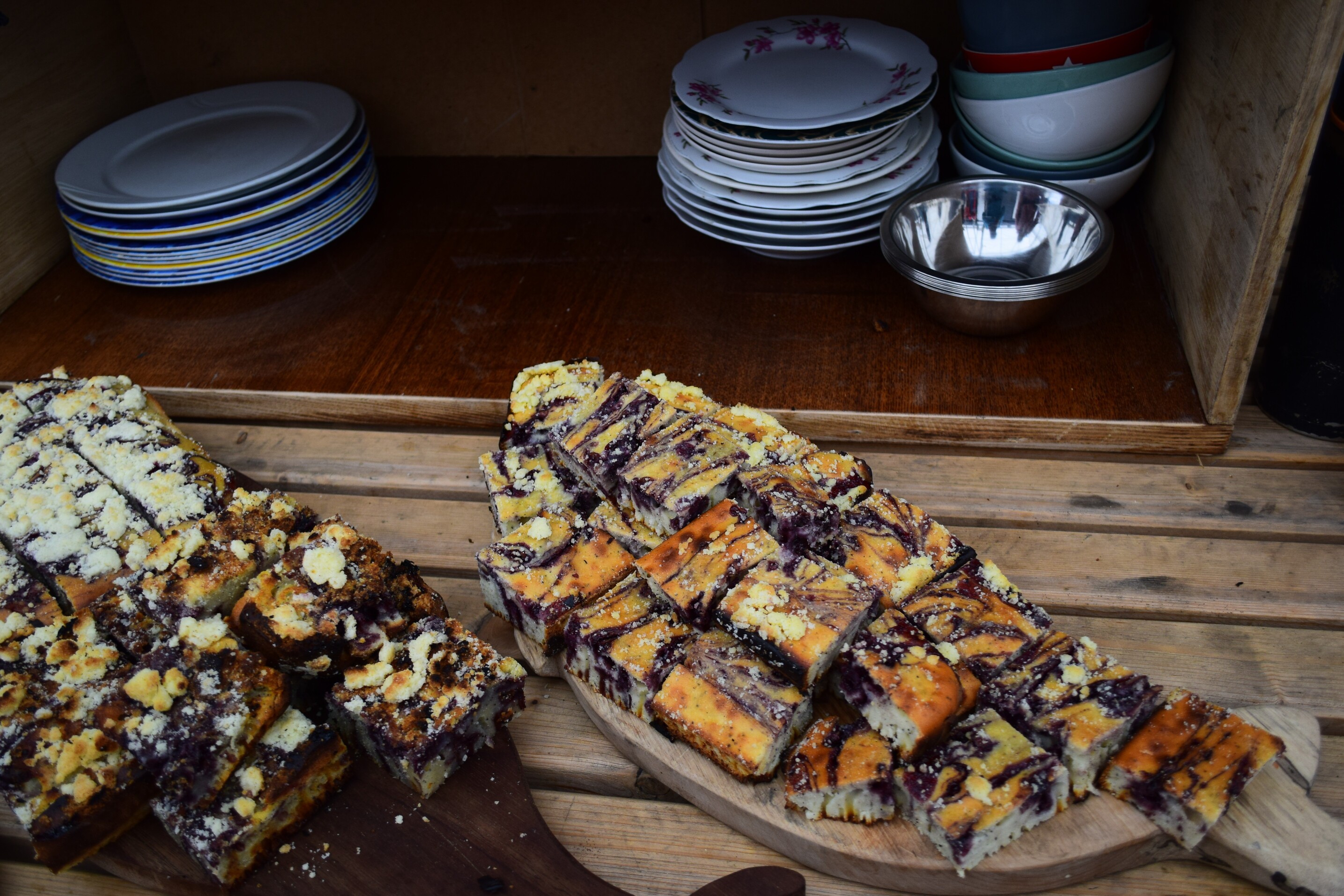
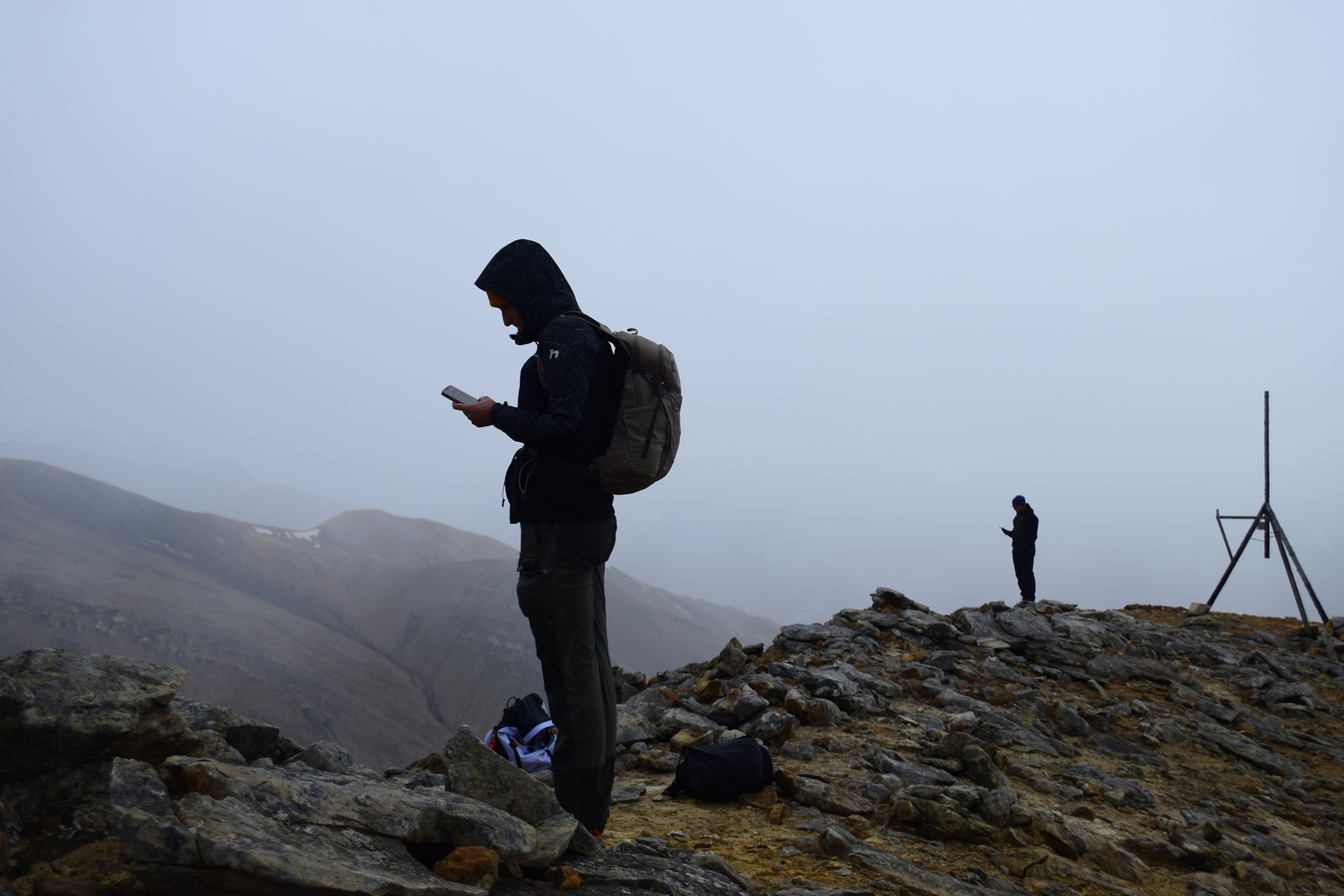
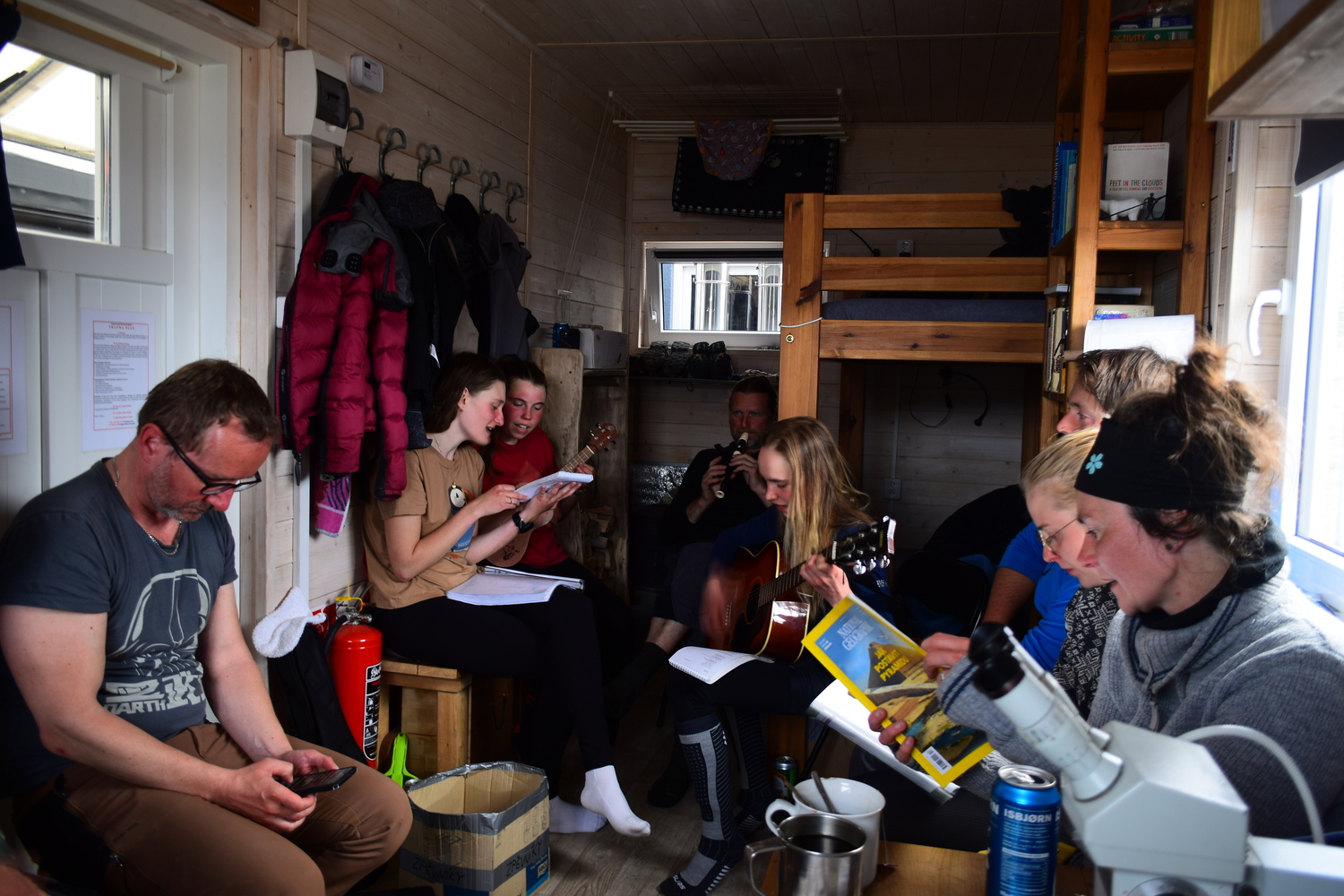
Wearing protective waterproof survival suits known as Ursuits (Fig. 18), we travelled by boat to Petuniabukta, where the Nostoc Field Station became our home for the next ten days. Who could resist the station's legendary outhouses (Fig. 19), perhaps offering the most spectacular view imaginable? To keep the station running smoothly, we worked in pairs on daily duty, preparing breakfast, maintaining supplies of boiled water, and cooking for our seventeen-member group. The bravest among us even baked cakes (Fig. 20). With no mobile signal at the station - and reception only available after climbing roughly 500 metres toward Elsabreen Glacier (Fig. 21) - our evenings were spent together in the warm laboratory, playing games and singing to the accompaniment of guitar, ukulele, recorder, and occasionally even a trumpet (Fig. 22).
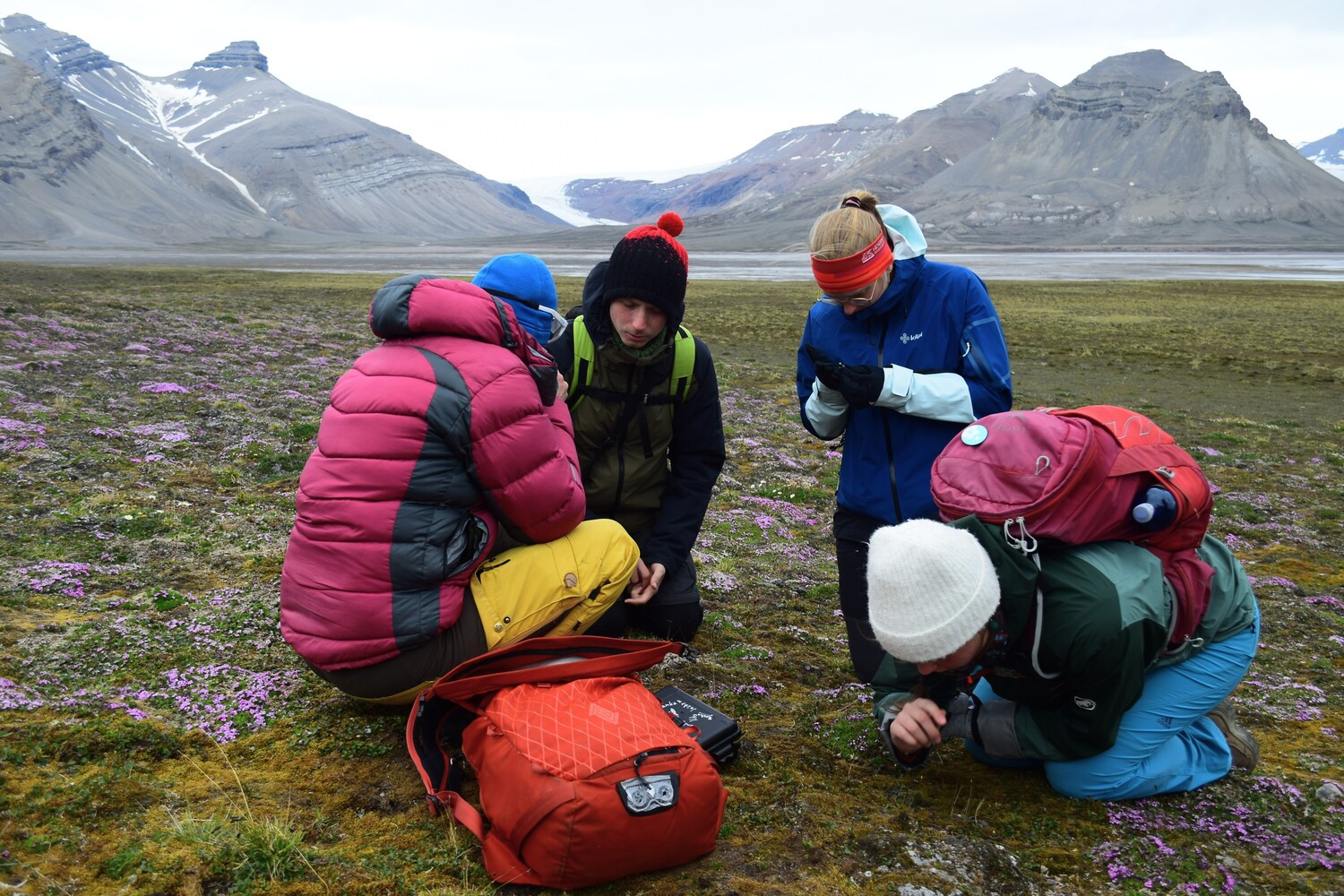
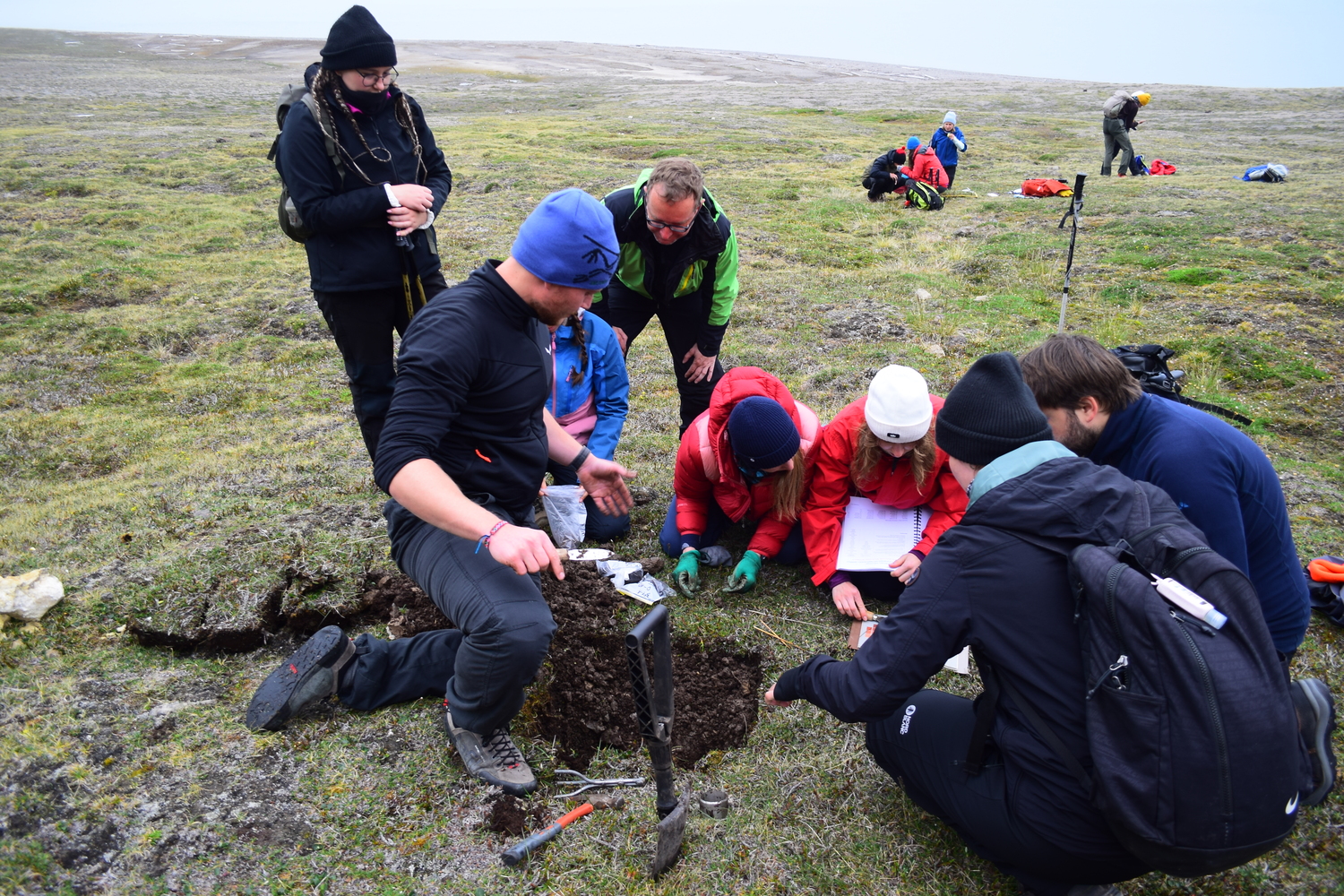
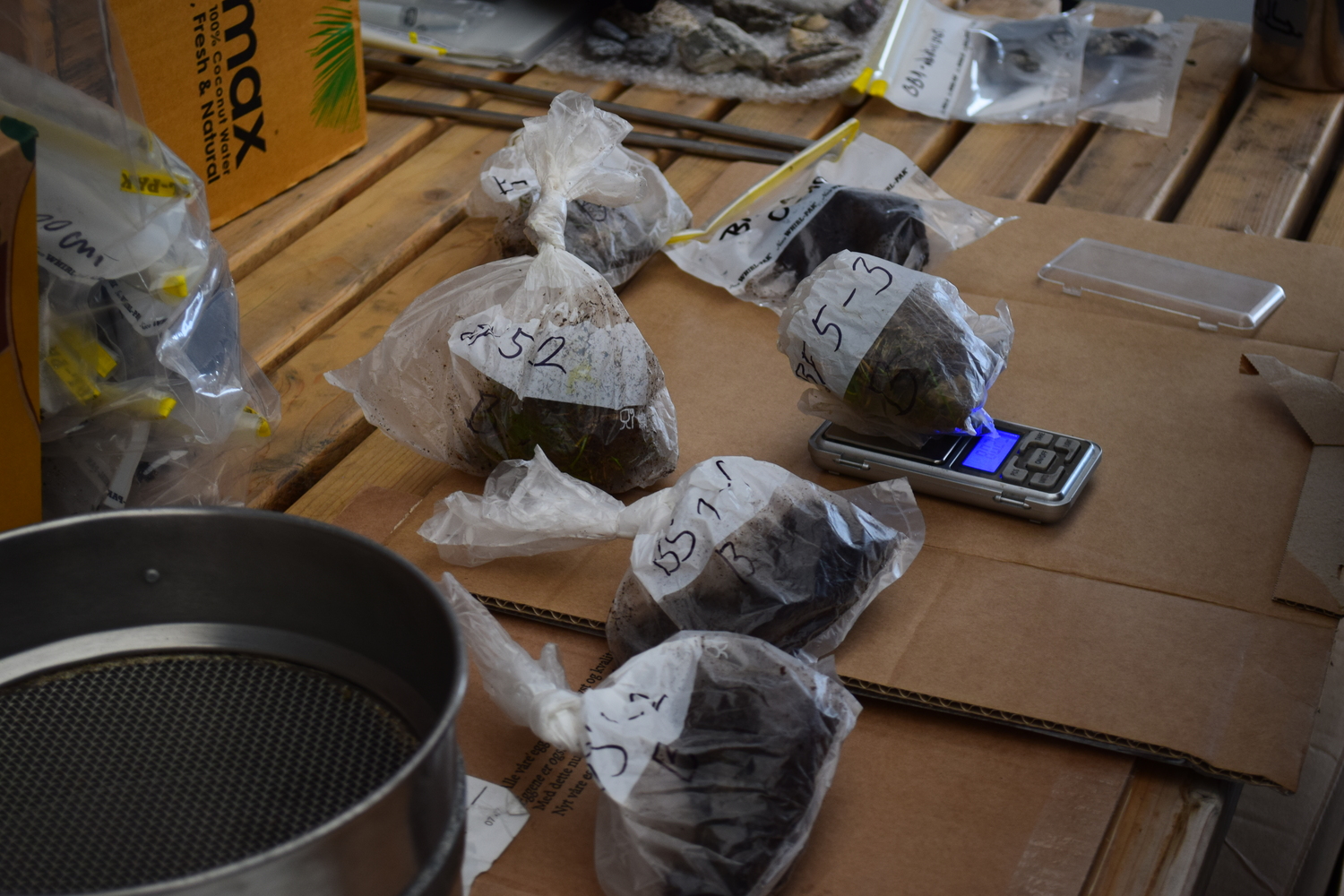
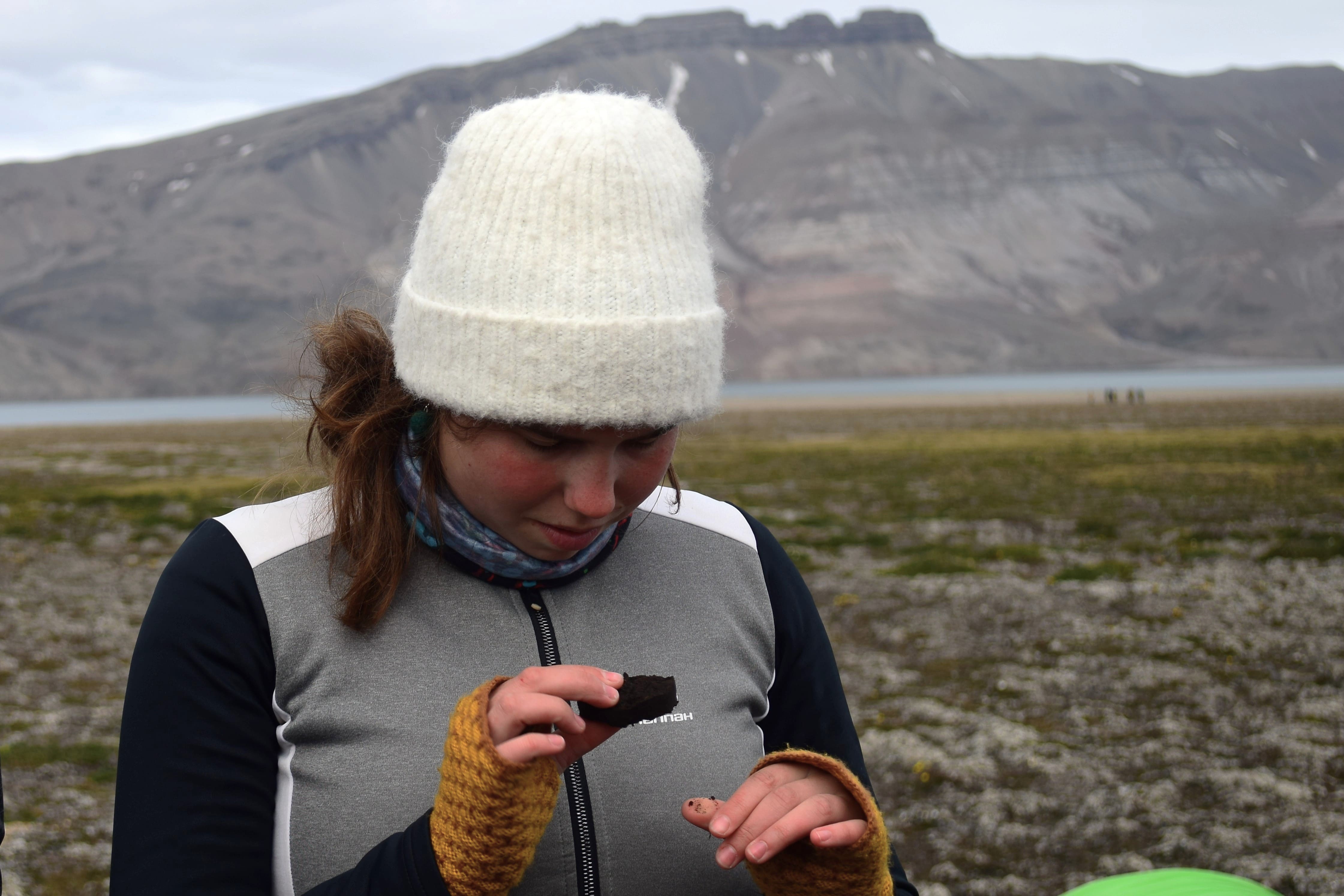
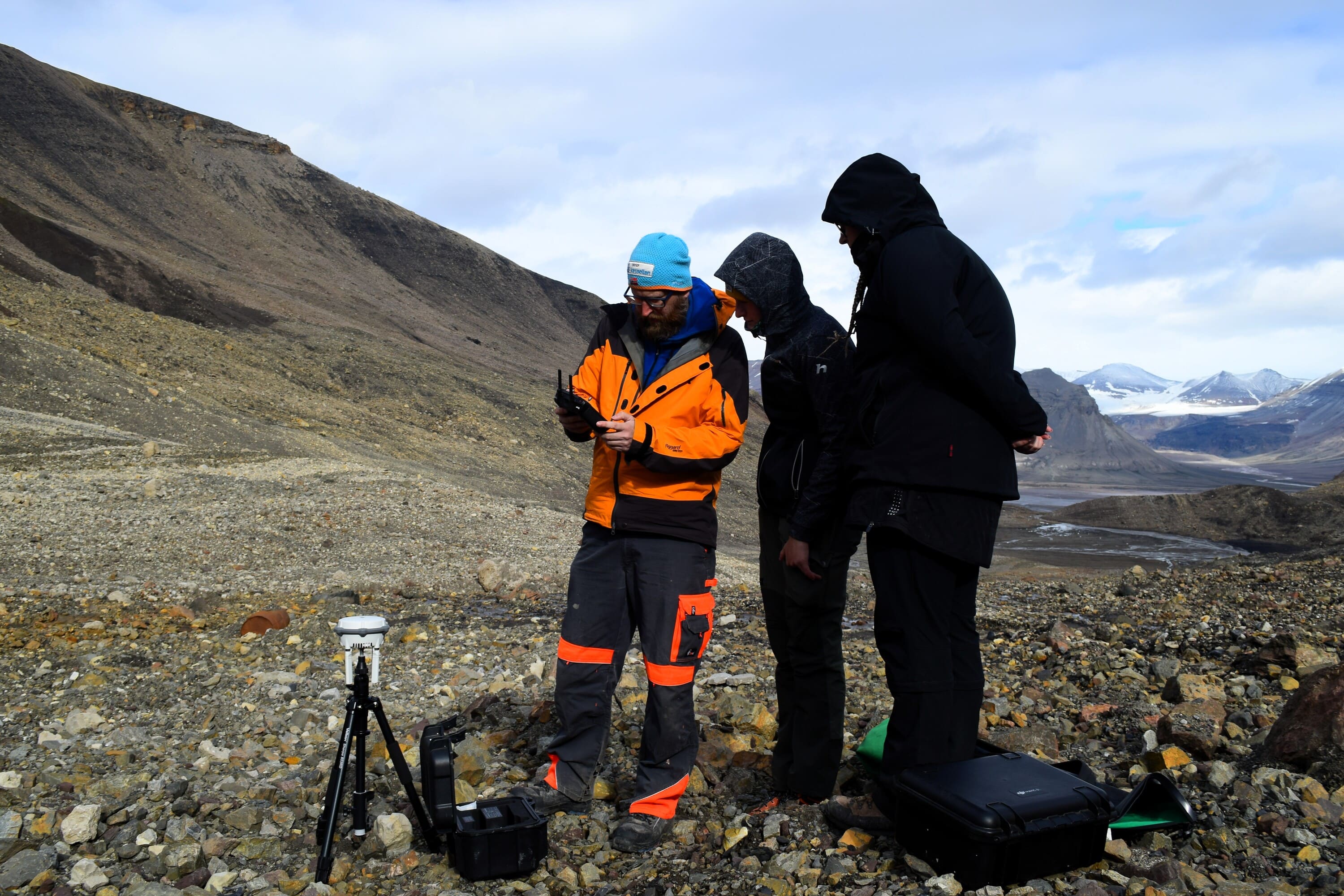
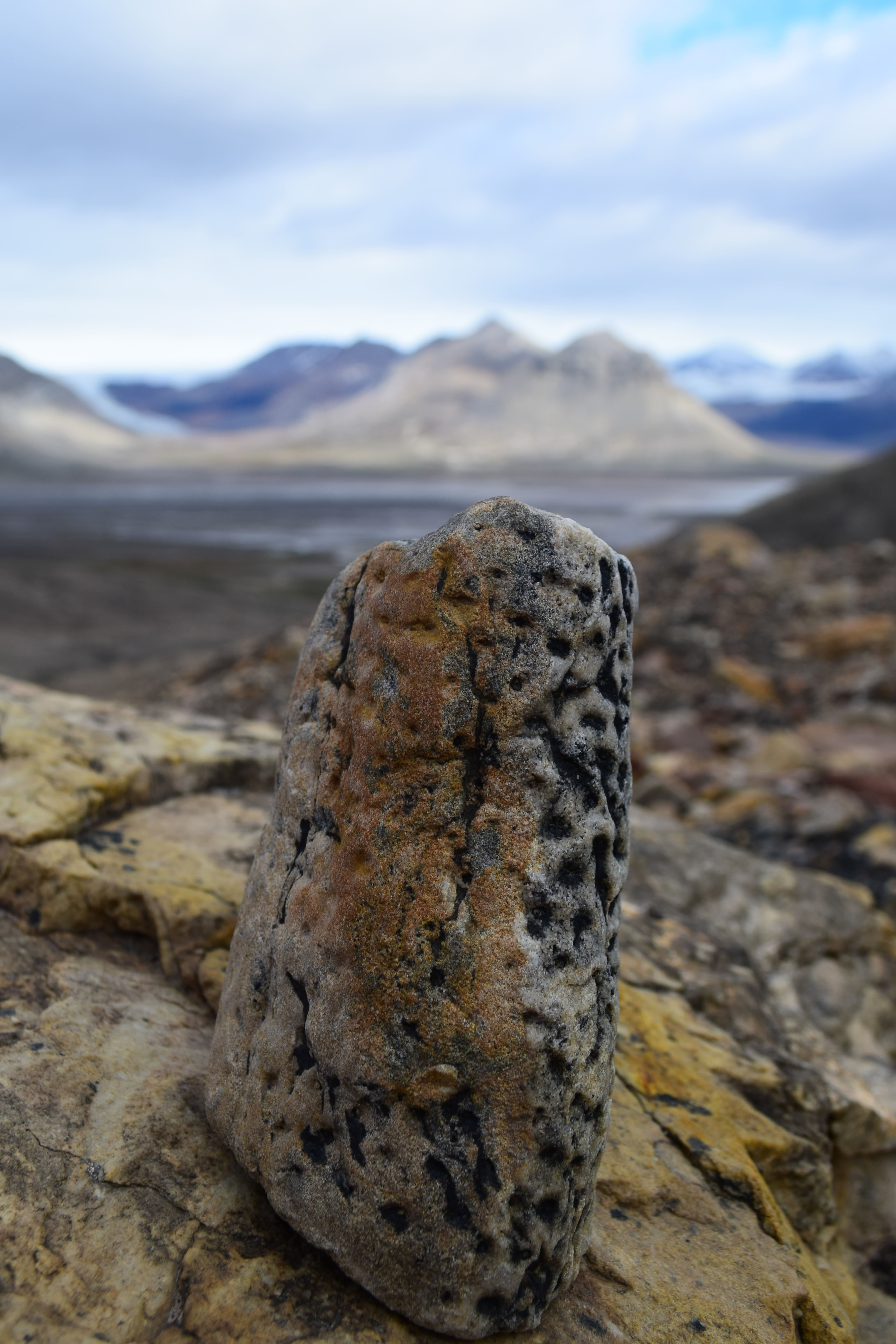
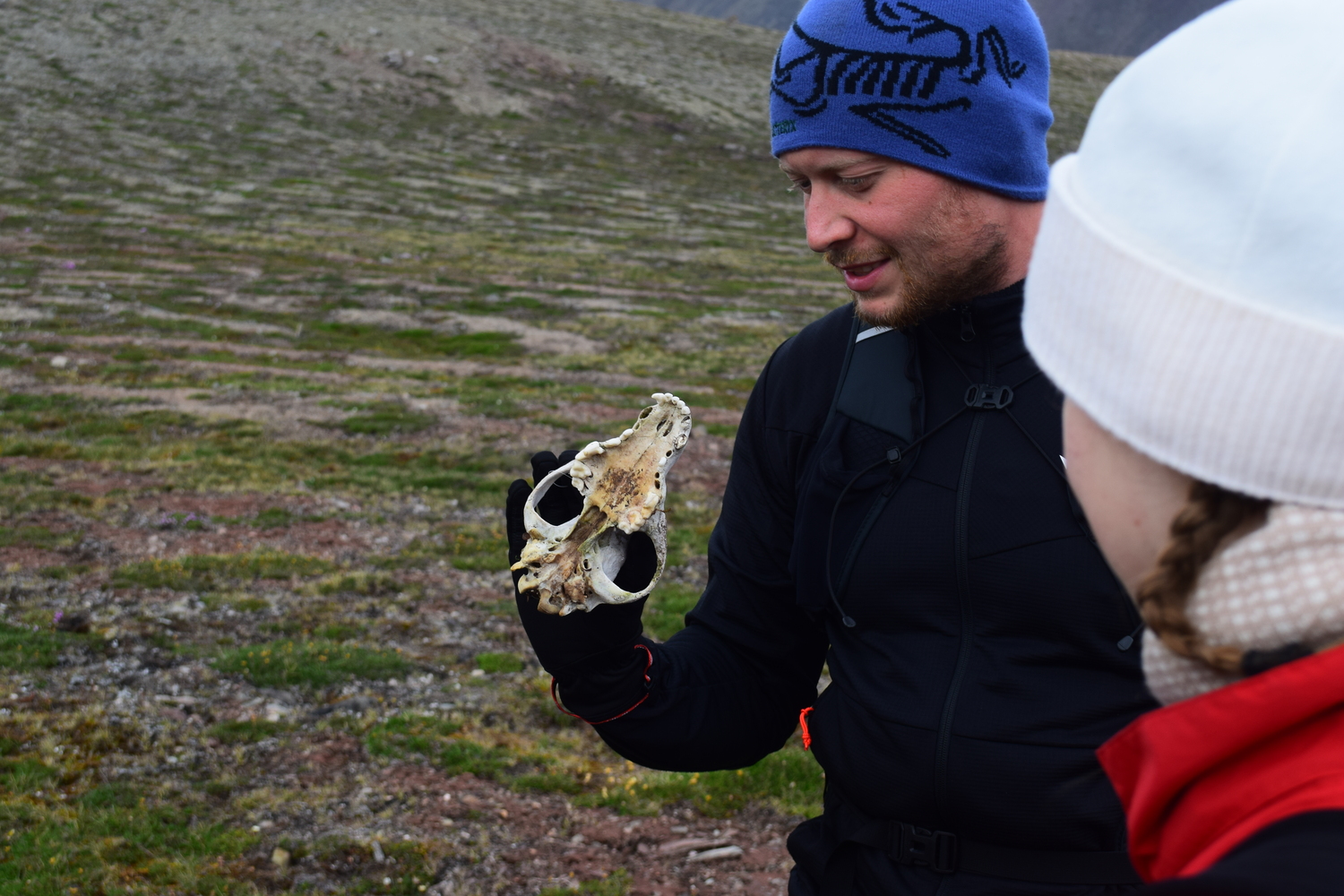
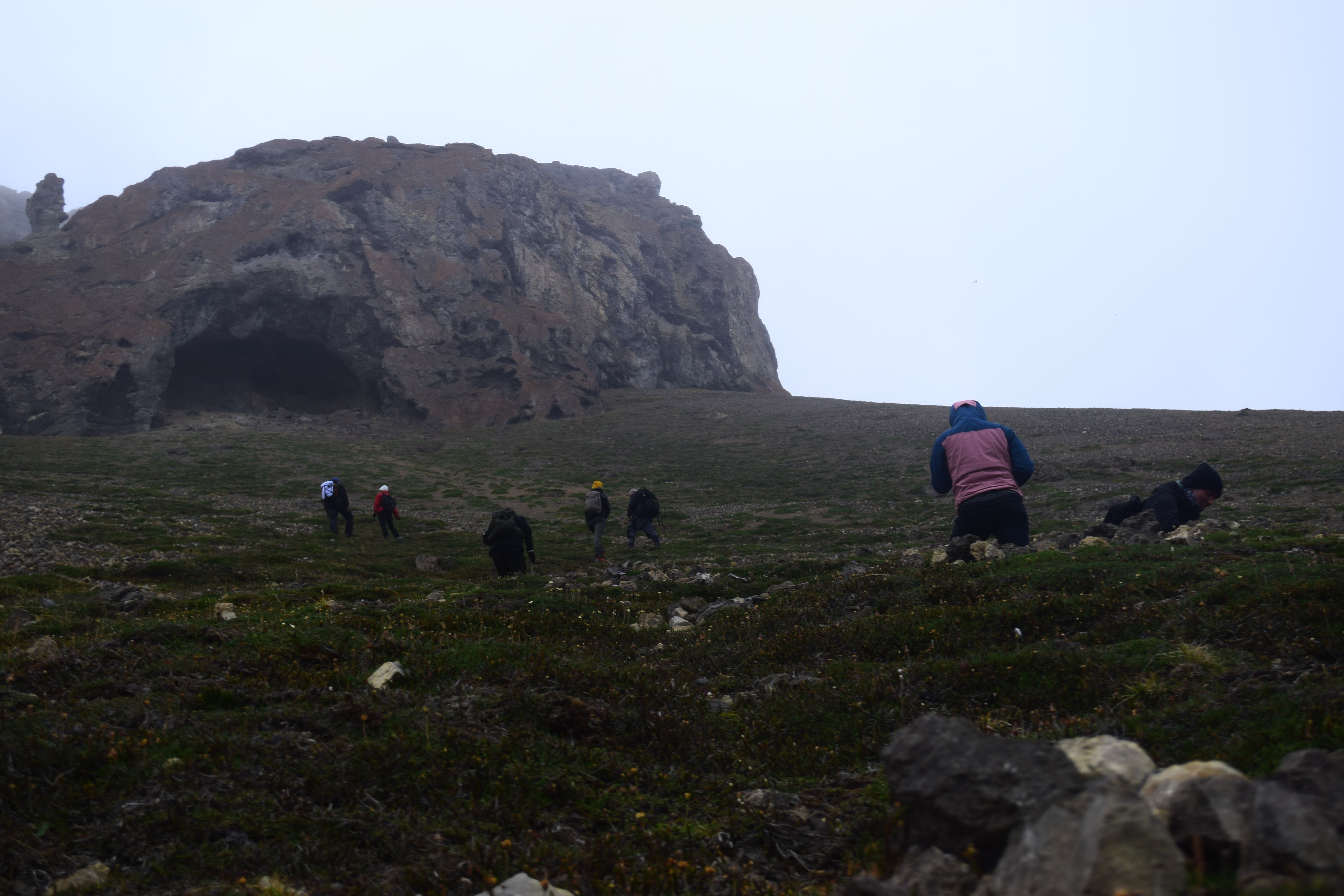
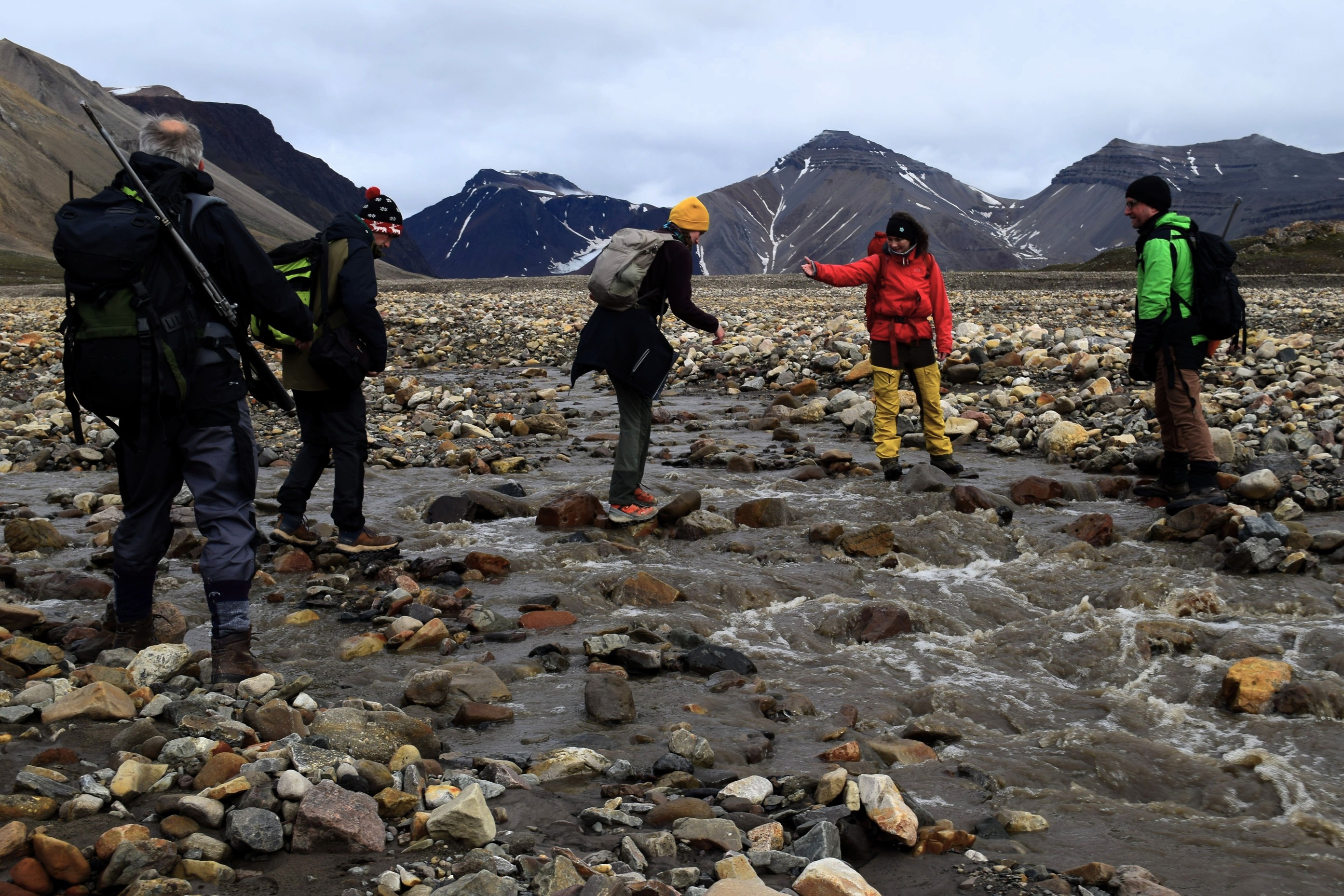
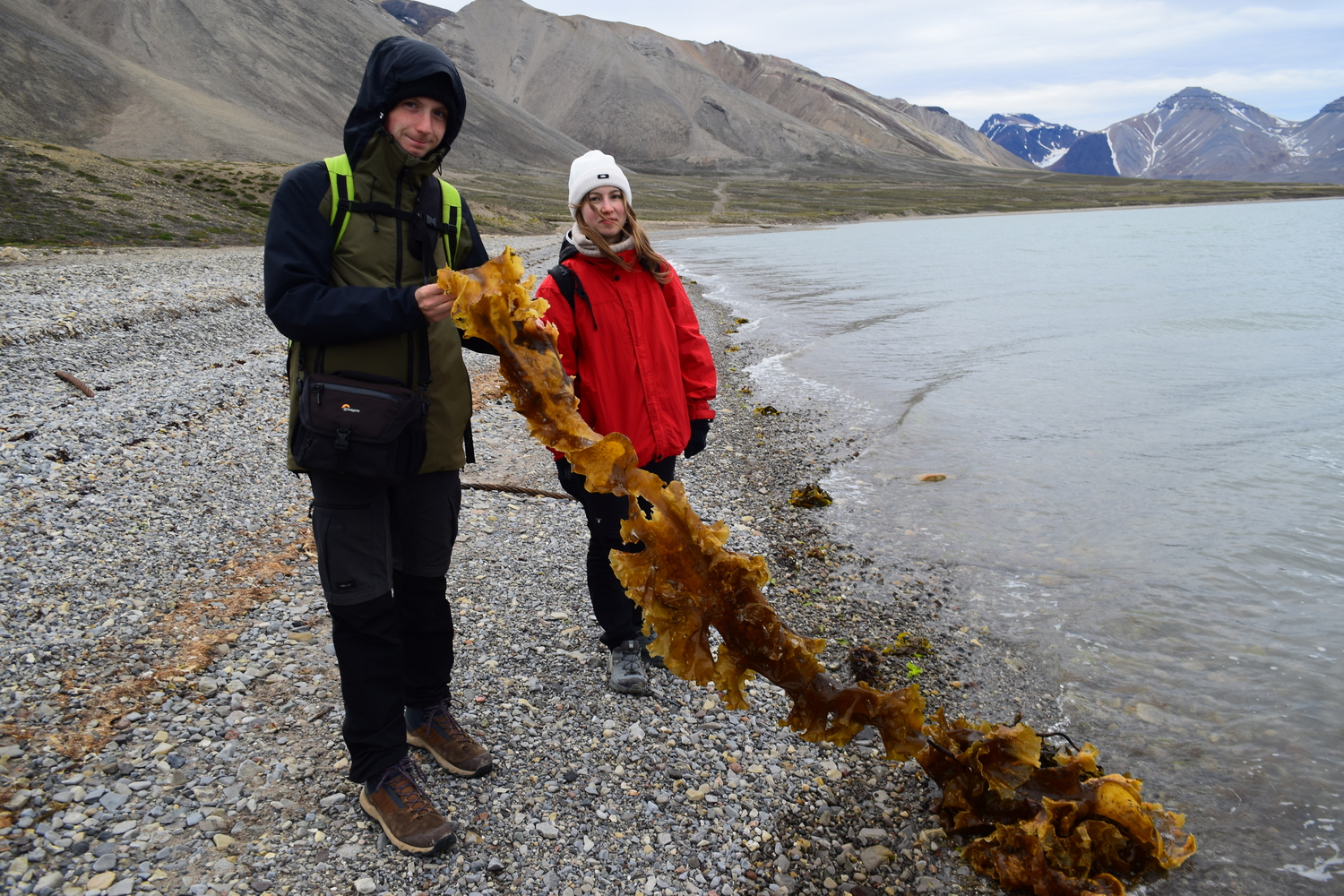
Scientific fieldwork occupied much of our time across three bird-influenced study sites. The botanical team surveyed vegetation and recorded phytosociological plots (Figs. 23–24). The soil team analysed soil profiles and collected samples for later laboratory processing (Figs. 25–26), enthusiastically discovering permafrost at the very first site (Fig. 27). The zoological team installed pitfall traps (Fig. 28) and collected bird droppings and soil samples for extracting micro- and mesofauna. Meanwhile, the geology team used drones (Fig. 29) to document marine terraces, moraines, permafrost, and newly deglaciated landscapes. The rapid retreat of Svalbard's glaciers became especially clear when we saw the last remnants of Ferdinandbreen. We searched for fossils among the moraines (Fig. 30), collected shed reindeer antlers along the trails, and occasionally found ourselves face to face with danger (Fig. 31). Fieldwork in this landscape demanded constant vigilance for polar bears, as well as caution, courage, and teamwork - whether navigating loose scree and steep slopes (Fig. 32) or crossing glacial streams (Fig. 33).
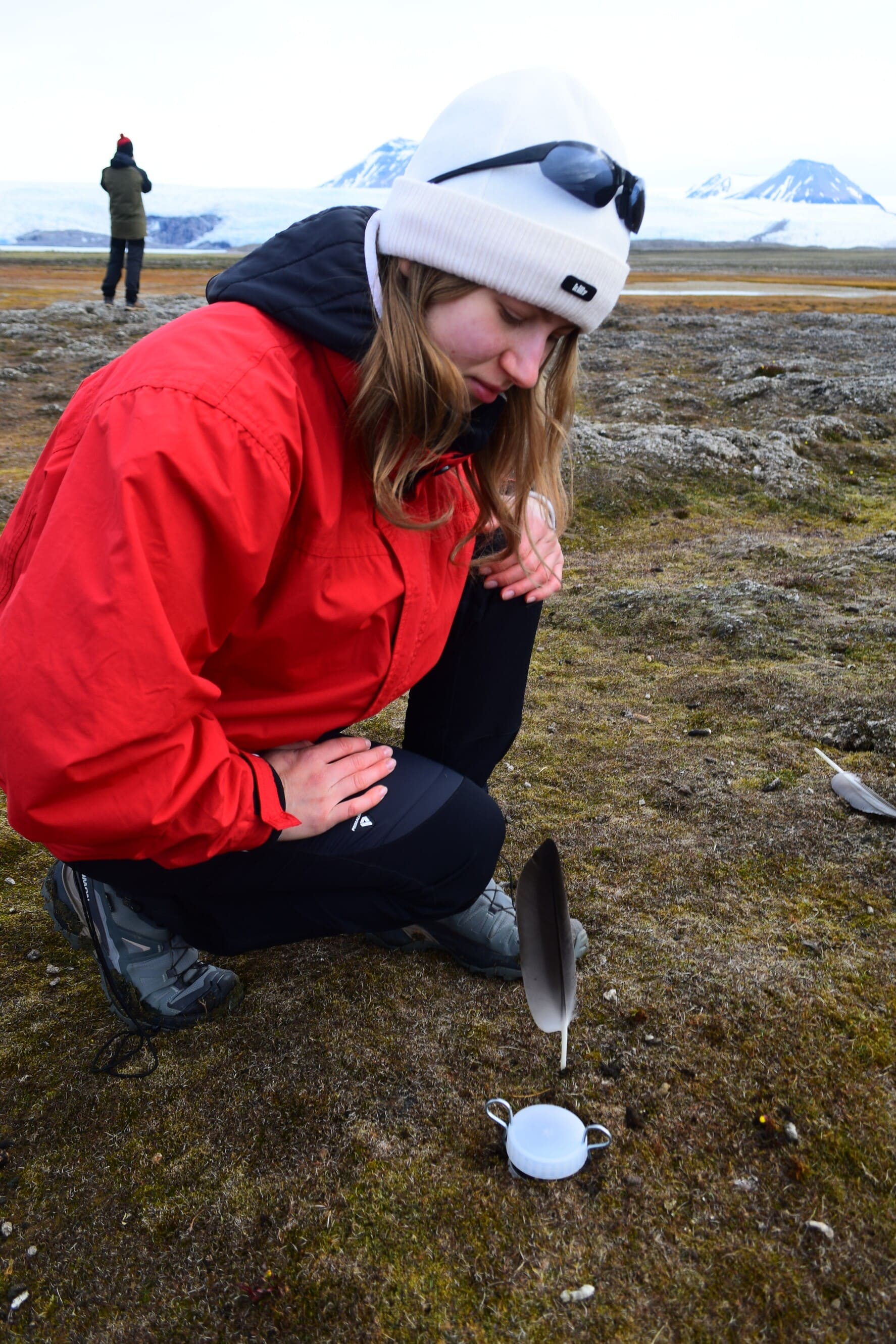
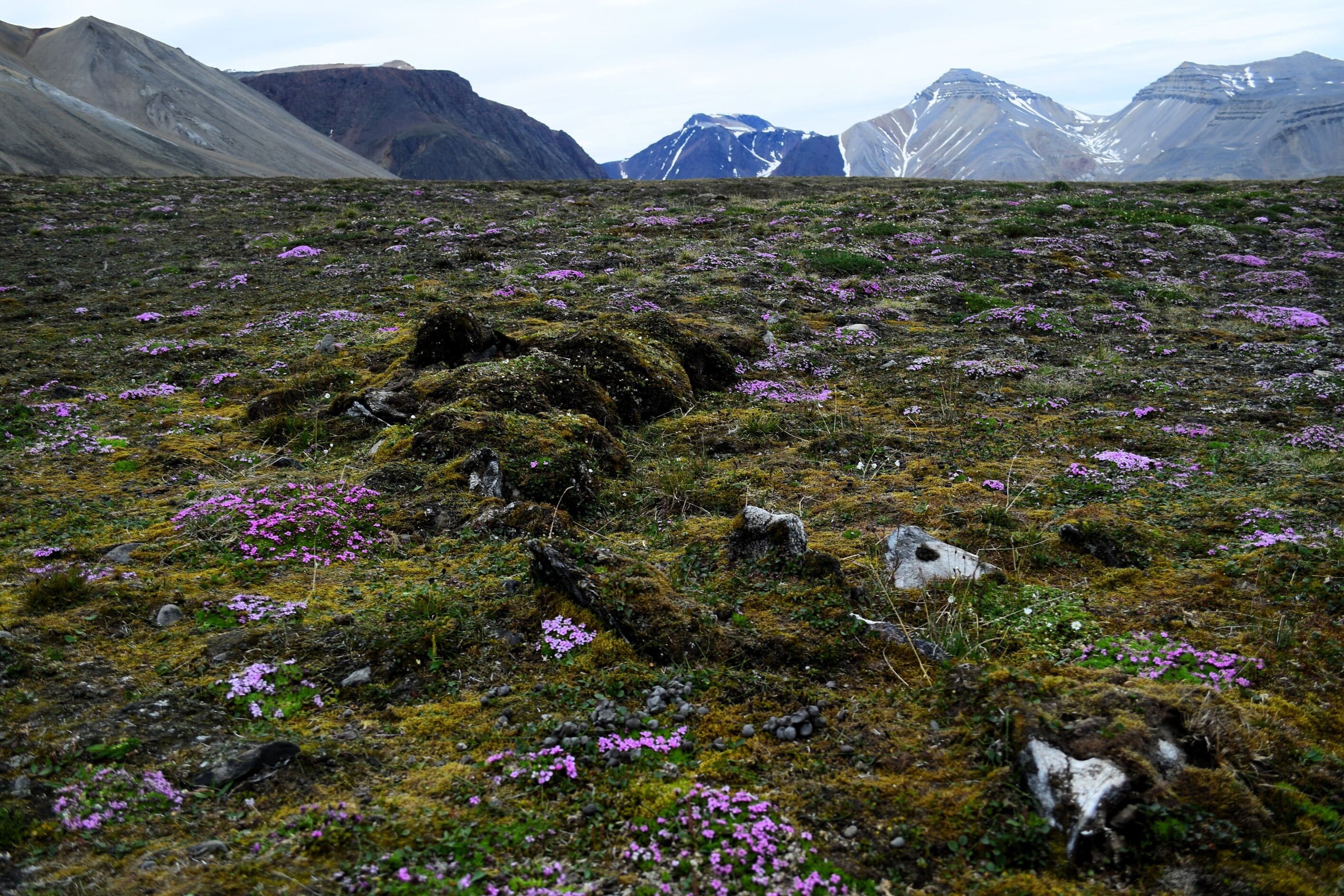
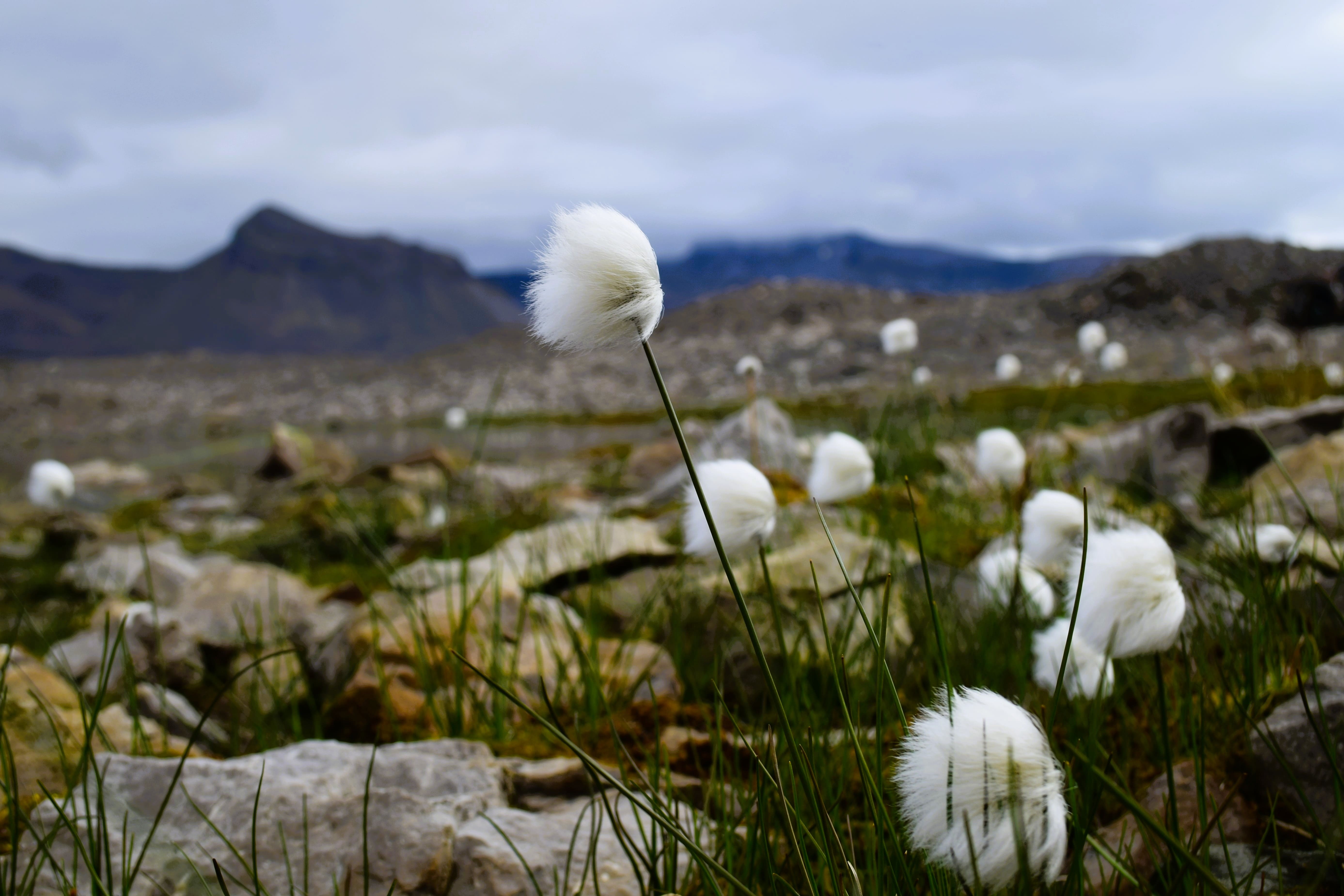
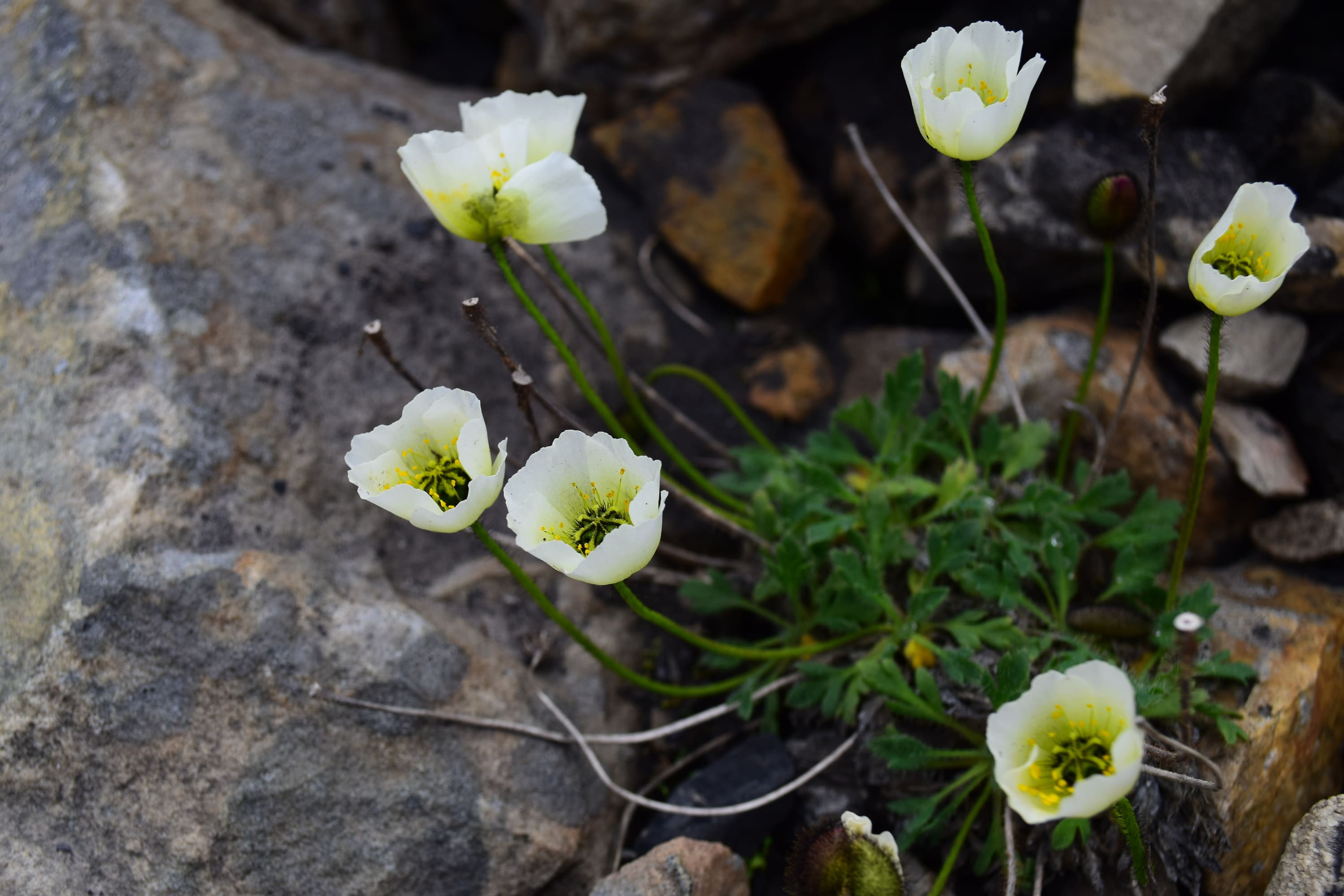
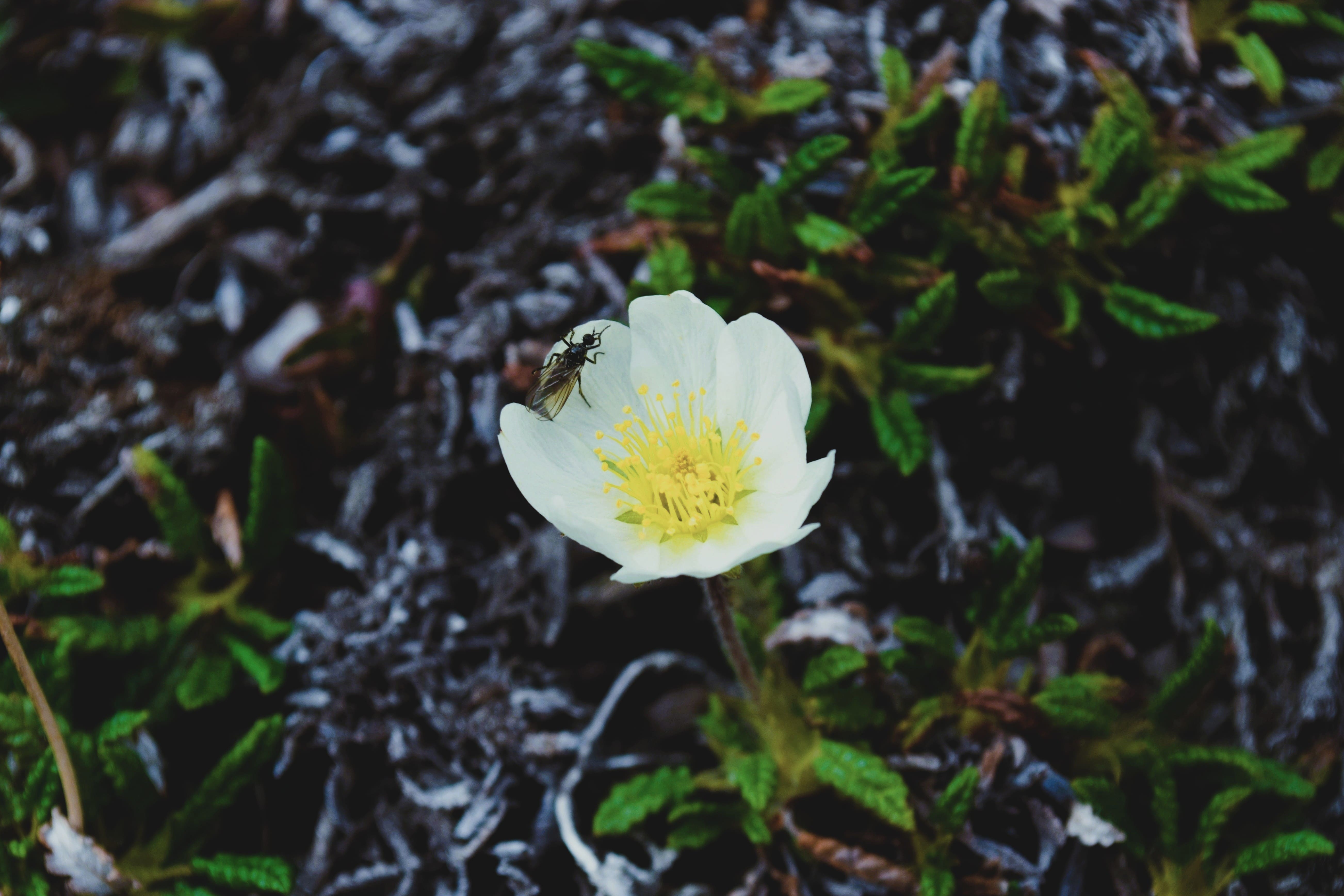
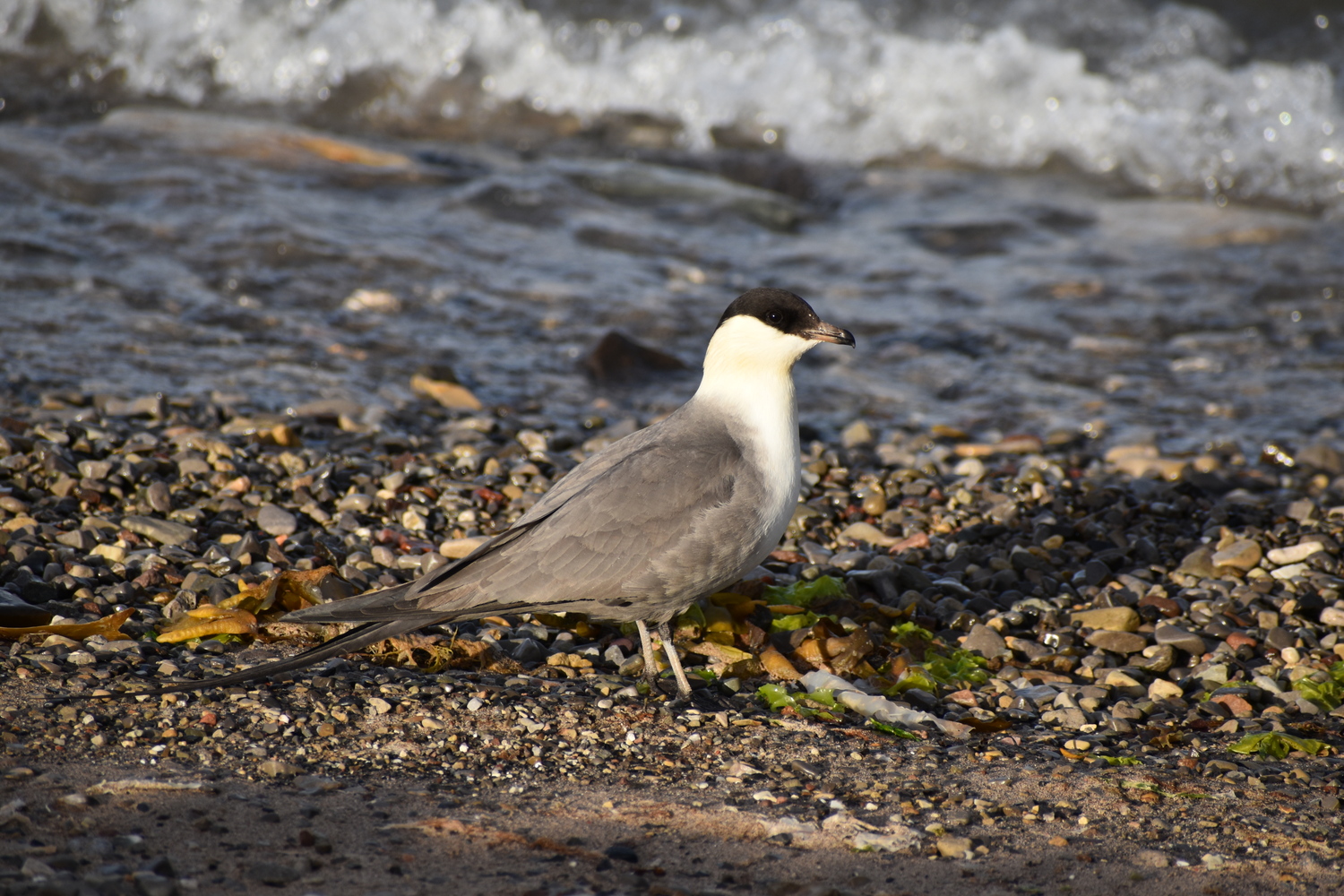
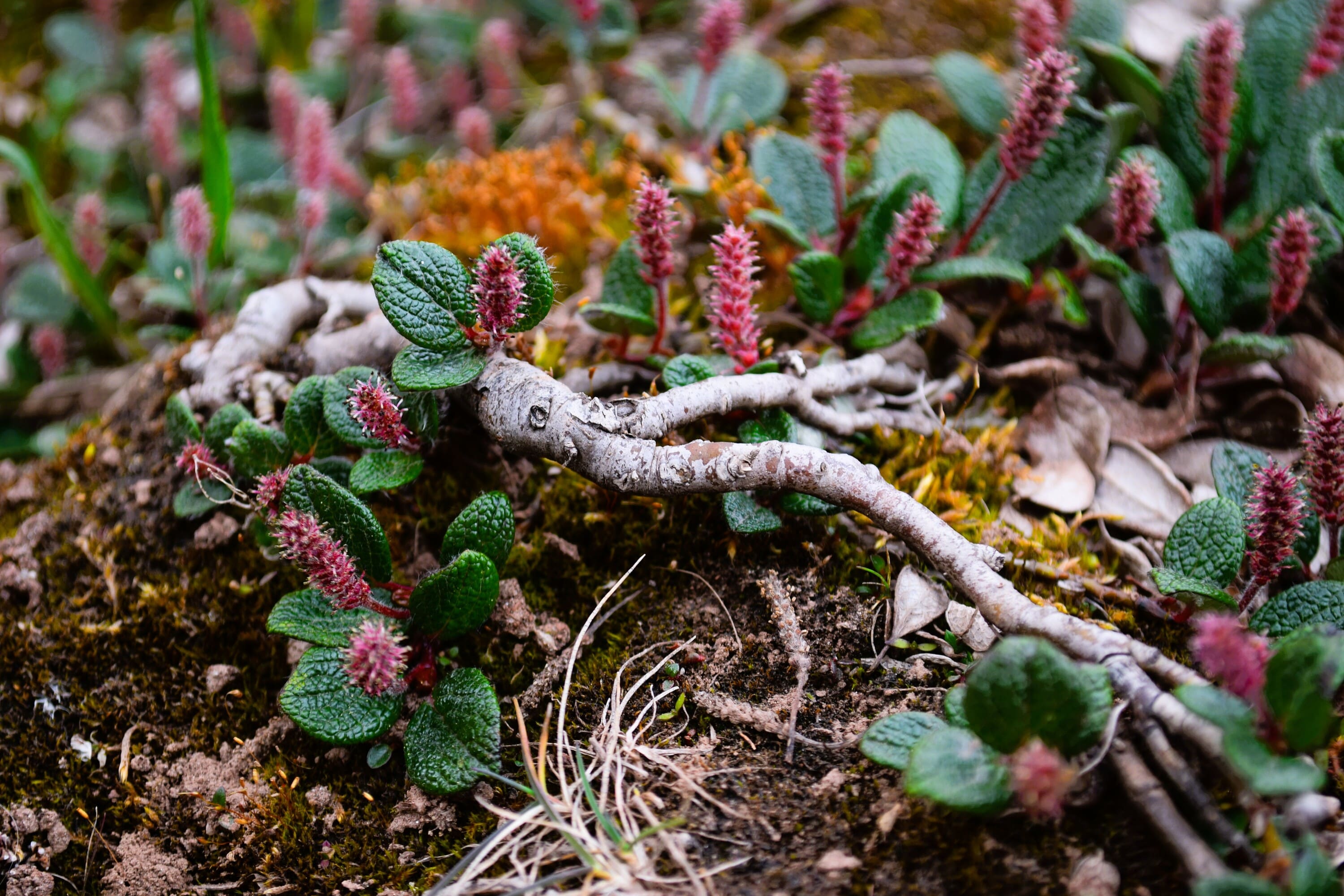
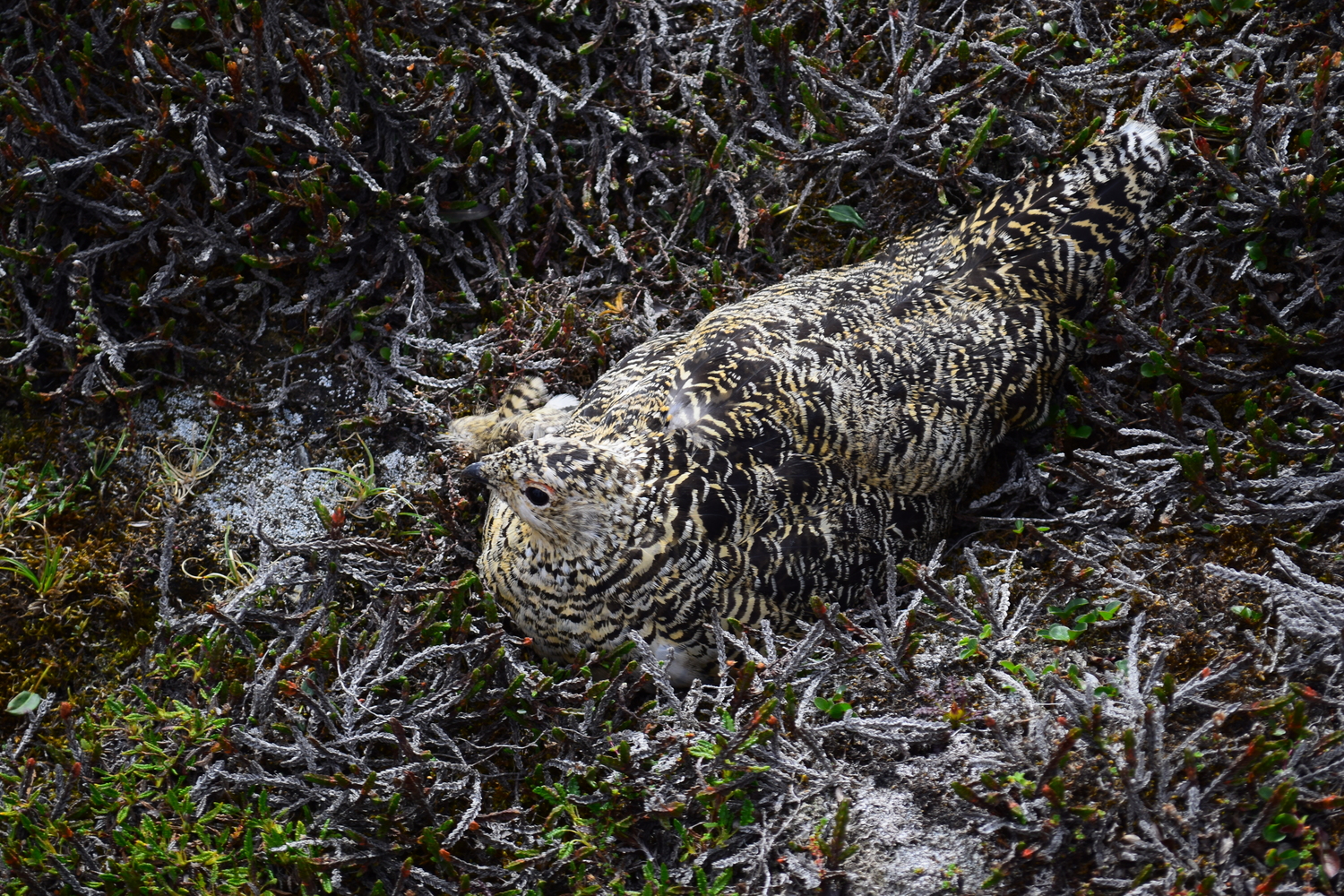
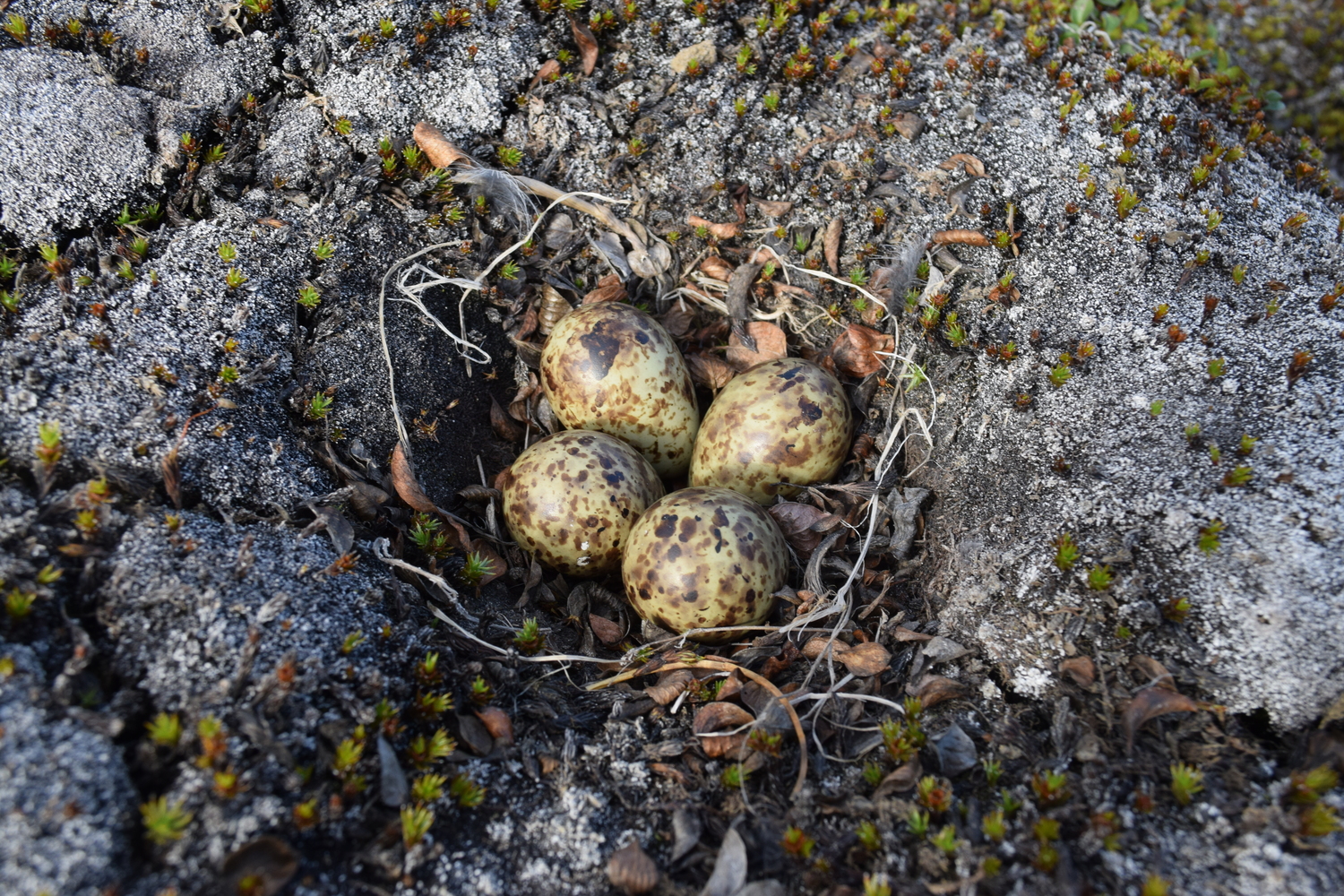
We also explored the remarkable adaptations that allow plants to thrive in Arctic conditions. Cushion-shaped growth reduces wind exposure and creates a warmer microclimate (Fig. 34), the silky fluff of Scheuchzer's cottongrass helps disperse seeds by wind (Fig. 35), the Svalbard poppy can colonise unstable scree (Fig. 36), and the bowl-shaped flowers of mountain avens create warmer conditions at the centre of each bloom (Fig. 37). We also learned that not all skuas are alike (Figs. 38–39), that Svalbard's "trees" are hardly suitable for firewood (Fig. 40), and just how easy it is to overlook a ptarmigan (Fig. 41) or a bird's nest with eggs (Fig. 42) in the tundra.
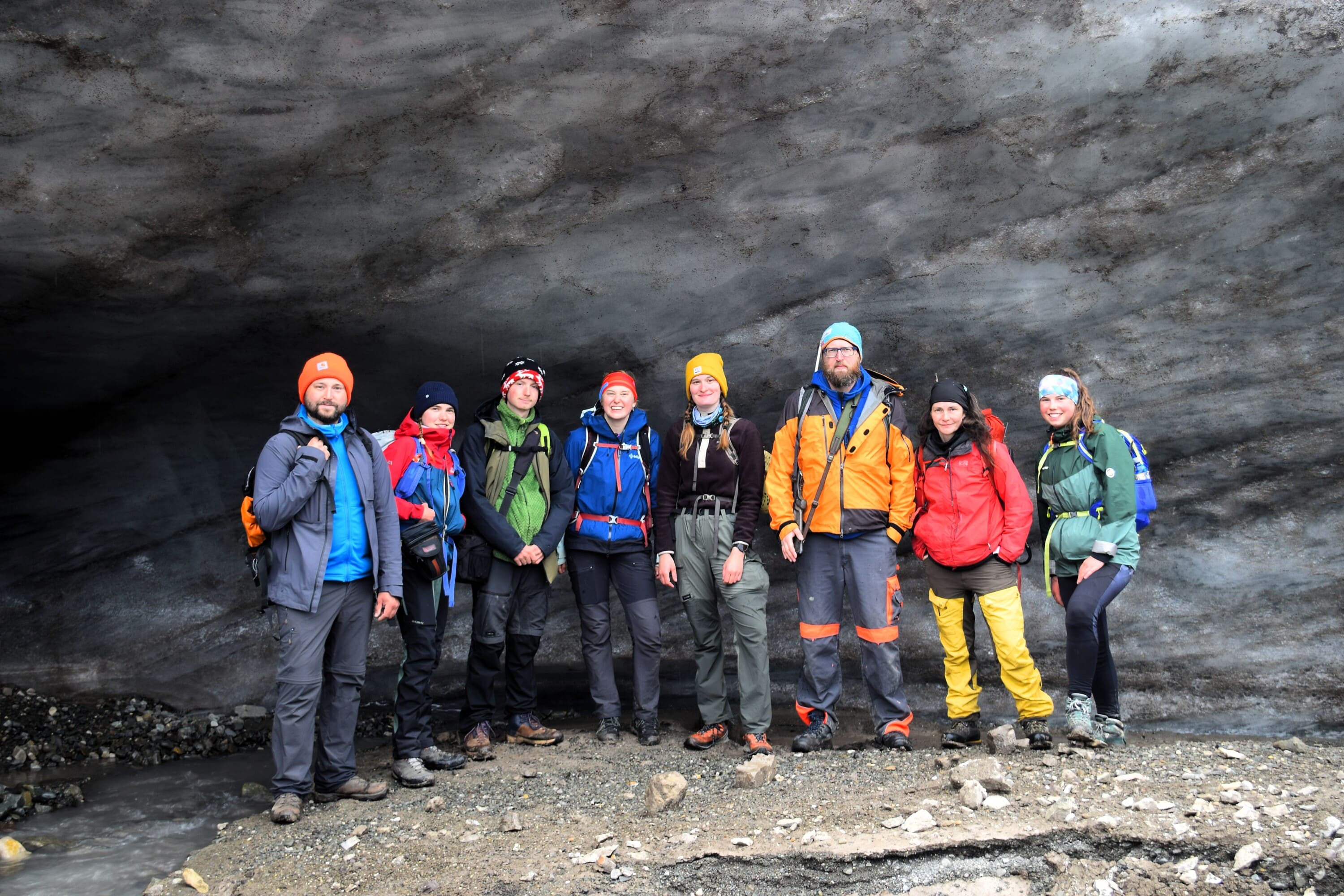
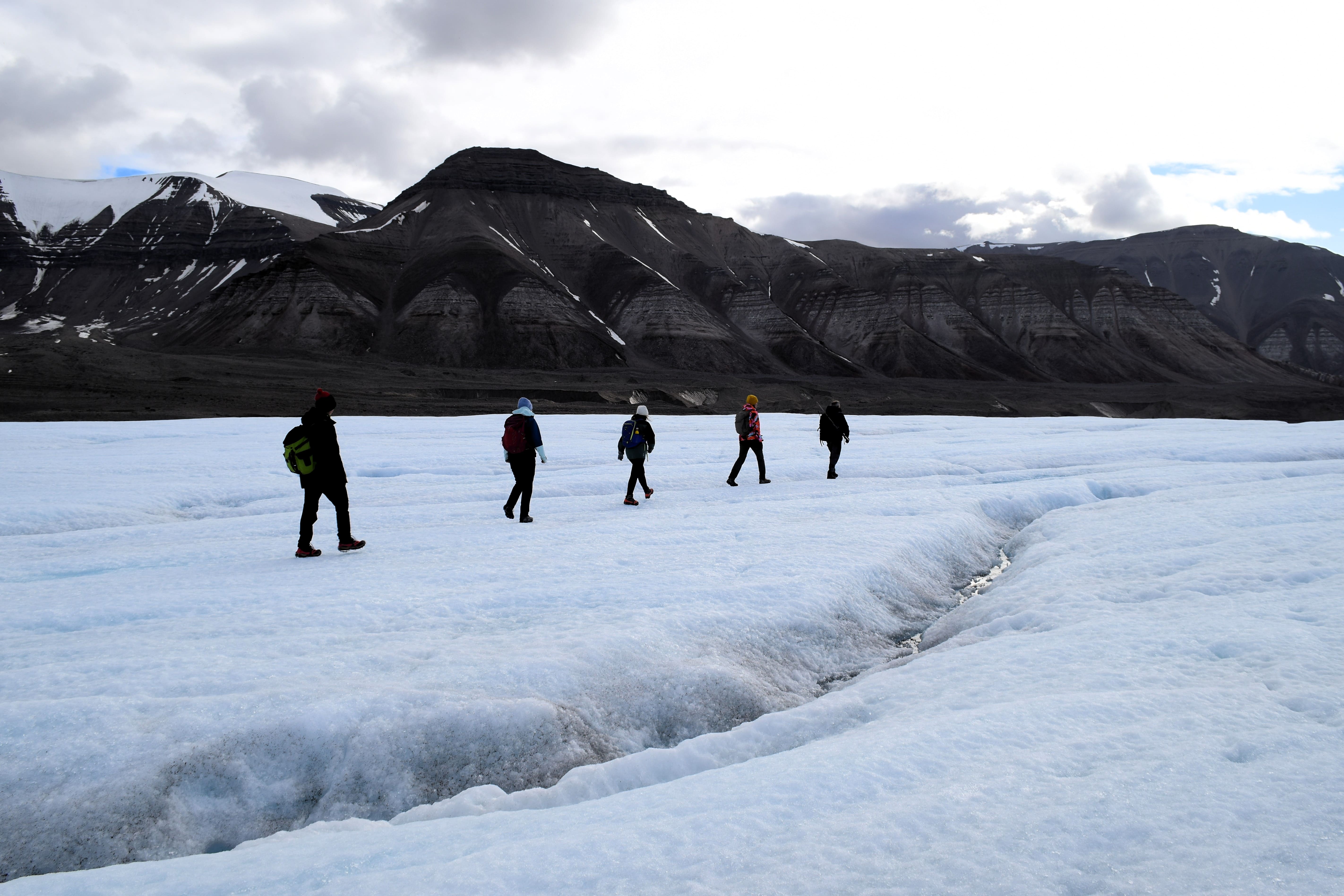
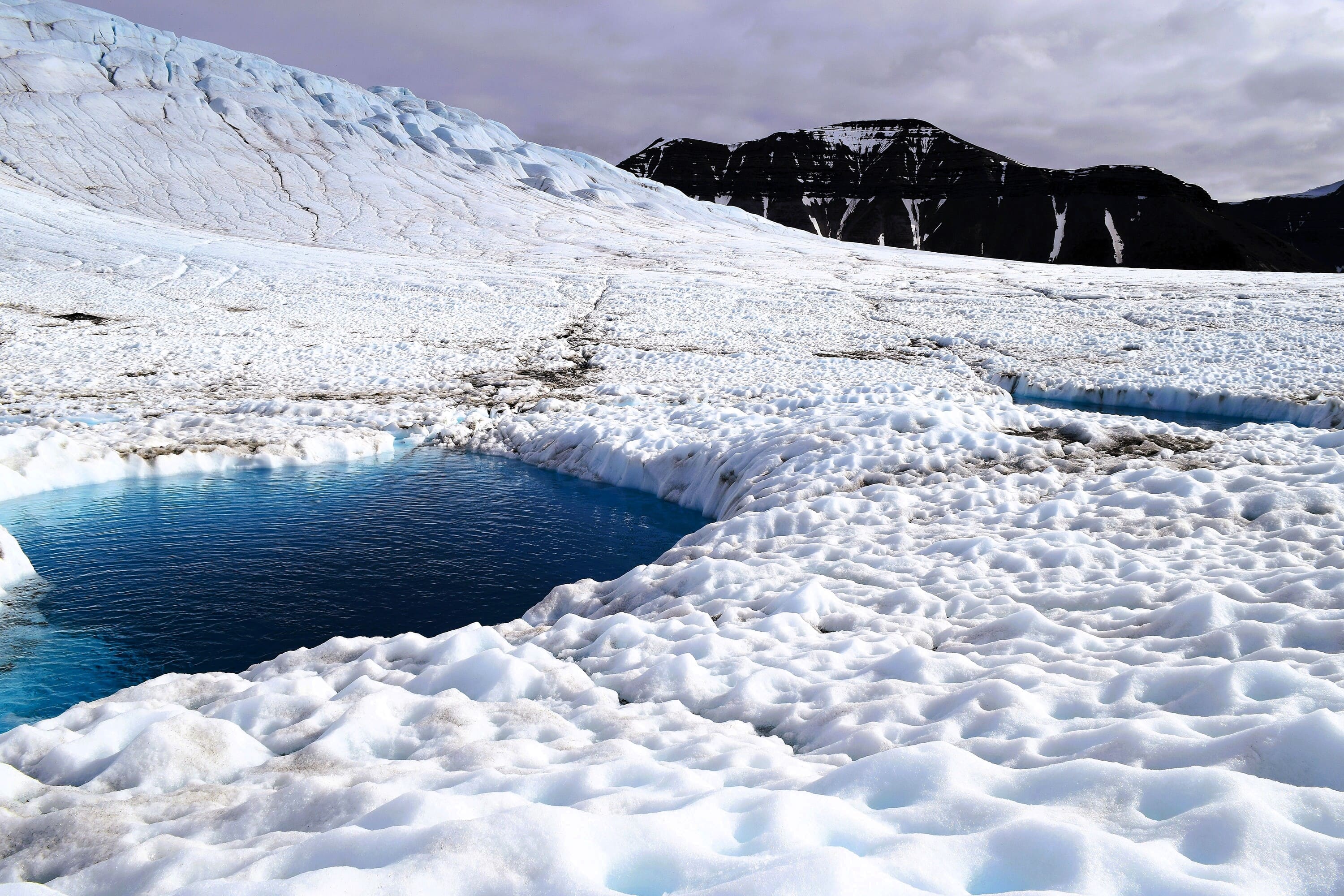
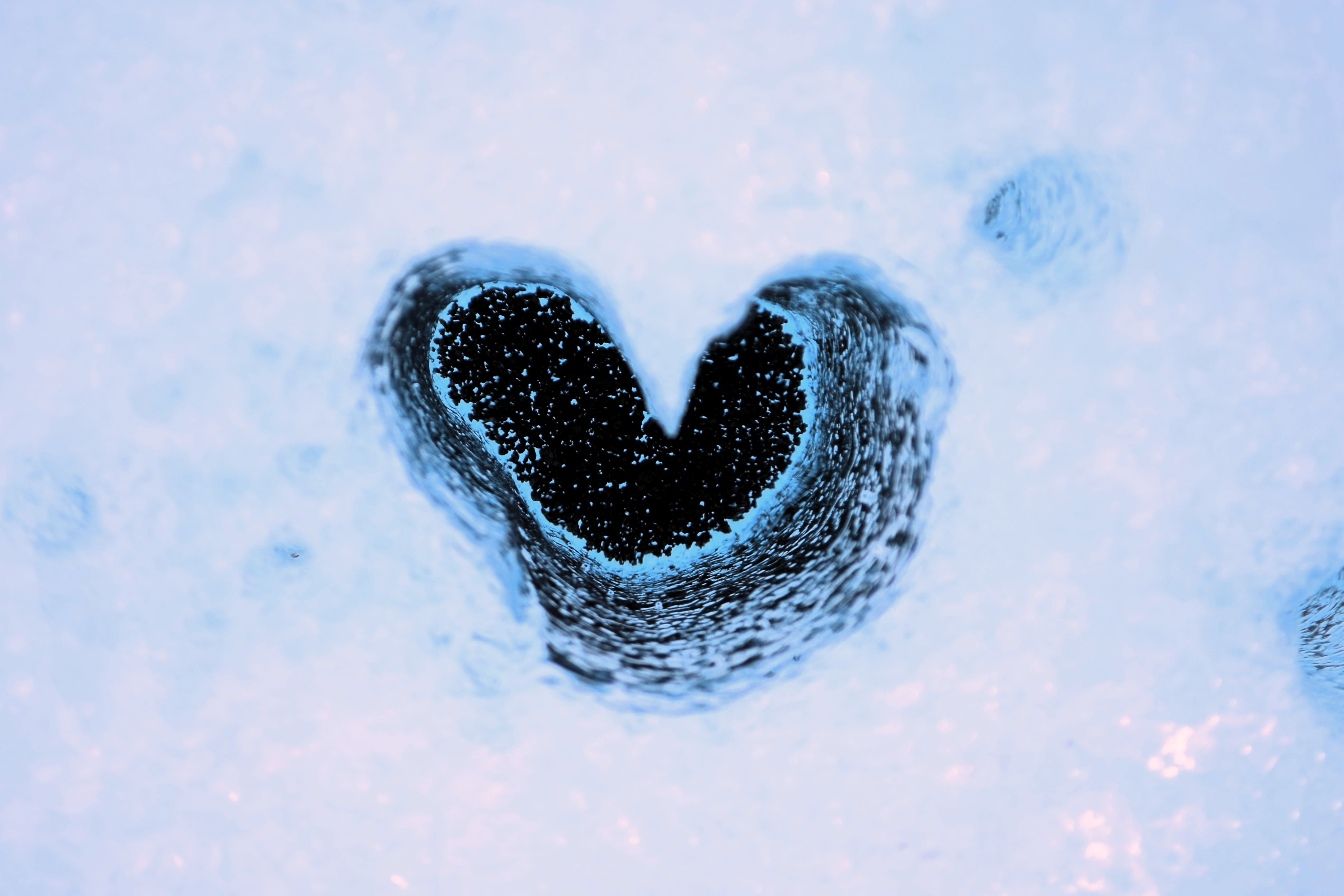
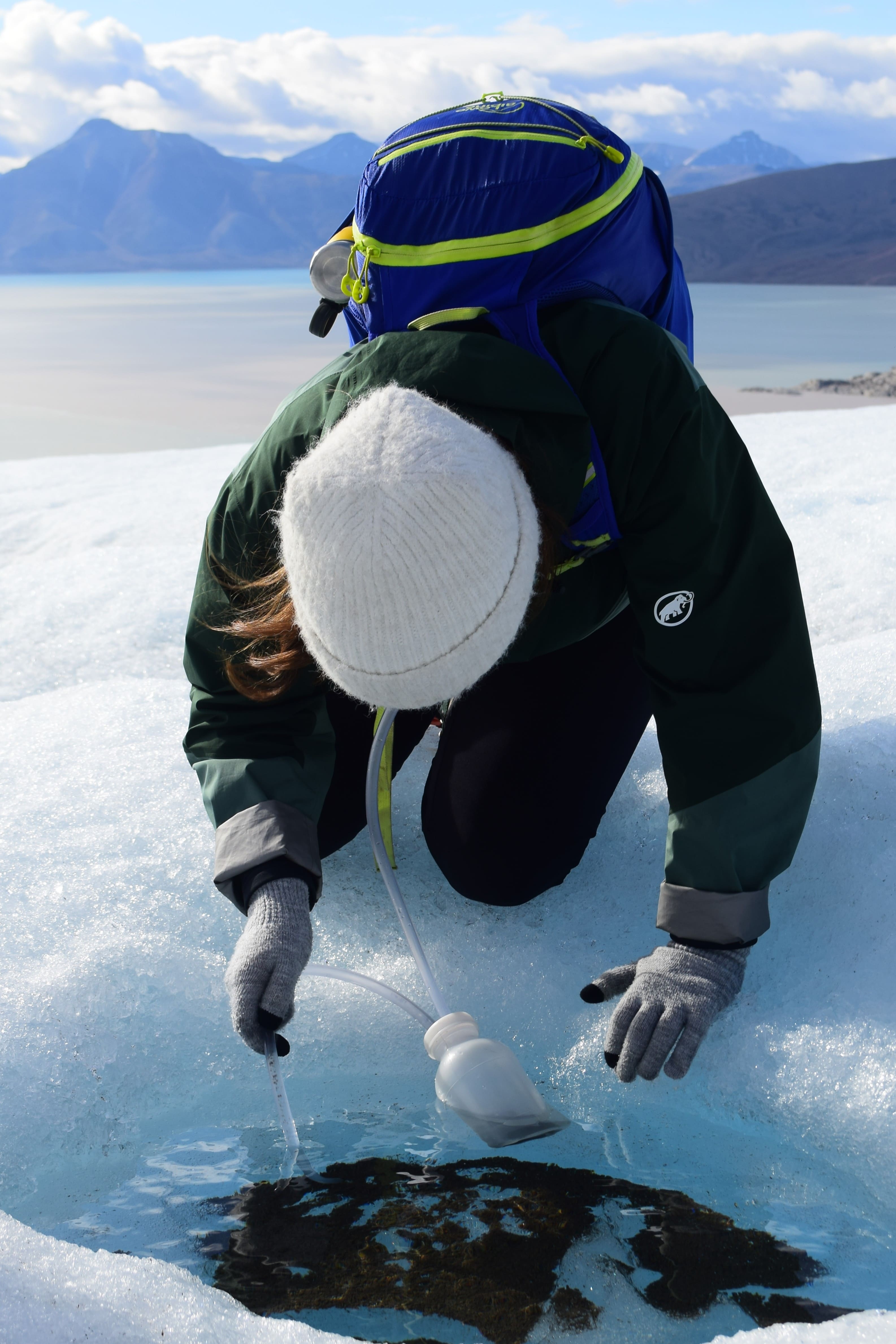
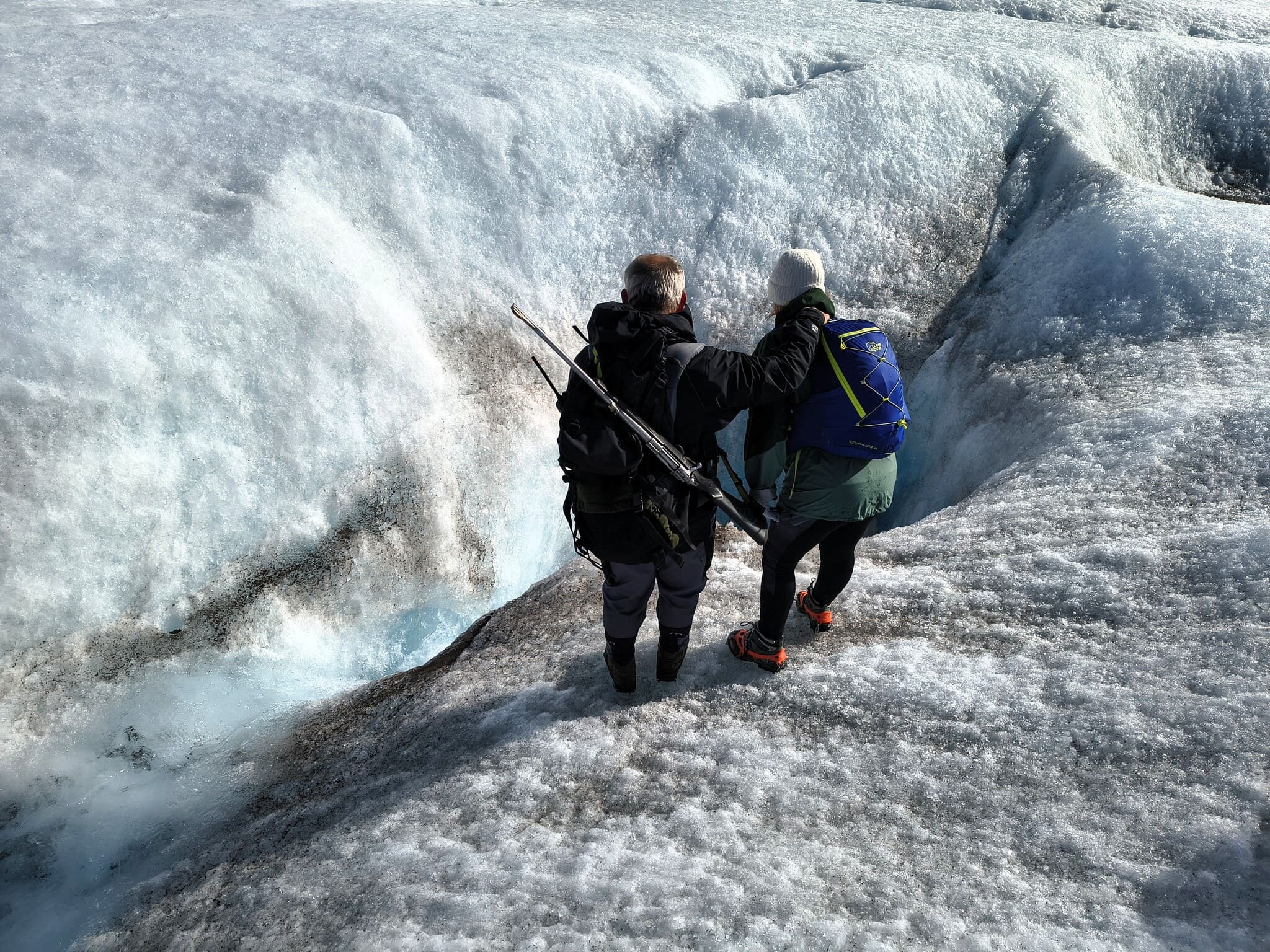
Part of our group ventured to Hørbyebreen Glacier, explored an ice cave (Fig. 43), and took their first steps on glacier ice. One of the highlights of the expedition was our visit to Nordenskiöldbreen Glacier (Figs. 44–45), where we observed cryoconite holes of every imaginable shape (Fig. 46), collected samples from them (Fig. 47), and peered respectfully into a glacial moulin (Fig. 48).
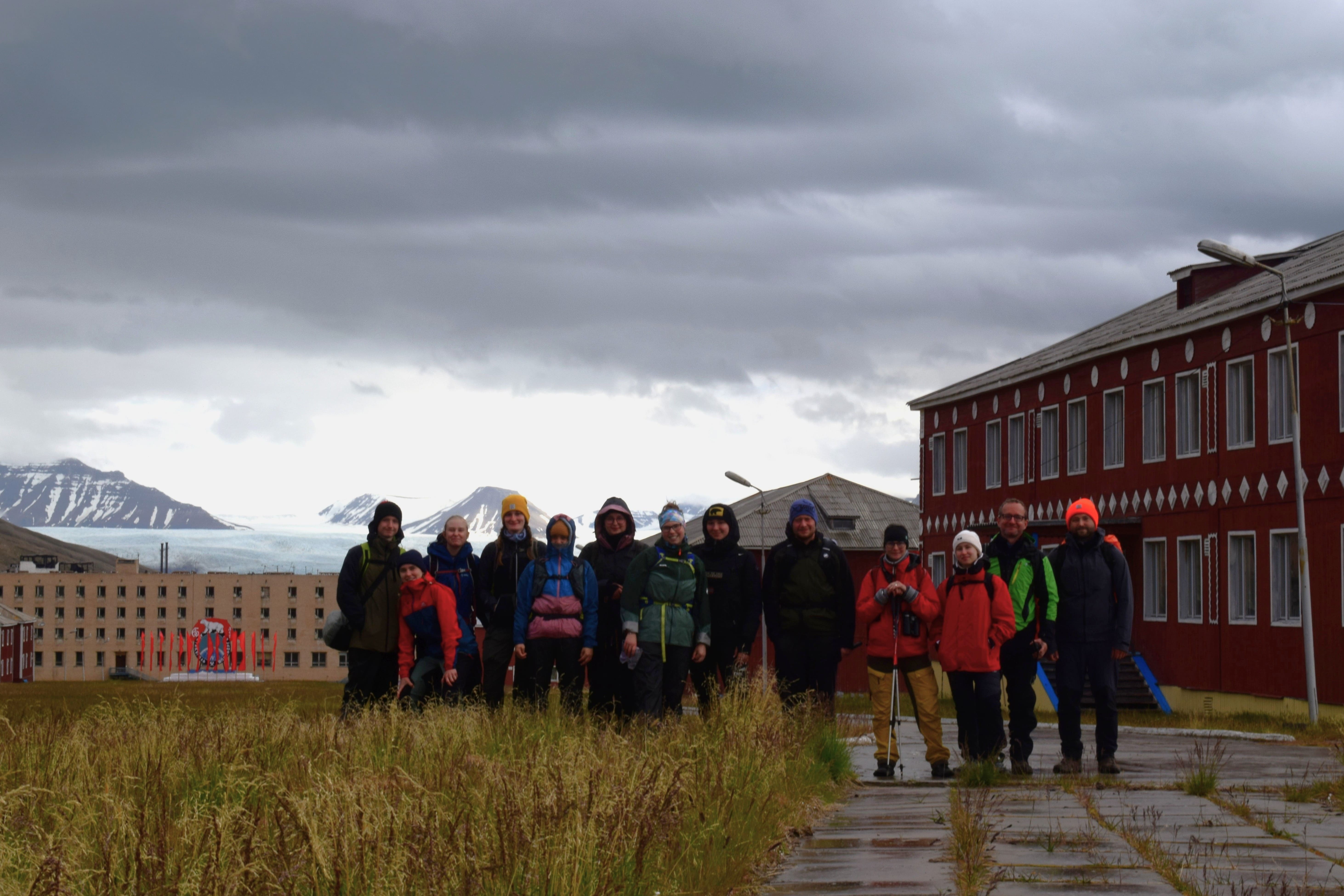
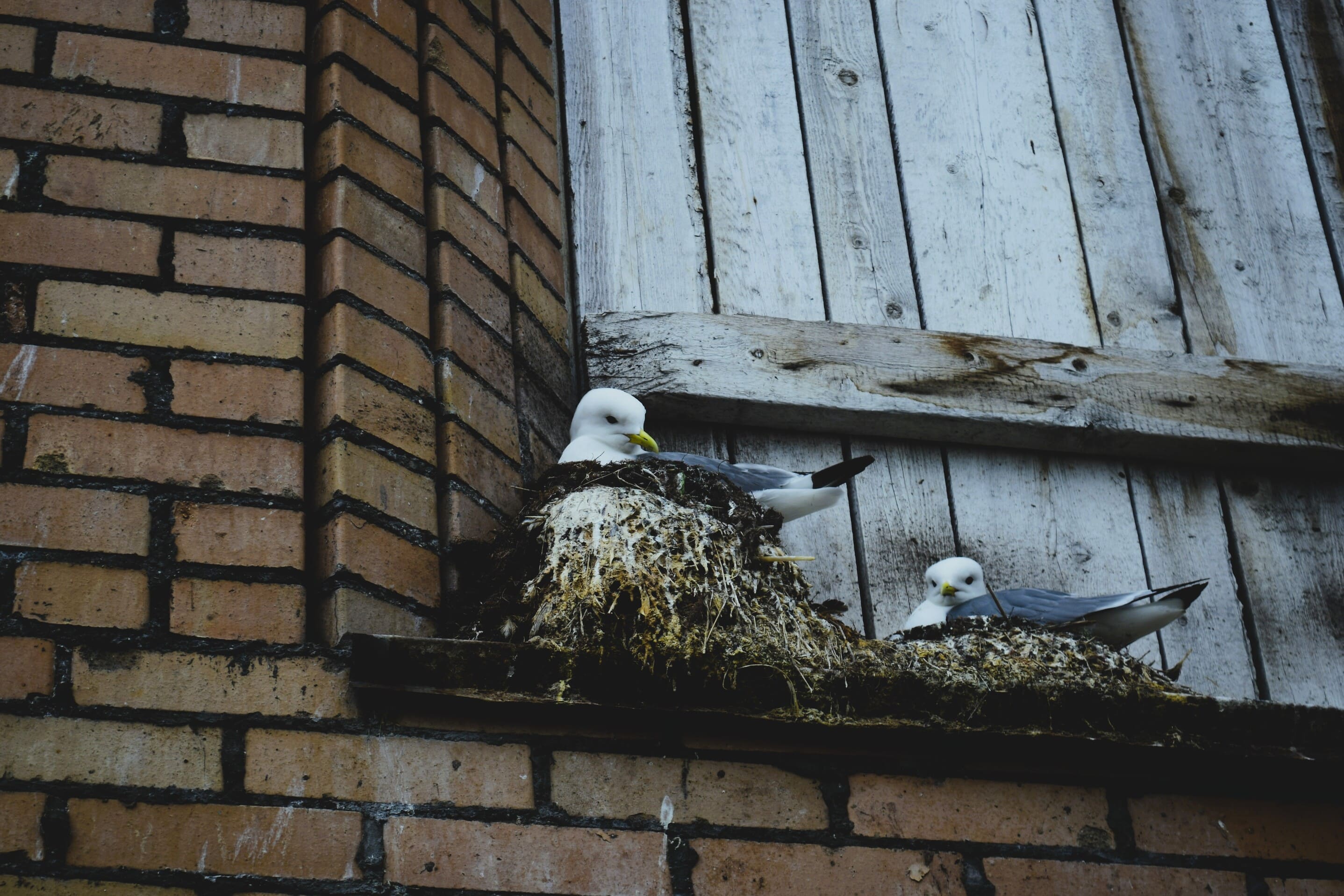
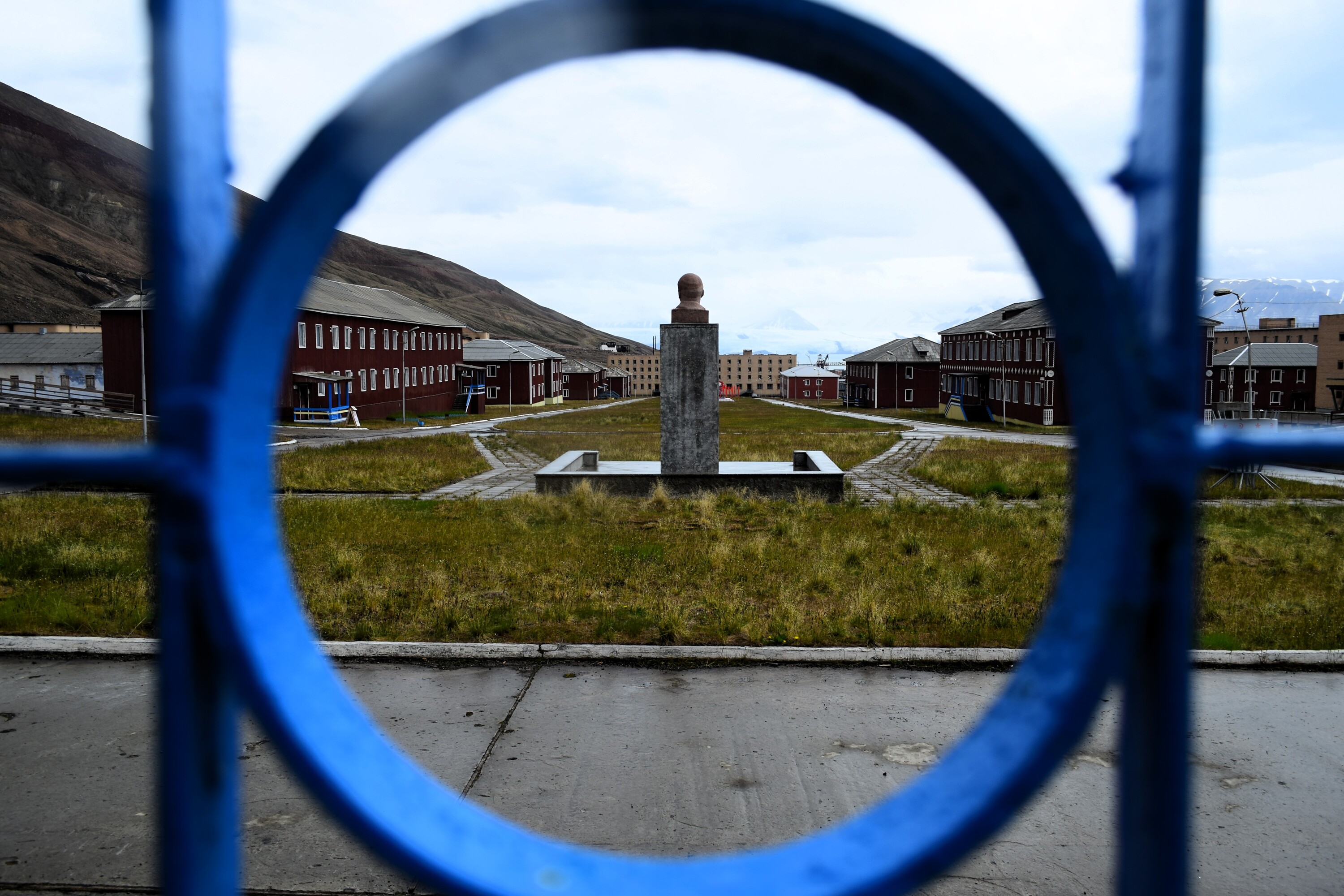
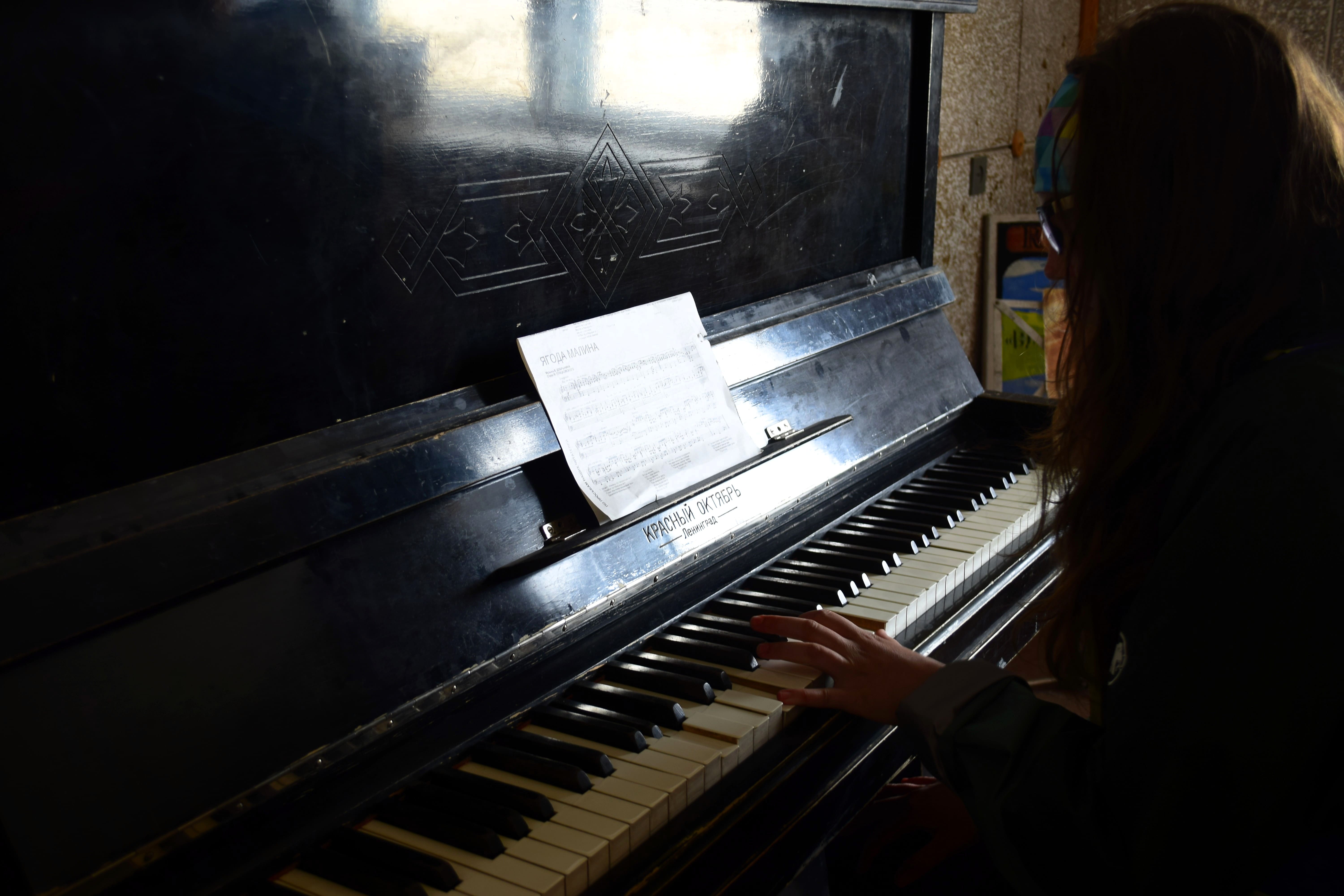
We also visited the abandoned Soviet mining town of Pyramiden (Fig. 49), whose empty buildings have been reclaimed by black-legged kittiwakes (Fig. 50). Lenin's statue watched over us from the square (Fig. 51), we played the world's northernmost piano in the mysterious cultural centre (Fig. 52), and even found time for basketball and badminton in the old sports hall.
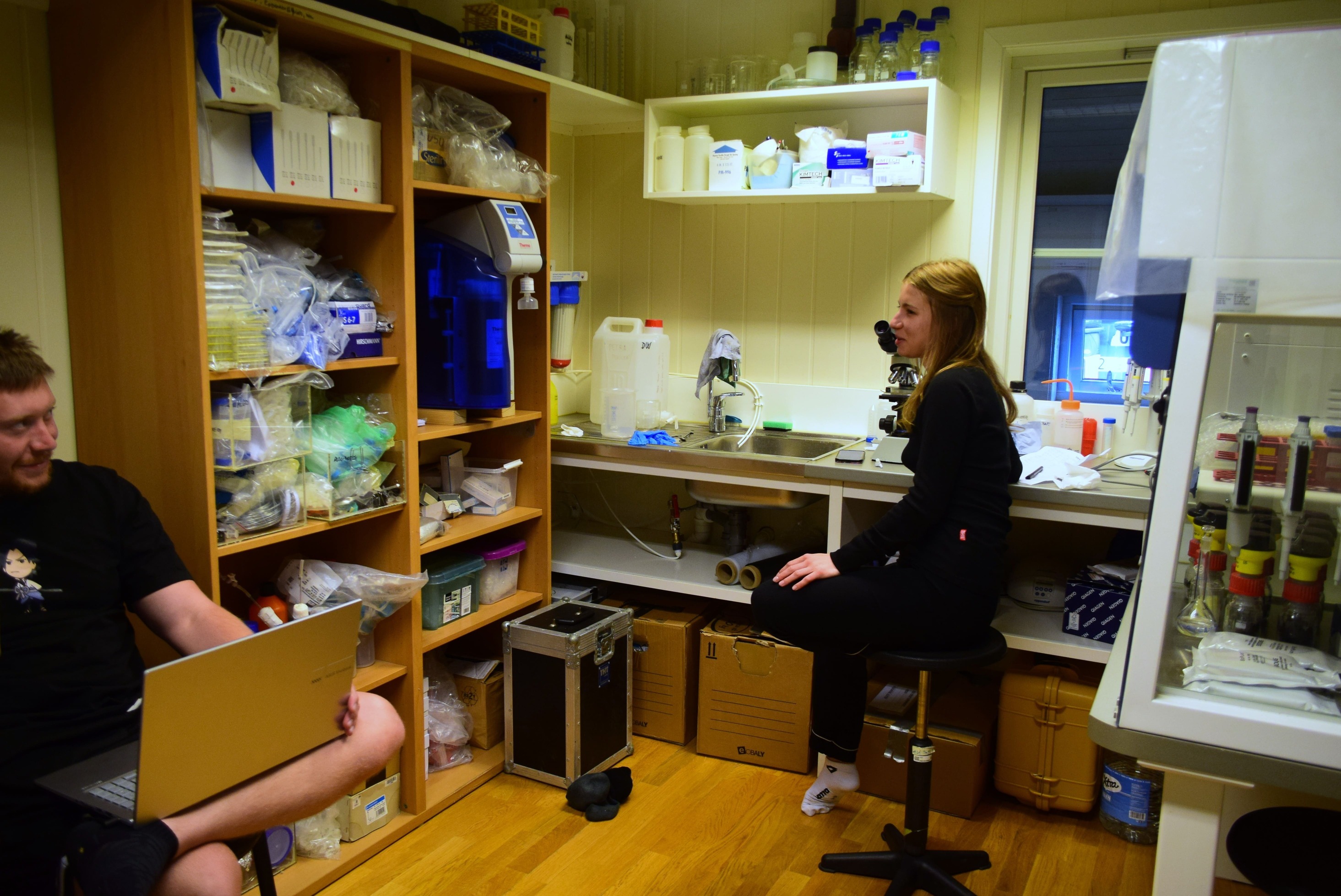
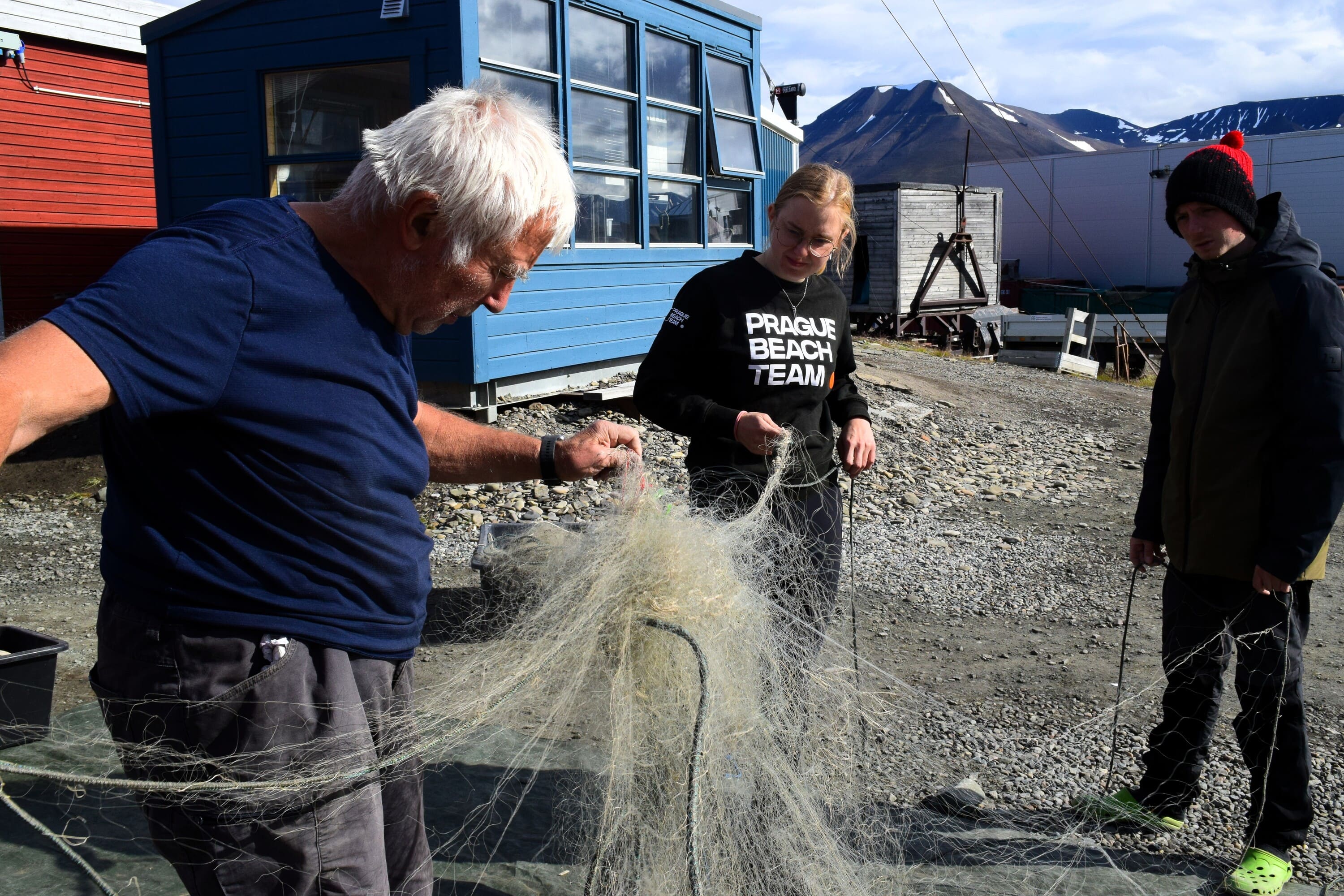
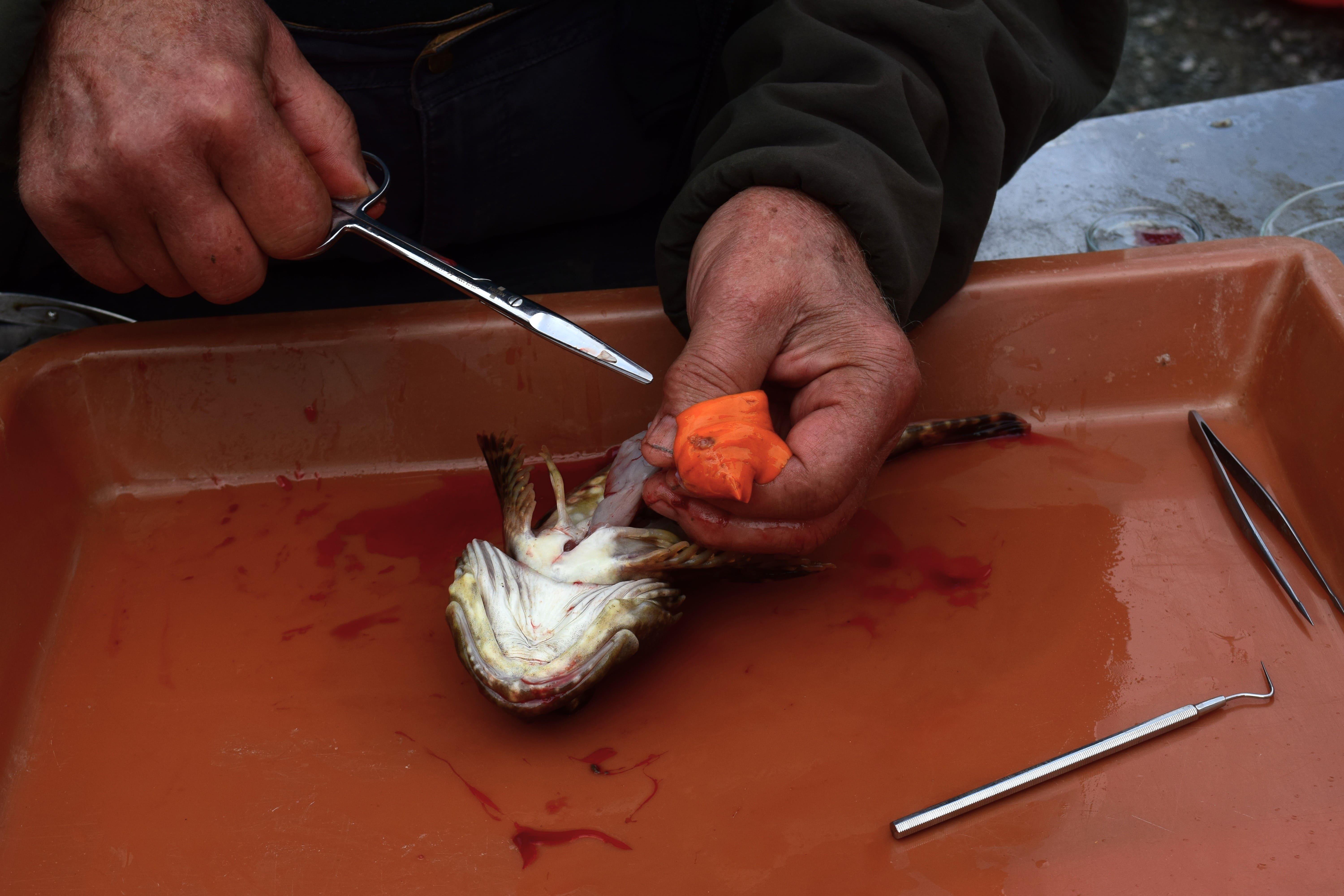
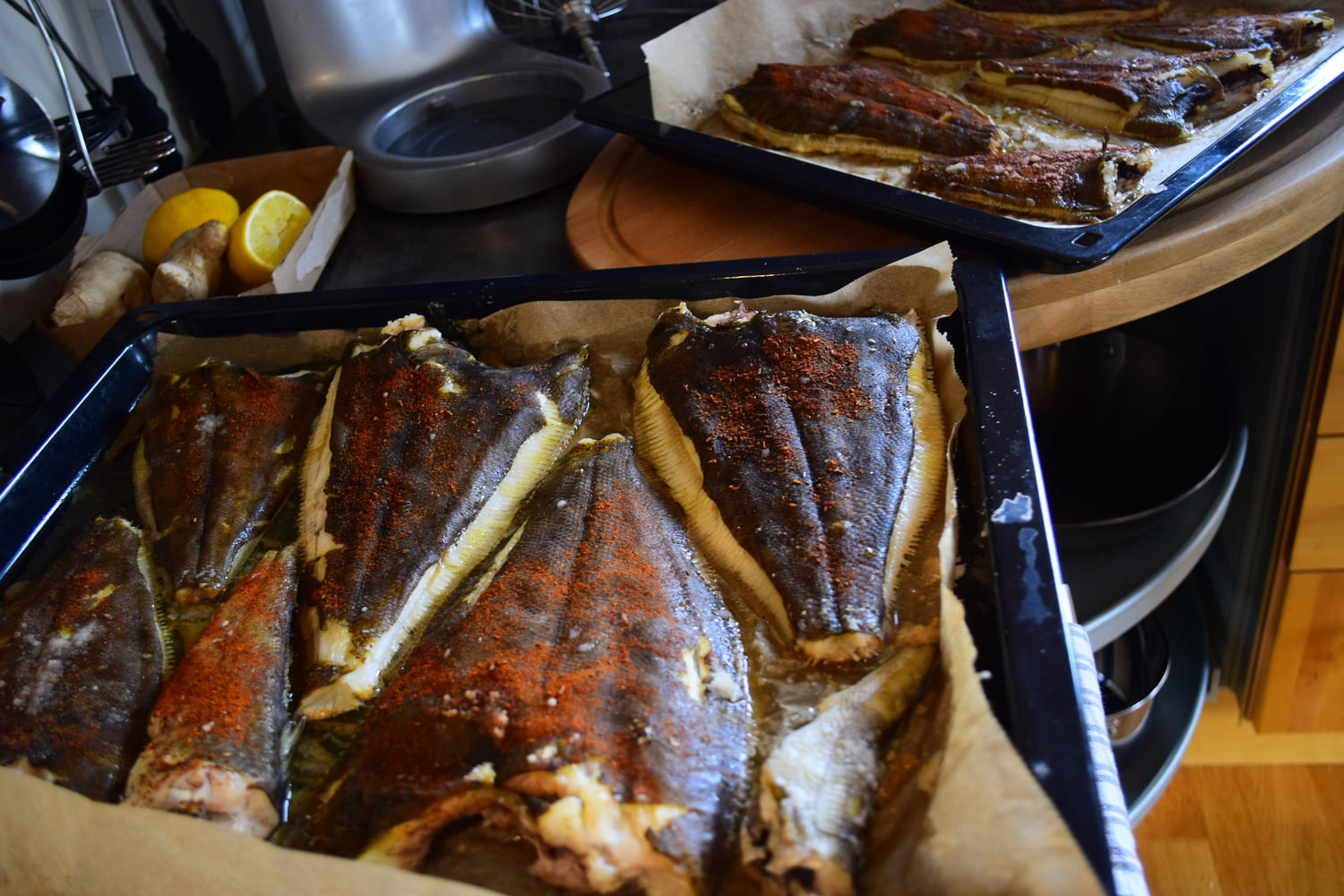
Back in Longyearbyen, our final week was devoted to laboratory work (Fig. 53) and parasitology under the guidance of Oleg Ditrich, one of the founders of the Czech Arctic Research Station. We experienced every stage of marine sampling - from preparing nets and traps to deploying, retrieving, and cleaning them (Fig. 54). Our reward came while watching the sea, when a magnificent walrus appeared, joining our growing list of marine mammal encounters alongside beluga whales and a seal. Those interested could dissect cod, flounder, and sculpin (Fig. 55), examine their parasites up close, and even taste part of the catch afterwards (Fig. 56).
After a final circle, songs, and heartfelt goodbyes, we returned home carrying new knowledge, valuable experience, and unforgettable memories. Now comes the next stage: analysing our field data, completing laboratory analyses, and presenting our findings at a mini-conference open to everyone interested.
Our sincere thanks go to our instructors for their expert guidance, the logistics team for making everything possible, and every participant for their enthusiasm and the incredible atmosphere they created. We were an exceptional group, and thanks to that, this expedition became not only a valuable academic experience but also an adventure we will remember for years to come.
- Anna Cibulková
Foto: Anna Cibulková, Jiří Borák, Jiří Bárta


