
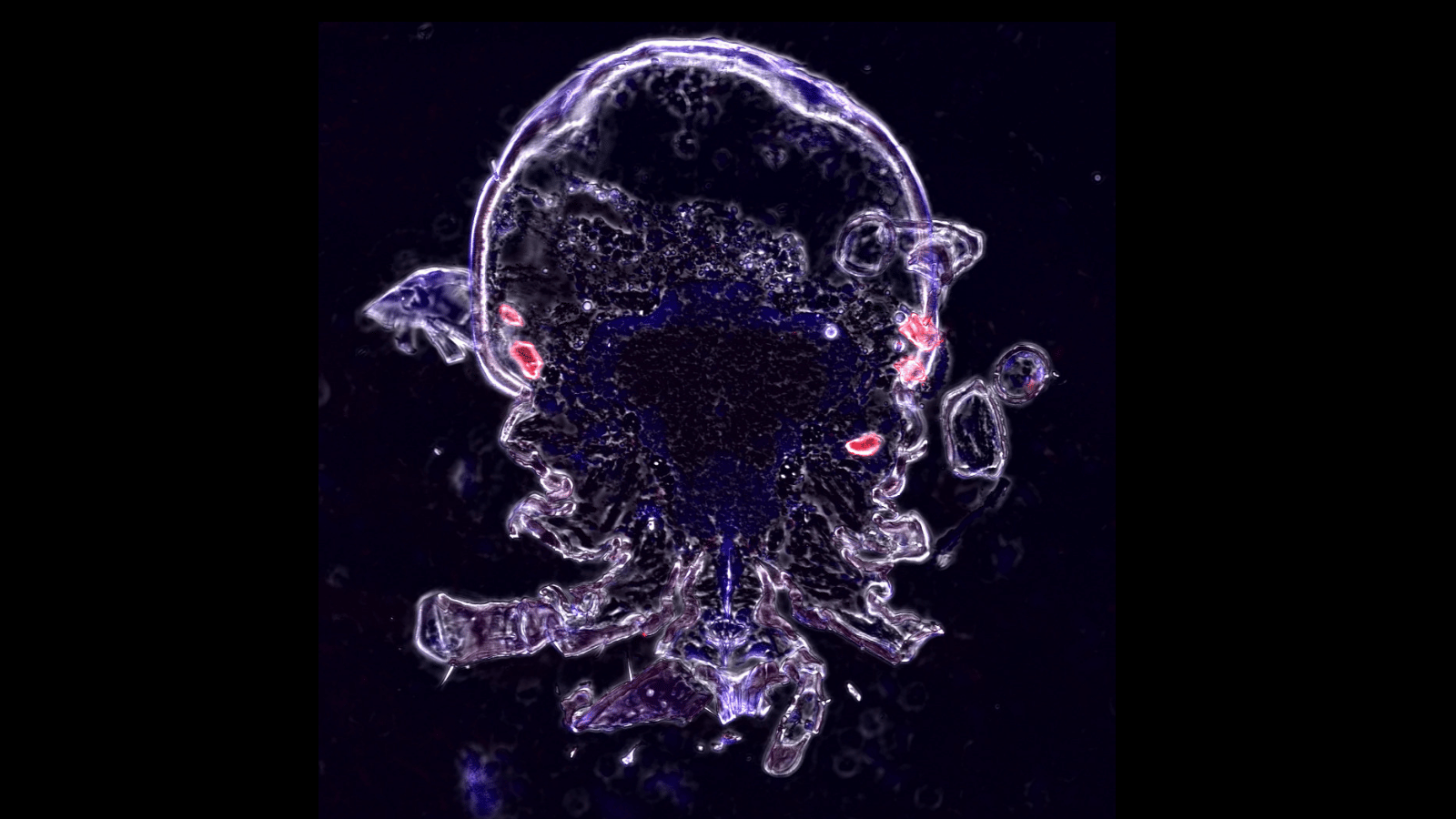
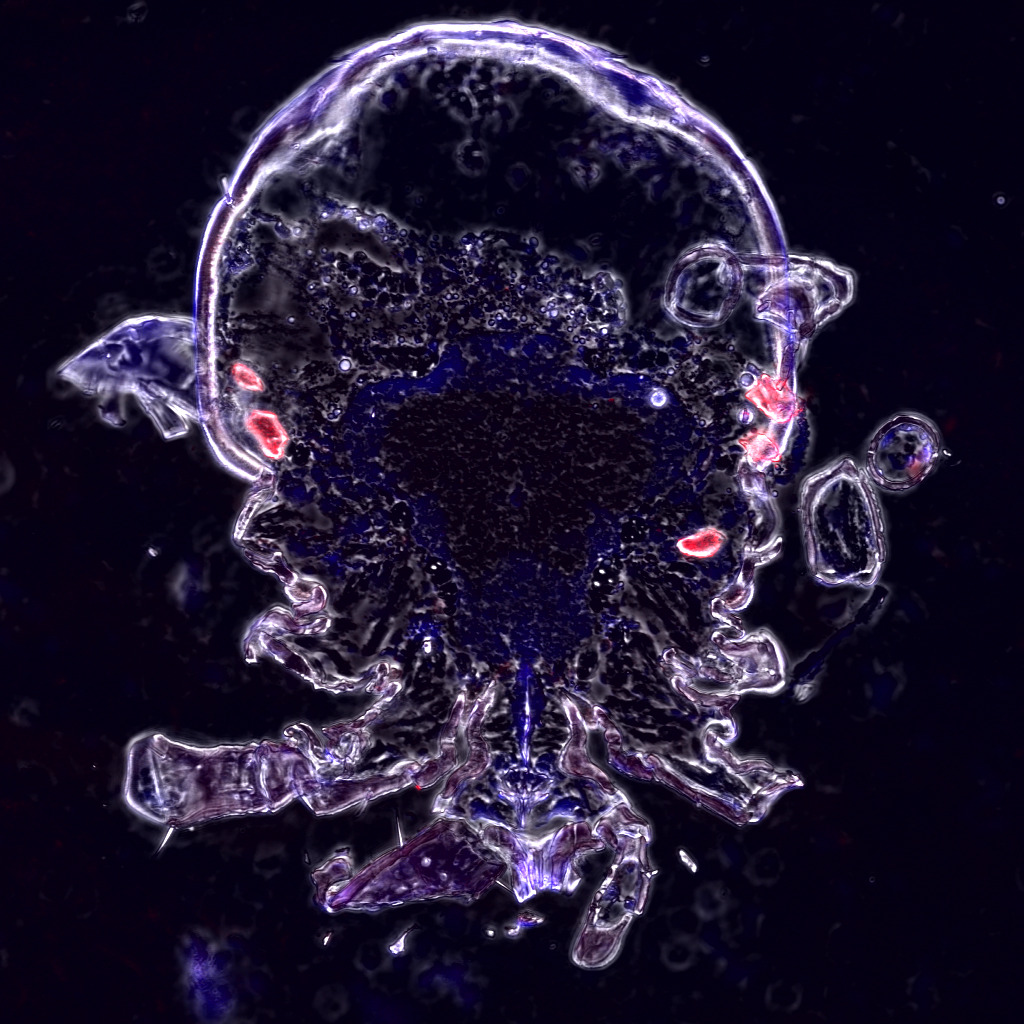
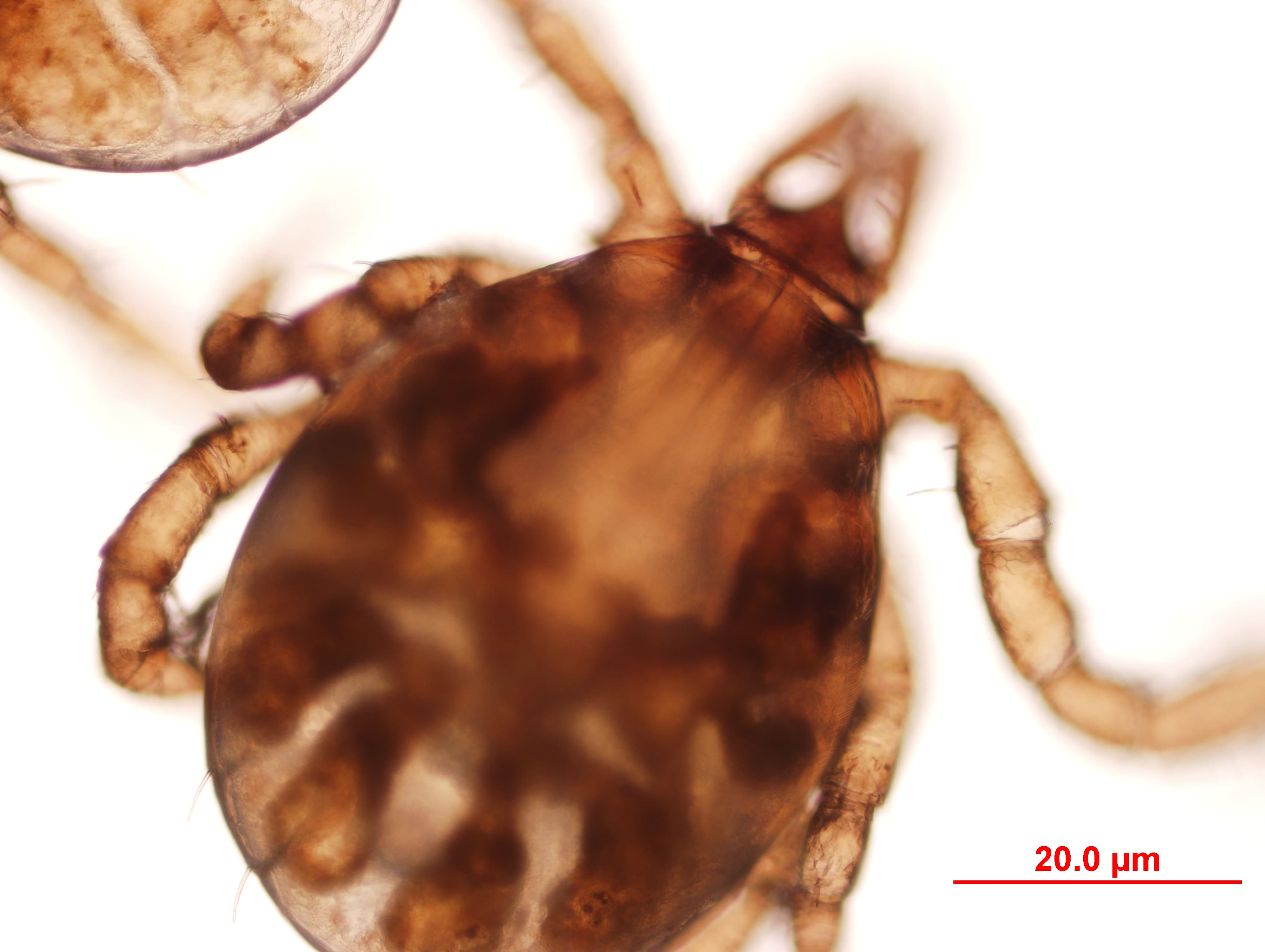
A scientific team from the Department of Chemistry at the Faculty of Science, University of South Bohemia, has made a surprising discovery in tick biology. A new study shows that the common tick (Ixodes ricinus) can produce sialic acid on its own—a molecule previously associated mainly with vertebrate cells, including those of humans. This finding significantly changes our current understanding of the biochemistry of these important vectors of infectious diseases.
Sialic acid plays a key role, for example, in the immune system and in cellular development. In invertebrates, however, it occurs only rarely, and its presence in ticks had not been clearly demonstrated until now. The new research provides the first direct evidence that ticks not only contain this compound but also actively produce and utilize it.
The team found that ticks possess the complete genetic machinery required for the synthesis of sialic acid and for its incorporation into so-called sialylated glycoproteins—specific proteins with important biological functions. At the same time, they discovered that ticks use an alternative biosynthetic pathway for their production, which differs from the mechanisms commonly found in vertebrates.
Using a modern method known as “click chemistry,” the team was able to directly visualize these molecules and track their occurrence throughout the entire life cycle of the tick. Sialylated glycoproteins were detected in all examined stages—in adult females, eggs, and larvae, as well as in laboratory-grown tick cells. The highest concentrations were observed in early developmental stages.
“Our results suggest that sialylated glycoproteins may play a key role in tick development,” the authors of the study state. This discovery opens up new questions concerning the biological functions of these molecules and their possible importance for tick survival and adaptation.
The findings are relevant not only for basic research but also for medicine and public health. A better understanding of how ticks function at the molecular level may contribute in the future to the development of new approaches to limit their ability to transmit dangerous pathogens, such as the causative agents of Lyme disease or tick-borne encephalitis.
Publication available at: sciencedirect.com
Contact: Ján Štěrba (


