
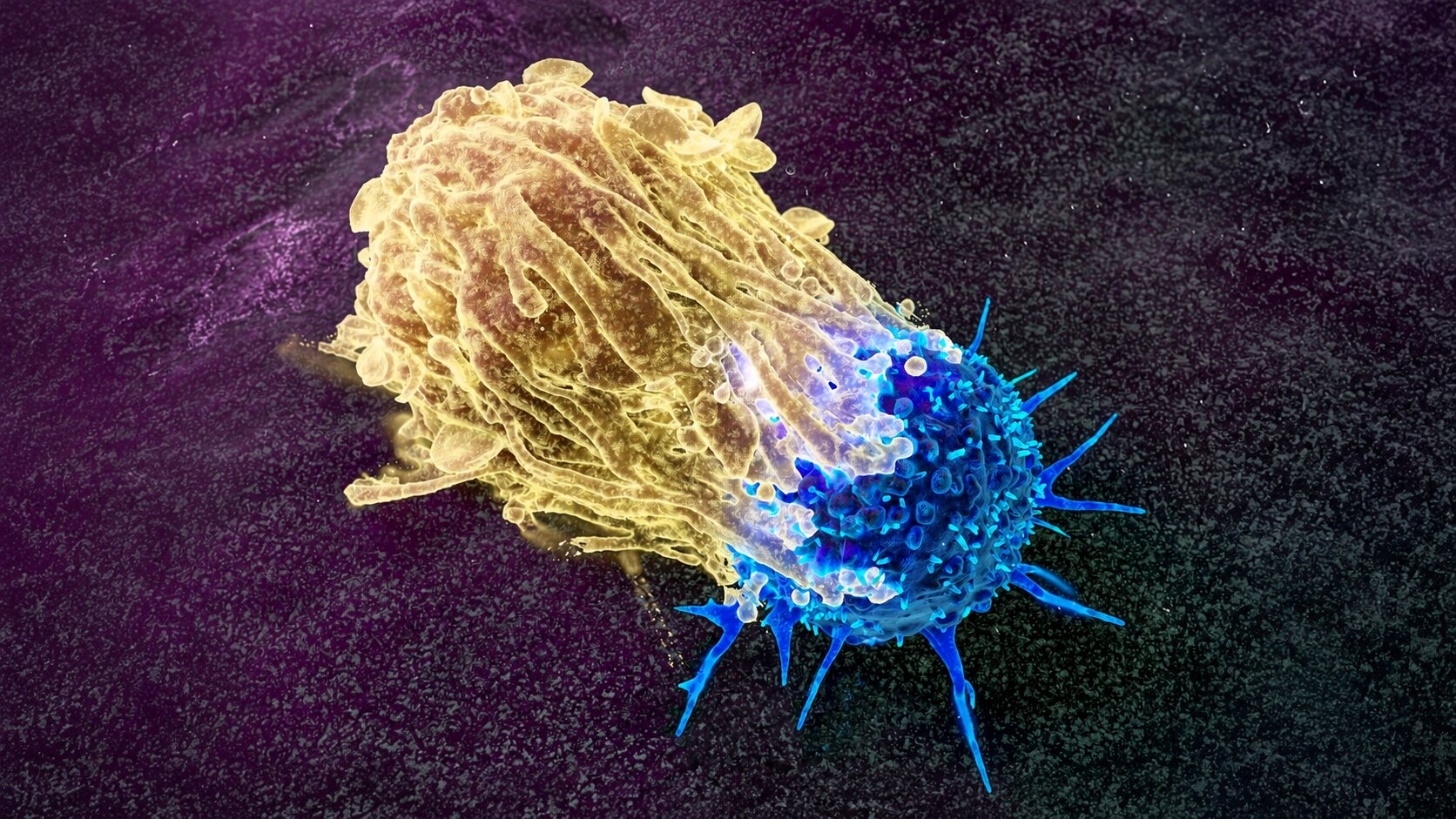
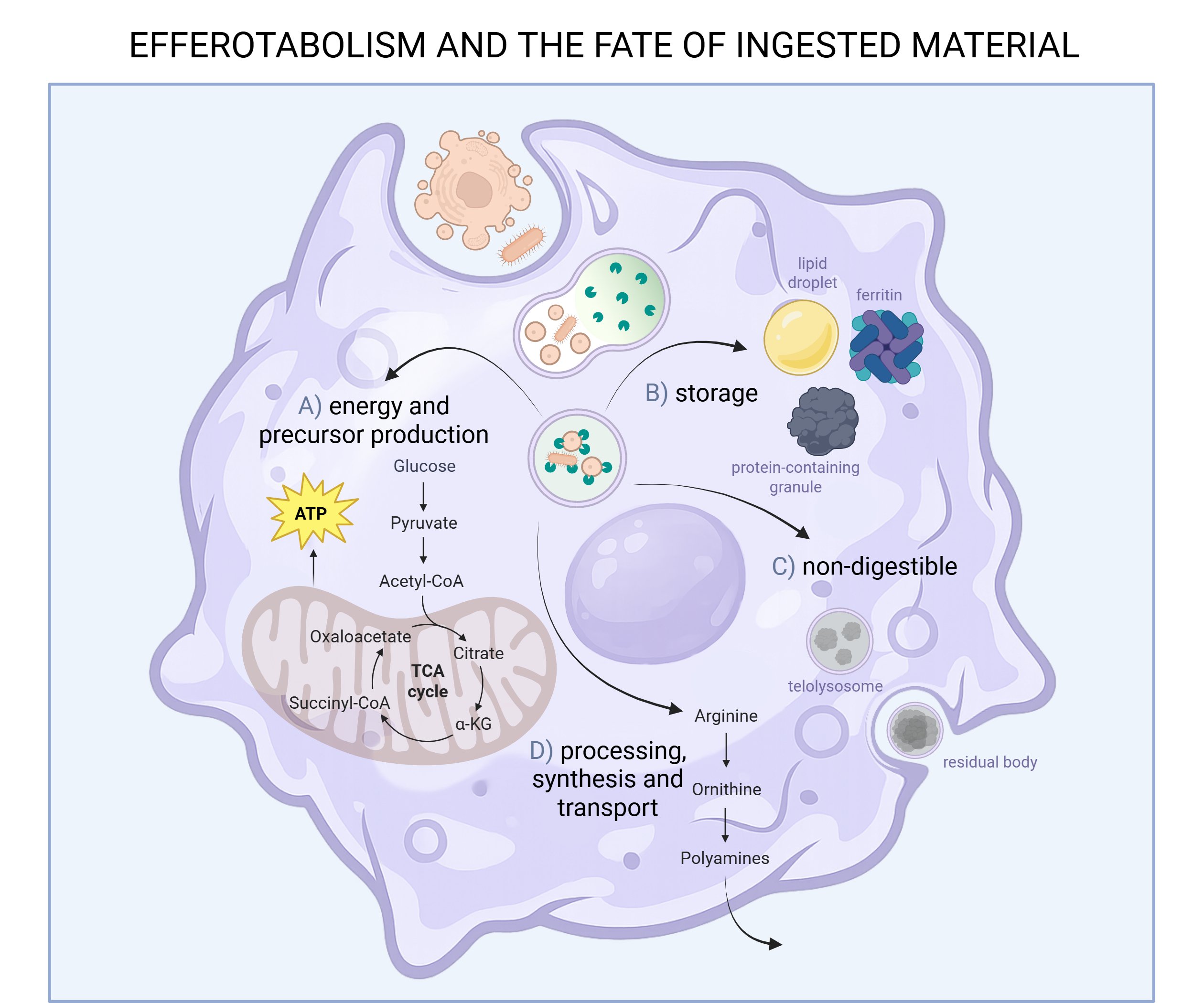
Macrophages, key cells of the immune system, are best known as the body's "cleanup crew." They continuously remove damaged, aging, and dead cells while helping protect the body from infection. While most research has focused on how these cells recognize and eliminate their targets, much less attention has been paid to what happens to the engulfed material once it has been broken down inside the macrophage. A new review by researchers from the Faculty of Science at the University of South Bohemia reveals that, in addition to their defensive role, macrophages also function as recycling centers that return valuable nutrients back into circulation. According to the authors, this metabolic function may even predate immunity itself in evolutionary history.
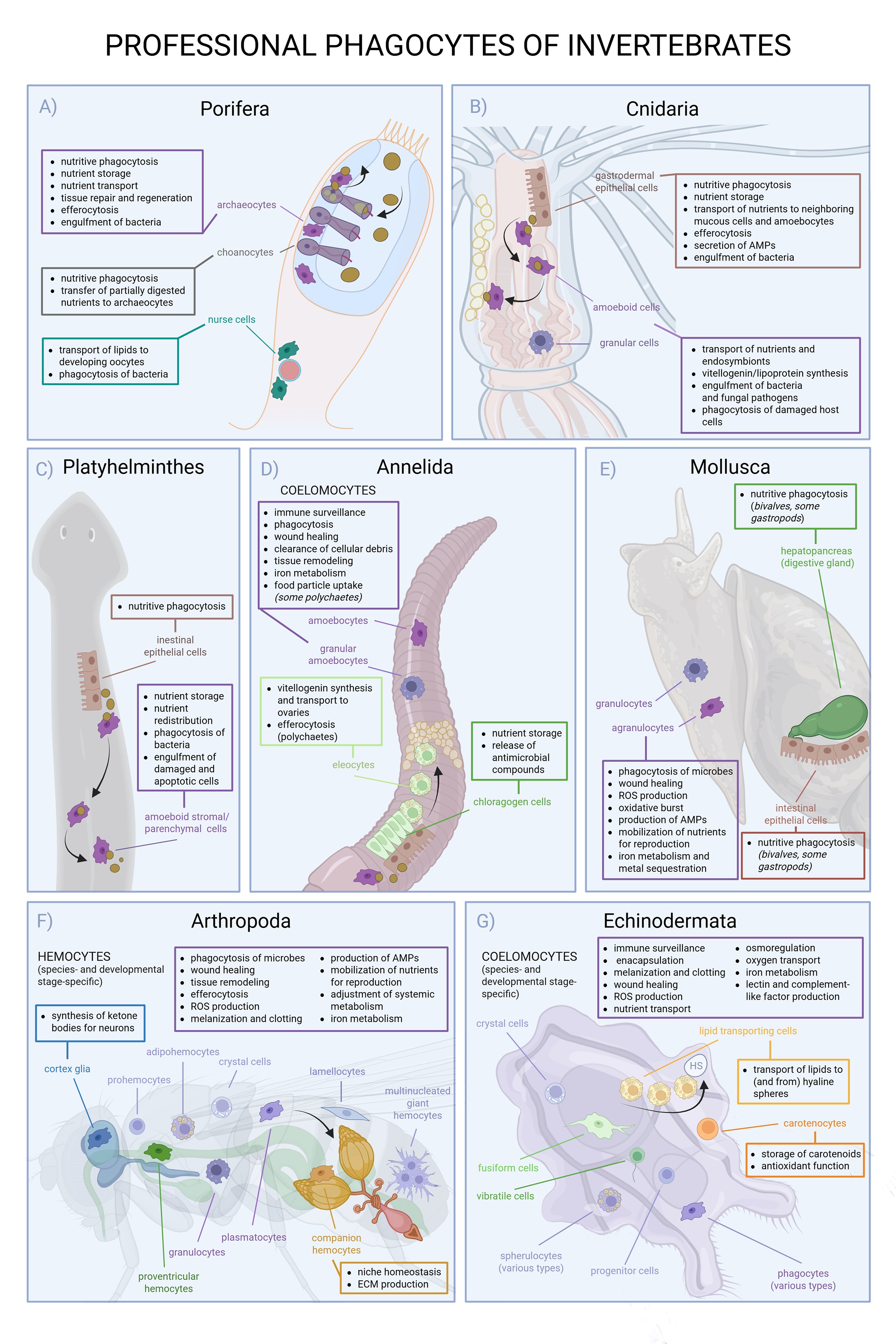
The authors combined findings from studies in mammals with evidence from evolutionarily ancient animals, including sponges, cnidarians, and mollusks. Their comparative analysis suggests that phagocytosis originally evolved not as a defense against infection, but as a mechanism for nutrient acquisition. Only later in evolution was this process co-opted as one of the fundamental mechanisms of innate immunity. Modern macrophages, however, have retained both functions—they protect the organism while simultaneously recycling nutrients recovered from the material they engulf.
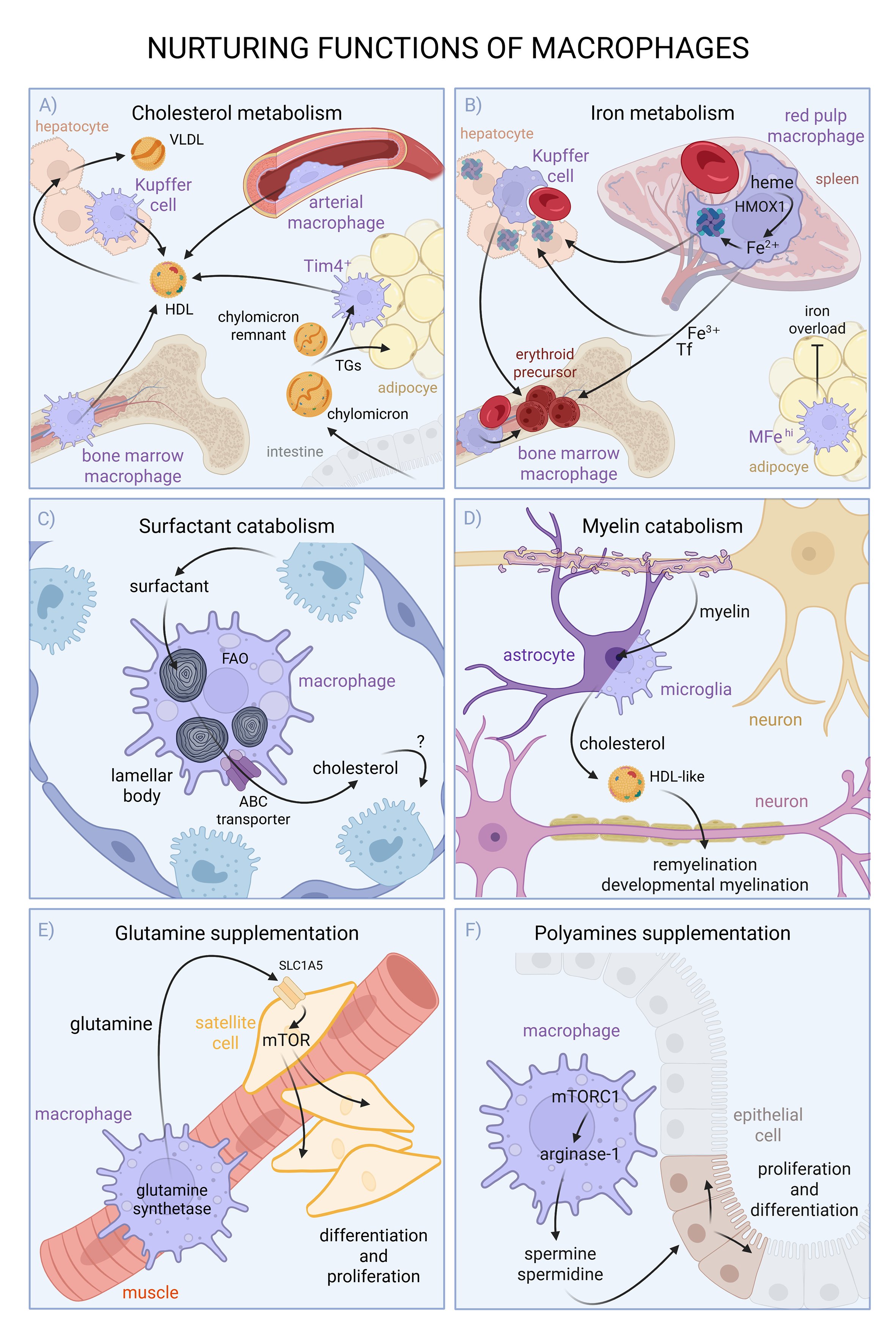
The review also shows that macrophages can supply surrounding tissues with recycled iron, cholesterol, amino acids, and other valuable metabolites. These molecules are then used by recipient cells during growth, tissue repair, or periods of increased metabolic demand. The findings suggest that the immune system is not merely the body's defense network, but also an important regulator of metabolism.
The synthesis of current evidence further demonstrates that the composition of the engulfed material influences the behavior of macrophages themselves. In other words, what these cells ingest determines not only their metabolism but also whether they promote inflammation or support tissue repair. To some extent, even macrophages live by the well-known saying: "You are what you eat."
This new perspective could improve our understanding of a wide range of diseases. Impaired macrophage function has been linked not only to chronic inflammatory disorders but also to atherosclerosis, neurodegenerative diseases, and defective tissue regeneration. A better understanding of how macrophages process and recycle nutrients may therefore pave the way for the development of new therapeutic strategies.
Krejčová, G., & Bajgar, A. (2026). Macrophage-mediated nutrient recycling: evolutionary insights into the metabolic role of professional phagocytes. Frontiers in Immunology. https://doi.org/10.3389/fimmu.2026.1882514


